How the Volkswagen ID. Buzz Works for Everyday Use
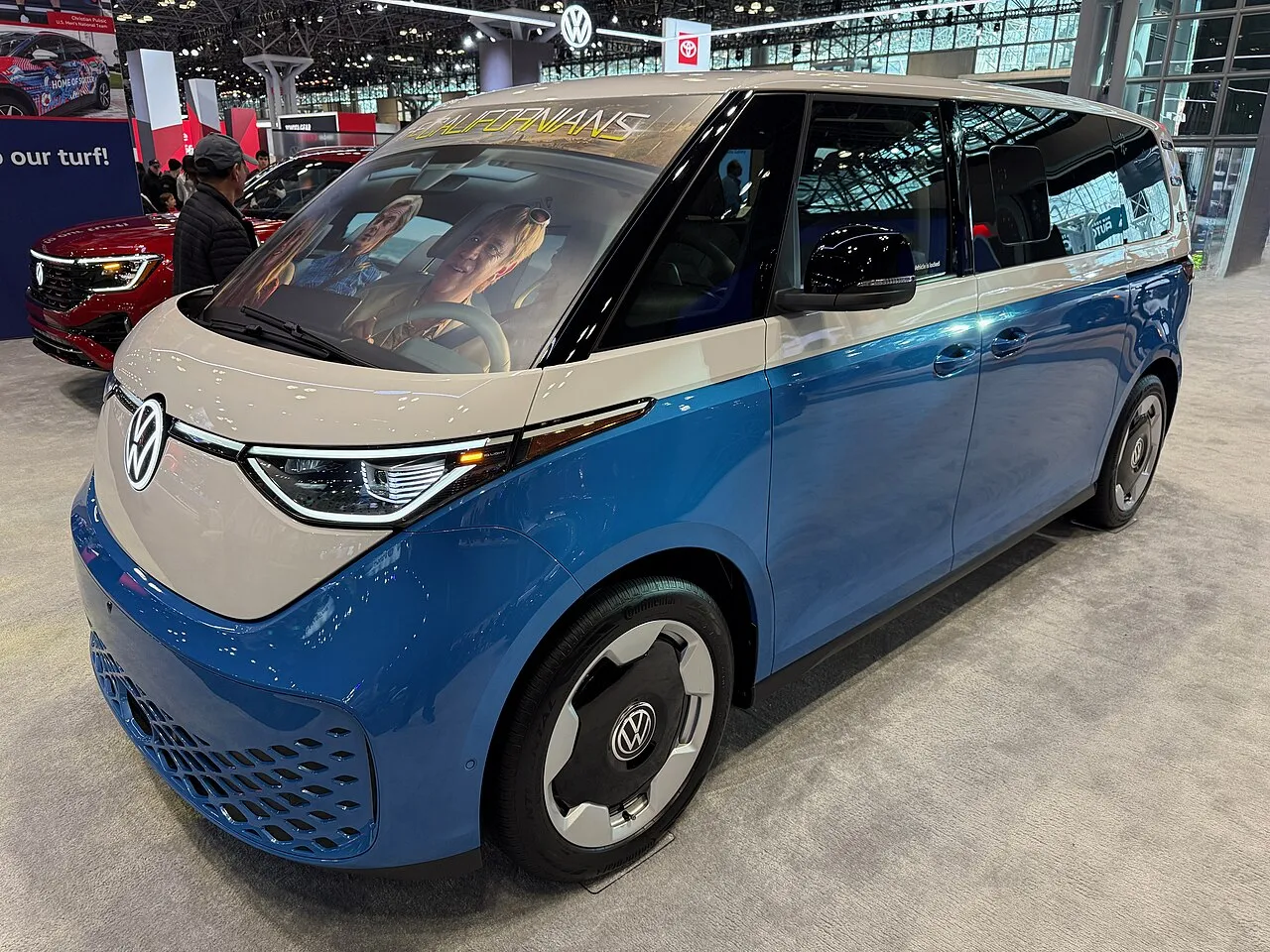
The ID. Buzz pairs a van-like cabin with an electric drivetrain. Here is how its layout can shape passenger access, parking, cargo use and daily trips.
Specifications by market and model year, charging data, pricing, launch timing and every related story for the Volkswagen ID.5.
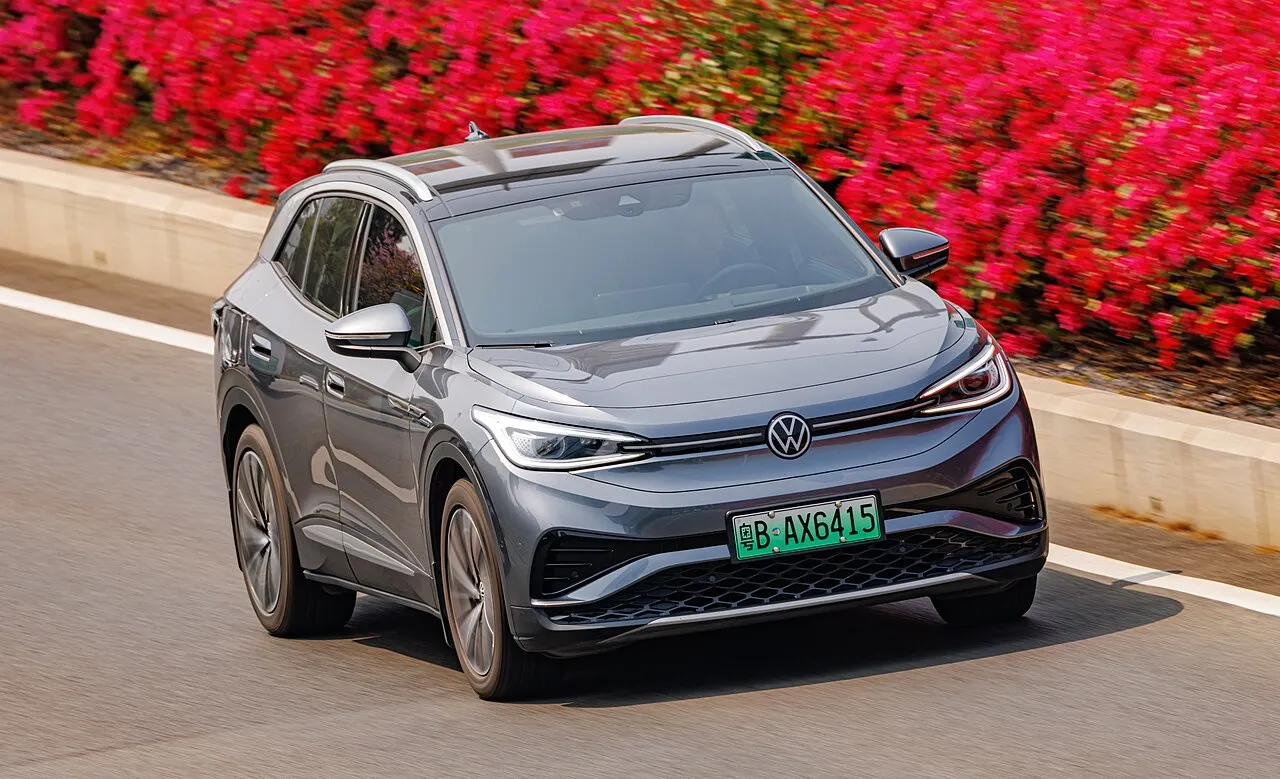
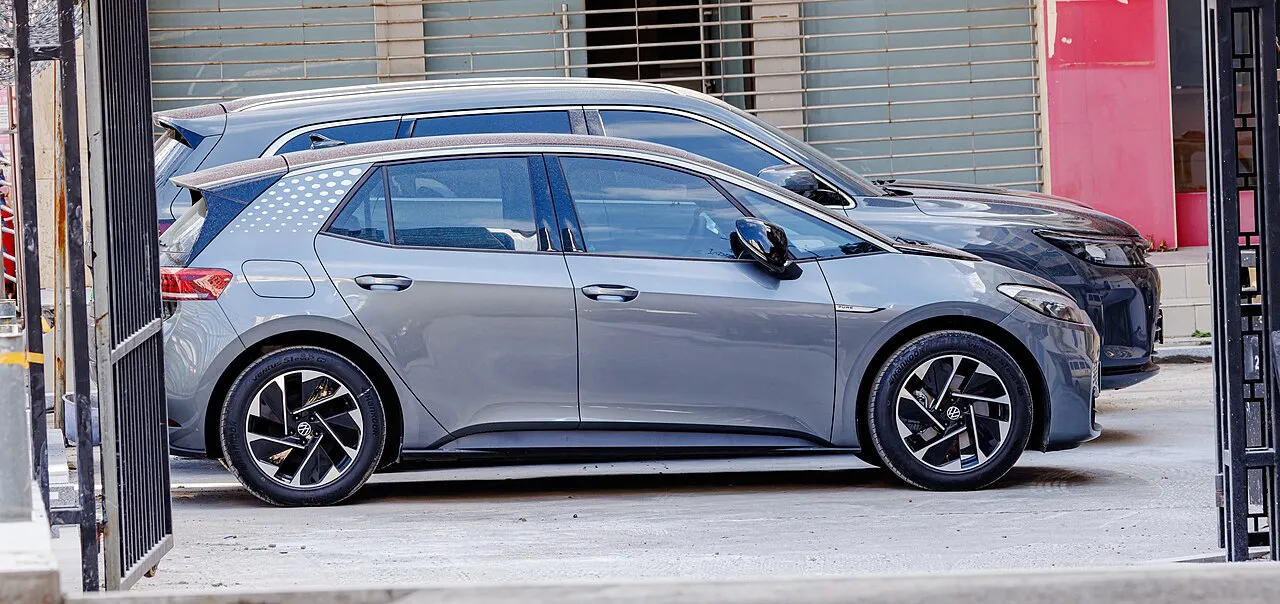
Photo: Dinkun Chen · CC BY-SA 4.0
| Brand | Volkswagen |
|---|---|
| Model | ID.5 |
| Body style | SUV |
| Powertrain | Battery electric (BEV) |
| Range | 480 km (298 mi) (WLTP)Primary version shown; see tables below for every market and version. |
| Battery | 77 kWhPrimary version shown; see tables below for every market and version. |
| DC peak charging | 135 kWPrimary version shown; see tables below for every market and version. |
Battery capacity and type by version. Gross and usable capacity are listed separately where published.
| Version | Gross capacity | Usable capacity | Chemistry |
|---|---|---|---|
| Europe · 2025 · GTX | 82 kWh | 77 kWh | NCM |
| Europe · 2025 · Pro | 82 kWh | 77 kWh | NCM |
Rated range with its test standard. EPA, WLTP and CLTC figures are not directly comparable.
| Version | Rated range | Test standard |
|---|---|---|
| Europe · 2025 · GTX | 480 km (298 mi) | WLTP |
| Europe · 2025 · Pro | 520 km (323 mi) | WLTP |
Peak charging power and published charging times. Real-world speed depends on charger, temperature and state of charge.
| Version | AC on-board charger | DC peak power | Connector |
|---|---|---|---|
| Europe · 2025 · GTX | 11 kW · 3-phase | 135 kW | CCS2 |
| Europe · 2025 · Pro | 11 kW · 3-phase | 135 kW | CCS2 |
Drive layout and output by version.
| Version | Drive | Motors | Power | Torque | 0–100 km/h | Top speed |
|---|---|---|---|---|---|---|
| Europe · 2025 · GTX | AWD | 2 | 220 kW (295 hp) | 460 Nm | 6.2 s | 180 km/h (112 mph) |
| Europe · 2025 · Pro | RWD | 1 | 150 kW (201 hp) | 310 Nm | 8.5 s | 160 km/h (99 mph) |
Exterior dimensions and weight in millimetres and kilograms.
| Version | Length | Width | Height | Wheelbase | Curb weight | Ground clearance | Cargo volume |
|---|---|---|---|---|---|---|---|
| Europe · 2025 · GTX | 4,599 mm (181.1 in) | 1,852 mm (72.9 in) | 1,618 mm (63.7 in) | 2,765 mm (108.9 in) | 2,236 kg (4,929 lb) | 163 mm | 549 L (19.4 cu ft) |
| Europe · 2025 · Pro | 4,599 mm (181.1 in) | 1,852 mm (72.9 in) | 1,618 mm (63.7 in) | 2,765 mm (108.9 in) | 2,110 kg (4,652 lb) | 172 mm | 549 L (19.4 cu ft) |
Official or reference prices by country, with currency and the date each price was checked. Prices exclude incentives unless stated.
| Version | Price | Country | Type | As of |
|---|---|---|---|---|
| Europe · 2025 · GTX | €63,000 | DE | MSRP | Feb 9, 2026 |
| Europe · 2025 · Pro | €49,995 | DE | MSRP | Feb 10, 2026 |
Global reveal and market launch dates are listed separately.
| Production start | 2023 |
|---|
In Europe, the 2025 Pro is rated at 520 km WLTP and the GTX at 480 km WLTP, according to OpenEV Data and EVDB.
For the 2025 European Pro and GTX, OpenEV Data and EVDB report 11 kW AC charging and up to 135 kW DC charging through a CCS2 connector.
Both 2025 European versions have an NCM battery with 82 kWh gross capacity and 77 kWh usable capacity, according to OpenEV Data and EVDB.
The 2025 European Pro and GTX measure 4,599 mm long, 1,852 mm wide, and 1,618 mm tall, with a 2,765 mm wheelbase, according to OpenEV Data and EVDB.
The ID. Buzz pairs a van-like cabin with an electric drivetrain. Here is how its layout can shape passenger access, parking, cargo use and daily trips.
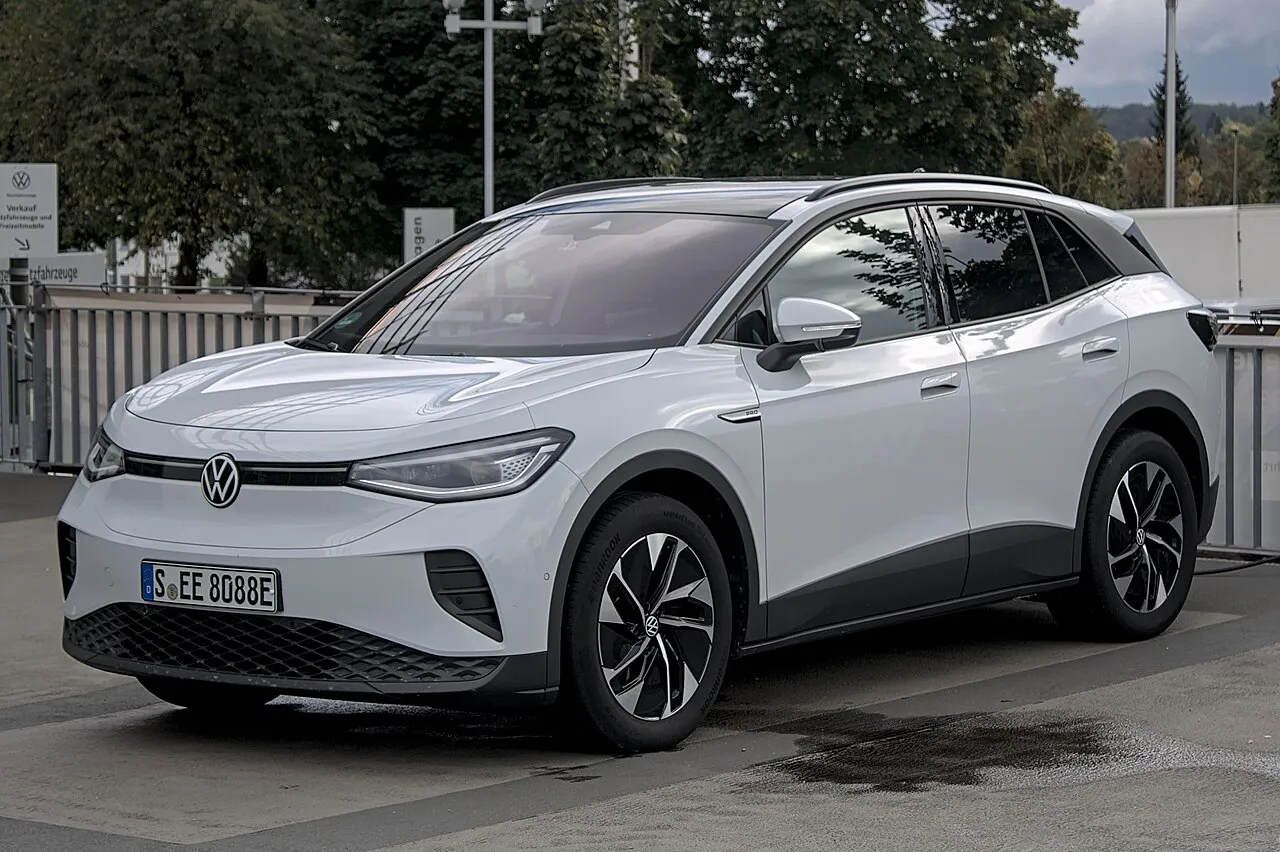
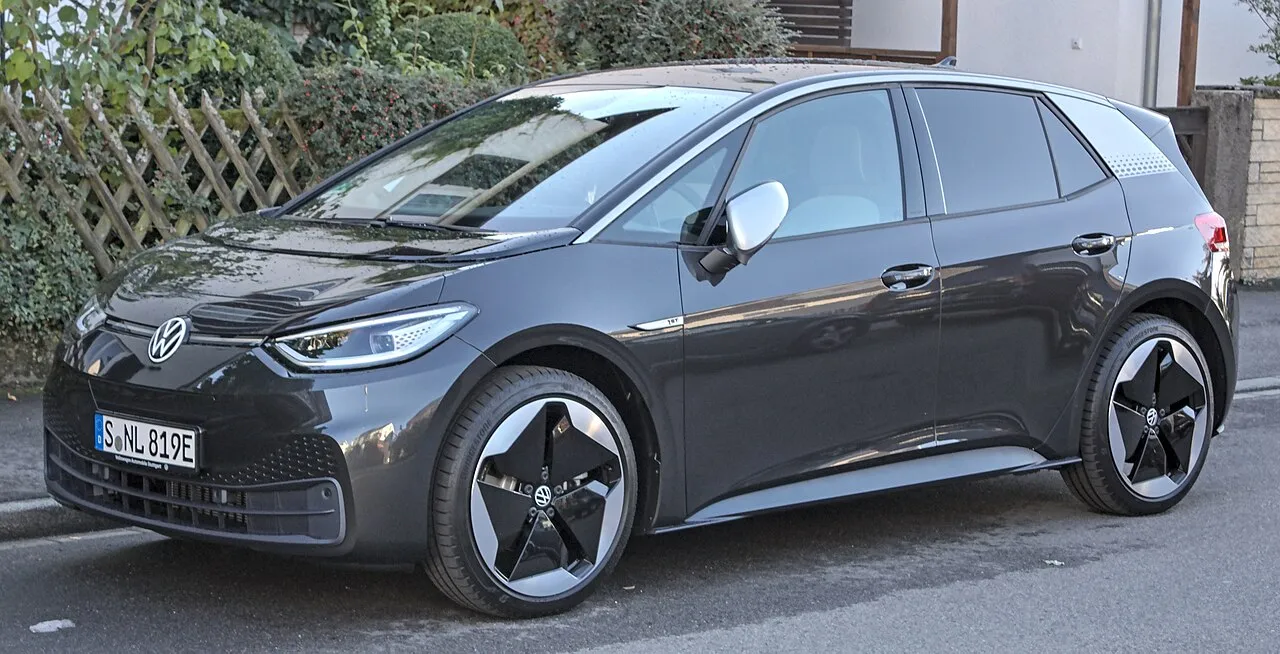
The ID.3 hatchback is shorter and lower; the ID.4 SUV is longer and taller. Compare their proportions and think through passengers, cargo and parking.
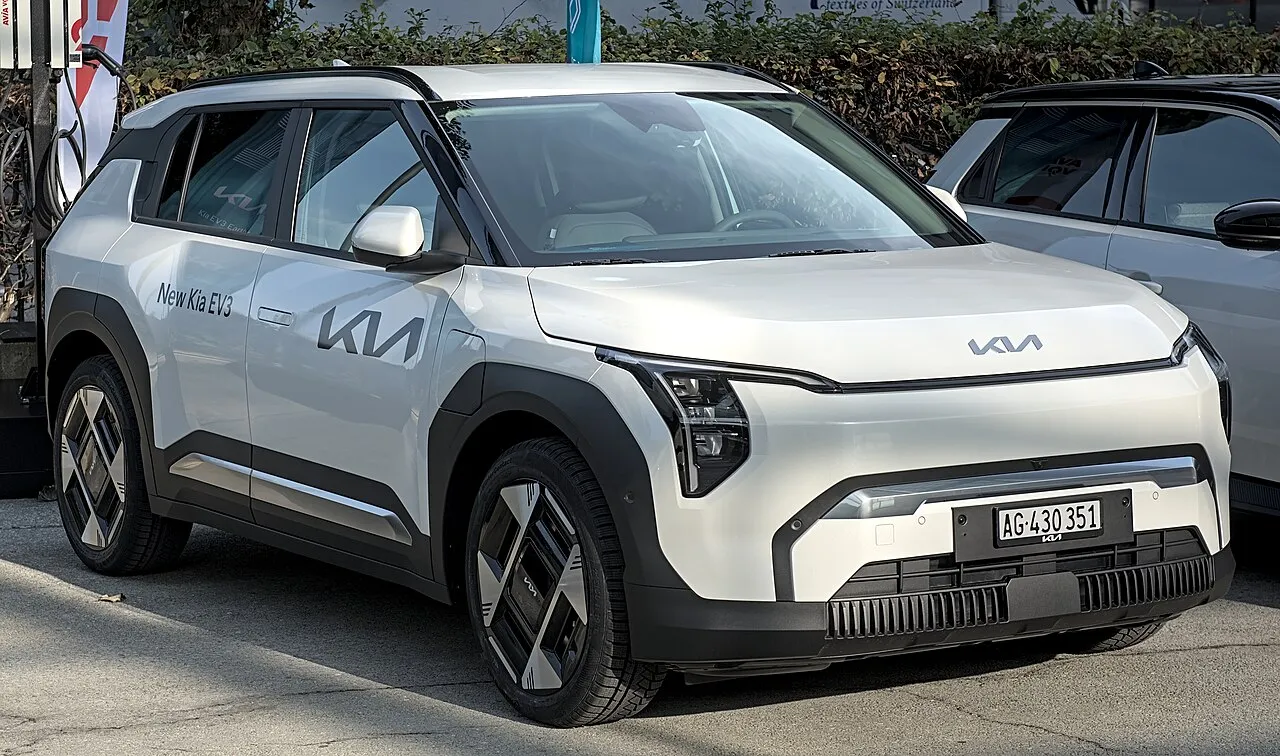
The Kia EV3 is the smaller choice, while the Volkswagen ID.4 has a longer body. Compare U.S. EPA range and charging figures, with market differences in view.
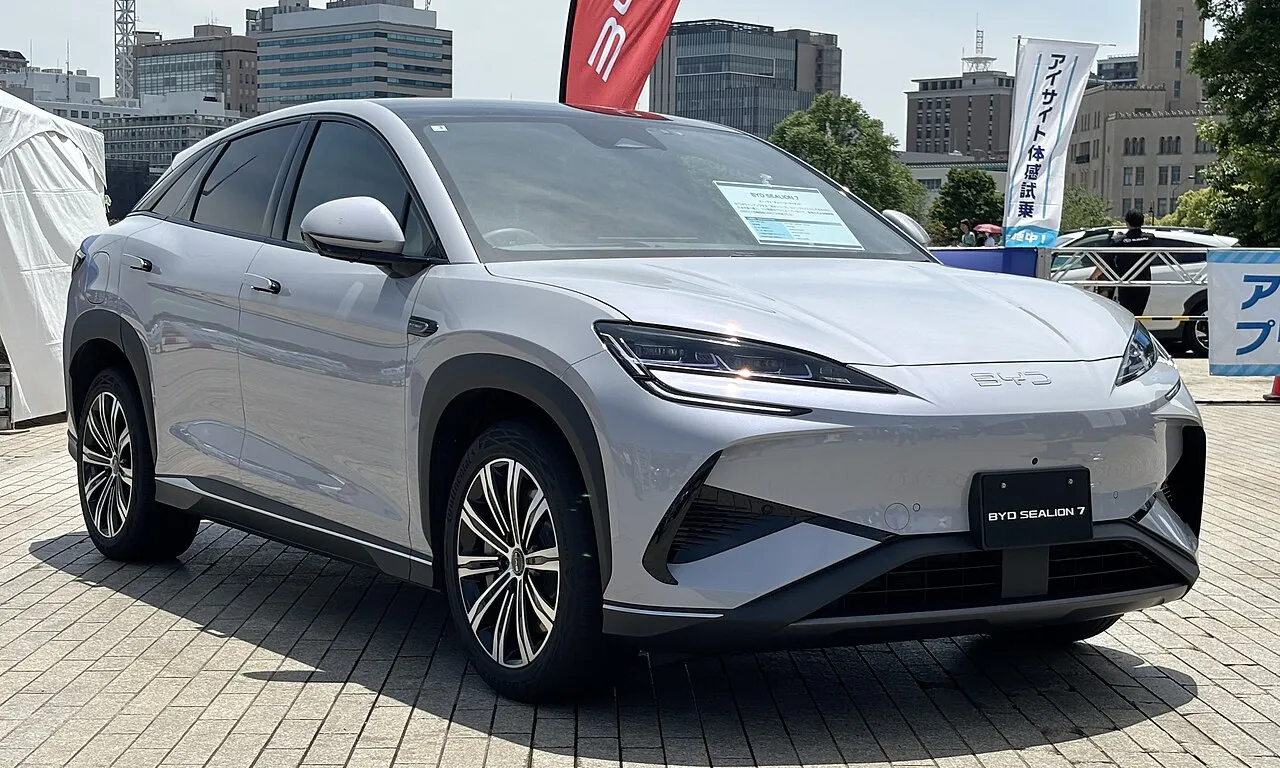
The SEALION 7 is larger on the outside, but dimensions alone cannot settle rear-seat or cargo fit. Compare the European trims, then check the cabins and hatches.
Compare the Volkswagen ID.5 and Volvo EC40 on rear-seat comfort, rearward visibility and luggage space, and learn what exterior dimensions cannot reveal.
Volkswagen has begun building the ID. Tiguan in Germany, with European deliveries expected in early 2027 and a claimed WLTP range of up to 600 kilometers.
Compare electric SUVs by US EPA range, European WLTP range, battery capacity, charging figures and size to find a model that fits your driving and parking needs.
For U.S. shoppers, the ID.4 offers more EPA-rated range, while the ID. Buzz brings a van body. European models add hatchback and sedan choices.
Data sources: OpenEV Data, EVDB. OpenEV Data is licensed under CDLA-Permissive-2.0. EVDB (https://github.com/gaia-charge/evdb) is licensed under CC BY-SA 4.0. Spot an error? Tell us →