How the Volkswagen ID. Buzz Works for Everyday Use
The ID. Buzz pairs a van-like cabin with an electric drivetrain. Here is how its layout can shape passenger access, parking, cargo use and daily trips.
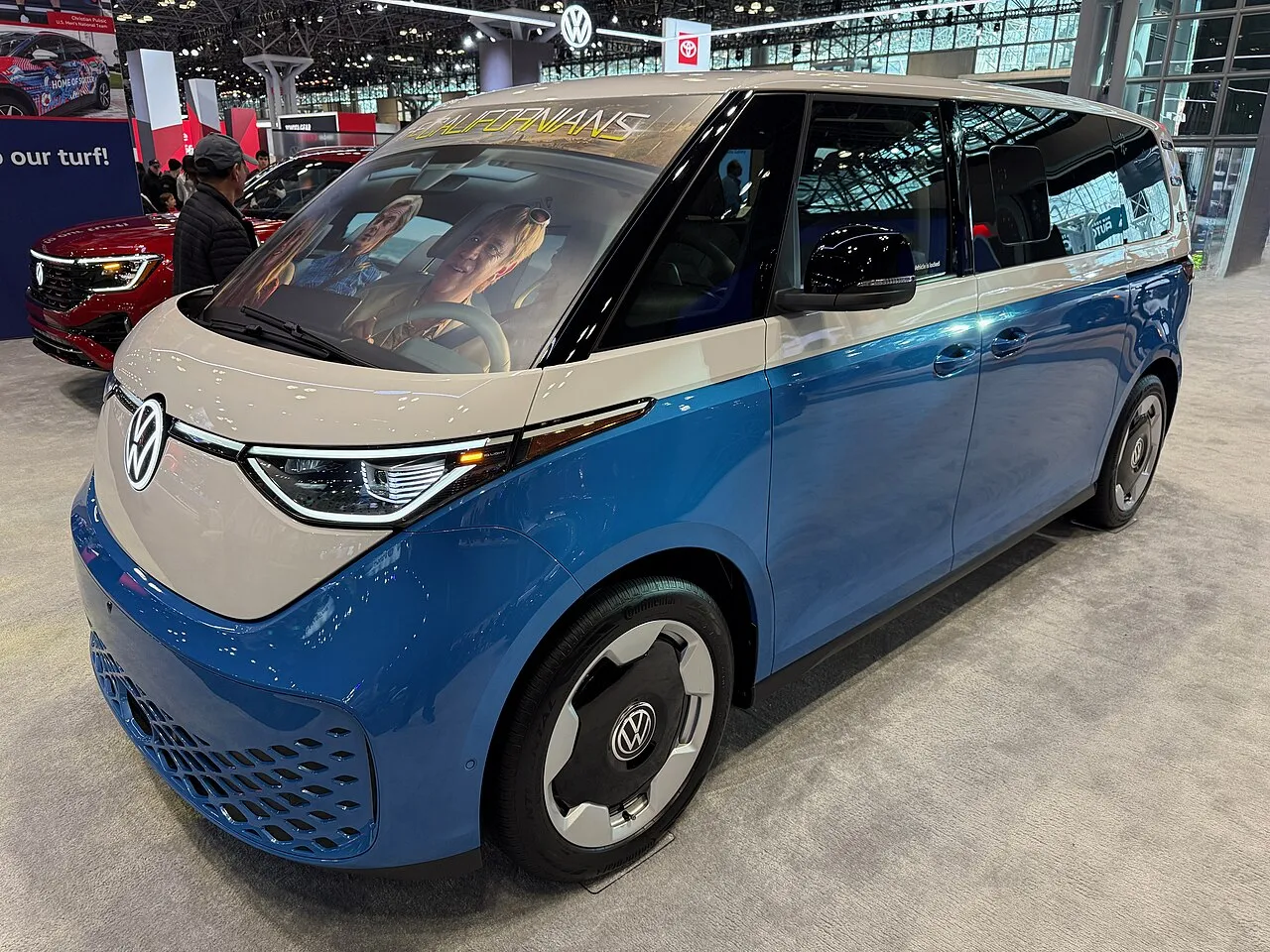
The short answer: The Volkswagen ID. Buzz’s van-like shape makes passenger and cargo access a central part of daily use, while its size calls for care in tight parking spaces. Its published range and charging figures vary by market, trim and test standard.
The Volkswagen ID. Buzz is best understood as an electric van built around people and cargo. Its upright, boxy layout can make the cabin easier to enter and use than a low-slung car, while the same shape asks drivers to pay closer attention to height, width and turning space in garages and crowded lots. For shoppers, the tradeoff is practical: a vehicle organized around access and usable cabin volume, with range and charging figures that depend on market and trim.
Daily life with the ID. Buzz therefore starts with fit. Consider who needs to get in and out, what must travel inside, and where the vehicle will be parked. The European published dimensions offer a sense of its footprint, while US and Canadian ratings describe different versions under their local range standards. Those figures should be read in their own market context.
A van layout changes how people get in
A tall body and an upright cabin give the ID. Buzz a distinctly van-like arrangement. The practical benefit is a more direct movement into the cabin than the drop into a low car: passengers can step up and move through a taller opening. That can be useful for adults carrying bags, children climbing into their seats, or anyone who finds a low seating position awkward. The actual ease of access still depends on the vehicle’s door opening, seat arrangement and the person using it.
That same tall cabin can make the interior feel more open than a conventional car cabin, because occupants sit within a higher roofline. An upright body can also make it easier to organize bulky everyday belongings than a sloping rear profile. But a van shape alone does not establish how many people fit comfortably, how much cargo fits behind each seating row, or whether seats fold or move in a particular way. Those details should be checked on the specific configuration a shopper is considering.
Access is most useful when the vehicle is parked with room beside it. In a narrow space, passengers may have less room to open a door and step out. If frequent passenger loading is part of the routine, the availability of an adjacent space or a wider parking bay can matter as much as the interior layout itself.
Parking requires attention to the footprint
For the 2025 European versions in the published figures, the ID. Buzz measures 4,712 mm long, 1,985 mm wide and 1,937 mm tall, with a 2,988 mm wheelbase. These dimensions describe a substantial vehicle, especially in height and width. In everyday use, the height is relevant when approaching a garage or covered parking area; the width matters in tight stalls and narrow lanes; and the length affects how much room is needed to pull in or maneuver.
Those measurements apply to the European Cargo, GTX, Pro and Pro S versions cited below. They do not establish the dimensions of every market configuration. US or Canadian shoppers should confirm local vehicle dimensions and check clearance at home, at work and in any regular parking facility. A vehicle that fits a driveway may still be inconvenient in a low garage or a crowded urban lot.
Driving a taller, wider vehicle can also change the driver’s sense of position. The practical adjustment is to use mirrors and parking aids where fitted, leave room when turning into narrow spaces, and judge overhead clearance before entering. These are consequences of the vehicle’s form, rather than a claim about a particular feature or test result.
Cargo use depends on the version
The ID. Buzz’s van-like body makes cargo carrying a natural part of its appeal, but the European Cargo version and passenger-oriented versions serve different purposes. The Cargo figures describe a rear-wheel-drive work van. They do not establish the luggage capacity of a passenger model, nor should its dimensions or powertrain figures be treated as a substitute for a cargo-volume figure.
For day-to-day planning, think about the shape of the items being carried as well as their total amount. A tall cabin can be helpful for awkward objects, but the loading opening, floor length, wheel-arch intrusions and seat arrangement determine whether a particular item will fit. Shoppers should check the intended configuration with representative luggage, strollers, sports gear or work equipment before deciding it suits their routine.
Passengers and cargo also compete for space. A family may value room for people first, while a trade user may need a clear load area. Those priorities are not interchangeable, so the right version depends on how often the vehicle carries occupants, bulky objects or both at once.
Range and charging are market-specific
For the 2025 US model year, US EPA fueleconomy.gov rates the rear-wheel-drive ID. Buzz at 234 miles and the 4Motion all-wheel-drive version at 231 miles. Natural Resources Canada gives the 2025 Pro a rated range of 377 km and the Pro 4Motion a rated range of 372 km under NRCan. European WLTP figures differ by trim: the cited 2025 versions range from 423 km for the Cargo and Pro to 487 km for the Pro S.
These ratings use different test standards and should not be compared as if they were produced by one procedure. They are useful for understanding the figures published for each market and trim, but an individual owner’s range can vary with driving conditions, temperature, speed, load and use of cabin heating or cooling. For a buyer, the relevant question is whether the rating for the local version leaves a suitable margin for regular trips and charging access.
The available charging figures also vary by market and version. The US and Canadian entries each report nine hours for a Level 2 full charge, while the European figures describe AC charging at 11 kW and DC peak rates that range from 135 kW to 200 kW across the listed trims. A peak DC rate is not a promise of a constant rate throughout a charging session. Home charging is most useful when the vehicle can be plugged in during parking; public fast charging matters more on longer trips.
| Market and model year | Version | Published range and standard | Charging figure | Source |
|---|---|---|---|---|
| US, 2025 | Rear-wheel drive | 234 mi, EPA | Level 2 full charge: 9 hours | US EPA fueleconomy.gov |
| US, 2025 | 4Motion, all-wheel drive | 231 mi, EPA | Level 2 full charge: 9 hours | US EPA fueleconomy.gov |
| Canada, 2025 | Pro | 377 km, NRCan | Level 2 full charge: 9 hours | Natural Resources Canada |
| Canada, 2025 | Pro 4Motion | 372 km, NRCan | Level 2 full charge: 9 hours | Natural Resources Canada |
| Europe, 2025 | Cargo and Pro | 423 km, WLTP | 11 kW AC; 135 kW DC peak | OpenEV Data |
| Europe, 2025 | GTX | 462 km, WLTP | 11 kW AC; 200 kW DC peak | EVDB |
| Europe, 2025 | Pro S | 487 km, WLTP | 11 kW AC; 185 kW DC peak | EVDB |
What the powertrain means in daily driving
The listed versions include rear-wheel drive and all-wheel drive, depending on market and trim. Canadian figures also give power ratings of 210 kW for the Pro and 250 kW for the Pro 4Motion. European figures span 150 kW for the Cargo and Pro, 210 kW for the Pro S and 250 kW for the GTX. These figures show that the ID. Buzz range includes distinct powertrain choices; they do not establish how a particular version feels on a particular road.
For routine use, the main decision is whether the local version’s range and charging setup suit the driving pattern. A vehicle used mostly for predictable daily trips with a dependable charging location presents a different ownership equation from one used for frequent long-distance travel. The van layout can be helpful every day, but the charging plan still needs to fit the household or work routine.
Questions to settle before buying
- Can the vehicle enter the home garage or any regularly used covered parking area?
- Is there enough space to park and let passengers enter comfortably?
- Does the specific version accommodate the usual mix of passengers and cargo?
- Does the range rating for the local market leave a comfortable margin for regular journeys?
- Is home or public charging convenient for the way the vehicle will be used?
The ID. Buzz makes the most sense for shoppers who value a tall, van-like cabin and plan to use its access and cargo flexibility regularly. Its footprint deserves a careful parking check, and its range figures need to be read by market, trim and test standard. Matching those practical details to everyday routes and belongings is the clearest way to judge whether this electric van fits.
Frequently asked questions
How far can the 2025 Volkswagen ID. Buzz travel?
Published ratings vary by market, trim and test standard: US EPA figures are 234 miles for rear-wheel drive and 231 miles for 4Motion; Canadian NRCan figures are 377 km for Pro and 372 km for Pro 4Motion. European WLTP figures range from 423 km to 487 km across the listed versions.
How long does the ID. Buzz take to charge?
The US and Canadian entries report nine hours for a Level 2 full charge. European versions list 11 kW AC charging and DC peak rates from 135 kW to 200 kW, depending on trim.
Will the ID. Buzz fit in a garage?
The cited European 2025 versions are 1,937 mm tall, 1,985 mm wide and 4,712 mm long. Check the dimensions of the local version and measure garage clearance, width and length before relying on a fit.
Are the Cargo and passenger versions equally suited to carrying people and luggage?
The Cargo figures describe a work van and do not establish passenger-model luggage capacity. Check the specific configuration and its seating and cargo arrangement against the items and occupants it needs to carry.
Related stories

How to Build a Flexible EV Charging Routine for Work
Build charging around the miles you need for your next drive, using home, work, or public charging as your schedule allows. Keep a practical buffer.

How to Choose an EV When It’s Your Household’s Only Car
Compare home charging, everyday range flexibility, and service access to find an EV that can handle your household’s needs without a backup car.

How to Check Whether an EV Can Carry a Roof Tent
Compare an EV’s roof-load limit, approved mounting points and tent hardware before buying. Then account for added wind resistance, noise and energy use.