How to Choose an EV for Frequent Public AC Charging
If you often charge at public AC stations, compare the car’s onboard charger, connector access and how long it will usually be parked there.
How DC fast charging works, what limits charging speed and how to charge quickly on long trips.
News, explainers and expert context.
If you often charge at public AC stations, compare the car’s onboard charger, connector access and how long it will usually be parked there.
Match your EV’s connector and charging limits to each route stop. Learn what charger labels mean, when an adapter may work, and what to confirm before you leave.
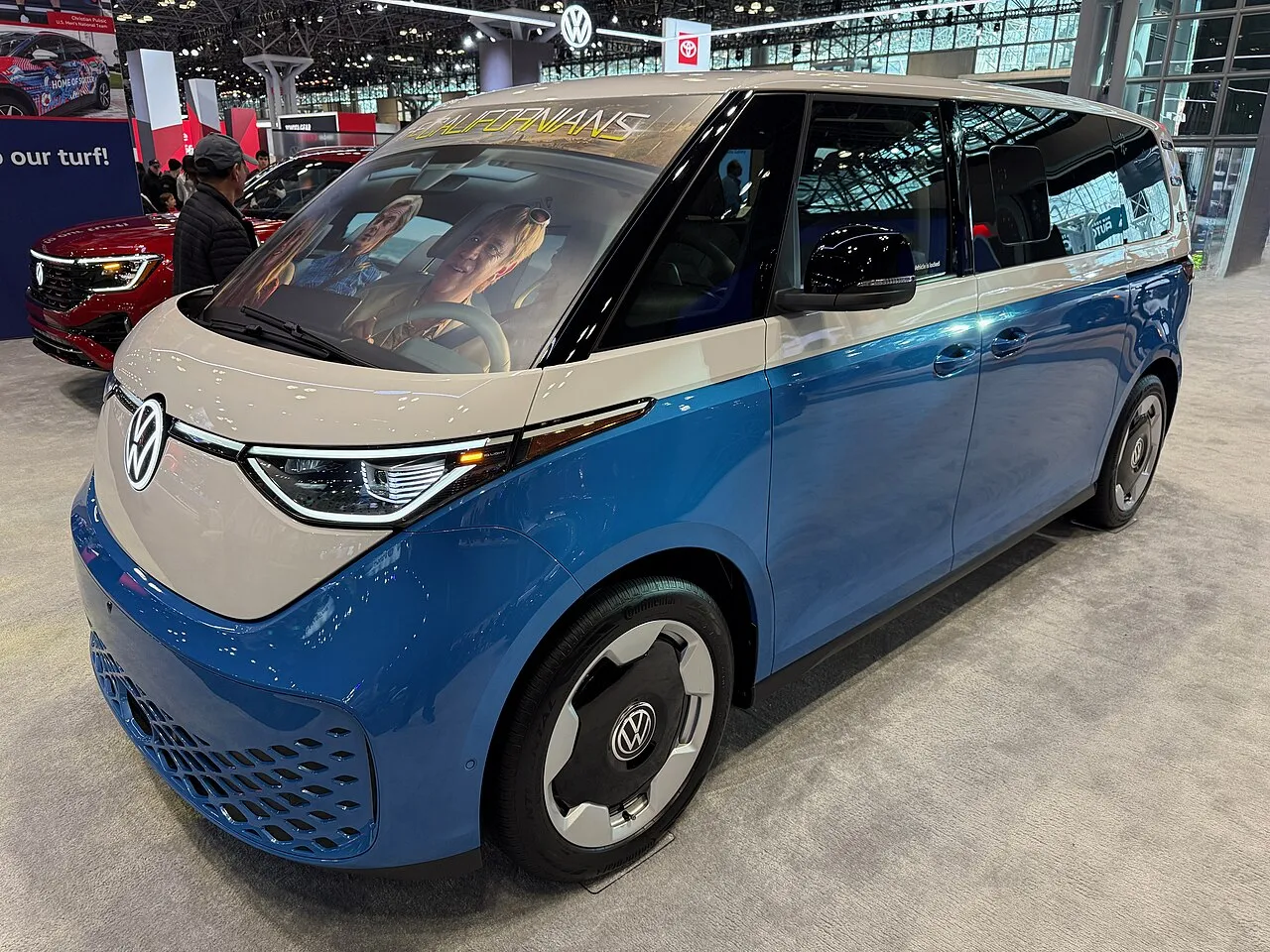
The ID. Buzz pairs a van-like cabin with an electric drivetrain. Here is how its layout can shape passenger access, parking, cargo use and daily trips.
LFP, NMC, and other lithium-ion chemistries shape an EV’s energy storage, charging behavior, durability, and material tradeoffs in different ways.
Kansas had the lowest average public EV charging rate in late November, while Hawaii had the highest, highlighting wide state differences and pricing hurdles.
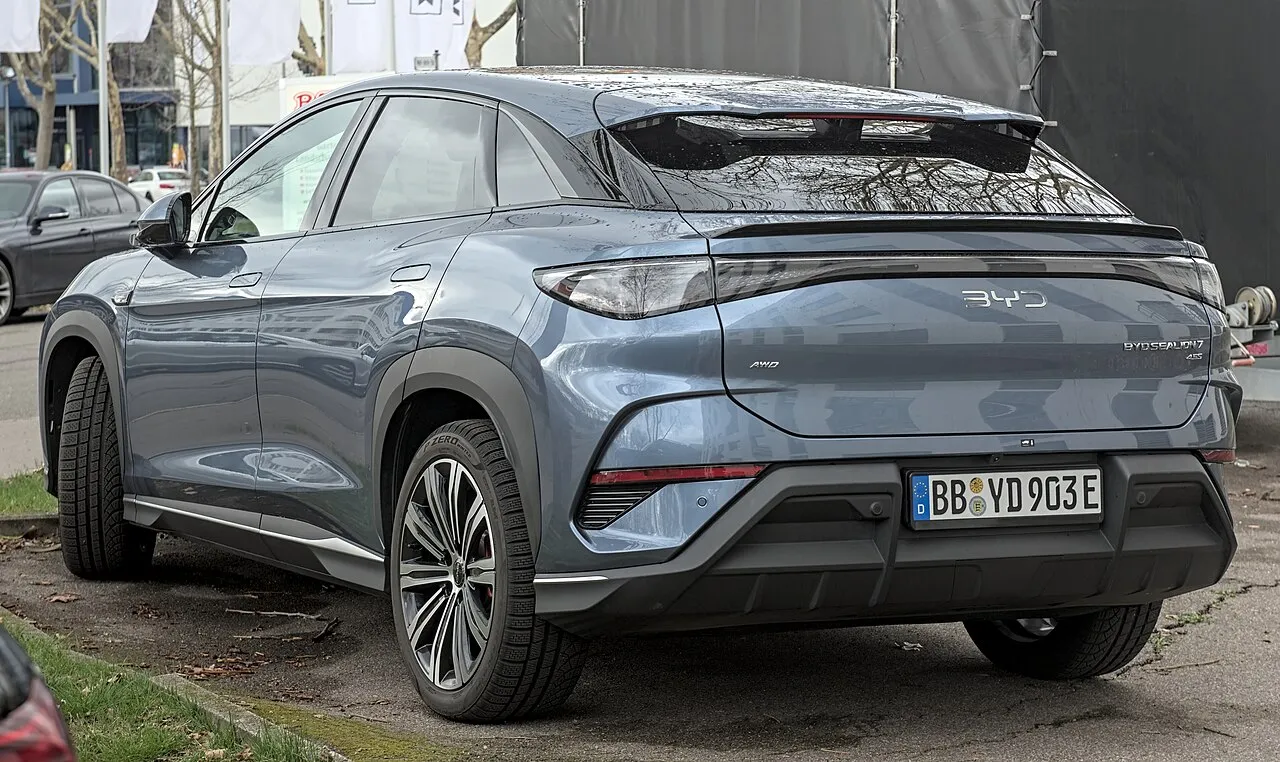
BYD is adding storage cabinets at busy flash-charging sites, but the fix may only delay slower charging where demand stays above the grid’s supply.
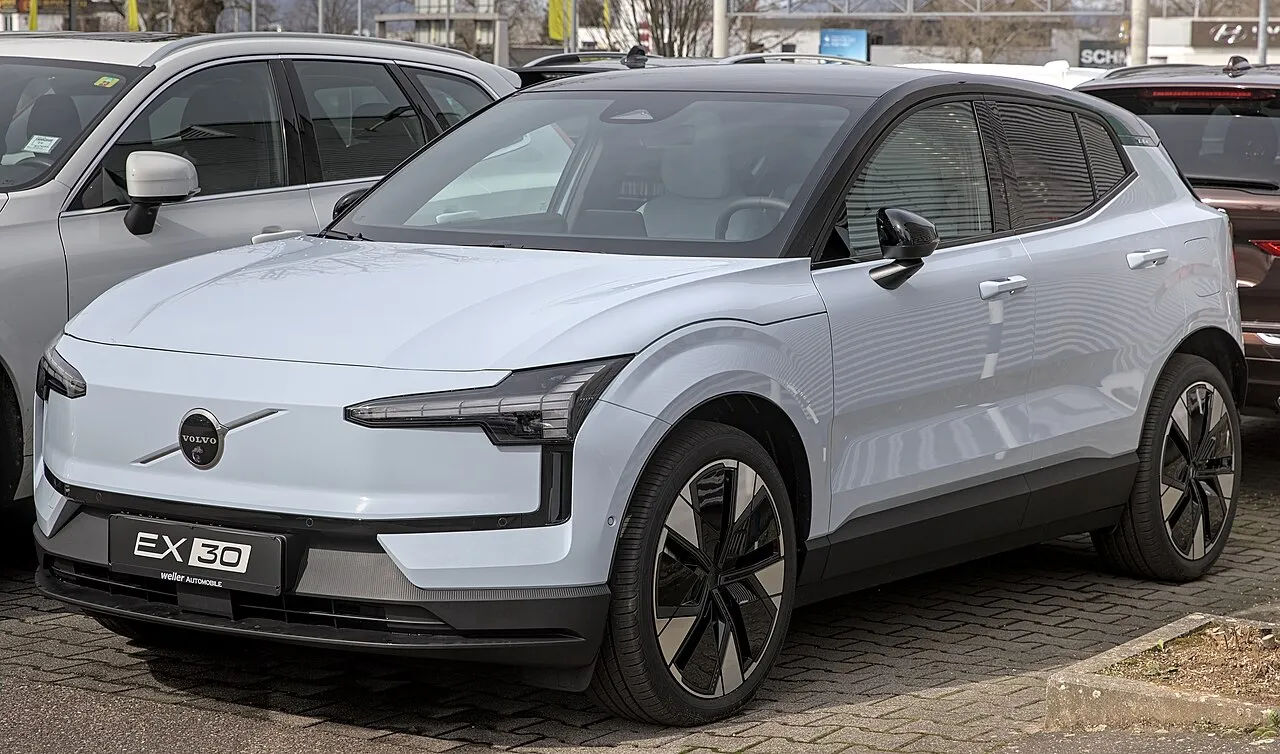
Volvo says its refreshed 2028 XC60 plug-in hybrid will travel an estimated 78 miles on electricity, giving buyers a longer electric commute before switching to gas.
Commercial buildings often use 208-volt power. Learn how it differs from 240-volt home service, what that means for AC charging speed, and what to check.
A busy charging site can face high electricity bills even when many drivers are charging. Demand charges, equipment costs and operating expenses help explain why.
The car reduces charging power as the battery fills to protect the cells, so the last 20% takes much longer than the first 80%.
Occasional fast charging has little effect. Frequent fast charging, especially in high heat, can accelerate degradation slightly, which is why the car manages power carefully.