Donut Lab Battery Delivers 93% of Its Energy at Minus 22°F
Donut Lab’s battery module retained 97% of its amp-hour capacity at minus 22°F, but delivered about 93% of its room-temperature energy in a VTT chamber test.
How DC fast charging works, what limits charging speed and how to charge quickly on long trips.
News, explainers and expert context.
Donut Lab’s battery module retained 97% of its amp-hour capacity at minus 22°F, but delivered about 93% of its room-temperature energy in a VTT chamber test.
Geely’s Monjaro plug-in hybrid is due in the UK in 2027 with up to 105 miles of WLTP electric range, two battery options and 120-kW DC fast charging.
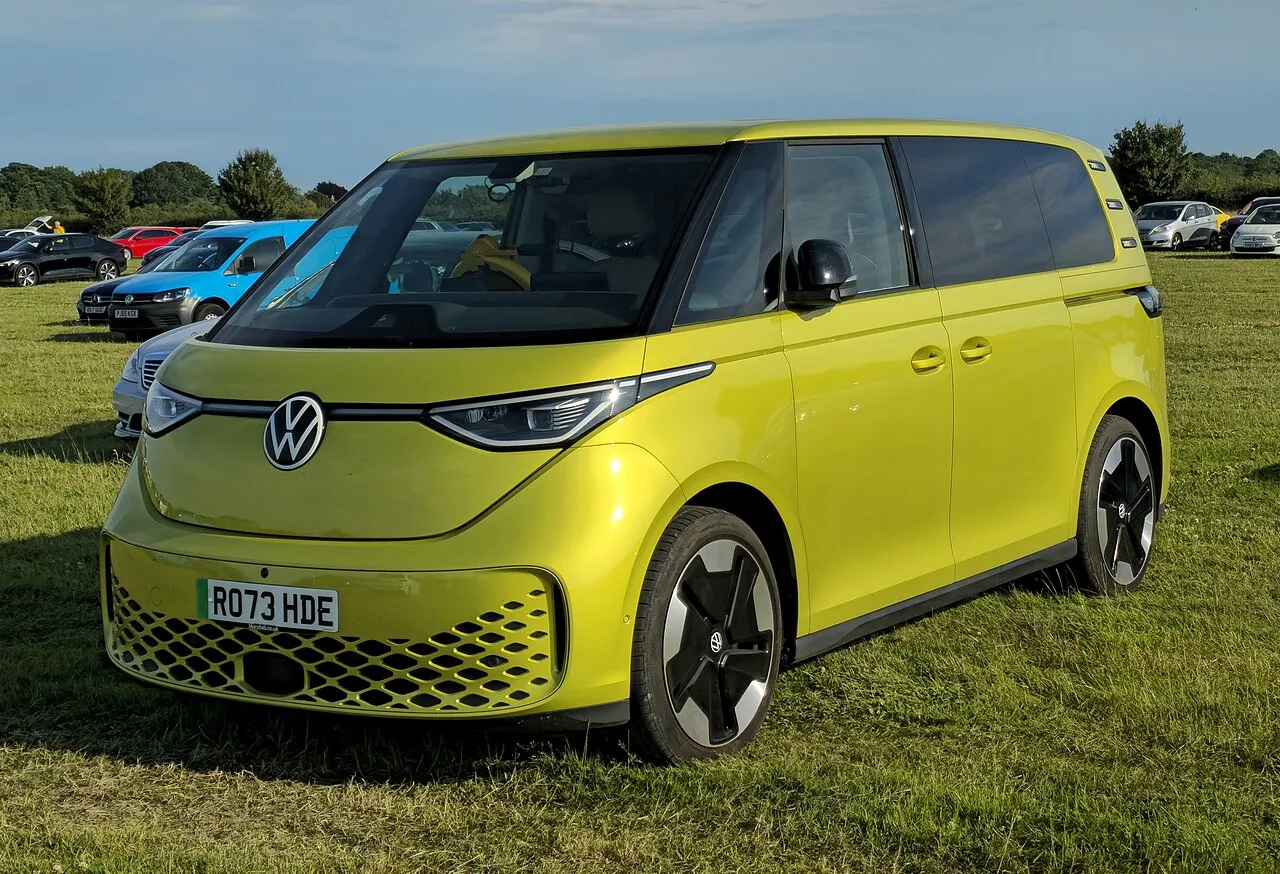
Volkswagen’s ID. Buzz returns to US showrooms this fall with a Tourer trim for overnight stays, updated software and access to Tesla Supercharger stations.
Slate's compact electric pickup pairs a projected high-$20,000s starting price with basic equipment, modular accessories and planned Indiana production.
Toyota’s bZ Woodland brings 375 horsepower, more cargo room and a standard NACS port, with U.S. pricing starting at $45,300 before a $1,450 delivery fee.
Toyota’s first three-row EV for the US brings seven seats, NACS charging and a 320-mile range estimate. Kentucky production is planned to begin in 2026.
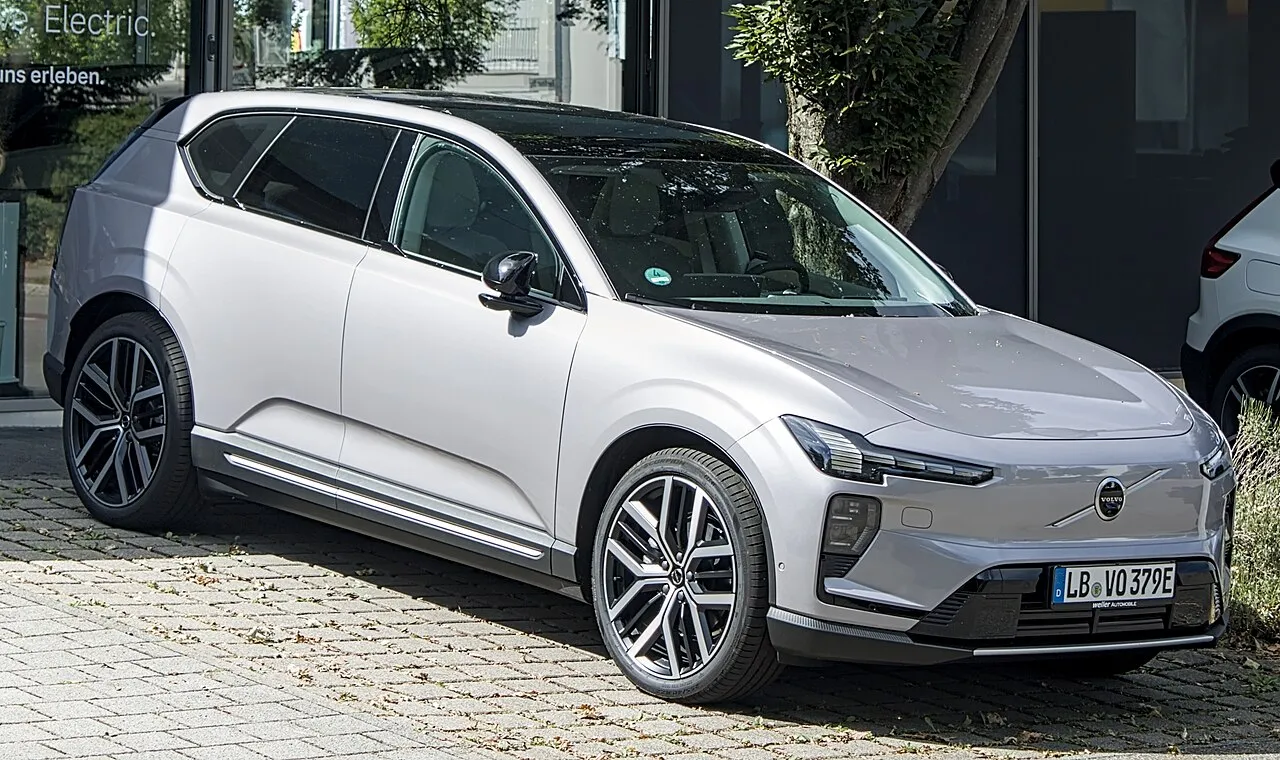
Volvo's EX60 preview pairs a preliminary 400-mile EPA range estimate with rapid charging, while published U.S. ratings show how range varies by version.
The car reduces charging power as the battery fills to protect the cells, so the last 20% takes much longer than the first 80%.
Occasional fast charging has little effect. Frequent fast charging, especially in high heat, can accelerate degradation slightly, which is why the car manages power carefully.