Toyota Highlander Goes Electric With 320-Mile Range Estimate
Toyota’s first three-row EV for the US brings seven seats, NACS charging and a 320-mile range estimate. Kentucky production is planned to begin in 2026.

The short answer: The 2027 Toyota Highlander EV is a seven-passenger electric SUV with a Toyota-estimated range of 320 miles in its larger-battery AWD configuration, according to Electrify News. It will be built in Kentucky, with production expected to start in 2026; pricing has not been published.
Toyota has revealed the 2027 Highlander EV, its first three-row electric SUV for the United States, bringing a familiar family-vehicle name into a segment that includes the Kia EV9 and Hyundai Ioniq 9. According to Electrify News, the seven-passenger SUV will be built in Kentucky and offer a Toyota-estimated 320 miles of range with its larger battery and all-wheel drive.
The launch gives buyers seeking three rows another electric option, with a NACS charging port, access to Tesla Superchargers and two battery sizes. Production is expected to start later in 2026, according to the outlet’s February 11 report. Pricing has not been published, leaving a key part of the Highlander’s competitive position unresolved.
Two trims, two batteries and a familiar name
Toyota is organizing the Highlander EV around XLE and Limited trims, according to Electrify News. The announced choices include front-wheel drive and all-wheel drive, along with 77-kWh and 95.8-kWh batteries. The 320-mile estimate applies specifically to the all-wheel-drive configuration with the larger pack; it should not be treated as the range for every Highlander EV.
Electrify News reports that the larger-battery AWD version produces 338 horsepower and 323 pound-feet of torque. Front-wheel-drive models produce 221 horsepower and 198 pound-feet. Those figures establish a meaningful power difference between the drive configurations, although acceleration times have not been published.
The range figure remains a Toyota estimate. A test standard for that estimate has not been published, so it should not be read as an EPA rating. That distinction matters when shopping against vehicles whose advertised range has already been rated under a named testing procedure.
Using Highlander also places the electric SUV within an established Toyota nameplate. Electrify News describes the move as a departure from the brand’s less familiar bZ naming approach. For buyers, the immediate significance is straightforward: Toyota is attaching its three-row electric offering to a name already associated with its family SUVs.
Charging includes NACS and battery preconditioning
The Highlander EV will use a NACS port and have access to Tesla Superchargers, according to Electrify News. That makes the charging connection part of the vehicle’s launch package, alongside support for Level 1 and Level 2 charging. A dual-voltage charging cable will come standard.
Toyota estimates that a DC fast-charging session from 10% to 80% will take roughly 30 minutes, the outlet reports. This is a partial recharge estimate, rather than a time for charging an empty battery to full. A peak DC charging power figure has not been published.
Battery preconditioning will also be standard. Electrify News says drivers can activate it manually or have it operate automatically through Toyota’s Drive Connect service. The inclusion of both methods gives drivers a manual option as well as a connected-service route for preparing the battery before charging.
The announced charging package therefore addresses several different situations: a cable for plugging in, AC charging support, and a DC fast-charging estimate for stops away from home. Full-charge times for Level 2 charging have not been published, so the roughly 30-minute figure should remain tied to the stated DC charging window.
Seven seats and more than 45 cubic feet behind the folded third row
According to Electrify News, the Highlander EV measures 198.8 inches long and has a 120.1-inch wheelbase. It seats seven, with two places in the third row. The outlet describes that rear row as capable of accommodating two adults, a relevant detail for shoppers who expect to use all three rows.
Folding the third row opens more than 45 cubic feet of cargo space, the report says. That figure describes the vehicle with those rear seats lowered, rather than its luggage capacity with all seven seats occupied. Cargo volume with every seat in use has not been published.
Inside, Toyota combines a 14-inch central touchscreen with a separate 12.3-inch digital instrument cluster. Wireless Apple CarPlay and Android Auto are included, according to Electrify News. USB-C ports extend to the third row, giving rear passengers their own connections for devices.
A fixed panoramic glass roof is another announced feature. Electrify News reports that Toyota describes it as the largest roof of its kind the brand has offered. Together, the seating, charging ports and cargo arrangement outline a cabin aimed at carrying passengers across all three rows, with additional load space available when the rearmost seats are unnecessary.
Connected features and power beyond driving
The infotainment system uses AT&T 5G connectivity and includes a customizable home screen, according to Electrify News. Voice commands respond to “Hey Toyota,” while dual Bluetooth pairing allows two phones to connect. Built-in Spotify and SiriusXM streaming are also part of the announced system.
These functions sit alongside wireless smartphone integration, giving occupants both phone-based and built-in ways to access entertainment. The separate instrument display also means the central touchscreen is accompanied by a dedicated screen in front of the driver.
Beyond propulsion, Toyota has confirmed vehicle-to-load capability, Electrify News reports. The Highlander EV can serve as a mobile electricity source and, with optional bidirectional equipment, supply backup power during an outage. The optional equipment is an important condition for the backup-power function.
Toyota says more information about these capabilities will come later, according to the outlet. Output ratings and further operating details have not been published. The announcement establishes that external power use is part of the plan, while leaving the extent of its backup role for a later update.
Where it enters the three-row EV market
Electrify News places the Highlander EV in the same broad three-row electric SUV category as the Rivian R1S, Kia EV9 and Hyundai Ioniq 9. Its combination of seven seats, two battery choices and available AWD gives Toyota an entry in a category where buyers already have several electric alternatives.
For context, US EPA ratings for the 2027 Hyundai Ioniq 9 are 335 miles for rear-wheel drive, 320 miles for AWD and 311 miles for AWD Performance. Those are US-market EPA figures. Toyota’s 320-mile Highlander estimate has no published test standard, so the matching number on the Ioniq 9 AWD does not establish equivalent tested range.
The Highlander also arrives as Toyota expands its electric lineup. Electrify News reports that the refreshed bZ recently ranked fourth in US EV sales, ahead of the Hyundai Ioniq 5 and Ford Mustang Mach-E. The outlet also identifies the electric C-HR and bZ Woodland as upcoming additions.
Production and pricing are the next milestones
Kentucky production makes US assembly part of the Highlander EV program. Electrify News frames that decision as a way to reduce exposure to tariffs, alongside Toyota’s use of an established SUV name. The report presents the vehicle as a further step into battery-electric models after the automaker’s sustained emphasis on hybrids.
The next major details are price and the production launch later in 2026. Toyota has announced the broad configuration choices and several standard charging features, but final range certification and additional backup-power information remain ahead. Those announcements will give buyers a firmer basis for evaluating the Highlander EV alongside other three-row electric SUVs.
Frequently asked questions
How far can the 2027 Toyota Highlander EV travel on a charge?
According to Electrify News, Toyota estimates 320 miles for the all-wheel-drive Highlander EV with the 95.8-kWh battery. A test standard for that estimate has not been published.
How many seats does the Highlander EV have?
The Highlander EV seats seven, including two passengers in the third row, according to Electrify News. Folding the third row opens more than 45 cubic feet of cargo space.
Can the Toyota Highlander EV use Tesla Superchargers?
Yes. Electrify News reports that the Highlander EV has a NACS port and access to Tesla Superchargers. Toyota estimates roughly 30 minutes for a DC fast charge from 10% to 80%.
Where will the Highlander EV be built, and how much will it cost?
It will be built in Kentucky, with production expected to begin later in 2026, according to Electrify News. Pricing has not been published.
Can the Highlander EV supply backup electricity?
According to Electrify News, Toyota has confirmed vehicle-to-load capability and backup electricity during an outage with optional bidirectional equipment. Further operating details will be announced later.
Related stories
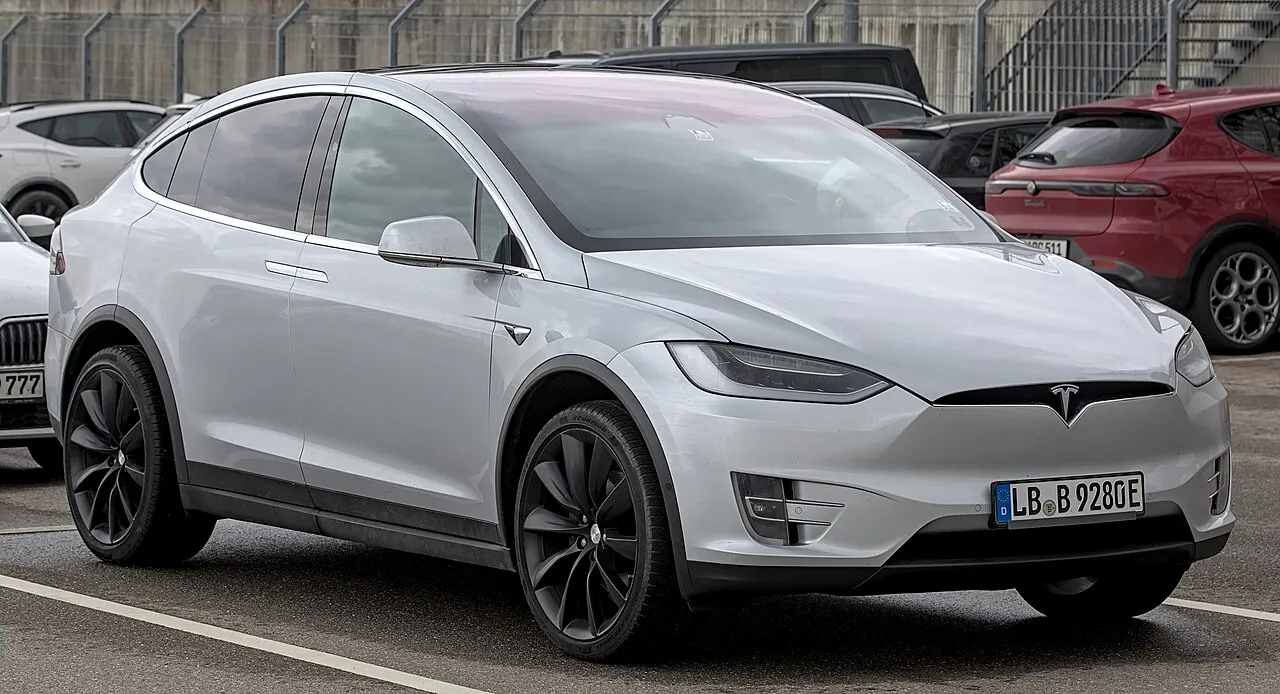
IONNA Opens 22-Bay California Hub, Adds Tesla Autocharge
IONNA opened its largest Rechargery in Westminster, California, with 22 bays and up to 400 kW charging, and enabled Tesla Autocharge across its network.
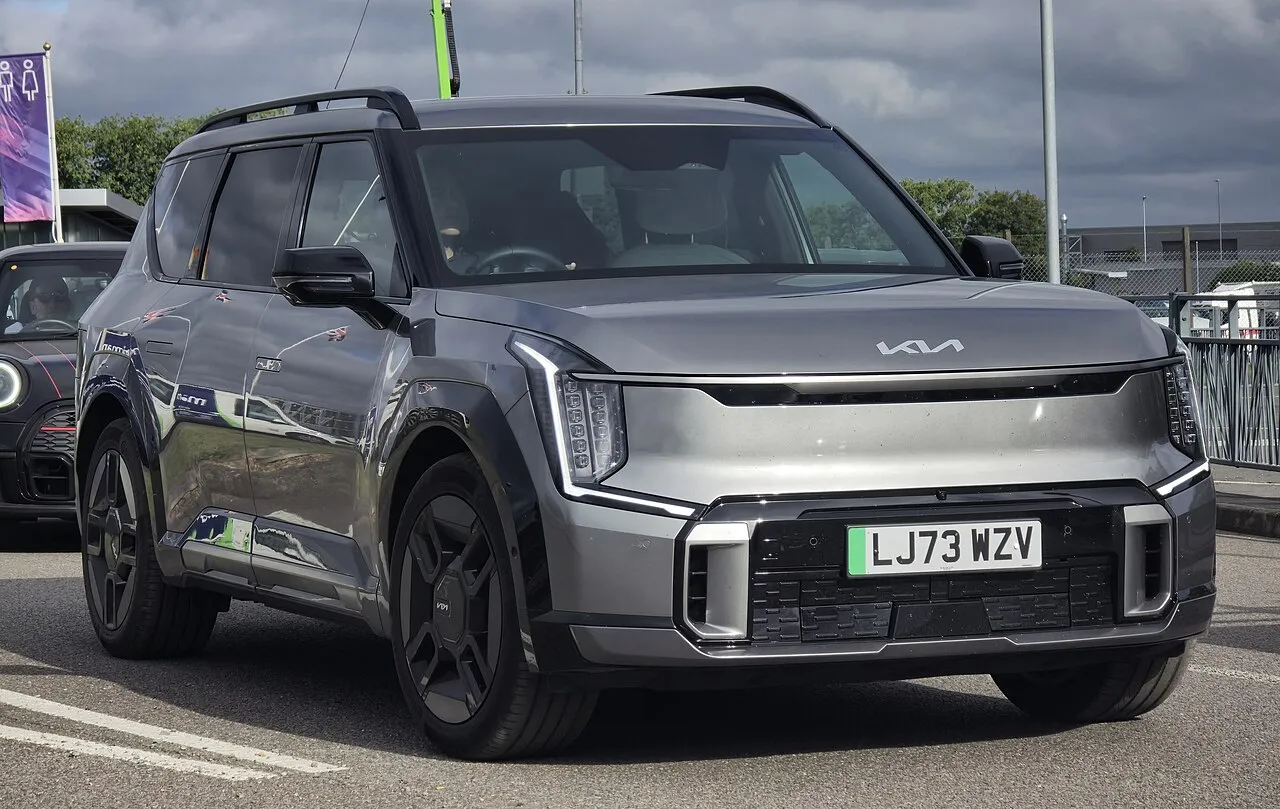
Kia EV9 vs. Volkswagen ID. Buzz: Which Fits a Large Family?
The EV9 offers three rows in an SUV, while the ID. Buzz brings minivan-style access. Compare family seating, cargo flexibility and published range.

How EVs Convert Battery Power for Home and Device Use
Bidirectional charging takes more than an outlet: an EV needs power conversion, control logic and compatible hardware to send energy to a home or device.