Volkswagen ID. Buzz Returns to US With New Tourer Trim
Volkswagen’s ID. Buzz returns to US showrooms this fall with a Tourer trim for overnight stays, updated software and access to Tesla Supercharger stations.
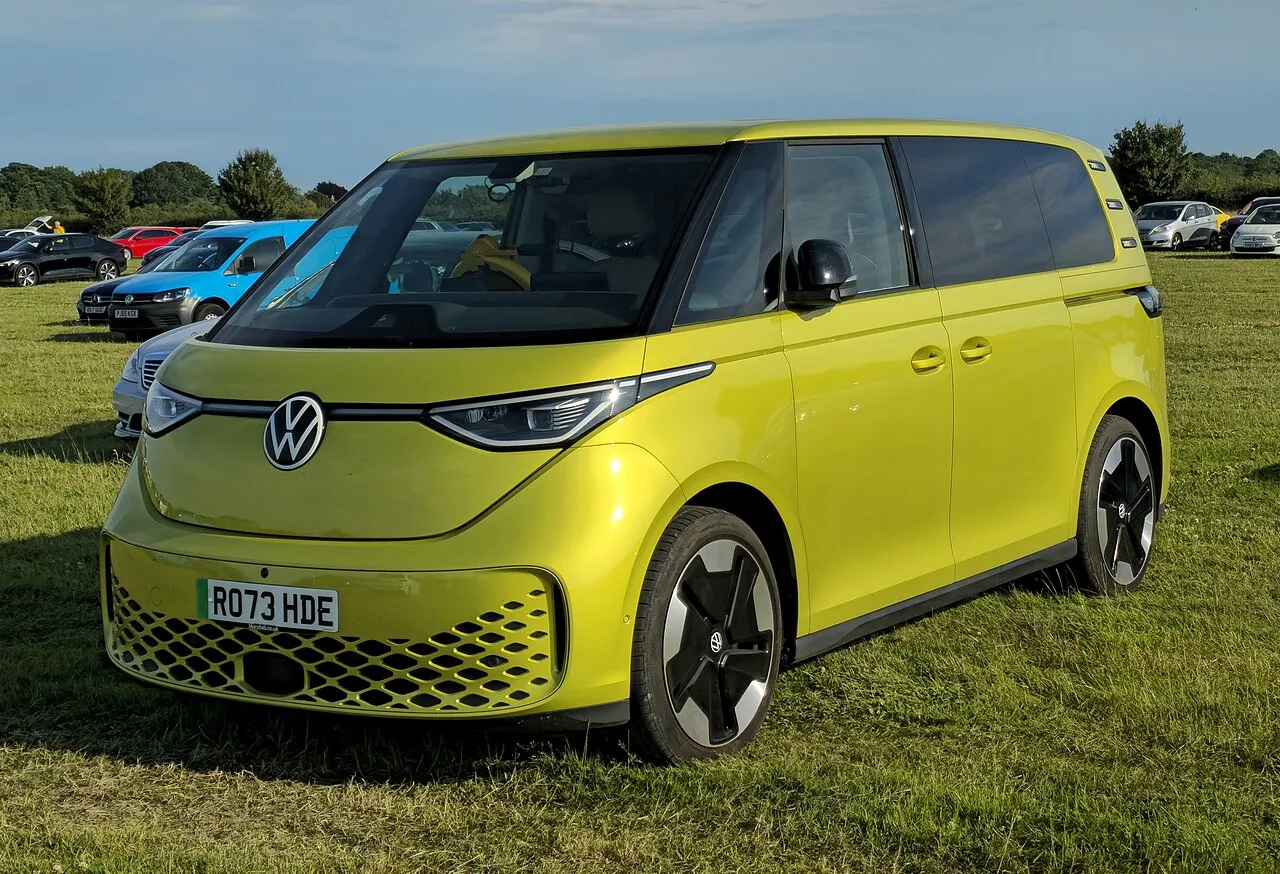
The short answer: According to Green Car Journal, the Volkswagen ID. Buzz will return to US showrooms this fall for the 2027 model year after a year-long absence. The lineup adds a Tourer version with overnight equipment, plus updated software, one-pedal driving and a NACS charging adapter.
Volkswagen’s ID. Buzz will return to US showrooms this fall for the 2027 model year after a year-long absence, according to Green Car Journal. The electric van’s comeback brings a new Tourer version equipped for overnight stays, alongside software changes, expanded charging access and updated driver assistance features. For buyers, the return restores an electric van option with a broader range of uses, from daily transportation to occasional nights away.
The Tourer is the most distinctive addition, pairing the existing Buzz format with a sleeping platform and other overnight equipment. But the changes extend across the lineup: Green Car Journal reports that Volkswagen is introducing its latest ID.S 6 software, one-pedal driving and a North American Charging System adapter that opens access to Tesla Supercharger stations.
Four trims and a more focused appearance
The returning US lineup will comprise Pro S RWD, Pro S 4Motion, Tourer 4Motion and Pro S Plus 4Motion, according to Green Car Journal. That gives buyers a rear-wheel-drive entry point and three versions carrying Volkswagen’s 4Motion all-wheel-drive designation. The Tourer is based on the Pro S 4Motion, placing its overnight equipment within an all-wheel-drive configuration.
Volkswagen is also simplifying the exterior choices. Green Car Journal reports that the 2027 Buzz will offer only two-tone color schemes, including a new Candy White over Cherry Red combination that recalls the Type 2 Microbus. The top trim gains an optional 21-inch wheel package, while the Tourer uses 20-inch dark graphite wheels with black discs.
Those changes retain the visual connection to Volkswagen’s earlier Microbus while giving the returning model a revised trim structure. The larger wheels are an option on the top version, rather than a feature of the Tourer’s overnight package. Buyers interested in the sleeping equipment will therefore be looking at a distinct configuration within the range.
What the Tourer adds for overnight stays
According to Green Car Journal, the Tourer adapts equipment from the European “Good Night Package.” Its central feature is a fold-out mattress with a platform, accompanied by window blinds and front window ventilation panels. An exterior table and chairs add somewhere to sit and eat outside the van, extending its usefulness once parked.
A dedicated Overnight Mode manages lighting, climate and energy use during a stay, the outlet reports. That feature connects the sleeping setup with the vehicle’s electrical systems: the Tourer’s accommodation equipment is accompanied by a mode intended to manage the cabin environment and power consumption while occupants remain inside.
The Tourer also includes captain’s chairs, a retractable tow hitch, Area View and an electrochromic smart roof, according to Green Car Journal. The outlet notes that these features are not exclusive to the Tourer. Their role here is to accompany the overnight equipment in a single version, rather than establish a separate vehicle with an entirely different purpose.
The distinction between an overnight package and a full camper conversion matters. Green Car Journal describes the Tourer as a lighter approach to Volkswagen’s camper heritage. Earlier Volkswagen campers offered features such as built-in kitchenettes, pop-top roofs and dedicated systems for longer stays. The Tourer’s reported equipment instead centers on sleeping, privacy, ventilation and outdoor seating.
That approach also has an energy implication. As Green Car Journal explains, overnight electrical use in a battery-electric van draws from the battery that powers driving, affecting the range available afterward. Traditional Volkswagen campers used arrangements including propane, auxiliary batteries and separate wiring. Overnight Mode addresses energy management, but the Tourer still shares its main energy source between travel and a parked stay.
Software and charging changes reach beyond the Tourer
All four trims benefit from ID.S 6 software and a consolidated suite of connected services, according to Green Car Journal. The update includes a refreshed navigation home screen intended to make inputs quicker and a redesigned vehicle settings page that gives occupants more intuitive access to interior functions.
The Buzz also gains one-pedal driving, the outlet reports. This adds another way to operate the electric van alongside the interface changes. For shoppers comparing the returning model with an earlier Buzz, it is a separate functional update from the Tourer package and its camping-oriented equipment.
Charging access is another significant change. Green Car Journal reports that the Buzz gains a NACS adapter, expanding fast-charging access to Tesla Supercharger stations. The reported change is the addition of an adapter; buyers should distinguish that equipment from the vehicle’s charging port when considering how they will connect at a station.
Inside, a one-year trial of In-Vehicle Premium brings access to select third-party apps, including YouTube and Spotify, through the infotainment system, according to the outlet. The trial adds connected entertainment to the revised interface, with a defined introductory period of one year.
Driver assistance gains new functions
Travel Assist receives several updates for 2027, according to Green Car Journal. Assisted lane changes gain a wait-for-clear function, while lane centering and predictive Adaptive Cruise Control are also improved. These changes concern how the van assists during driving, making them relevant across the range rather than solely to buyers considering overnight trips.
The outlet also reports an expanded Emergency Assist function. If the system detects no steering, braking or accelerator input from the driver, it can automatically move the vehicle to the right shoulder and bring it to a halt. Green Car Journal describes an unresponsive driver as an example of the situation the feature is intended to address.
These functions have distinct roles: Travel Assist supports driving tasks, while Emergency Assist responds to a lack of driver inputs. Together, they form another part of the returning Buzz’s update beyond its appearance and trim choices.
Earlier US range ratings offer a reference point
For context, EPA ratings for the US-market 2025 ID. Buzz were 234 miles for the rear-wheel-drive version and 231 miles for the all-wheel-drive 4Motion. Those figures apply to the earlier model year; they do not establish the range of the returning 2027 versions or the new Tourer.
The distinction is particularly relevant to the overnight model because driving and parked climate use draw on the same battery. The earlier EPA figures describe rated driving range for those US vehicles, not the energy demands of an overnight stay in the Tourer. They therefore cannot establish how far the new version will travel after a night with cabin systems operating.
A return built around broader everyday use
The fall showroom return is the next step for the 2027 Buzz, according to Green Car Journal. Its central proposition combines the familiar electric Microbus format with changes buyers can use in different settings: revised software and driver assistance on the road, an adapter for expanded charging access, and an optional trim organized around overnight accommodation.
For shoppers drawn to Volkswagen’s camper history, the Tourer makes sleeping equipment part of the model range while retaining the Buzz’s everyday transportation role. For those who simply want an electric van, the other three trims bring the technology updates without requiring the overnight configuration. The comeback thus adds both a new use for the Buzz and a revised choice of versions for US buyers.
Frequently asked questions
When is the Volkswagen ID. Buzz returning to US showrooms?
According to Green Car Journal’s May 26, 2026 report, the ID. Buzz will return this fall for the 2027 model year after a year-long absence.
What equipment does the ID. Buzz Tourer include?
Green Car Journal reports that the Tourer includes a fold-out mattress and platform, window blinds, front window ventilation panels, an exterior table and chairs, and an Overnight Mode that manages lighting, climate and energy use.
Is the ID. Buzz Tourer a full campervan?
Green Car Journal describes it as an overnight-ready version rather than a full campervan. Its equipment focuses on sleeping and short stays, unlike earlier Volkswagen campers with built-in kitchenettes, pop-top roofs and dedicated systems for longer stays.
Will the returning ID. Buzz have Tesla Supercharger access?
According to Green Car Journal, the returning Buzz gains a NACS adapter that expands fast-charging access to Tesla Supercharger stations.
What are the earlier US ID. Buzz range ratings?
The US-market 2025 ID. Buzz has EPA ratings of 234 miles with rear-wheel drive and 231 miles for the all-wheel-drive 4Motion. Those ratings do not establish the range of the 2027 models.
Related stories
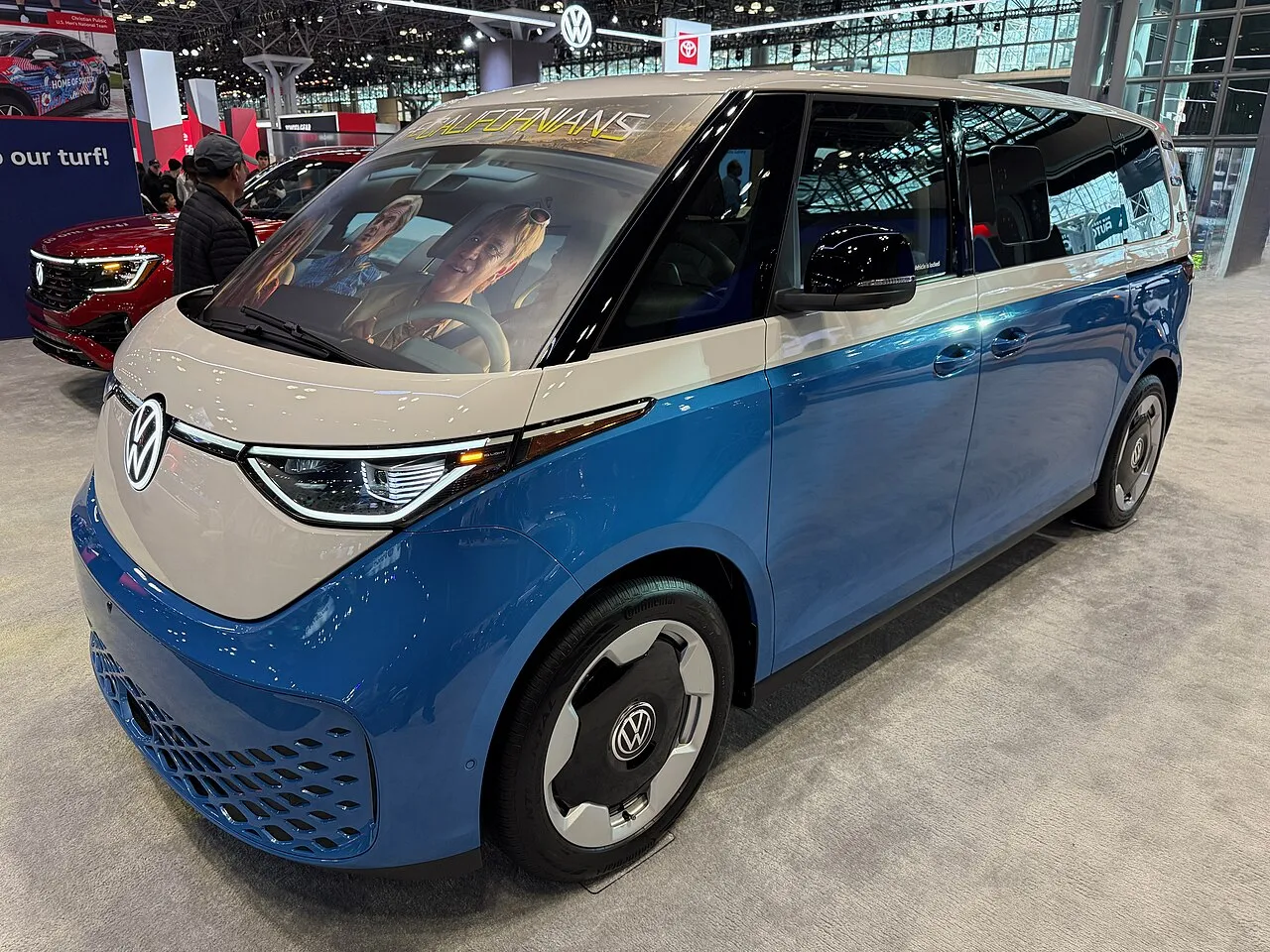
How the Volkswagen ID. Buzz Works for Everyday Use
The ID. Buzz pairs a van-like cabin with an electric drivetrain. Here is how its layout can shape passenger access, parking, cargo use and daily trips.
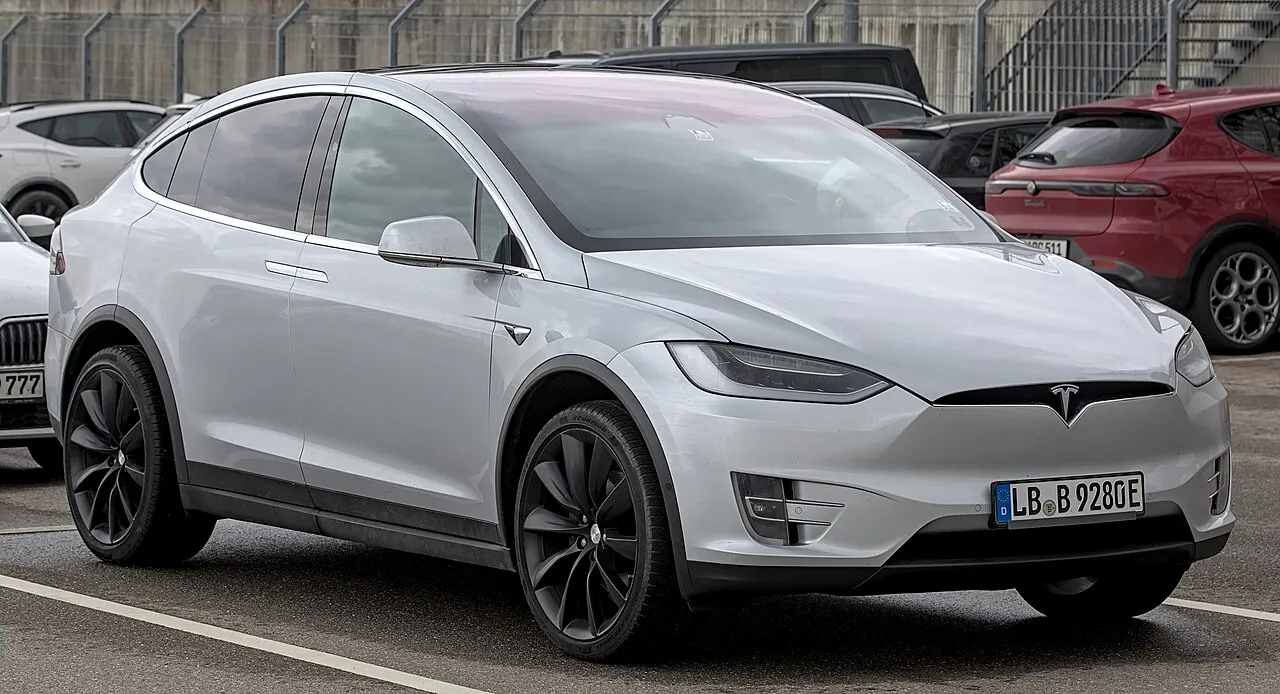
IONNA Opens 22-Bay California Hub, Adds Tesla Autocharge
IONNA opened its largest Rechargery in Westminster, California, with 22 bays and up to 400 kW charging, and enabled Tesla Autocharge across its network.
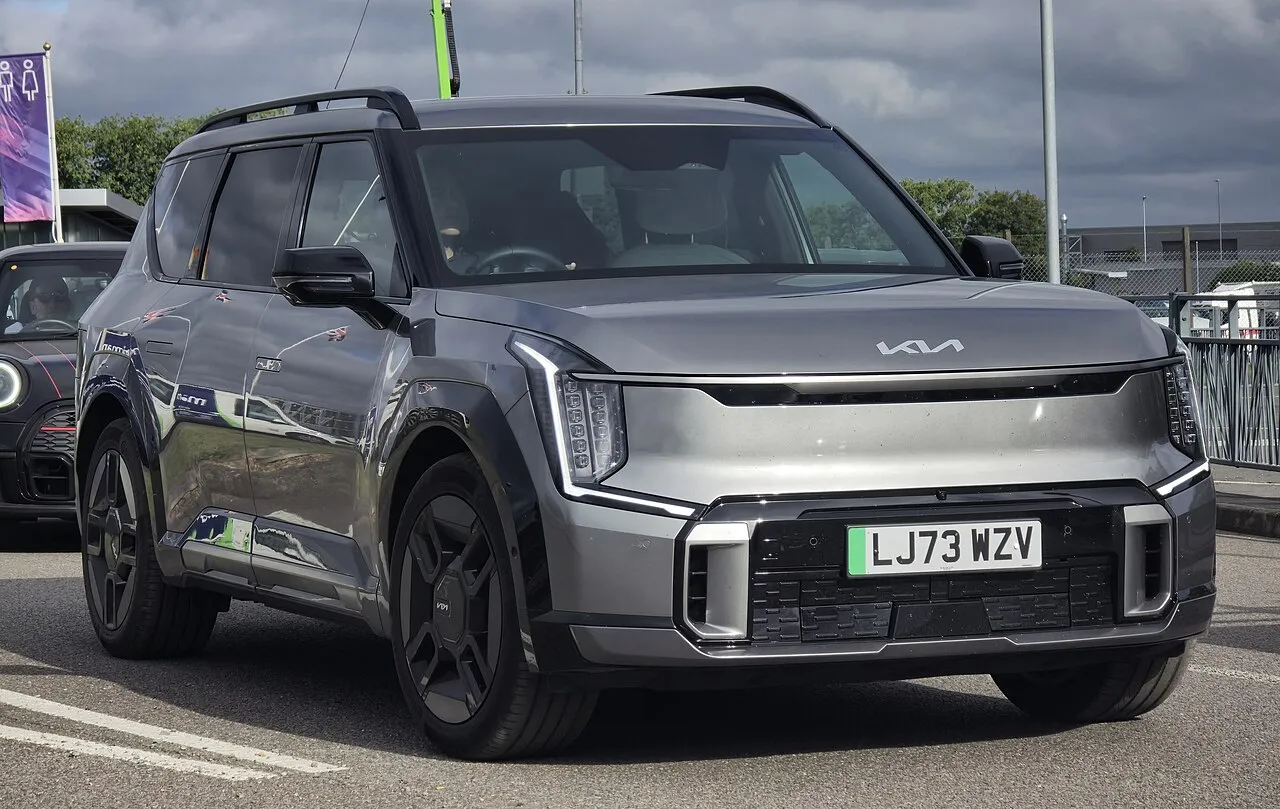
Kia EV9 vs. Volkswagen ID. Buzz: Which Fits a Large Family?
The EV9 offers three rows in an SUV, while the ID. Buzz brings minivan-style access. Compare family seating, cargo flexibility and published range.