How to Choose an EV When It’s Your Household’s Only Car
Compare home charging, everyday range flexibility, and service access to find an EV that can handle your household’s needs without a backup car.
All articles tagged with ev range, from practical guides to the latest updates.
Compare home charging, everyday range flexibility, and service access to find an EV that can handle your household’s needs without a backup car.
Compare an EV’s roof-load limit, approved mounting points and tent hardware before buying. Then account for added wind resistance, noise and energy use.
An EV’s gross battery capacity describes its full energy reserve; usable capacity is the portion the driver can draw on. Here’s how to compare the terms.
Estimate towing range from your vehicle’s normal range, then adjust for trailer shape, speed, weather and hills. Use the result to plan charging stops.
Plan an EV evacuation around the full route, charging options, passenger and cargo needs, and a backup plan for outages or road closures.
Compare EVs by how well their charging fits each driver's commute, departure time and battery needs, then build a routine that leaves both cars ready.
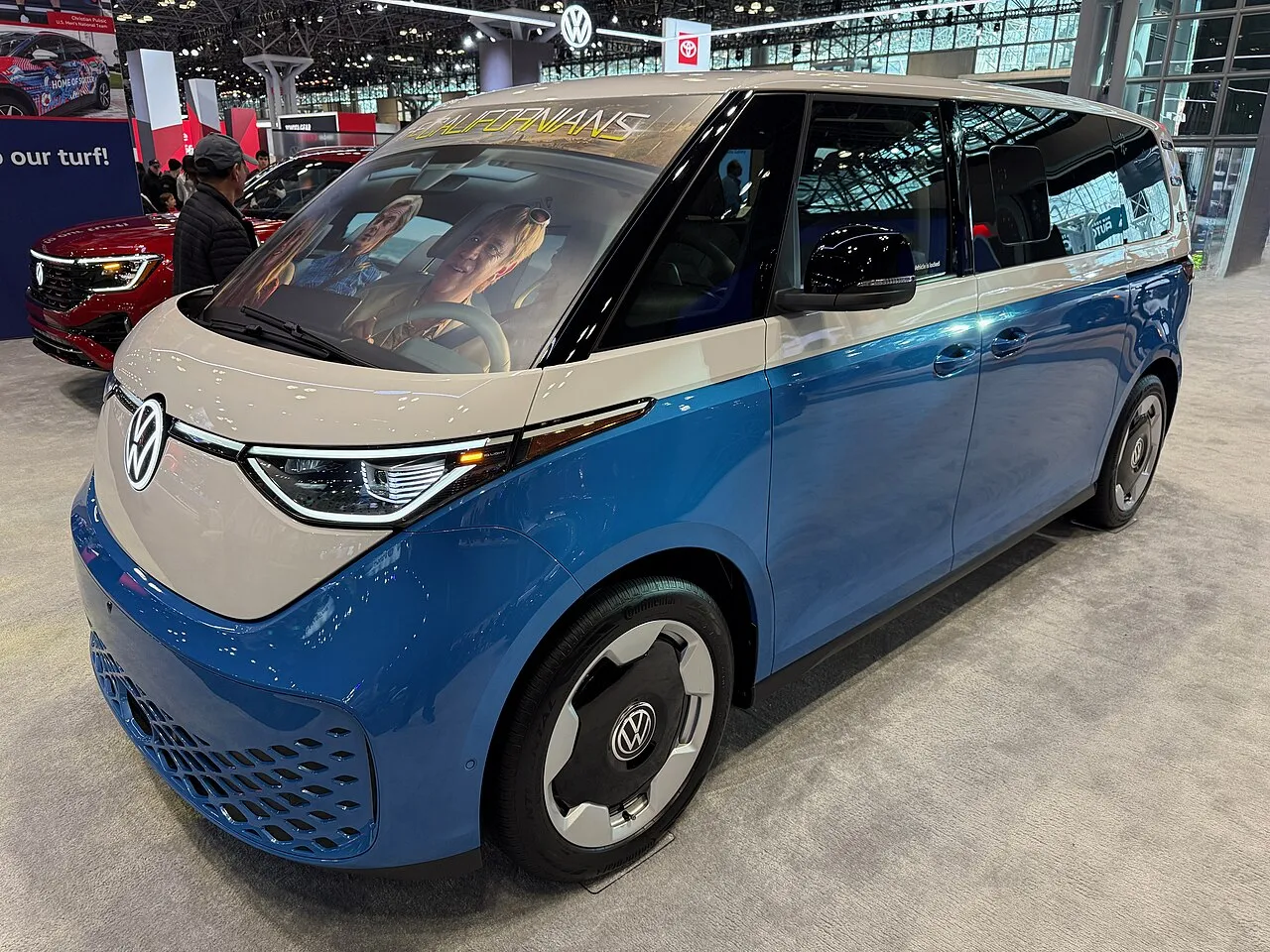
The ID. Buzz pairs a van-like cabin with an electric drivetrain. Here is how its layout can shape passenger access, parking, cargo use and daily trips.
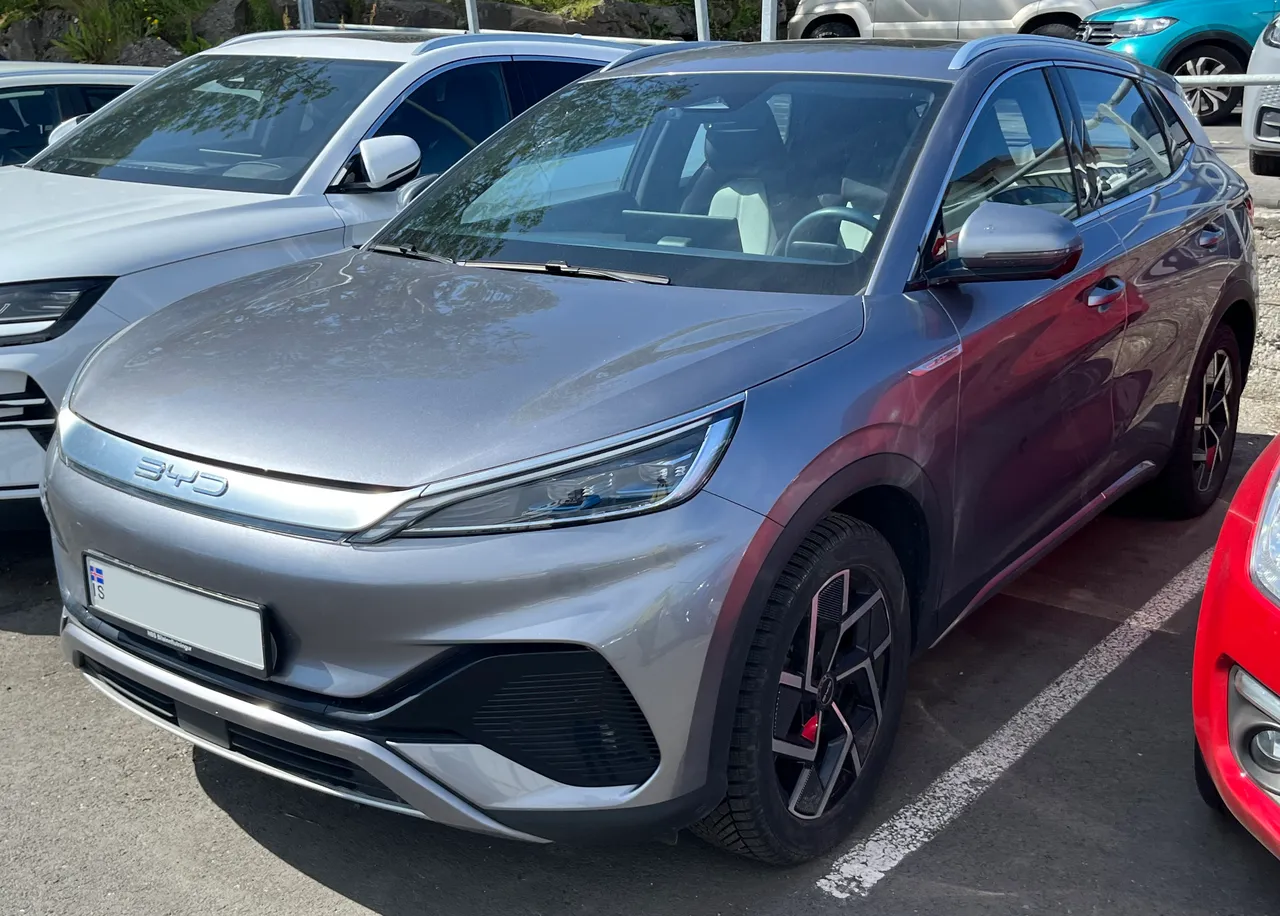
The Kia EV3 and BYD ATTO 3 suit different daily needs. Compare market-specific range figures, dimensions and charging, then check cargo access and fit in person.
Choose an EV around the charging access you can count on at both homes. Range, charging routines and a backup plan matter when your parking may change.