How to Tell Whether an EV Needs All-Wheel Drive
All-wheel drive can help an EV accelerate on slippery roads, but tires, local weather, hills and efficiency matter more than the badge alone.
All articles tagged with ev efficiency, from practical guides to the latest updates.
All-wheel drive can help an EV accelerate on slippery roads, but tires, local weather, hills and efficiency matter more than the badge alone.
Estimate home charging from your routine miles and your EV’s efficiency, then use charger power to gauge how long replacing that electricity may take.
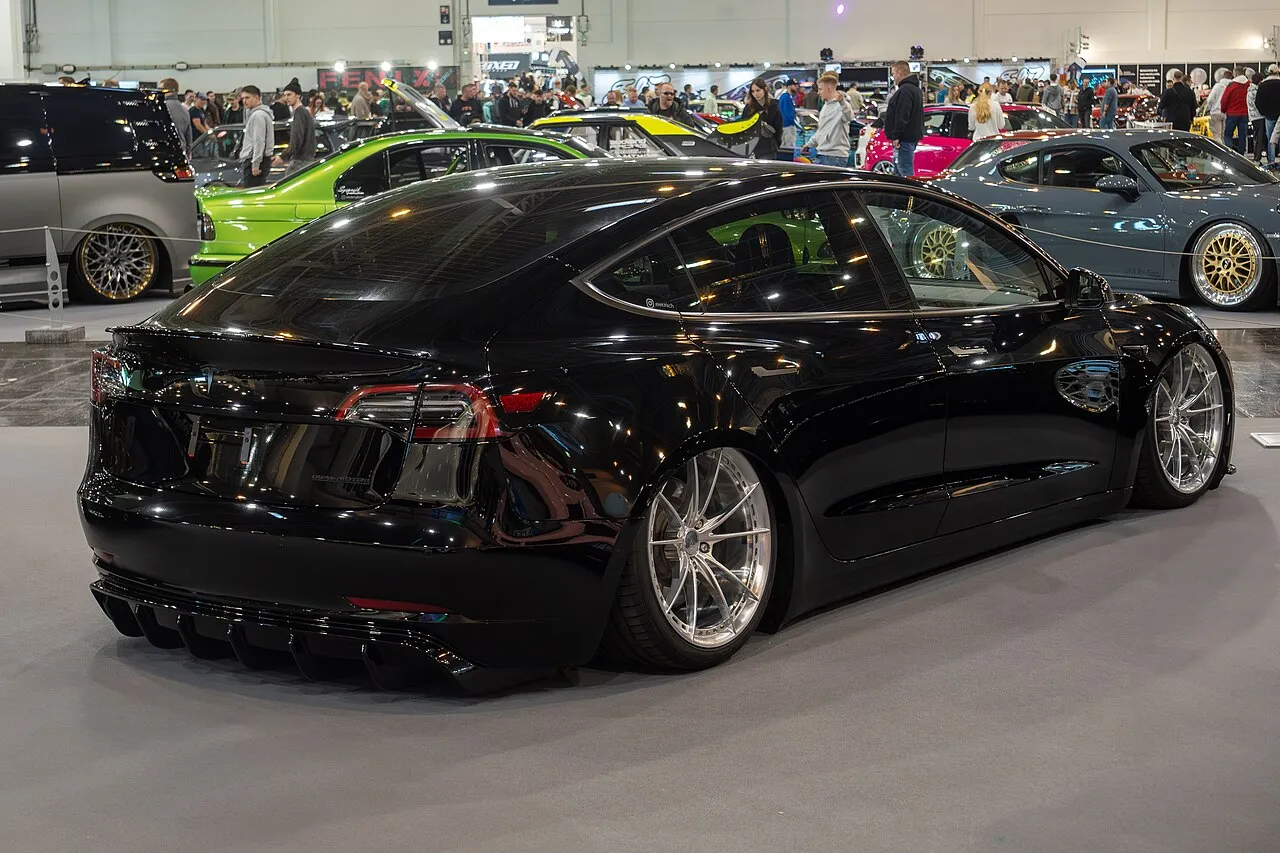
Ride height can change how air moves beneath an EV, affecting aerodynamic drag at highway speeds. Here’s why suspension settings matter and what they can’t fix.
EV efficiency figures can describe energy leaving the battery or energy reaching the tires. Understanding the difference helps explain what each number measures.
Compare an EV’s range, efficiency, ride, and charging around the trips you actually make. A mixed routine calls for more than one headline number.
On short winter drives, an EV can spend a large share of its energy warming the cabin and battery. Frequent stops mean less distance to spread that energy across.
A car’s frontal area sets how much air it meets, but its shape and airflow determine how smoothly that air moves around and behind it.
Recurrent’s study of more than 59,000 EVs puts Polestar first among automakers for winter range retention, while Tesla models lead its individual-car rankings.
Frequent short trips can make cabin heating and battery temperature more visible in an EV’s energy use. Here is what to consider when choosing one.