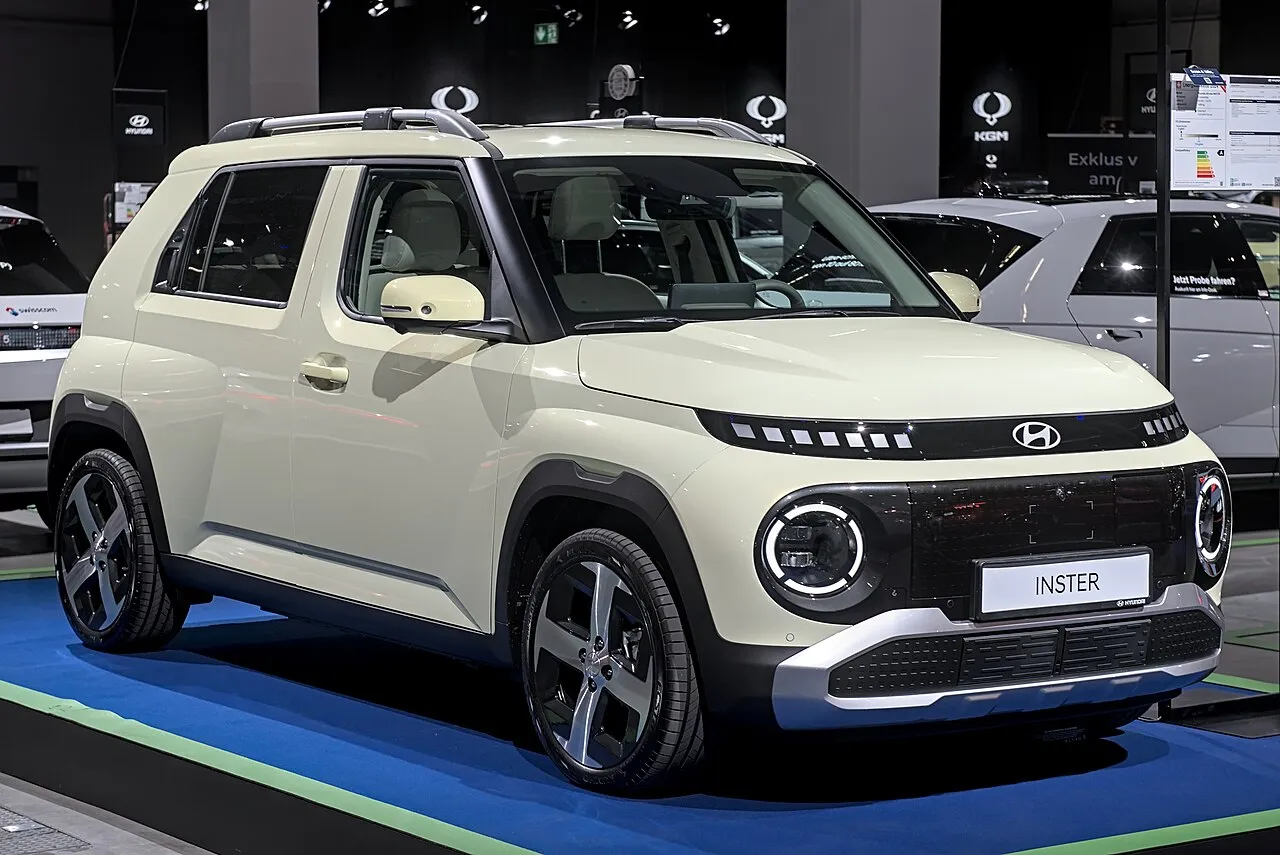
Volvo EX30 vs Hyundai INSTER: Which Is the Better First EV?
The Hyundai INSTER is the smaller, city-focused choice; the Volvo EX30 offers more range in several published versions. Their figures use different markets and tests.
Specifications by market and model year, charging data, pricing, launch timing and every related story for the Volvo EX40.
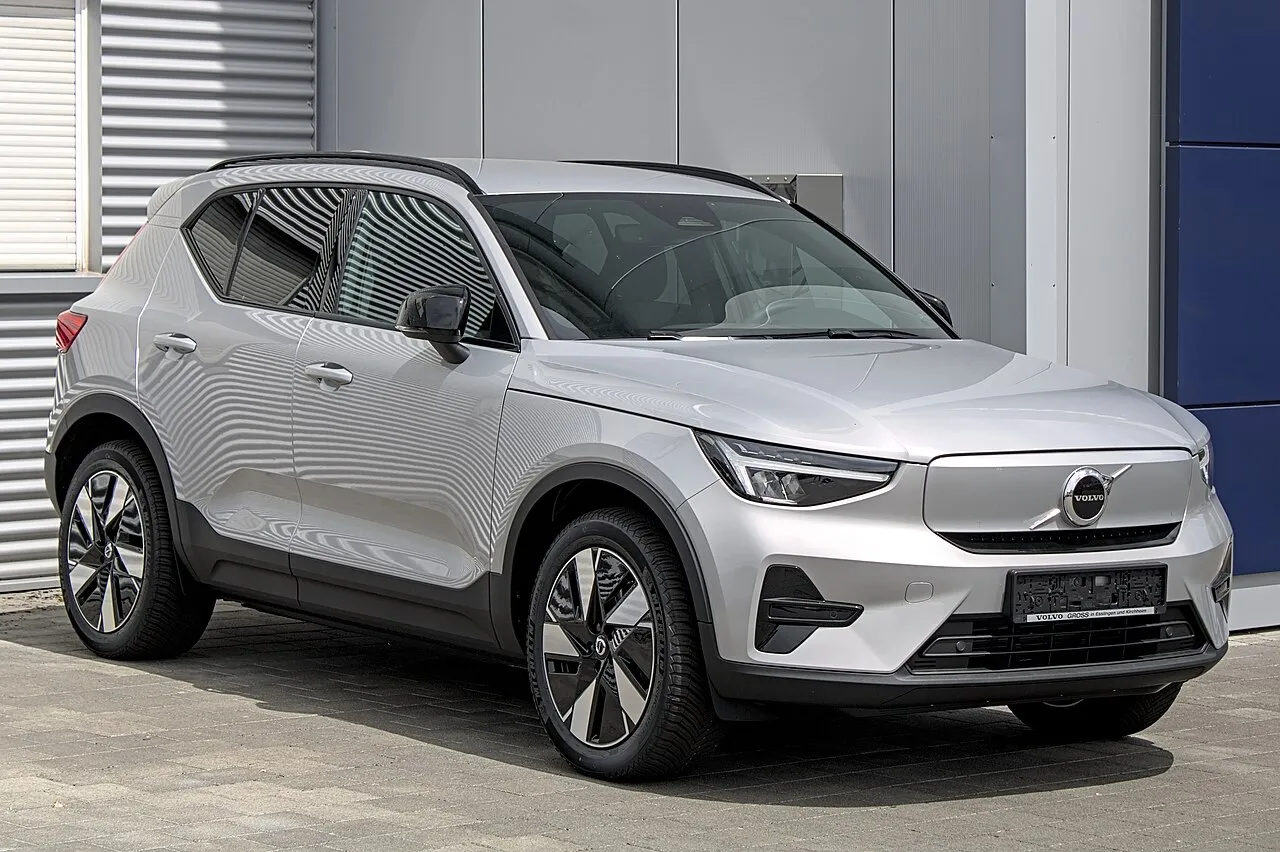
Photo: Alexander-93 · CC BY-SA 4.0
| Brand | Volvo |
|---|---|
| Model | EX40 |
| Body style | SUV |
| Powertrain | Battery electric (BEV) |
| Range | 296 mi (476 km) (EPA)Primary version shown; see tables below for every market and version. |
Battery capacity and type by version. Gross and usable capacity are listed separately where published.
| Version | Gross capacity | Usable capacity | Chemistry |
|---|---|---|---|
| Europe · 2025 · Base | 78 kWh | 69 kWh | NMC |
| Europe · 2025 · Base Twin Motor | 78 kWh | 69 kWh | NMC |
| Europe · 2025 · Single Motor Extended Range | 78 kWh | 75 kWh | NMC |
| Europe · 2025 · Twin Motor | 82 kWh | 78 kWh | NMC |
Rated range with its test standard. EPA, WLTP and CLTC figures are not directly comparable.
| Version | Rated range | Test standard |
|---|---|---|
| US · 2026 | 296 mi (476 km) | EPA |
| US · 2026 · Twin | 260 mi (418 km) | EPA |
| Canada · 2026 | 476 km (296 mi) | NRCan |
| Canada · 2026 · Twin | 418 km (260 mi) | NRCan |
| Europe · 2025 · Base | 425 km (264 mi) | WLTP |
| Europe · 2025 · Base Twin Motor | 418 km (260 mi) | WLTP |
| Europe · 2025 · Single Motor Extended Range | 515 km (320 mi) | WLTP |
| Europe · 2025 · Twin Motor | 460 km (286 mi) | WLTP |
Peak charging power and published charging times. Real-world speed depends on charger, temperature and state of charge.
| Version | AC on-board charger | DC peak power | Level 2 full charge | Connector |
|---|---|---|---|---|
| US · 2026 | — | — | 8 h | — |
| US · 2026 · Twin | — | — | 8 h | — |
| Canada · 2026 | — | — | 8 h | — |
| Canada · 2026 · Twin | — | — | 8 h | — |
| Europe · 2025 · Base | 11 kW · 3-phase | 150 kW | — | CCS2 |
| Europe · 2025 · Base Twin Motor | 11 kW · 3-phase | 150 kW | — | CCS2 |
| Europe · 2025 · Single Motor Extended Range | 11 kW | 200 kW | — | — |
| Europe · 2025 · Twin Motor | 11 kW | 200 kW | — | — |
Drive layout and output by version.
| Version | Drive | Motors | Power | Torque | 0–100 km/h | Top speed |
|---|---|---|---|---|---|---|
| US · 2026 | RWD | 1 | — | — | — | — |
| US · 2026 · Twin | AWD | 2 | — | — | — | — |
| Canada · 2026 | — | — | 185 kW (248 hp) | — | — | — |
| Canada · 2026 · Twin | — | — | 300 kW (402 hp) | — | — | — |
| Europe · 2025 · Base | FWD | 1 | 175 kW (235 hp) | 330 Nm | 7.4 s | 160 km/h (99 mph) |
| Europe · 2025 · Base Twin Motor | AWD | 2 | 300 kW (402 hp) | 660 Nm | 4.9 s | 180 km/h (112 mph) |
| Europe · 2025 · Single Motor Extended Range | RWD | — | 185 kW (248 hp) | 343 Nm | 7 s | 180 km/h (112 mph) |
| Europe · 2025 · Twin Motor | AWD | — | 300 kW (402 hp) | 660 Nm | 4.7 s | 180 km/h (112 mph) |
Exterior dimensions and weight in millimetres and kilograms.
| Version | Length | Width | Height | Wheelbase | Curb weight | Ground clearance | Cargo volume |
|---|---|---|---|---|---|---|---|
| Europe · 2025 · Base | 4,440 mm (174.8 in) | 1,863 mm (73.3 in) | 1,652 mm (65 in) | 2,702 mm (106.4 in) | 2,118 kg (4,669 lb) | — | — |
| Europe · 2025 · Base Twin Motor | 4,440 mm (174.8 in) | 1,863 mm (73.3 in) | 1,652 mm (65 in) | 2,702 mm (106.4 in) | 2,200 kg (4,850 lb) | — | — |
| Europe · 2025 · Single Motor Extended Range | 4,440 mm (174.8 in) | 1,873 mm (73.7 in) | 1,596 mm (62.8 in) | 2,702 mm (106.4 in) | 2,060 kg (4,541 lb) | 175 mm | 452 L (16 cu ft) |
| Europe · 2025 · Twin Motor | 4,440 mm (174.8 in) | 1,873 mm (73.7 in) | 1,596 mm (62.8 in) | 2,702 mm (106.4 in) | 2,188 kg (4,824 lb) | 175 mm | 452 L (16 cu ft) |
Official or reference prices by country, with currency and the date each price was checked. Prices exclude incentives unless stated.
| Version | Price | Country | Type | As of |
|---|---|---|---|---|
| Europe · 2025 · Single Motor Extended Range | €51,490 | DE | MSRP | Feb 10, 2026 |
| Europe · 2025 · Twin Motor | €58,990 | DE | MSRP | Feb 10, 2026 |
Global reveal and market launch dates are listed separately.
| Production start | 2020 |
|---|
For 2026, US EPA ratings are 296 miles for the rear-wheel-drive EX40 and 260 miles for the all-wheel-drive Twin. Natural Resources Canada rates the Canadian versions at 476 km and 418 km, respectively, under the NRCan standard. The 2025 European versions have WLTP ratings of 418–515 km, depending on version.
US EPA fueleconomy.gov and Natural Resources Canada each report an eight-hour Level 2 full charge for their respective 2026 versions. For the 2025 European versions, OpenEV Data and EVDB report 11 kW AC charging and peak DC charging of 150 or 200 kW, depending on version.
For the 2025 European versions, OpenEV Data reports a 78 kWh gross, 69 kWh usable NMC battery for the Base and Base Twin Motor. EVDB reports a 78 kWh gross, 75 kWh usable NMC battery for the Single Motor Extended Range and an 82 kWh gross, 78 kWh usable NMC battery for the Twin Motor.
The 2025 European versions are 4,440 mm long with a 2,702 mm wheelbase. OpenEV Data reports a width of 1,863 mm and height of 1,652 mm for the Base versions; EVDB reports 1,873 mm wide and 1,596 mm tall for the Single Motor Extended Range and Twin Motor.
The Hyundai INSTER is the smaller, city-focused choice; the Volvo EX30 offers more range in several published versions. Their figures use different markets and tests.
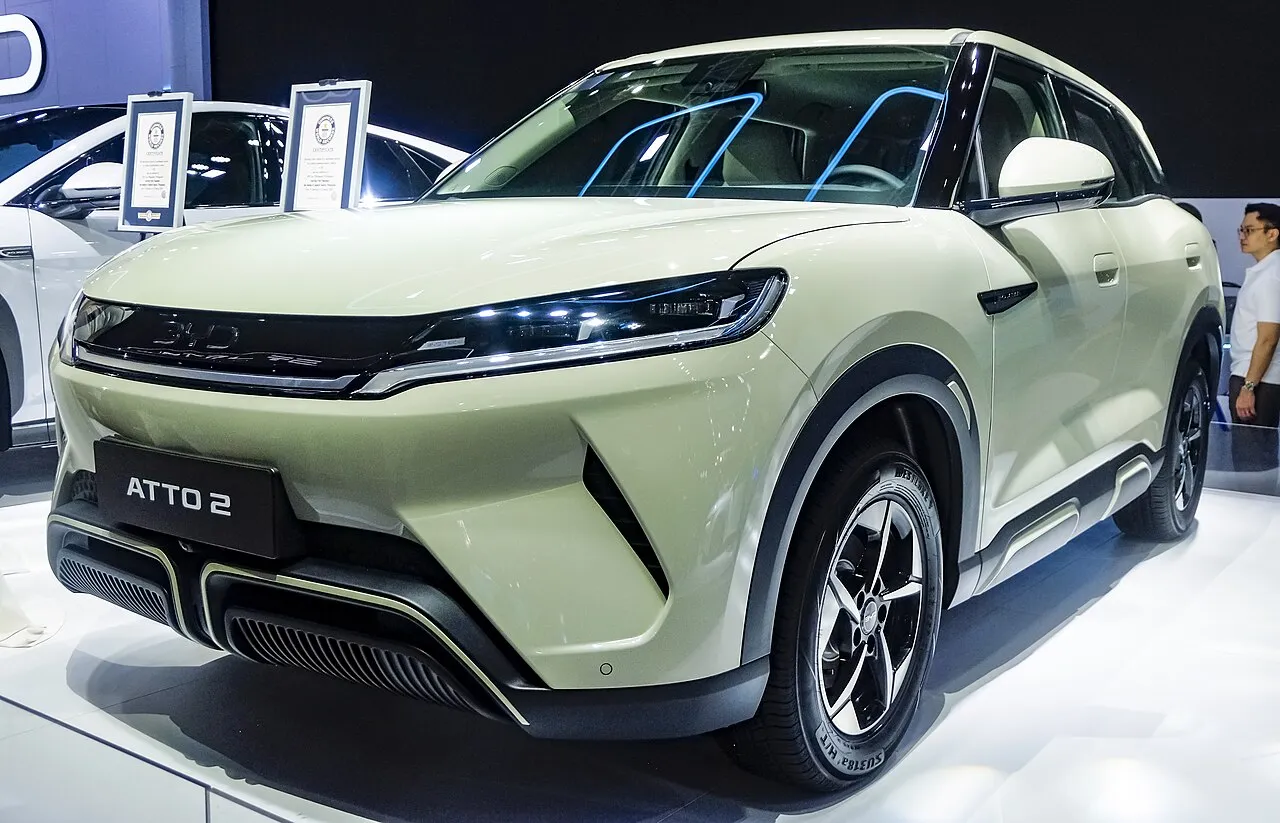
The ATTO 2 is taller and longer; the EX30 is shorter with a longer wheelbase. Compare access, battery choices and charging by market and test cycle.
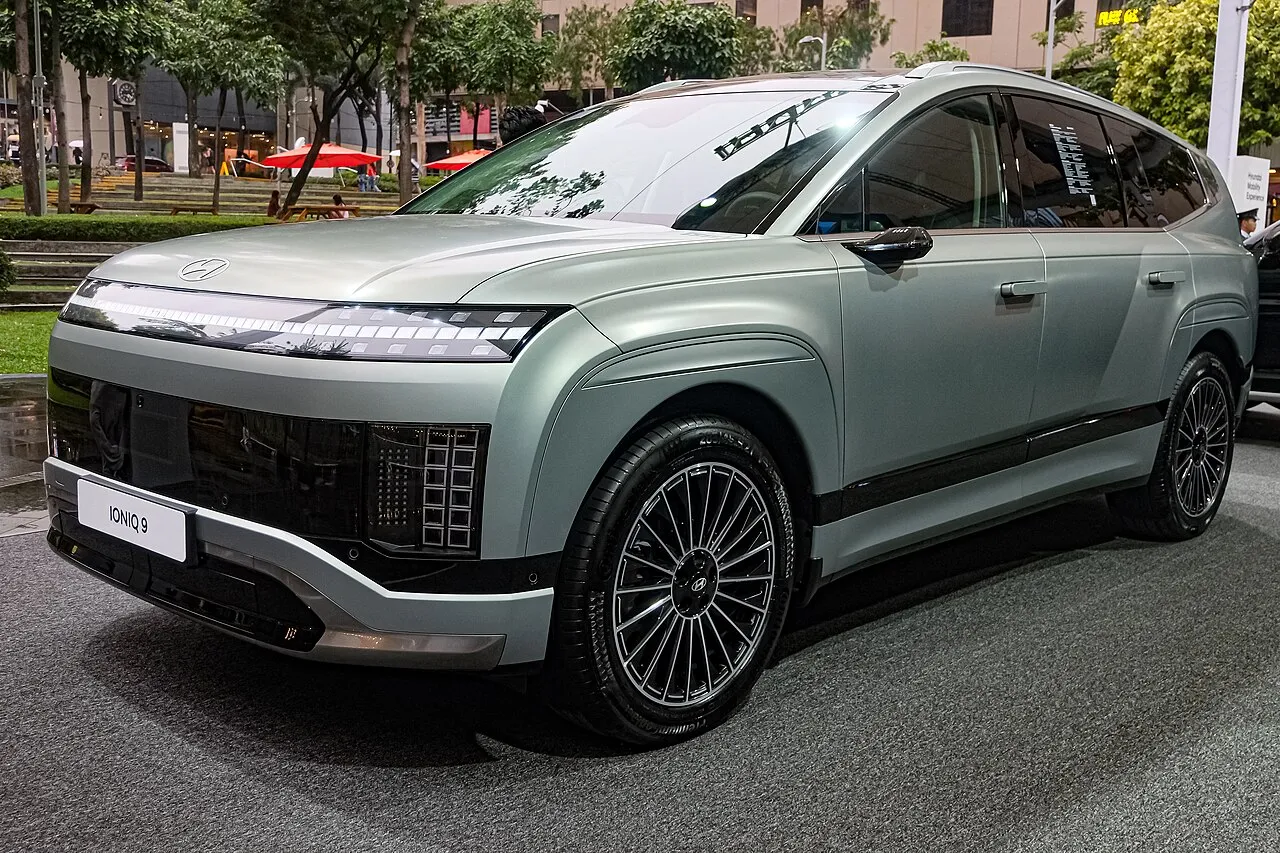
The IONIQ 9 leads on US EPA range, while the EX90 has shorter reported Level 2 charge times. Seating and cargo needs require a closer look.
Compare the Volvo EX40 and EC40 for rear-seat comfort, bulky luggage, rearward visibility and rated range, with the key differences explained for shoppers.
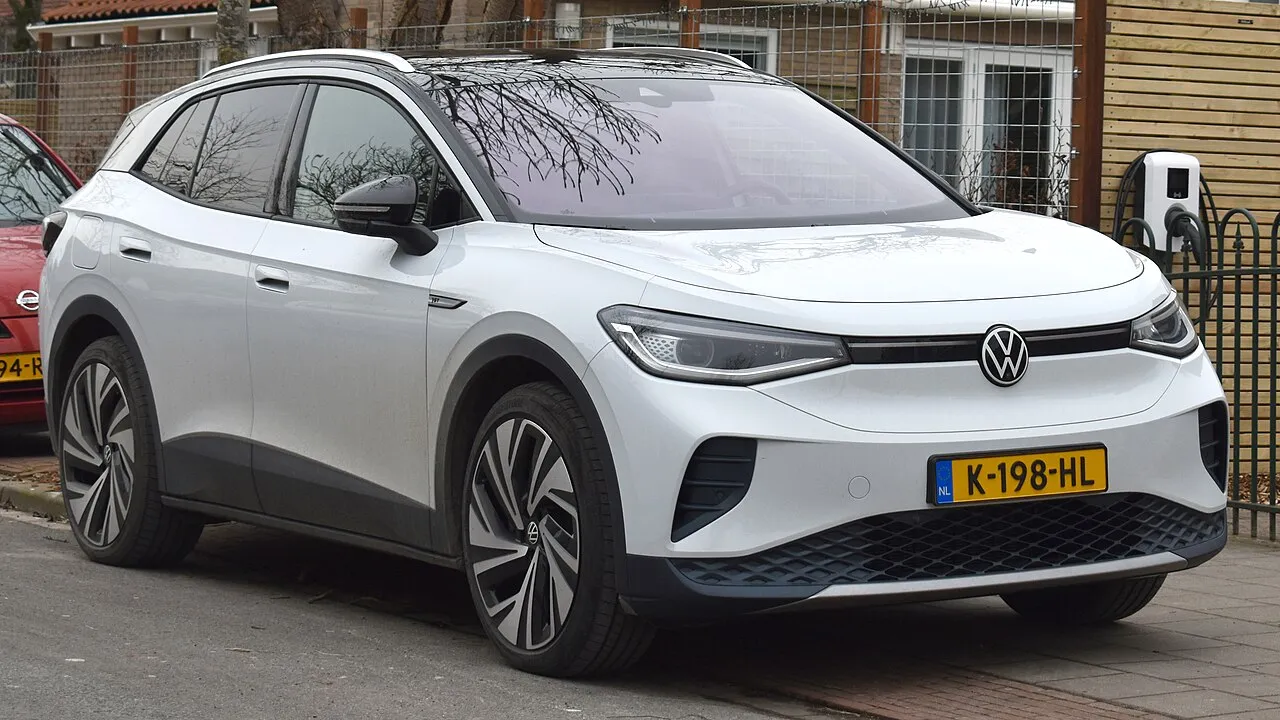
Compare the Volvo EX40 and Volkswagen ID.4 for family use, with a closer look at seating access, useful storage, cargo fit, range and charging differences.
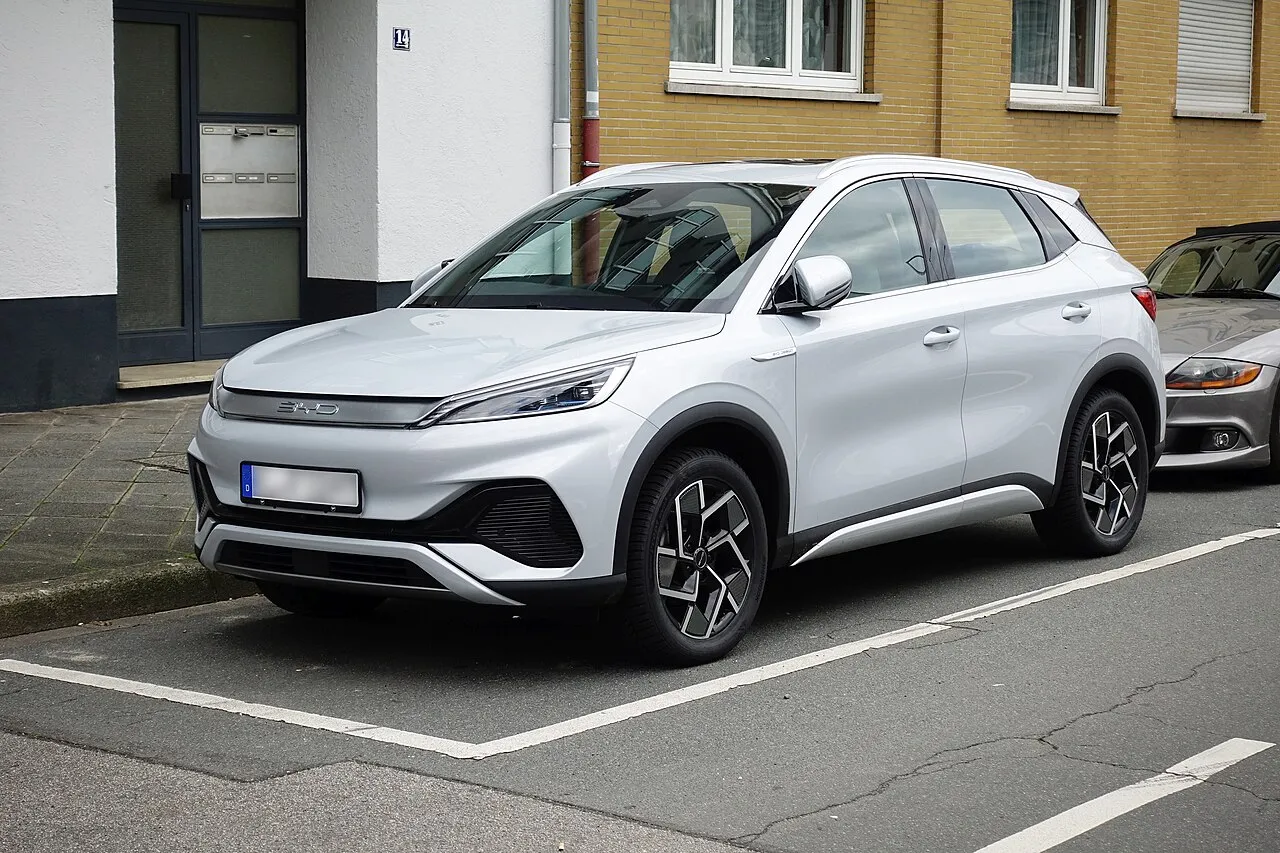
Compare the BYD ATTO 3 and Volvo EX40 by market, model year, range rating and charging capability, with a clear look at what their dimensions cannot tell you.
Compare electric SUVs by US EPA range, European WLTP range, battery capacity, charging figures and size to find a model that fits your driving and parking needs.
Compare Volvo's electric SUVs by EPA range and home charging time, then see how European battery and charging figures inform the choice.
Data sources: Natural Resources Canada, OpenEV Data, EVDB, Open EV Data (Kilowatt), US EPA fueleconomy.gov. Includes data from Open EV Data (https://github.com/KilowattApp/open-ev-data). OpenEV Data is licensed under CDLA-Permissive-2.0. EVDB (https://github.com/gaia-charge/evdb) is licensed under CC BY-SA 4.0. Spot an error? Tell us →