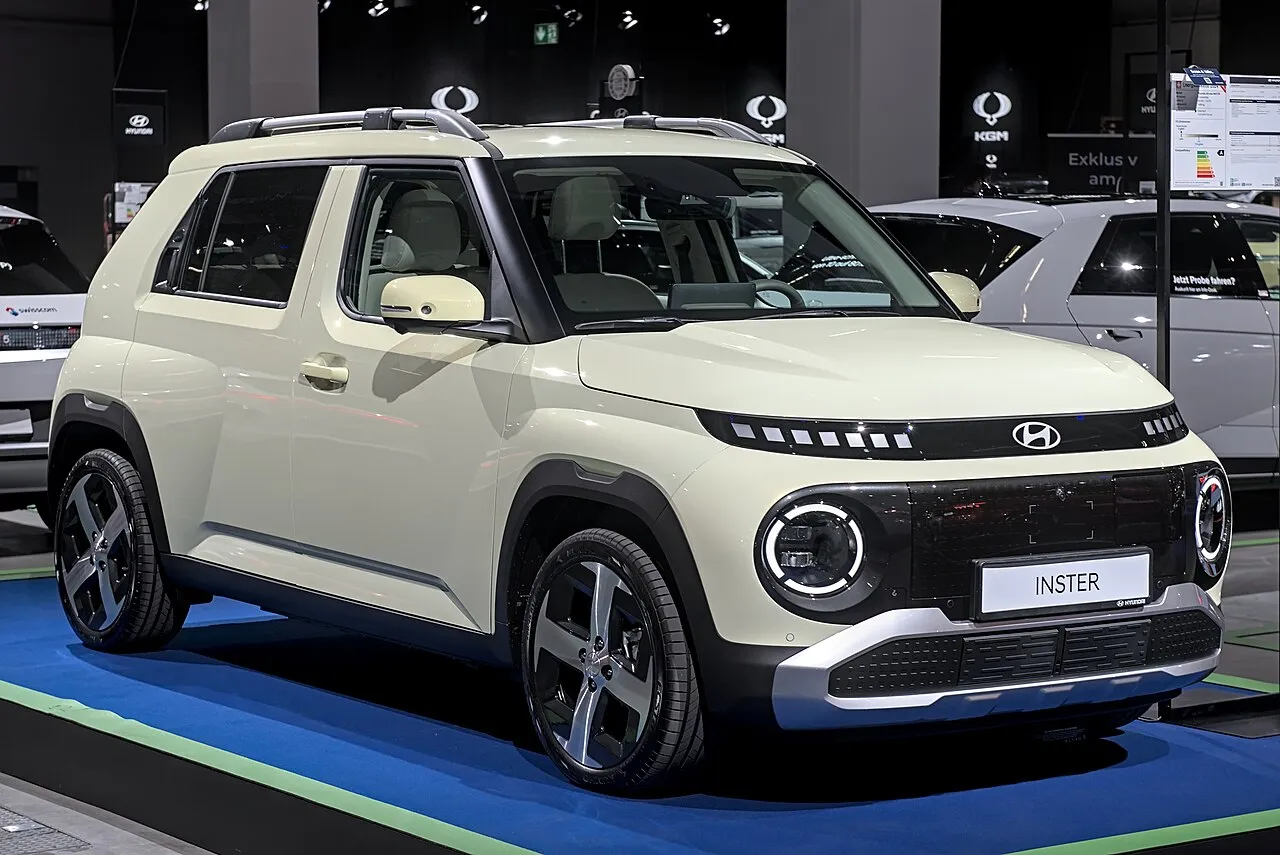
Volvo EX30 vs Hyundai INSTER: Which Is the Better First EV?
The Hyundai INSTER is the smaller, city-focused choice; the Volvo EX30 offers more range in several published versions. Their figures use different markets and tests.
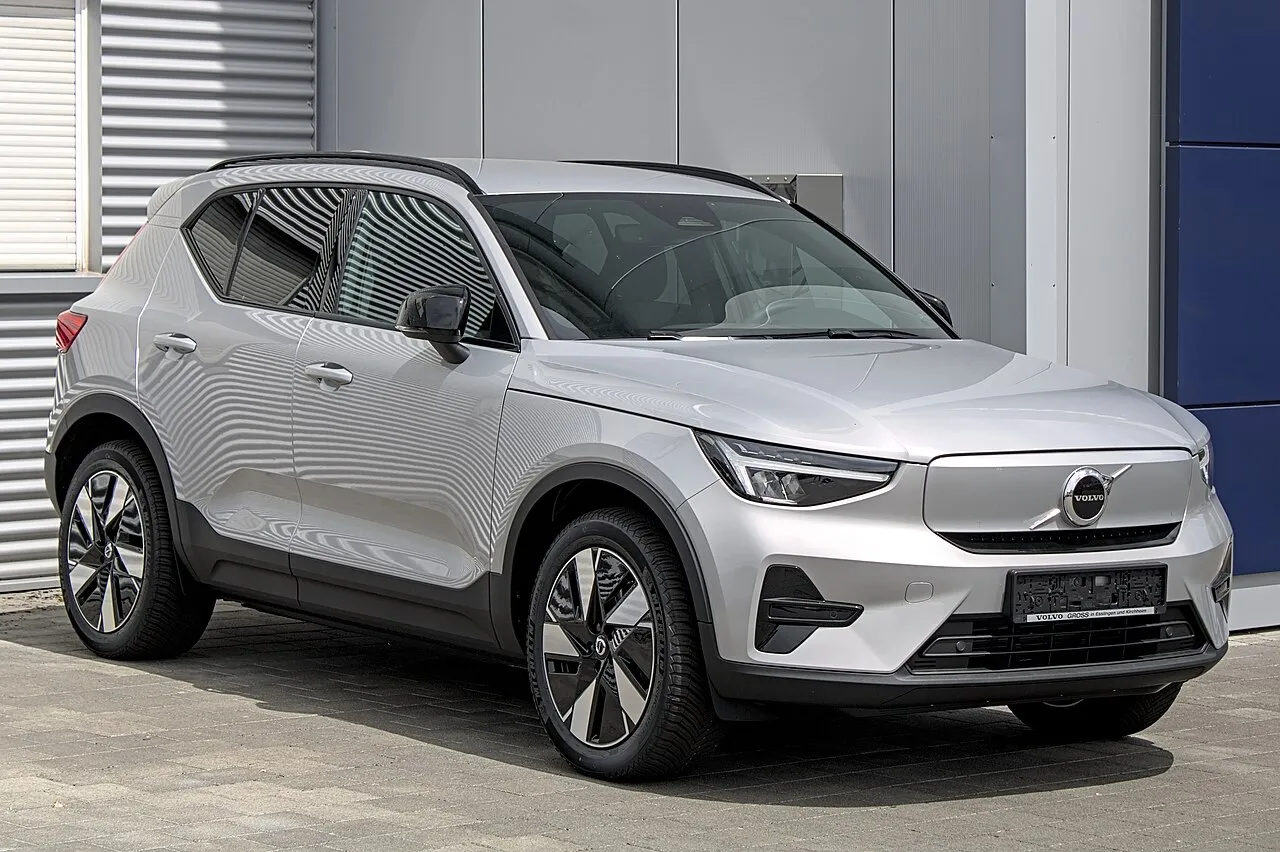
Specifications by market and model year, charging data, pricing, launch timing and every related story for the Volvo EC40.
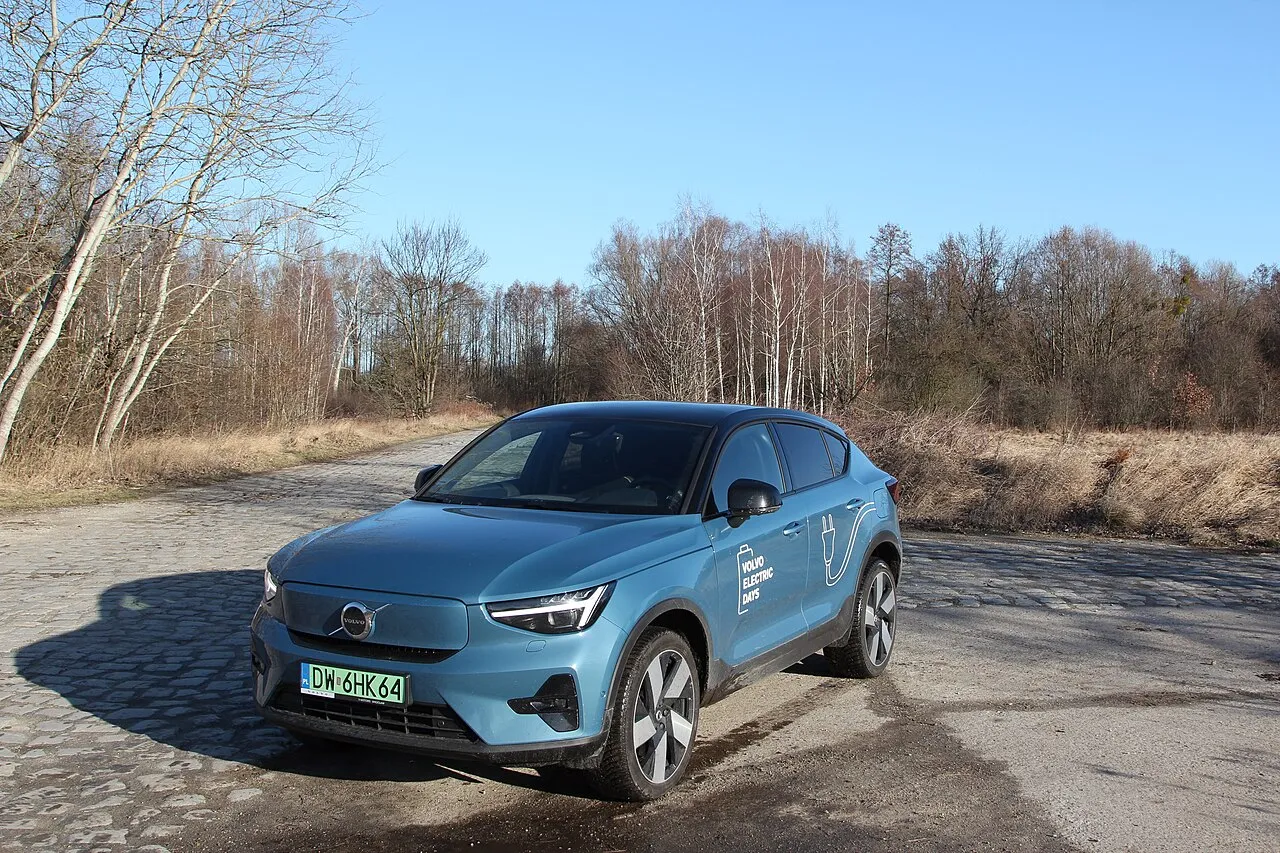
Photo: Fallaner · CC BY-SA 4.0
| Brand | Volvo |
|---|---|
| Model | EC40 |
| Body style | SUV |
| Powertrain | Battery electric (BEV) |
| Range | 298 mi (479 km) (EPA)Primary version shown; see tables below for every market and version. |
Battery capacity and type by version. Gross and usable capacity are listed separately where published.
| Version | Gross capacity | Usable capacity | Chemistry |
|---|---|---|---|
| Europe · 2025 · Base | 78 kWh | 69 kWh | NMC |
| Europe · 2025 · Base Twin Motor | 78 kWh | 69 kWh | NMC |
| Europe · 2025 · Single Motor Extended Range | 82 kWh | 79 kWh | NMC |
Rated range with its test standard. EPA, WLTP and CLTC figures are not directly comparable.
| Version | Rated range | Test standard |
|---|---|---|
| US · 2026 | 298 mi (479 km) | EPA |
| US · 2026 · Twin | 268 mi (431 km) | EPA |
| Canada · 2026 | 480 km (298 mi) | NRCan |
| Canada · 2026 · Twin | 431 km (268 mi) | NRCan |
| Europe · 2025 · Base | 420 km (261 mi) | WLTP |
| Europe · 2025 · Base Twin Motor | 413 km (257 mi) | WLTP |
| Europe · 2025 · Single Motor Extended Range | 590 km (367 mi) | WLTP |
Peak charging power and published charging times. Real-world speed depends on charger, temperature and state of charge.
| Version | AC on-board charger | DC peak power | Level 2 full charge | Connector |
|---|---|---|---|---|
| US · 2026 | — | — | 8 h | — |
| US · 2026 · Twin | — | — | 8 h | — |
| Canada · 2026 | — | — | 8 h | — |
| Canada · 2026 · Twin | — | — | 8 h | — |
| Europe · 2025 · Base | 11 kW · 3-phase | 150 kW | — | CCS2 |
| Europe · 2025 · Base Twin Motor | 11 kW · 3-phase | 150 kW | — | CCS2 |
| Europe · 2025 · Single Motor Extended Range | 11 kW | 200 kW | — | — |
Drive layout and output by version.
| Version | Drive | Motors | Power | Torque | 0–100 km/h | Top speed |
|---|---|---|---|---|---|---|
| US · 2026 | RWD | 1 | — | — | — | — |
| US · 2026 · Twin | AWD | 2 | — | — | — | — |
| Canada · 2026 | — | — | 185 kW (248 hp) | — | — | — |
| Canada · 2026 · Twin | — | — | 300 kW (402 hp) | — | — | — |
| Europe · 2025 · Base | FWD | 1 | 175 kW (235 hp) | 330 Nm | 7.4 s | 160 km/h (99 mph) |
| Europe · 2025 · Base Twin Motor | AWD | 2 | 300 kW (402 hp) | 660 Nm | 4.7 s | 180 km/h (112 mph) |
| Europe · 2025 · Single Motor Extended Range | RWD | — | 200 kW (268 hp) | 343 Nm | 6.7 s | 180 km/h (112 mph) |
Exterior dimensions and weight in millimetres and kilograms.
| Version | Length | Width | Height | Wheelbase | Curb weight | Ground clearance | Cargo volume |
|---|---|---|---|---|---|---|---|
| Europe · 2025 · Base | 4,440 mm (174.8 in) | 1,863 mm (73.3 in) | 1,591 mm (62.6 in) | 2,702 mm (106.4 in) | 2,100 kg (4,630 lb) | — | — |
| Europe · 2025 · Base Twin Motor | 4,440 mm (174.8 in) | 1,863 mm (73.3 in) | 1,591 mm (62.6 in) | 2,702 mm (106.4 in) | 2,180 kg (4,806 lb) | — | — |
| Europe · 2025 · Single Motor Extended Range | 4,440 mm (174.8 in) | 1,873 mm (73.7 in) | 1,596 mm (62.8 in) | 2,702 mm (106.4 in) | 2,070 kg (4,564 lb) | 175 mm | 413 L (14.6 cu ft) |
Official or reference prices by country, with currency and the date each price was checked. Prices exclude incentives unless stated.
| Version | Price | Country | Type | As of |
|---|---|---|---|---|
| Europe · 2025 · Single Motor Extended Range | €49,950 | DE | MSRP | Feb 10, 2026 |
Global reveal and market launch dates are listed separately.
| Production start | 2021 |
|---|
For 2026, US EPA ratings are 298 miles for the rear-wheel-drive version and 268 miles for the all-wheel-drive Twin. Natural Resources Canada rates the Canadian versions at 480 km and 431 km under the NRCan standard. In Europe, 2025 WLTP ratings are 420 km for Base, 413 km for Base Twin Motor, and 590 km for Single Motor Extended Range.
The 2026 US versions each have an eight-hour Level 2 full-charge time. OpenEV Data gives the European 2025 Base models 11 kW AC charging and 150 kW peak DC charging; EVDB gives the Single Motor Extended Range 11 kW AC and 200 kW peak DC charging.
For Europe in 2025, OpenEV Data reports a 78 kWh gross, 69 kWh usable NMC battery in both Base models. EVDB reports an 82 kWh gross, 79 kWh usable NMC battery in the Single Motor Extended Range.
The European 2025 versions are 4,440 mm long with a 2,702 mm wheelbase. OpenEV Data reports the Base models at 1,863 mm wide and 1,591 mm tall; EVDB reports the Single Motor Extended Range at 1,873 mm wide and 1,596 mm tall.
The Hyundai INSTER is the smaller, city-focused choice; the Volvo EX30 offers more range in several published versions. Their figures use different markets and tests.
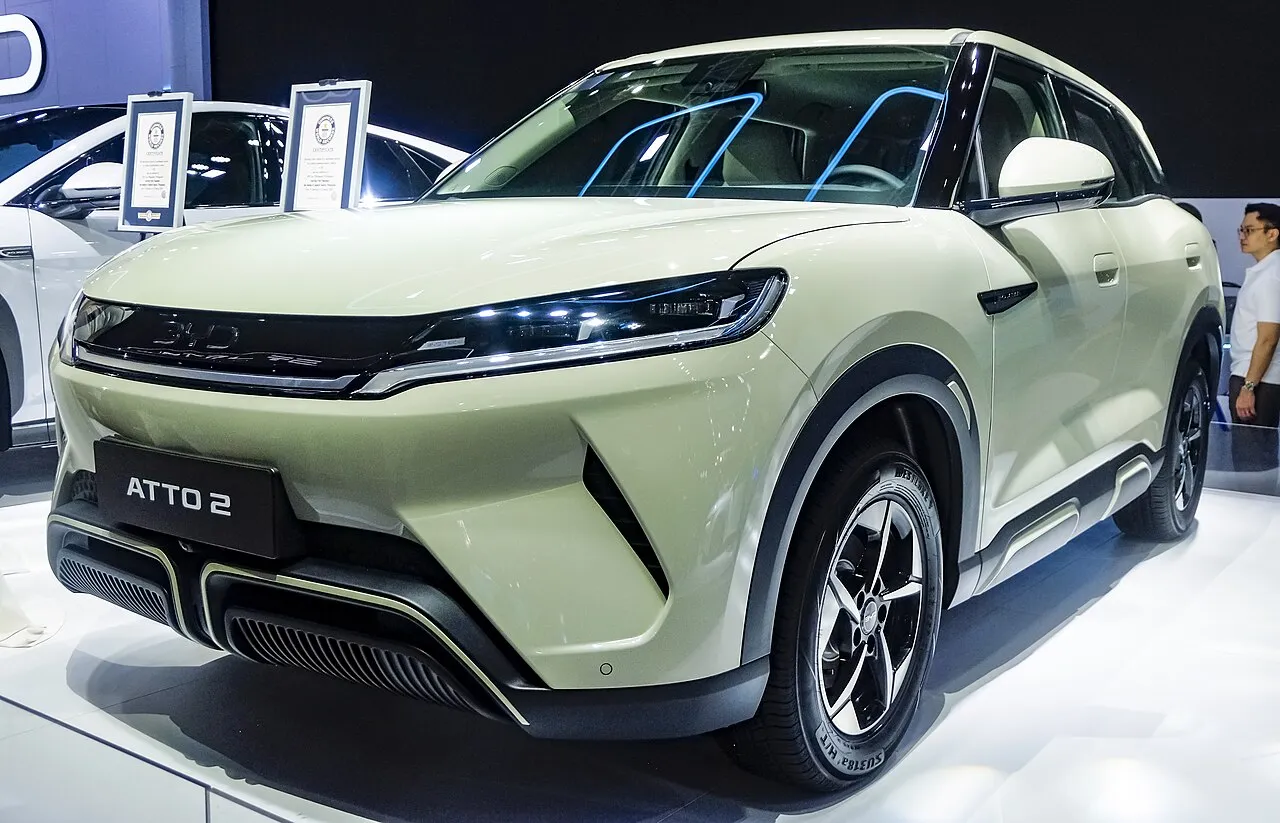
The ATTO 2 is taller and longer; the EX30 is shorter with a longer wheelbase. Compare access, battery choices and charging by market and test cycle.
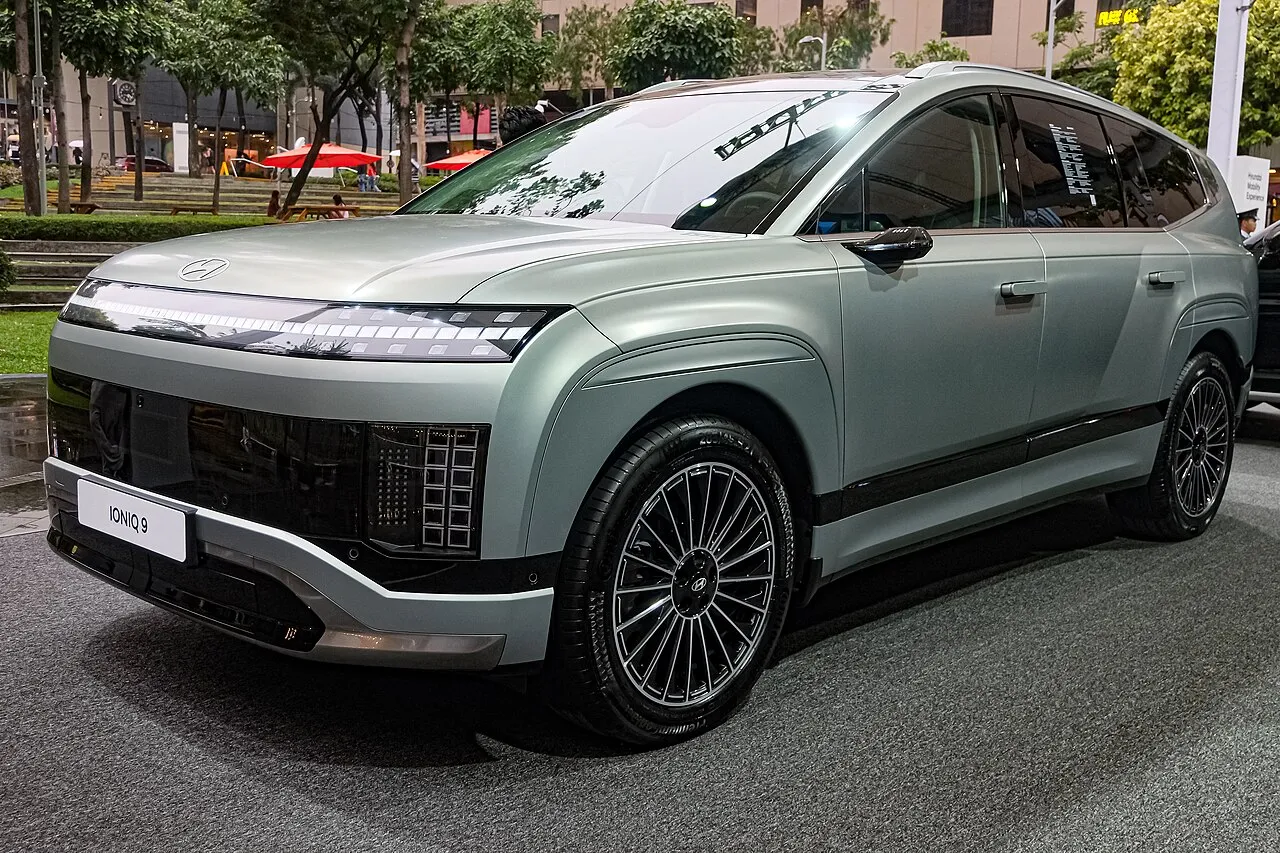
The IONIQ 9 leads on US EPA range, while the EX90 has shorter reported Level 2 charge times. Seating and cargo needs require a closer look.
Compare the Volvo EX40 and EC40 for rear-seat comfort, bulky luggage, rearward visibility and rated range, with the key differences explained for shoppers.
The Tesla Model Y leads this US EPA range ranking. Compare all ten electric SUVs, their longest-range trims, entry prices and Level 2 charging trade-offs.
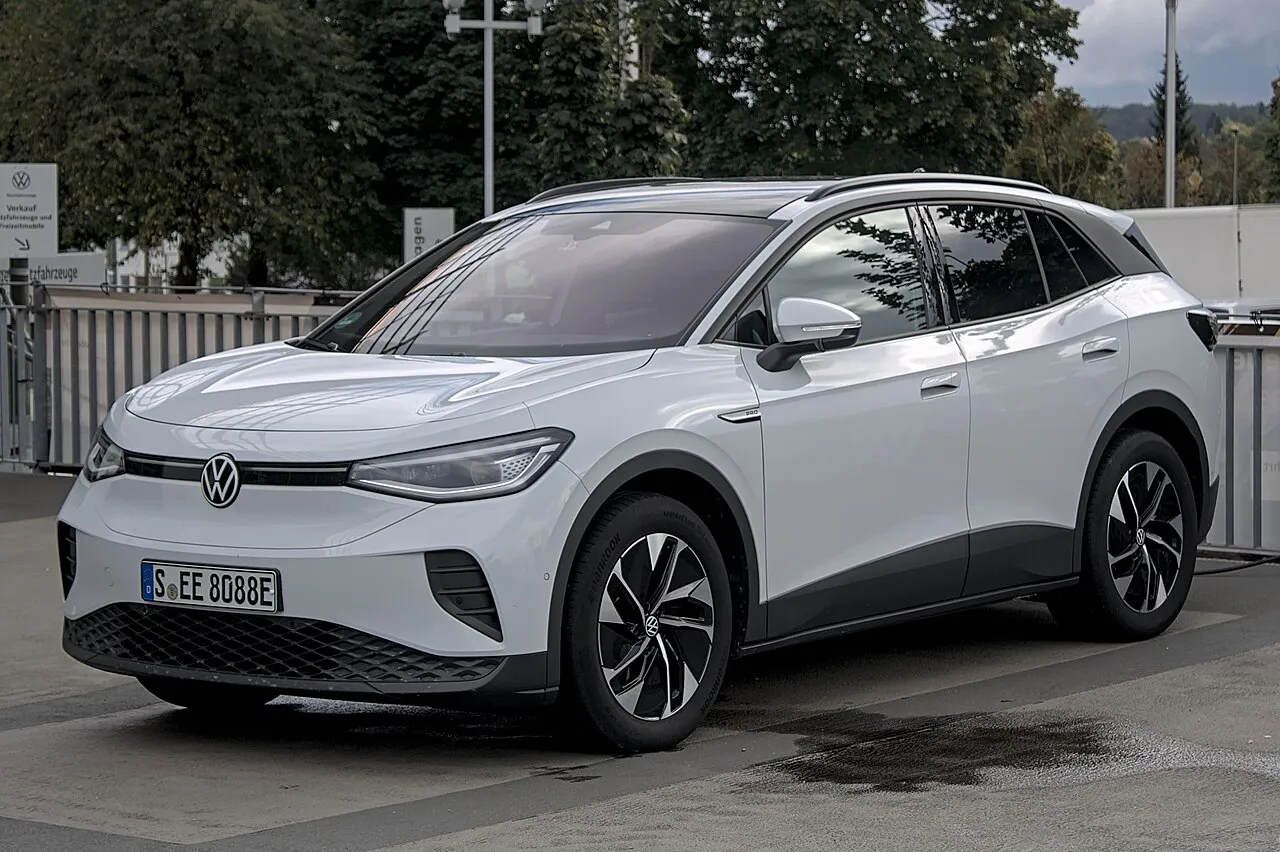
Compare the Volkswagen ID.5 and Volvo EC40 on rear-seat comfort, rearward visibility and luggage space, and learn what exterior dimensions cannot reveal.
Compare electric SUVs by US EPA range, European WLTP range, battery capacity, charging figures and size to find a model that fits your driving and parking needs.
Compare Volvo's electric SUVs by EPA range and home charging time, then see how European battery and charging figures inform the choice.
Data sources: Natural Resources Canada, OpenEV Data, EVDB, Open EV Data (Kilowatt), US EPA fueleconomy.gov. Includes data from Open EV Data (https://github.com/KilowattApp/open-ev-data). OpenEV Data is licensed under CDLA-Permissive-2.0. EVDB (https://github.com/gaia-charge/evdb) is licensed under CC BY-SA 4.0. Spot an error? Tell us →