2027 Haval H7 PHEV Brings 137km Range for Under $50,000
GWM’s Haval H7 PHEV pairs 137km of WLTP electric range with 320kW and all-wheel drive, undercutting key Australian rivals on price.
Rated versus real-world range, what affects it, and how EPA, WLTP and CLTC figures compare.
News, explainers and expert context.
GWM’s Haval H7 PHEV pairs 137km of WLTP electric range with 320kW and all-wheel drive, undercutting key Australian rivals on price.
Climbing uses extra battery energy, while downhill regeneration recovers only some of it. Learn how grades, speed, and battery charge affect an EV mountain trip.
The ID. Buzz is a van; the EV9 is an SUV. Compare seating access, luggage needs, EPA range and home charging to find the better fit for a large family.
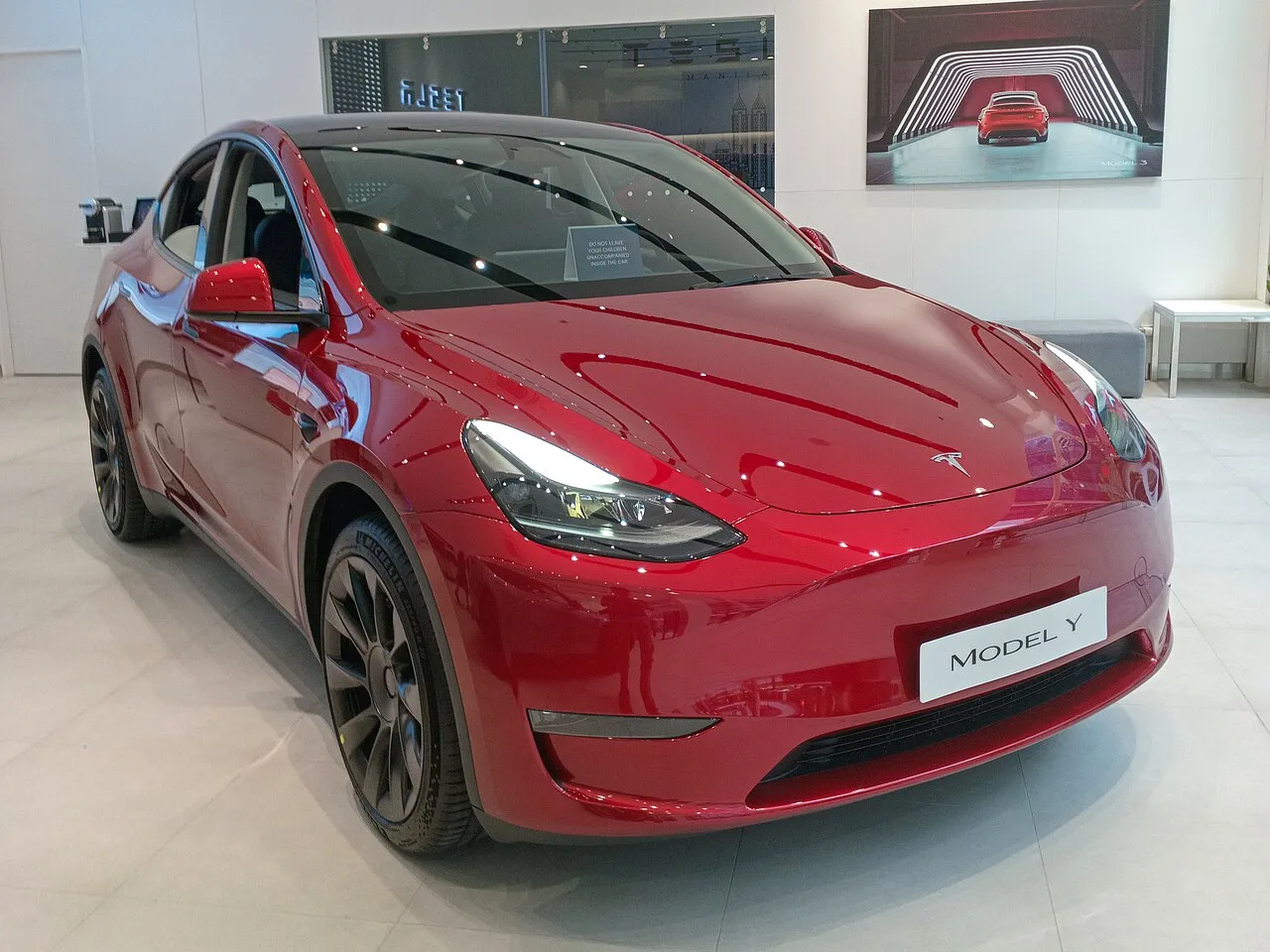
The Model Y has higher EPA range ratings, but family fit needs a closer look. Compare cabin and cargo questions, home charging times, and trip planning.
Wheel covers and spoke openings change how air moves around an EV's tires. At highway speeds, that airflow can affect energy use and driving range.
Highway speed raises aerodynamic drag and energy use per mile. Learn why a faster cruise can shorten an EV road trip leg and how to plan around it.
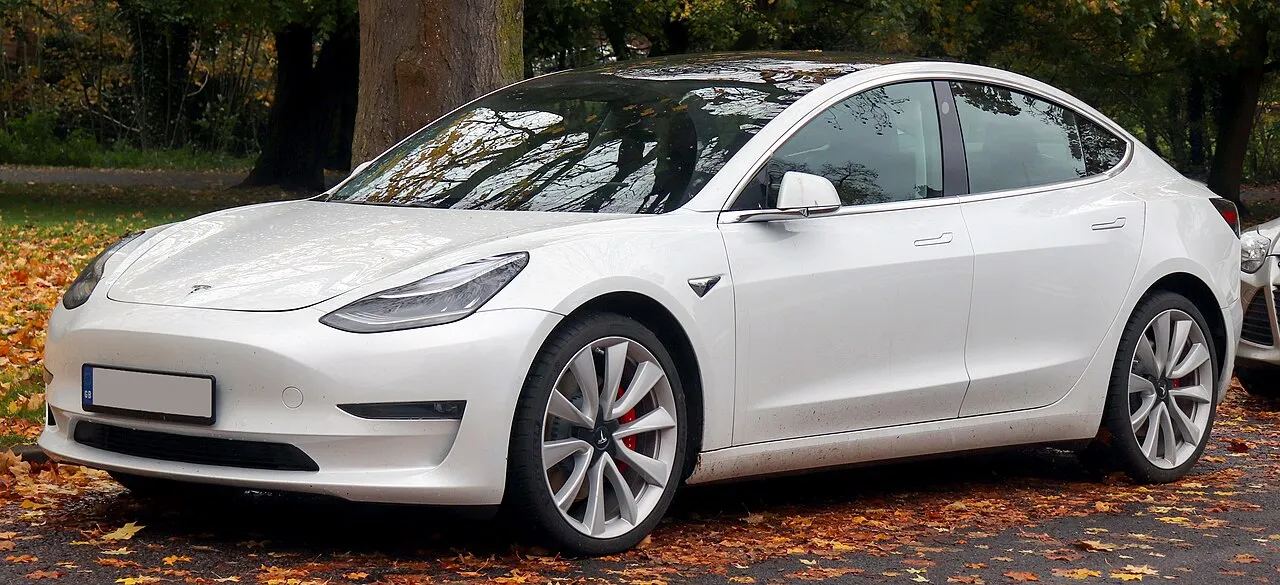
Compare Model 3 and IONIQ 6 range ratings, seating and trunk access, then match charging needs to your routine before choosing a sedan or trim.
EPA and WLTP range ratings use different test cycles. Learn what each figure tells you, why the numbers differ, and how to compare EVs across markets.
Cold weather can cut EV range and slow charging. Learn how to warm the car, plan charging stops, manage cabin heat and keep a comfortable arrival margin.
High speeds, cold weather, cabin heating, wheel size and payload all increase energy use, so real-world range is often below the official rating.
EPA ratings are generally the most conservative, followed by WLTP. CLTC figures are usually the most optimistic.