Choosing Between the Volkswagen ID. Buzz and Kia EV9
The ID. Buzz is a van; the EV9 is an SUV. Compare seating access, luggage needs, EPA range and home charging to find the better fit for a large family.
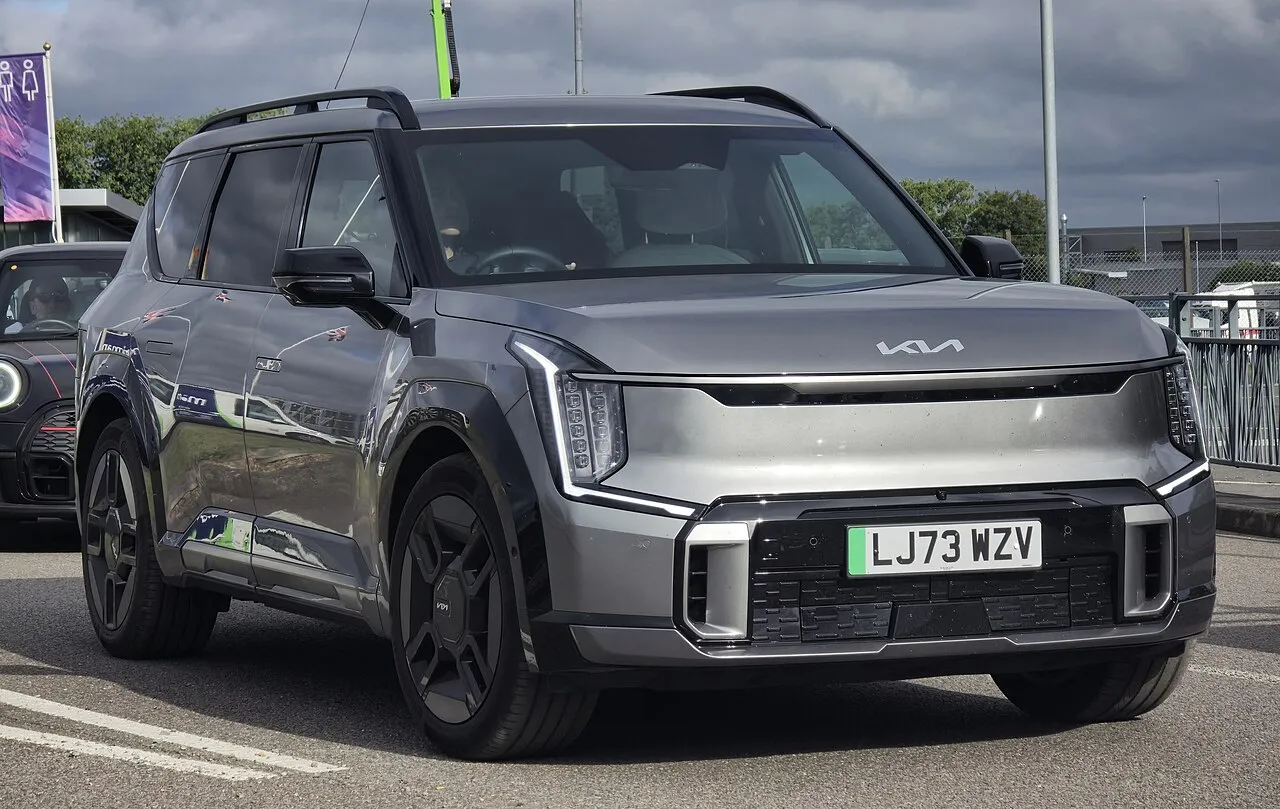
The short answer: Choose the Volkswagen ID. Buzz if a van’s passenger and cargo layout works better for your family. Choose the Kia EV9 if you prefer an SUV or need a higher EPA-rated range; verify the seating and luggage arrangement of the exact vehicle before deciding.
The Volkswagen ID. Buzz is the more natural starting point for a family seeking a van layout, while the Kia EV9 suits a family that wants an SUV. Range may settle the decision for frequent long drives: the US EPA rates the EV9 Long Range RWD at 305 miles and the US ID. Buzz RWD at 234 miles. But a range rating cannot tell you whether everyone can reach their seat comfortably or whether the stroller fits when every seat is occupied. Those questions deserve priority if this will be the family’s main vehicle.
Start with the people who ride together
Write down who travels on an ordinary school day and who comes along on the busiest family trip. Those may call for different seating arrangements. A family that usually carries adults and older children can tolerate a different route into the rear seats from one that regularly secures young children in child seats. Check the exact seating configuration of each vehicle you are considering; a model name alone does not establish how its seats are arranged.
Think about where each person will sit before comparing maximum passenger capacity. A seat is only useful if its occupant can reach it, buckle up and ride comfortably. If a child seat must stay installed, check whether it obstructs the route to another seat. If the family sometimes carries an additional adult, ask whether that person can get in without removing a child seat or shifting several passengers.
The ID. Buzz’s van body style makes it a sensible vehicle to examine first when passenger movement is the main concern. The EV9’s SUV body style may fit a family that prefers a conventional SUV cabin. Neither body style, by itself, answers which specific seating arrangement works better. Walk through a real loading routine in each vehicle, using the seats the family would actually occupy.
Check access at the places you park
Access is about more than the size of an opening. Consider the space beside the vehicle in a garage or crowded parking lot, the height at which a child needs help, and the path from the door to each seat. An adult who can climb into a rear seat easily may still find it awkward to reach over another passenger to secure a child. Have the person who normally handles that task try it.
Pay particular attention to any seat that has to move to create a path farther back. Try the movement with the family’s usual child seats installed and with everyone in their normal places. Then reverse the process as if unloading at school. A layout that seems flexible while empty may be less convenient when passengers, bags and installed seats all have to coexist.
Also consider who needs to exit first. If children must wait while an adult moves a seat, that sequence matters on a busy curb. If an older passenger has difficulty stepping in or turning toward a seat, let that passenger assess both vehicles directly. These everyday movements are more useful evidence for a family decision than the body-style label alone.
Measure luggage space with seats in use
A large family needs cargo room at the same time it needs passenger room. Examine the space left behind the seats when everyone is aboard, then try the items that travel regularly: a stroller, sports equipment, school bags or vacation cases. The important question is whether those items fit together without blocking access to seats or requiring bags to ride unsecured in the passenger area.
Do a second check for the trips that strain the vehicle most. A family may rarely fill every seat, yet need to do so for a weekend away. Conversely, folding seats may create ample room for a bulky purchase but offer little help on a trip when those seats are occupied. Compare the two vehicles in the arrangement each trip actually requires.
Shape matters alongside volume. A tall object, a wide stroller and several small bags use the cargo area differently. Check the opening, the available floor area and how far an item must be lifted or pushed to load it. Make sure the person who usually packs the vehicle can reach and arrange everything without having to unpack the whole load to retrieve one bag.
If the family uses child seats, bring them to the comparison as well. Their placement can affect which seats remain practical, how passengers enter and whether a seat can move when cargo needs change. The strongest choice is the one that accommodates the family’s recurring passenger-and-luggage combination with the fewest compromises.
Compare US range and home charging by version
US EPA fueleconomy.gov reports the following figures for the specified US versions. The range figures share the EPA test standard, so they offer a consistent starting point for comparing these versions. Each full-charge time is a Level 2 charging figure; it describes charging from empty to full, not the length of every home charging session.
| Vehicle and version | Market and model year | Rated range, test standard and source | Level 2 full-charge time and source |
|---|---|---|---|
| Kia EV9 Standard Range RWD | US, 2027 | 230 mi; EPA; US EPA fueleconomy.gov | 8.1 hours; US EPA fueleconomy.gov |
| Kia EV9 Long Range RWD | US, 2027 | 305 mi; EPA; US EPA fueleconomy.gov | 10.7 hours; US EPA fueleconomy.gov |
| Kia EV9 Long Range AWD | US, 2027 | 283 mi; EPA; US EPA fueleconomy.gov | 10.7 hours; US EPA fueleconomy.gov |
| Kia EV9 Long Range AWD GT-Line | US, 2027 | 280 mi; EPA; US EPA fueleconomy.gov | 10.5 hours; US EPA fueleconomy.gov |
| Volkswagen ID. Buzz RWD | US, 2025 | 234 mi; EPA; US EPA fueleconomy.gov | 9 hours; US EPA fueleconomy.gov |
| Volkswagen ID. Buzz 4Motion AWD | US, 2025 | 231 mi; EPA; US EPA fueleconomy.gov | 9 hours; US EPA fueleconomy.gov |
The EV9’s EPA range varies substantially by version. Its Long Range RWD rating is higher than either ID. Buzz rating in the table, while its Standard Range RWD rating is close to the ID. Buzz ratings. Comparing an EV9 model name with an ID. Buzz rating can therefore give the wrong impression; identify the exact EV9 version before deciding how much range it offers.
Rated range is a planning reference, not a promise for a loaded family journey. Speed, weather, terrain and cabin heating or cooling can change energy use. A family that frequently drives between charging stops should consider its usual route and how comfortable it is with those stops. A family whose longest journeys are occasional may place more weight on access and packing than on the largest range rating.
The table also shows why a shorter full-charge time does not automatically mean a more convenient ownership routine. A vehicle normally returns home with energy still in its battery, so the next charging session may be much shorter than an empty-to-full charge. Compare when the vehicle is parked, whether it can charge during that period and how much driving it must cover before the next opportunity to plug in.
Plan longer trips around the family’s stops
Public charging adds another practical question: how easily can a stop accommodate everyone? A useful stop allows time for passengers to get out, use facilities and eat while the vehicle charges. Charging speed can vary during a session, so a single full-charge time for Level 2 charging cannot predict a highway charging stop. Plan a familiar longer route with realistic alternatives if a charger is occupied or unavailable.
Range matters most when it changes that plan. If one version can comfortably reach the family’s preferred stop and another calls for an earlier break, that difference is relevant. If both fit the family’s travel pattern, the better seating and cargo arrangement may deliver more value on every ordinary trip. Keep the comparison tied to where the family drives, rather than treating the highest rating as an automatic winner.
Which should a large family choose?
Put the ID. Buzz first on the visit list if the appeal is a van and the family’s hardest task is moving people and luggage together. Put the EV9 first if an SUV is preferred or if the higher EPA-rated range of a particular EV9 version would ease regular trips. In either case, confirm the exact seat arrangement and load the cargo area as it would be used.
The decision is clearest after a complete rehearsal: seat everyone, secure the child seats, load the usual bags and trace a typical longer drive. Choose the vehicle that makes those routines work with the fewest recurring inconveniences. For a large family, the best EV is the one that handles the busiest normal day, not merely the one with the most attractive single figure.
Frequently asked questions
Which has the higher US EPA-rated range, the ID. Buzz or EV9?
It depends on the version. US EPA fueleconomy.gov rates the 2027 EV9 Long Range RWD at 305 miles and the 2027 EV9 Standard Range RWD at 230 miles. The 2025 ID. Buzz RWD is rated at 234 miles and the 2025 ID. Buzz 4Motion AWD at 231 miles, all under the EPA standard.
How long does a full Level 2 charge take?
US EPA fueleconomy.gov gives both 2025 US ID. Buzz versions a 9-hour full-charge time. Its figures for the 2027 US EV9 versions in the table range from 8.1 to 10.7 hours. A routine session may take less time if the battery is not empty.
Is the Volkswagen ID. Buzz a van or an SUV?
The ID. Buzz is a van or MPV; the Kia EV9 is an SUV. Check the seating arrangement of the exact vehicle to judge access for your family.
What should a large family check before choosing?
Try the usual passenger seating and child seats, then load the luggage the family carries together. Check access with everyone aboard and compare the exact version’s EPA range with regular longer trips and charging opportunities.
Related stories

How to Choose an EV When Homes Share a Transformer
A shared transformer can limit when several homes charge at once. Learn what to ask your utility and installer before choosing an EV or charger.

How to Choose an EV for Caregiving and Support Trips
Compare passenger access, rear-seat comfort, equipment storage and charging routines to find an EV that fits recurring appointments and support trips.

EV Charging With a Shared Meter: Billing, Access and Permission
A shared electric meter does not rule out home EV charging. Agree on permission, fair billing, charger access and electrical work before installation.