Should You Choose a Tesla Model 3 or Hyundai IONIQ 6?
Compare Model 3 and IONIQ 6 range ratings, seating and trunk access, then match charging needs to your routine before choosing a sedan or trim.
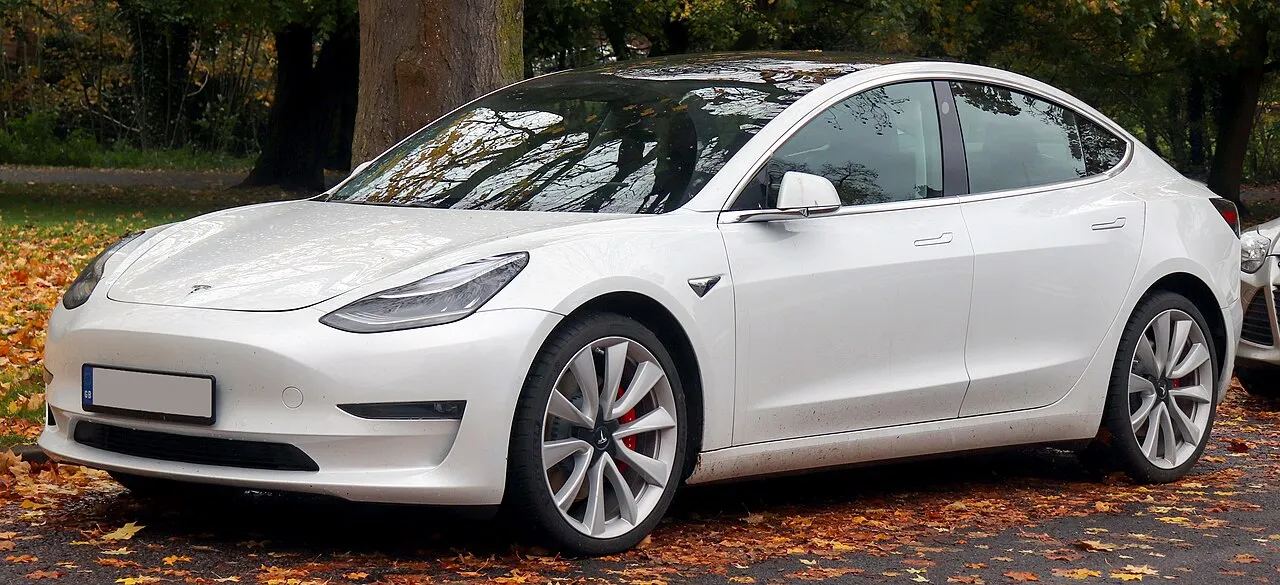
The short answer: Choose between the Model 3 and IONIQ 6 by checking rear-seat fit and trunk access in person, then comparing the exact trims you would buy. Their EPA range ratings overlap, and the IONIQ 6’s wheel choice can make a substantial difference to its rating.
The better EV sedan is the one that fits your passengers and cargo while giving you enough charging flexibility for your routine. The Tesla Model 3 and Hyundai IONIQ 6 have overlapping US EPA range ratings, so a badge alone cannot settle the choice. Start with the seats and trunk, then compare the drive configuration, wheels, range rating and charging arrangement of the particular version you want.
Compare the versions, not just the model names
The table shows US versions with ratings credited to US EPA fueleconomy.gov. Each range figure is an EPA rating in miles for the market and model year shown. The Level 2 figures are reported hours for a full charge; they are not estimates for a typical overnight top-up. The Model 3 entries are for the 2027 model year, while most IONIQ 6 entries shown are for 2025. That difference matters when comparing cars you can actually find: confirm the model year and trim before applying a rating to a vehicle.
| Vehicle and trim | Market and model year | Range and test standard | Level 2 full charge |
|---|---|---|---|
| Tesla Model 3 Performance AWD | US, 2027 | 316 mi, EPA | 12 hours |
| Tesla Model 3 Premium AWD | US, 2027 | 346 mi, EPA | 11.7 hours |
| Tesla Model 3 Premium RWD | US, 2027 | 363 mi, EPA | 11.7 hours |
| Tesla Model 3 RWD | US, 2027 | 321 mi, EPA | 12.1 hours |
| Hyundai IONIQ 6 N AWD | US, 2027 | 245 mi, EPA | 9.1 hours |
| Hyundai IONIQ 6 AWD, 18-inch wheels | US, 2025 | 316 mi, EPA | 7.5 hours |
| Hyundai IONIQ 6 AWD, 20-inch wheels | US, 2025 | 270 mi, EPA | 7.5 hours |
| Hyundai IONIQ 6 RWD, 18-inch wheels | US, 2025 | 342 mi, EPA | 7.5 hours |
| Hyundai IONIQ 6 RWD, 20-inch wheels | US, 2025 | 291 mi, EPA | 7.5 hours |
| Hyundai IONIQ 6 Standard Range RWD | US, 2025 | 224 mi, EPA | 6.1 hours |
Source: US EPA fueleconomy.gov. An EPA range rating is a useful basis for comparing these US entries, but it is not a promise of distance on every trip. Speed, weather, terrain and cabin heating or cooling can change the energy a drive requires. Treat the rating as a starting point for planning, with room for the conditions you expect to encounter.
Will the seating work for your passengers?
Both cars are sedans, but the useful question is how their cabins fit the people who will ride in them. Sit in the driving position you would use, then have a regular passenger try the seat behind it. Check knee room, foot space beneath the front seat and whether the rear passenger can sit upright comfortably. A brief look through an open door tells less than actually getting in, closing it and settling into a normal position.
Repeat that check on both sides if more than one adult regularly travels in back. The front passenger’s seat position may differ from the driver’s, and one comfortable rear position does not establish that the whole row works for your household. If children ride with you, check the child seats you use or expect to use. Confirm that they can be installed correctly and that front occupants still have enough room. Ease of reaching a buckle and getting a child through the door also matters in daily use.
Exterior size cannot answer these questions by itself. Seat shape, floor height, door openings and the way you adjust the front seats all affect comfort. The same approach applies up front: spend time finding a driving position that works, then check your view out and your reach to the controls. A sedan that looks spacious on paper may feel different with the people and seats it must carry.
Check cargo access, not just cargo space
The Model 3 and IONIQ 6 are both sedans, so test what you can get through the trunk opening. A bag may fit within the available space yet be awkward to lift over the opening or turn into place. Bring the items that create the hardest packing problem for you: a stroller, luggage, sports gear or another bulky object. Try loading them with the rear seats in the arrangement you would normally use.
Pay attention to the shape and height of the opening, the lift needed to clear its edge and the room left after your usual load goes in. If you need to carry both passengers and long objects, check whether your planned seating arrangement and cargo arrangement can coexist. An occasional successful fit with an empty back seat may not solve a regular trip with people aboard.
For errands, consider the smaller details too. Can you place groceries where they will be easy to retrieve? Can you lift a heavy bag out without twisting around the opening? These are practical checks that a cargo-volume figure alone would not settle. The most useful comparison is a repeatable loading test with the items you actually carry.
What do the range ratings say about efficiency?
For the US entries above, the highest EPA-rated Model 3 is the 2027 Premium RWD, while the 2025 IONIQ 6 with rear-wheel drive and 18-inch wheels also has a long EPA rating. The figures are close enough that trip conditions and the specific vehicle configuration deserve more attention than a simple model-level winner. The 2027 Model 3 RWD also has a different rating from the 2027 Premium RWD, illustrating why the drive layout alone does not identify a car’s range.
The IONIQ 6 entries make the wheel decision especially clear. In both the 2025 rear-wheel-drive and all-wheel-drive pairs, the EPA rating is lower with 20-inch wheels than with 18-inch wheels. If maximizing rated range is a priority, check which wheels are on the vehicle you are considering. The IONIQ 6 Standard Range and N occupy different positions in the table as well; neither should stand in for every IONIQ 6.
Range is related to efficiency, but these ratings do not by themselves tell you how much electricity each car uses per mile. Battery capacity and the rated distance both affect that calculation, and the table is intended to answer a narrower question: how far each particular US version is rated to travel. If electricity use is central to your choice, compare consumption figures for matching market, model year and trim when shopping.
Match charging to where the car will spend its time
If you can charge at home, start with the energy you need to replace after an ordinary day, not the time to fill an empty battery. A car parked for much of the night may have ample time to recover a routine commute even when its reported full-charge time is longer. Your charging equipment and available power also affect what happens at home, so check that your planned setup suits the vehicle and your parking situation.
The EPA full-charge times in the table help frame that question, but they should not be read as a direct contest of charging speed. The cars and versions need not have the same battery capacity, and a full charge covers more energy than many drivers use in a day. Work backward from your driving: consider how often you return home, how long the car can stay plugged in and whether an unexpected longer trip would leave you enough charge.
For travel, look at the actual charging options along routes you use. Check connector compatibility for the specific vehicle, access rules for the stations you intend to use and whether there are practical alternatives near a planned stop. A public charger’s peak power figure cannot tell you how long every stop will take; charging conditions and the amount of energy you need both matter. Plan around the stops you would make rather than assuming a best-case charging session.
How to make the final choice
Put the exact Model 3 and IONIQ 6 versions you can buy through the same checks. Seat your usual passengers, load your awkward cargo and identify the wheels and drive configuration before comparing EPA ratings. Then map a normal week and a demanding trip against the charging available to you. If one sedan makes the passenger or cargo task easier, that advantage may matter more every day than a small difference in rated range. If both fit equally well, the trim-specific range rating and your charging routine offer a clearer way to decide.
Frequently asked questions
Which has the higher EPA-rated range, the Model 3 or IONIQ 6?
It depends on the version. US EPA fueleconomy.gov rates the 2027 Model 3 Premium RWD at 363 miles and the 2025 IONIQ 6 RWD with 18-inch wheels at 342 miles. Other trims have different ratings.
Do wheels affect the Hyundai IONIQ 6’s EPA range rating?
Yes. For the US 2025 IONIQ 6, US EPA fueleconomy.gov gives both the RWD and AWD versions lower range ratings with 20-inch wheels than with 18-inch wheels.
Which sedan is easier to load?
Check both trunk openings with your usual bulky items. The ability to pass an item through the opening and place it inside matters as much as whether it fits within the trunk.
Do the Level 2 full-charge times show how long daily charging will take?
No. They describe a full charge for the stated versions. Daily charging time depends on how much energy you need to replace and the power available where you plug in.
Related stories

How to Choose an EV When Homes Share a Transformer
A shared transformer can limit when several homes charge at once. Learn what to ask your utility and installer before choosing an EV or charger.

EV Charging With a Shared Meter: Billing, Access and Permission
A shared electric meter does not rule out home EV charging. Agree on permission, fair billing, charger access and electrical work before installation.

Choosing 120V or 240V Charging for an EV at Home
A standard outlet may work for an EV that sits parked for long stretches. A 240V setup adds charging power, which can matter when daily driving uses more energy.