What Electric SUV Range and Charging Figures Tell You
Compare electric SUVs by US EPA range, European WLTP range, battery capacity, charging figures and size to find a model that fits your driving and parking needs.
Rated versus real-world range, what affects it, and how EPA, WLTP and CLTC figures compare.
News, explainers and expert context.
Compare electric SUVs by US EPA range, European WLTP range, battery capacity, charging figures and size to find a model that fits your driving and parking needs.
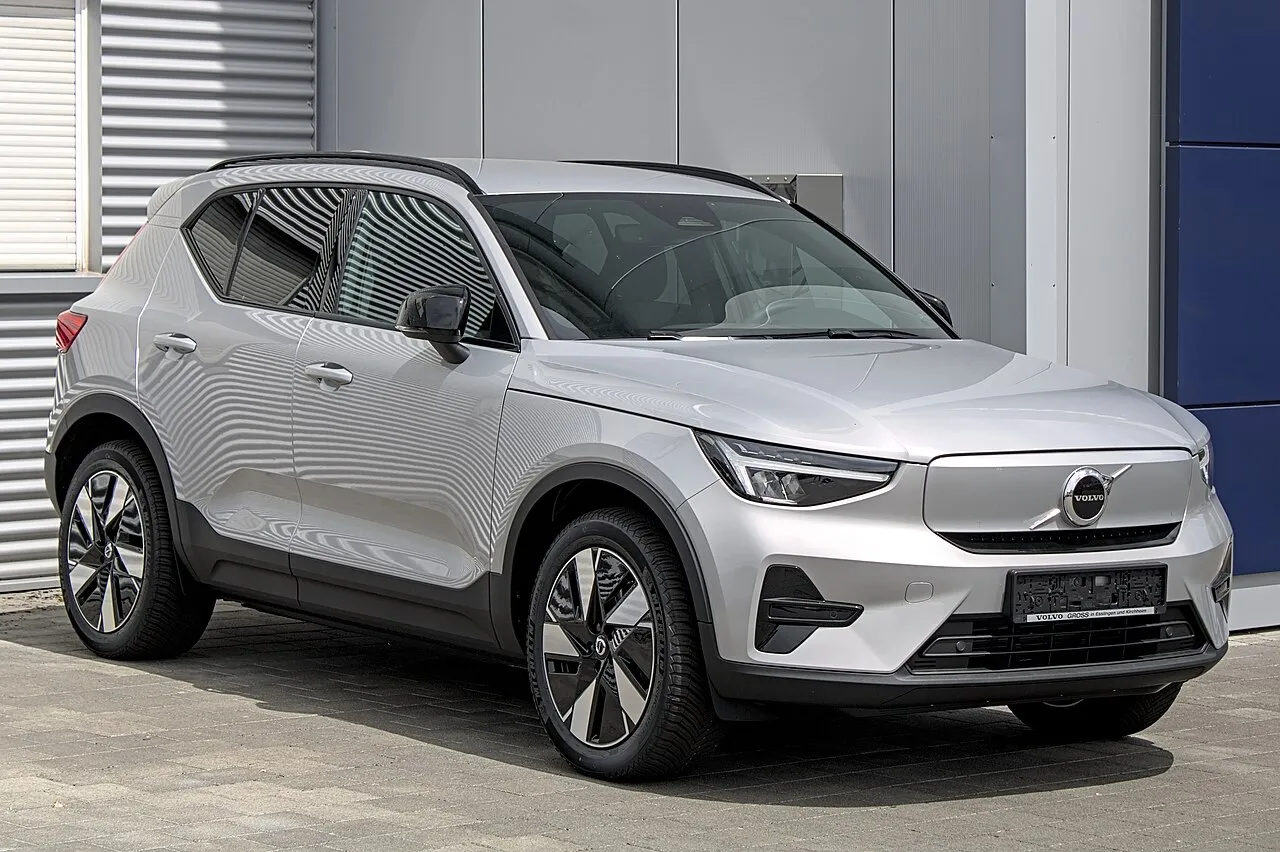
Compare Volvo's electric SUVs by EPA range and home charging time, then see how European battery and charging figures inform the choice.
Range anxiety is the worry that an EV will run out of charge before reaching a destination or charger. Learn why it happens and how drivers can plan around it.
An NMC battery uses a nickel-manganese-cobalt cathode. Learn how this lithium-ion chemistry relates to EV range, cost and the limits of the label.
WLTP rates EV range and efficiency in Europe and other markets. Learn how the test works, what its figures mean on the road, and why EPA ratings differ.
EPA range is a standardized estimate of how far an EV can travel on a charge. Learn how the rating is made, why your results may differ, and how to use it.
Chevrolet’s electric Trail Boss starts at $72,595 and offers 478 miles of EPA range with its largest battery, but its size limits its off-road appeal.
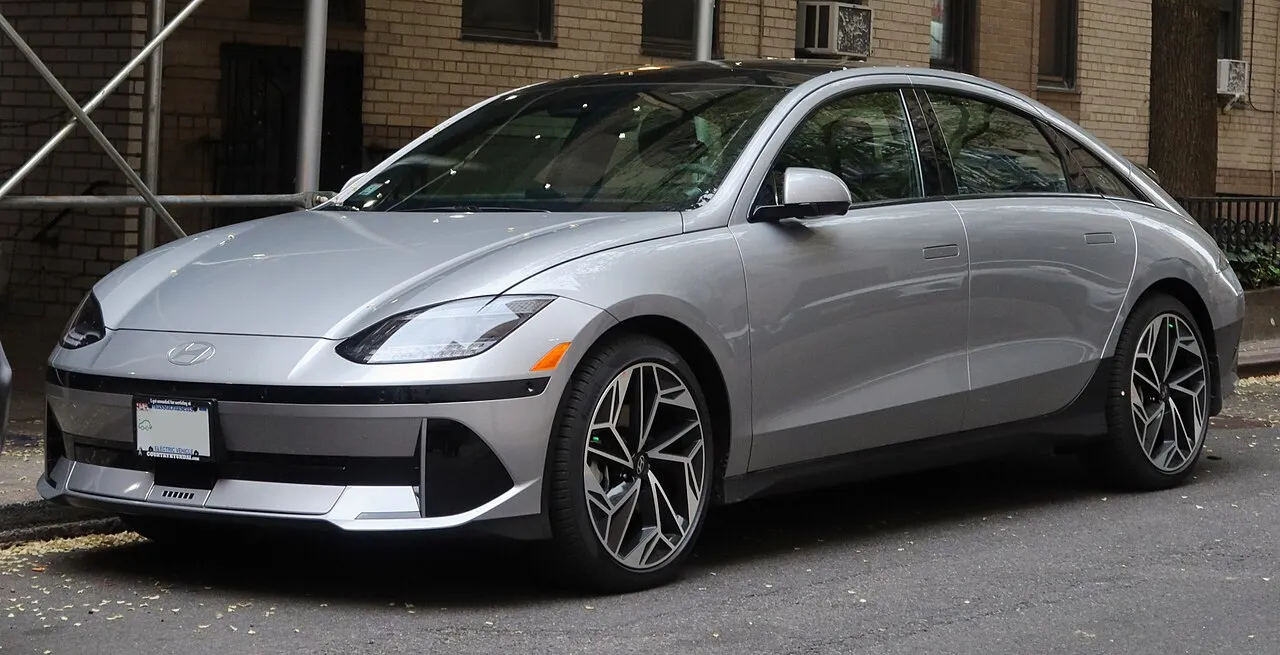
Hyundai is replacing the regular IONIQ 6 with the performance-focused N for 2027, while updating IONIQ 5 equipment and adding a new IONIQ 9 trim.
The 2027 Mercedes-Benz CLA350 EV pairs a 312-mile EPA rating with a 4.3-second sprint to 60 mph, but Car and Driver found its cabin tight and controls fussy.
High speeds, cold weather, cabin heating, wheel size and payload all increase energy use, so real-world range is often below the official rating.
EPA ratings are generally the most conservative, followed by WLTP. CLTC figures are usually the most optimistic.