2026 Silverado EV Trail Boss Pairs Long Range With Trail Limits
Chevrolet’s electric Trail Boss starts at $72,595 and offers 478 miles of EPA range with its largest battery, but its size limits its off-road appeal.

The short answer: The 2026 Chevrolet Silverado EV Trail Boss adds a suspension lift, all-terrain tires and specialized driving modes, with up to 478 miles of EPA range. According to InsideEVs, its charging performance and cargo flexibility stand out, while its weight and limited wheel articulation compromise its off-road capability.
Chevrolet’s 2026 Silverado EV Trail Boss adds an off-road-focused option to its electric pickup lineup, combining a lifted suspension and specialized steering modes with up to 478 miles of EPA-rated range. But according to an InsideEVs review, the truck’s enormous battery and roughly 8,500-pound weight create a trade-off: substantial driving range and useful truck features come with limitations on uneven trails.
The Trail Boss joined the lineup in summer 2026 and starts at $72,595 including destination, according to InsideEVs. That price makes its capabilities particularly relevant for buyers deciding whether they need a long-range electric truck, an off-road vehicle or a pickup that can handle both roles. The review found strengths in charging, ride comfort over broken pavement and cargo versatility, alongside shortcomings in visibility and suspension movement.
What the Trail Boss package changes
According to InsideEVs, the Trail Boss sits two inches higher than the standard Silverado EV, bringing ground clearance to about 10 inches. It wears 35-inch Goodyear Wrangler all-terrain tires on 18-inch wheels, while red front tow hooks add recovery points. The suspension also receives a distinct rebound calibration intended for off-road driving.
The changes extend to the truck’s controls. A Trail Boss-exclusive Terrain mode allows sharper four-wheel steering for maneuvering on tighter trails. Off-Road mode adjusts traction management and distributes torque to the wheels that need it, according to the outlet. Sidewinder mode turns all four wheels in the same direction, allowing the truck to move diagonally.
Those features address different challenges: clearance helps the truck pass over obstacles, steering functions assist maneuverability, and traction controls manage how power reaches the ground. They do not remove the physical constraints of a pickup that InsideEVs describes as 5.9 meters long and weighing roughly 8,500 pounds.
A large battery delivers substantial range
The Silverado EV range includes Standard, Extended and Max battery options, according to InsideEVs. The base Work Truck with the Standard battery has 286 miles of EPA range. The LT achieves 410 miles with the Extended battery and 478 miles with the Max battery. The Trail Boss with the Max battery also carries a 478-mile EPA rating.
The Max battery has 205 kilowatt-hours of gross capacity, according to the outlet, which describes its construction as essentially stacking two large battery packs. That capacity is central to the truck’s range, but it also contributes to the mass that affects its behavior away from pavement.
InsideEVs reported that its review vehicle arrived with 503 miles showing on the range display. That was an estimate from the truck, separate from its 478-mile EPA rating. At a 23% state of charge later in the review, the display still showed 112 miles remaining. Those readings illustrate the reserve available during that particular drive; they are not additional standardized range results.
The outlet reported a maximum observed efficiency of 2.3 miles per kilowatt-hour during mostly highway driving. That observation belongs alongside the battery-capacity figure when assessing the truck: its long range comes with a substantial store of energy, while moving its considerable mass consumes that energy.
Charging performance depends on the battery
At a 400-kilowatt Ionna charging station, InsideEVs recorded a charge from 23% to 80% in 38 minutes, with a peak of 363 kilowatts. The outlet reported that Chevrolet claims a 350-kilowatt peak for the Max battery. The observed peak exceeded that claim during the session, although a peak rate does not describe charging power throughout the entire stop.
The starting charge matters when interpreting that result. It was a 23%-to-80% session, so the reported 38 minutes should not be treated as a time for a different charging interval. It nevertheless shows how much charge the truck recovered during one stop with a compatible high-power station.
Battery selection also changes charging capability. According to InsideEVs, the Max battery supports 800-volt charging and a claimed 350-kilowatt peak. The Extended battery is rated at 670 volts and 300 kilowatts, while the Standard battery is rated at 475 volts and 220 kilowatts. Buyers comparing Silverado EV versions therefore face differences in both driving range and peak charging power.
Comfort on rough roads, compromises on trails
InsideEVs found that the Trail Boss’s large tires and independent suspension helped it absorb poor road surfaces comfortably. Its assessment was less favorable on highways, where the reviewer reported needing frequent steering corrections to stay in the lane. The outlet suggested the all-terrain tire tread might contribute, but presented that explanation as a possibility.
On mild trails in New Jersey’s Wharton State Forest, the truck handled sand and unpaved stretches with a sure-footed feel, according to the review. Its quiet electric powertrain also shaped the experience in the forest. Those conditions showed a useful side of the Trail Boss package without requiring extreme terrain.
Wavy surfaces exposed a different behavior. InsideEVs reported uncomfortable side-to-side movement at speeds as low as 15 mph, attributing the limitations to restricted wheel articulation and the large, stiff battery pack between the wheels. The review judged the truck less suited to demanding terrain than vehicles equipped with mechanical locking differentials, a ladder frame and solid axles.
That distinction matters for the Trail Boss name: the package adds equipment for trail use, but the review does not establish it as an extreme off-road truck. Its strongest showing came on milder surfaces, while more uneven ground revealed constraints that additional clearance and electronic driving modes could not fully overcome.
Power and visibility reflect its scale
According to InsideEVs, Wide Open Watts mode releases 725 horsepower and 775 pound-feet of torque, with a claimed zero-to-60-mph time of less than 4.5 seconds. The reviewer described substantial rearward weight transfer under full acceleration. In Normal mode, acceleration felt less dramatic but remained sufficient.
The high seating position also brought visibility challenges. InsideEVs reported difficulty seeing low sedans alongside the truck and a large blind spot created by the thick rear roof pillar. A 360-degree camera system, blind-spot warnings and ultrasonic sensors helped with parking and trail maneuvering, but the review emphasized the attention required to position such a large vehicle.
The midgate adds a practical reason to consider it
The Silverado EV’s pass-through midgate gives the Trail Boss a utility feature beyond its off-road equipment. According to InsideEVs, the system extends the usable cargo space from a 5-foot-11-inch bed to accommodate items as long as 10 feet 10 inches. The mechanically related GMC Sierra EV also offers a pass-through midgate.
Opening that space involves folding the rear seats, removing the rear window and securing it on the midgate, then releasing two latches to lower the partition. The arrangement makes room for long cargo such as a kayak or motorcycle, giving buyers a concrete use for the truck’s substantial dimensions.
Chevrolet is selling that combination into a challenging market for large electric pickups. InsideEVs reported that General Motors sold 11,275 Silverado EVs in 2025, compared with more than half a million gasoline and diesel Silverados. The Trail Boss broadens the electric model’s appeal through distinctive equipment, but its purchase case still depends on how buyers value long range, fast charging and flexible cargo space against its price, size and trail limitations.
Frequently asked questions
How much does the 2026 Silverado EV Trail Boss cost?
According to InsideEVs, the 2026 Chevrolet Silverado EV Trail Boss starts at $72,595 including destination.
What is the Silverado EV Trail Boss’s range?
The Trail Boss with the Max battery has 478 miles of EPA-rated range, according to InsideEVs.
How quickly can the Max battery charge?
InsideEVs recorded a 23%-to-80% charge in 38 minutes at a 400-kilowatt Ionna station, reaching a peak of 363 kilowatts. The outlet reported Chevrolet’s claimed peak for the Max battery as 350 kilowatts.
What off-road equipment does the Trail Boss add?
According to InsideEVs, it adds a two-inch suspension lift, 35-inch all-terrain tires, front tow hooks, revised suspension calibration and specialized driving modes, including Terrain mode with sharper four-wheel steering.
How much cargo length does the midgate allow?
According to InsideEVs, the pass-through midgate allows the Silverado EV to accommodate items up to 10 feet 10 inches long, extending beyond its 5-foot-11-inch bed.
Related stories

Changan Deepal S07 Adds Faster Charging for 2027
Changan’s updated Deepal S07 is due in Australia in early 2027 with a larger WLTP range figure, 200kW fast charging and a new plug-in hybrid option.
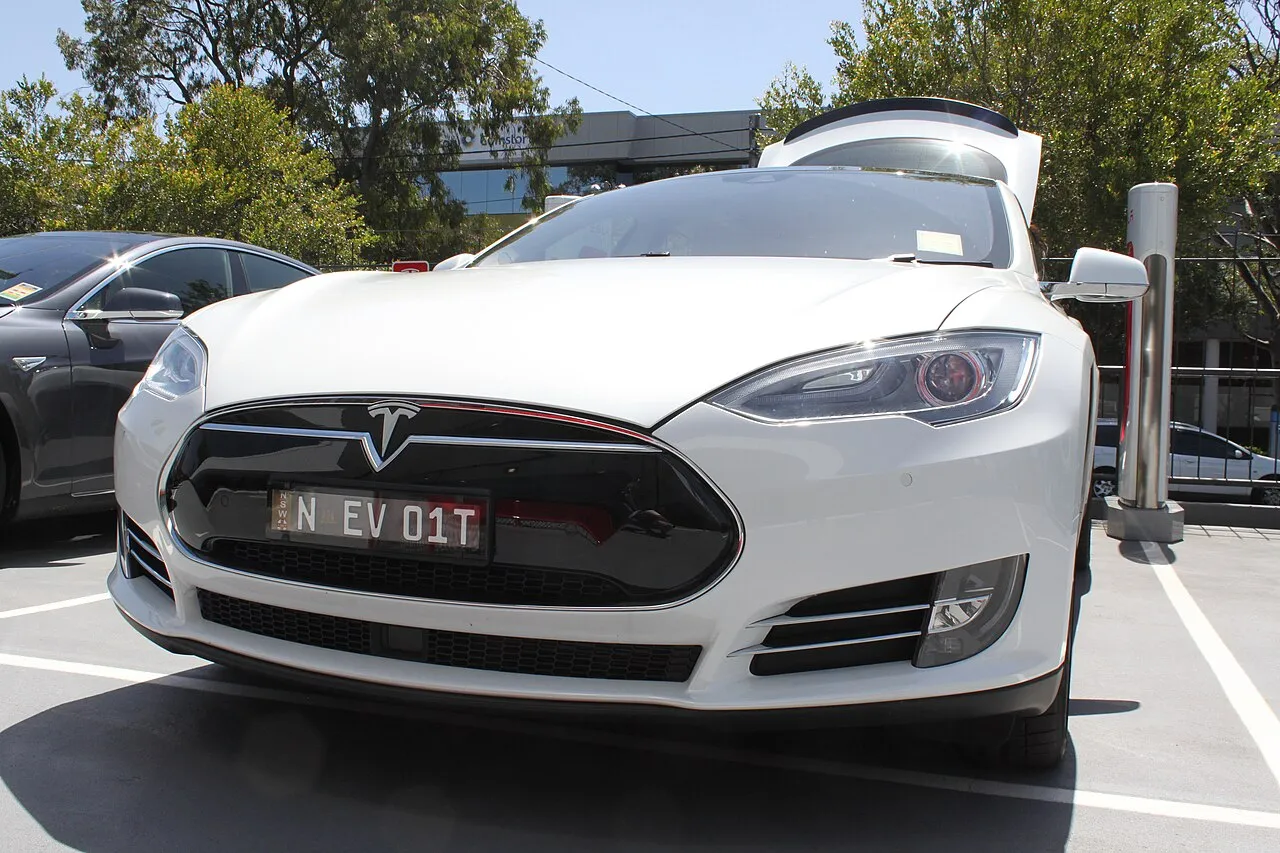
Tesla Adds 29 Mobile Supercharger Stalls for Thanksgiving
Tesla says 29 temporary Supercharger stalls are operating at four busy sites, while 1,027 permanent stalls opened across 91 US locations in 56 days.
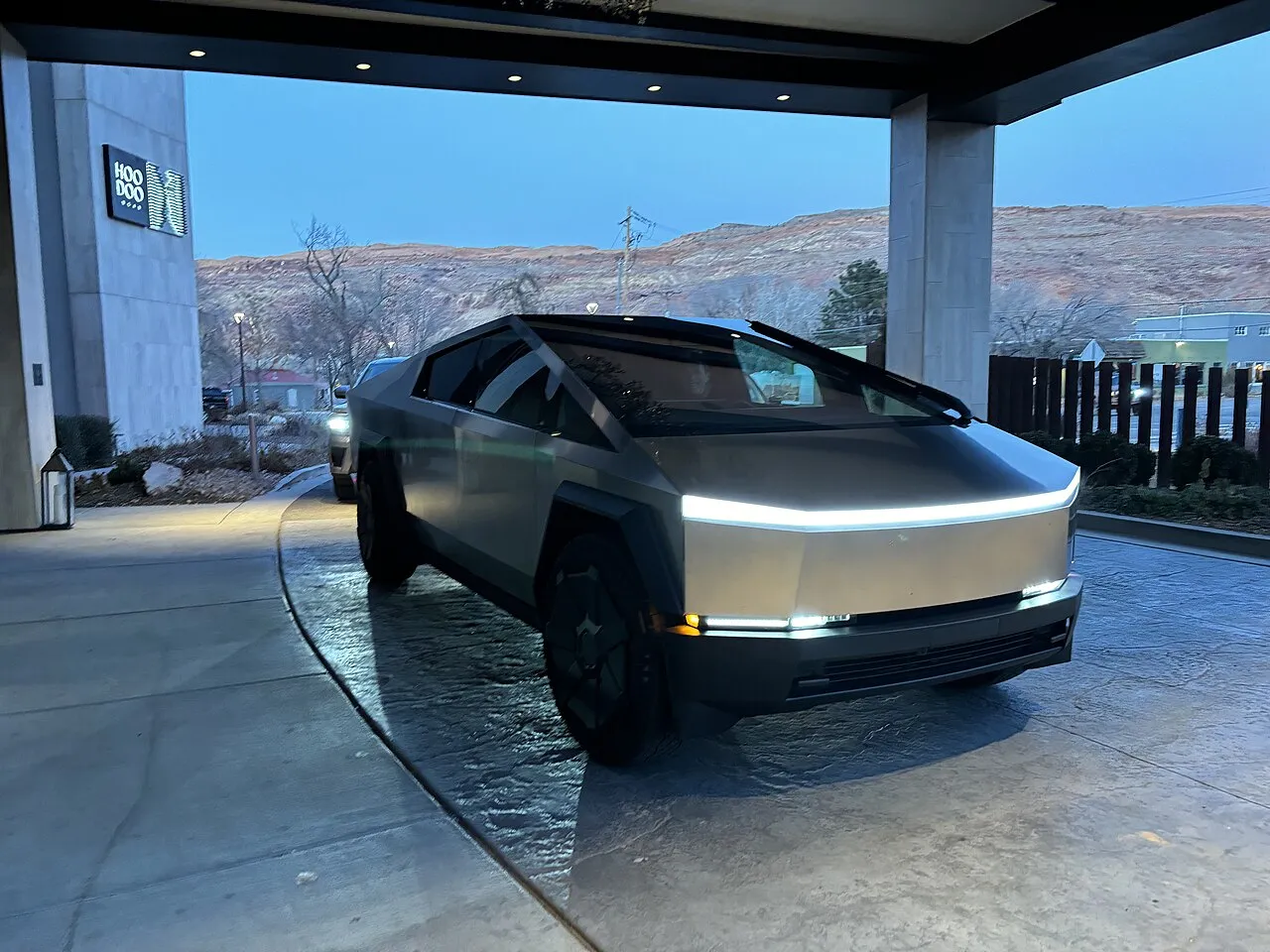
Used Cybertruck Sold Faster Than Other Pickups in October
A used Cybertruck averaged 39.1 days to sell in October, the quickest pace among pickups in an iSeeCars study. The ranking does not show what buyers paid.