Tesla Adds 29 Mobile Supercharger Stalls for Thanksgiving
Tesla says 29 temporary Supercharger stalls are operating at four busy sites, while 1,027 permanent stalls opened across 91 US locations in 56 days.
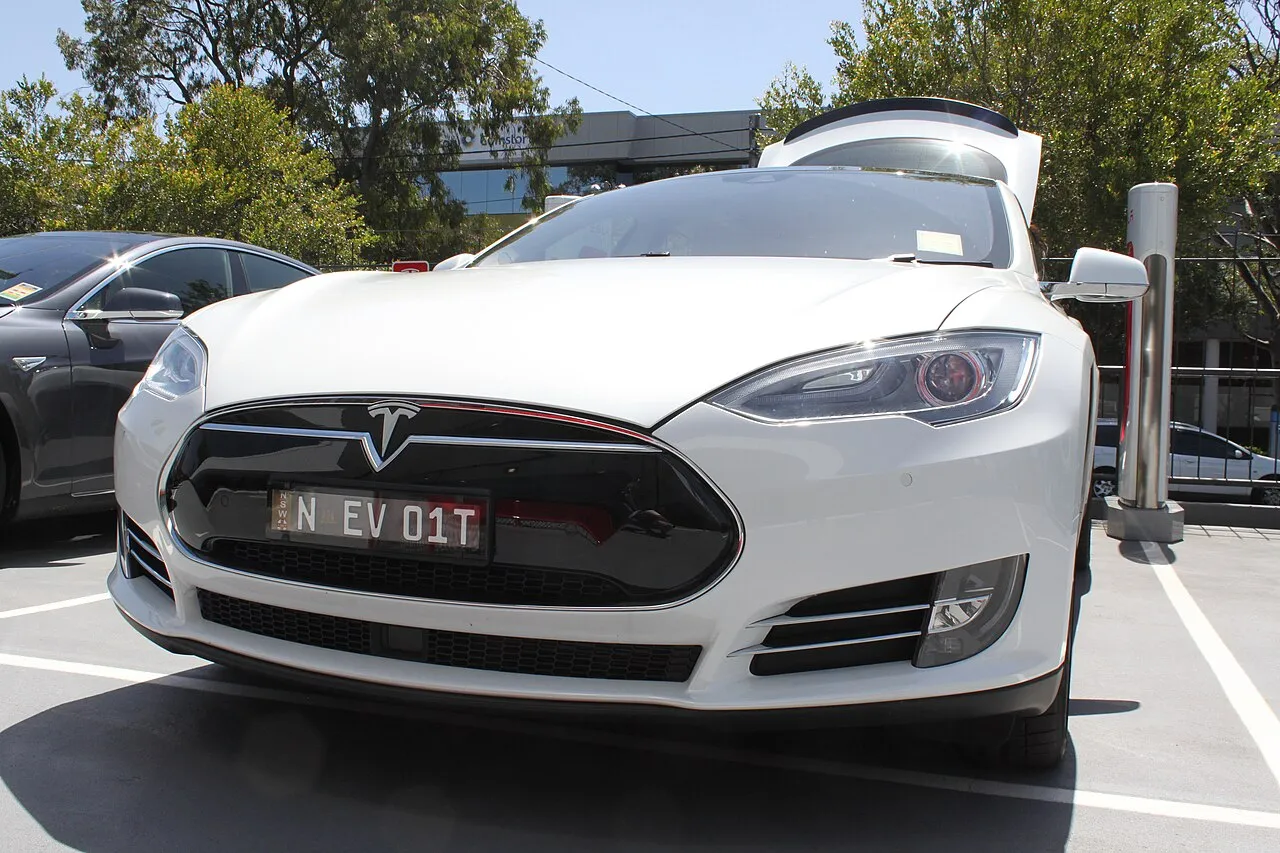
The short answer: Tesla says it has deployed 29 temporary Supercharger stalls at four busy stations in California and Arizona for Thanksgiving travel. It also reports opening 1,027 permanent stalls at 91 US sites in the preceding 56 days.
Tesla has deployed 29 temporary Supercharger stalls at four busy stations in California and Arizona ahead of the Thanksgiving travel rush, according to Electrek. The short-term additions target locations where queues have been a recurring concern. Tesla also says it opened 1,027 permanent stalls at 91 US sites in the 56 days before the holiday, a much larger addition that points to the scale of its recent network expansion.
The temporary stalls can add capacity at selected sites during a predictable travel peak, while the permanent buildout adds charging capacity beyond the holiday period. Tesla says it has also placed attendants at its busiest locations to manage lines, boosted uptime and service dispatch for the travel window, and expanded a virtual waitlist to 300 sites. For drivers, those measures address both the number of stalls available and the experience of arriving when a station is busy.
Four sites receive temporary capacity
Electrek reports that Tesla’s charging account shared a composite photo showing the four locations, whose stall counts total 29. Firebaugh received the largest deployment: two flatbed trailers carrying Supercharger posts and tall power cabinets, parked beneath the station’s solar canopy. The report says three of the four locations are in California’s Central Valley, a route between Los Angeles and the Bay Area where holiday charging lines have been a problem in past years.
Bakersfield’s Copus Road station is among those Central Valley locations. Electrek notes that Tesla included the site in a 2021 program offering free off-peak Supercharging to spread holiday demand across different times. That earlier effort and this year’s temporary deployment both focus on managing pressure at a known busy stop. The report does not give the number of temporary stalls at each of the four sites individually beyond noting that Firebaugh received the largest boost.
Holbrook, Arizona, is the outlier among the four locations. Electrek describes it as a small town on Interstate 40, a main corridor between Southern California and Albuquerque, with few alternatives if a station is full. The report says the Copus Road and Holbrook units sit directly on the pavement, while Firebaugh’s equipment is carried on trailers. The distinction describes how the temporary equipment is positioned; the report does not state how it is powered.
Tesla has not said whether the mobile stalls draw power from the grid or use onboard batteries. Electrek compares the unanswered question with battery-equipped Megapack Chargers that Tesla deployed for the holidays in 2024. The report also notes that battery trailers have had problems: one caught fire at the Baker, California, Supercharger on New Year’s Day 2023. That incident is background on an earlier deployment, and Electrek does not say that the temporary stalls used this Thanksgiving share the same design or power system.
Permanent additions are the larger expansion
The 29 mobile stalls are temporary capacity at four stations. Tesla’s reported addition of 1,027 permanent stalls is broader: according to Electrek, those stalls opened across 91 US sites in the preceding 56 days. That works out to an average of roughly 18 stalls per day and more than 11 stalls per new site, based on the outlet’s figures. Those averages indicate the pace and scale of the reported buildout, but do not describe how many stalls opened at any particular station.
Electrek compares the 1,027-stall figure with Paren’s count of 1,287 Tesla US fast-charging ports added in the third quarter, an average of roughly 14 per day. The outlet cautions that the two counts use different methodologies, so they are not a direct like-for-like measure. It characterizes the comparison as a sign that Tesla’s pace may have accelerated ahead of the holidays. In the same quarter, Electrek reports, IONNA added 378 ports and Walmart added 344.
The distinction between a short-term deployment and a permanent opening matters for drivers planning a holiday route. Temporary equipment can add stalls where demand is expected to spike, but its contribution is tied to the travel period and the chosen locations. Permanent stations and stalls extend the network’s capacity over time. Tesla’s figures describe both approaches, though they do not establish how long the mobile units will stay in place or whether further temporary deployments are planned.
Attendants and virtual queues target station lines
More stalls are only one part of handling a busy charging stop. Tesla says it has put attendants at its busiest sites to manage queues and has boosted uptime and service dispatch for the travel window. Attendants can help organize vehicles waiting to charge, while equipment uptime affects how much of a station’s installed capacity is available. The report does not quantify the change in uptime or say how many locations have attendants.
Tesla’s virtual waitlist is another tool aimed at queues. Electrek reports that the feature is now active at 300 sites. Tesla began piloting it at five Supercharger locations in May, according to the outlet. Electrek says the company had promised the feature a year earlier after a confrontation between owners at a full station. A virtual queue can give waiting drivers a way to join an organized line, though the report does not describe how the system assigns a place or how long an average wait might be.
Past Thanksgiving figures offer context for the network’s workload. Tesla said its US network handled more than 2 million charging sessions and delivered over 70 gigawatt-hours between Wednesday and Sunday of Thanksgiving 2025, according to Electrek. Tesla also reported that 0.76% of those sessions involved a wait. That figure covers the prior year’s five-day holiday period; it does not predict this year’s queues or establish how waits are distributed among stations.
Electrek describes recurring Thanksgiving congestion in the Central Valley, including multi-hour waits there in 2019. The history helps explain why this year’s temporary sites include Central Valley locations and why queue management is part of the holiday response. It also shows the limits of a network-wide figure: a low share of sessions involving waits can coexist with significant lines at particular busy stations.
What the holiday deployment shows
Tesla’s response combines targeted temporary stalls, new permanent capacity, attendants, and a virtual waitlist. The measures address different pressures: temporary stalls add capacity at selected sites; the permanent additions expand the network; attendants help manage vehicles at busy locations; and the waitlist gives Tesla a way to organize queues at participating stations. The report does not say how much each measure will reduce wait times.
For EV buyers, charging availability on a long trip depends on more than the total size of a network. Where stations sit along a route, how many stalls are open, whether equipment is operating, and whether another location is available can all shape a stop. Electrek’s account of Holbrook highlights how the number of alternatives can matter when a station fills. At the Central Valley sites, Tesla is adding temporary equipment in an area where the outlet says holiday lines have recurred.
The reported permanent buildout also matters beyond Thanksgiving because those stalls are not described as temporary. Electrek’s comparison with Paren’s quarterly port count suggests Tesla’s pace may have picked up, while the outlet’s methodology caveat limits how precisely those figures can be compared. The numbers establish the scale Tesla reports; they do not show how evenly the new capacity is distributed or how much demand it will serve.
The next clear measure will be how the network handles the holiday travel period. Tesla has cited last year’s session volume and wait share, while this year it has added targeted capacity and queue measures. Electrek’s report does not include this year’s holiday results. Until those figures are available, the announced deployments show the steps Tesla says it has taken, while the effect on actual station waits remains to be seen.
Frequently asked questions
How many temporary Supercharger stalls did Tesla deploy?
Tesla says 29 temporary stalls are operating across four sites in California and Arizona.
Where are the temporary stalls located?
The four sites include Firebaugh and Bakersfield’s Copus Road in California, along with Holbrook in Arizona. Electrek says three of the four are in California’s Central Valley.
How many permanent stalls did Tesla open recently?
Tesla says it opened 1,027 permanent stalls across 91 US sites in the 56 days before Thanksgiving.
How many sites now have Tesla’s virtual waitlist?
Electrek reports that Tesla’s virtual waitlist is active at 300 sites, up from an initial pilot at five locations.
What did Tesla report about waits during Thanksgiving 2025?
Tesla said 0.76% of sessions involved a wait during the Wednesday-to-Sunday period, when its US network handled more than 2 million sessions.
Related stories

Changan Deepal S07 Adds Faster Charging for 2027
Changan’s updated Deepal S07 is due in Australia in early 2027 with a larger WLTP range figure, 200kW fast charging and a new plug-in hybrid option.

How EV Batteries Handle Heat After Fast Charging
Fast charging creates heat inside an EV battery. Learn how thermal management moves that heat, when a pack retains warmth, and why it matters on repeat stops.

F-150 Lightning Driver Spends $636 on Illinois-Denver Trip
A Ford F-150 Lightning driver spent $635.76 across 18 stops on a 2,291-mile round trip, showing how highway efficiency and charging prices shape trip costs.