How Trailer Shape and Speed Affect Electric Vehicle Range
Trailer shape can affect EV towing range more than weight at highway speeds. Learn how frontal area, airflow and speed change towing energy consumption.
Rated versus real-world range, what affects it, and how EPA, WLTP and CLTC figures compare.
News, explainers and expert context.
Trailer shape can affect EV towing range more than weight at highway speeds. Learn how frontal area, airflow and speed change towing energy consumption.
Dry electrode manufacturing can simplify battery production and reduce drying needs. Its effect on EV range depends on the finished cell and vehicle.
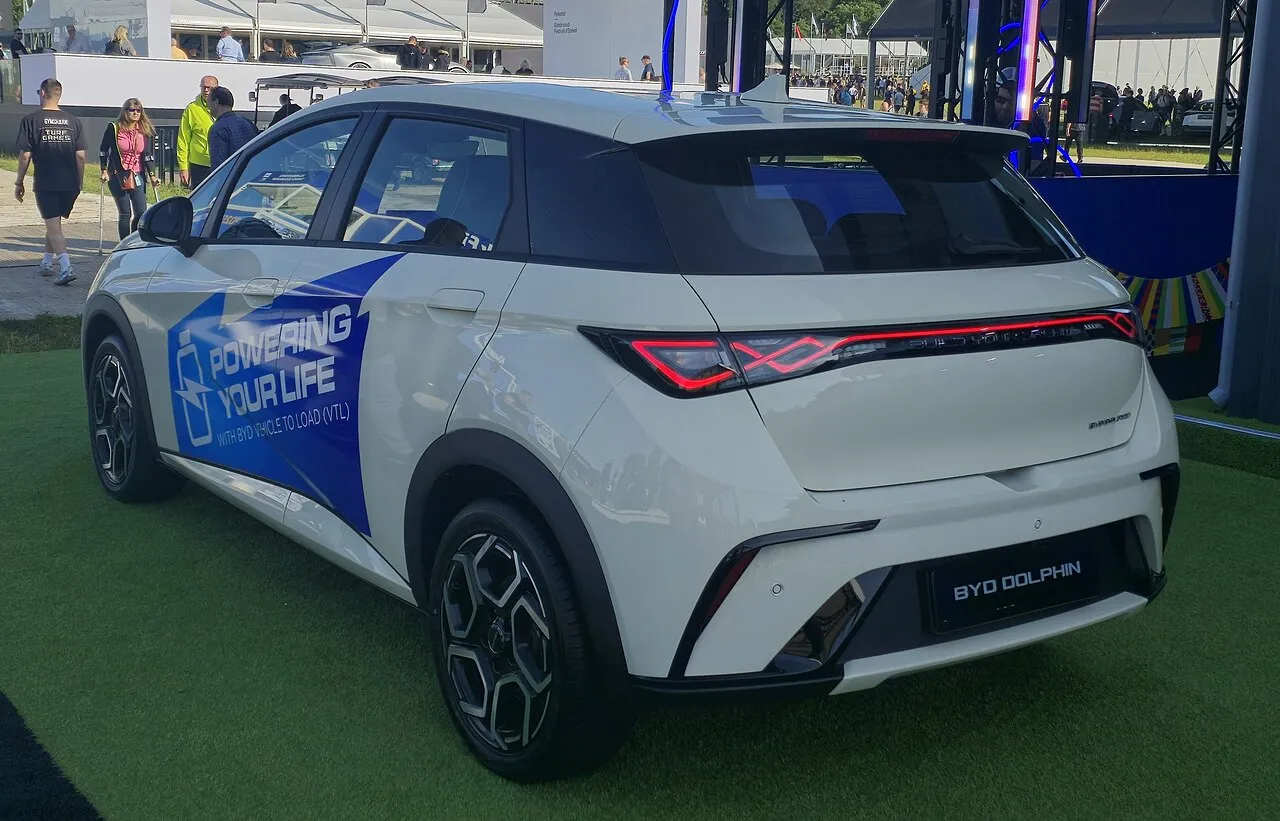
BYD’s larger Seagull will reportedly replace Europe’s Dolphin, bringing faster charging and five seats while the smaller Dolphin Surf stays on sale.
Headwinds and wet roads can raise an EV’s energy use. Learn how to judge a charging stop using actual consumption, remaining charge, and a route backup.
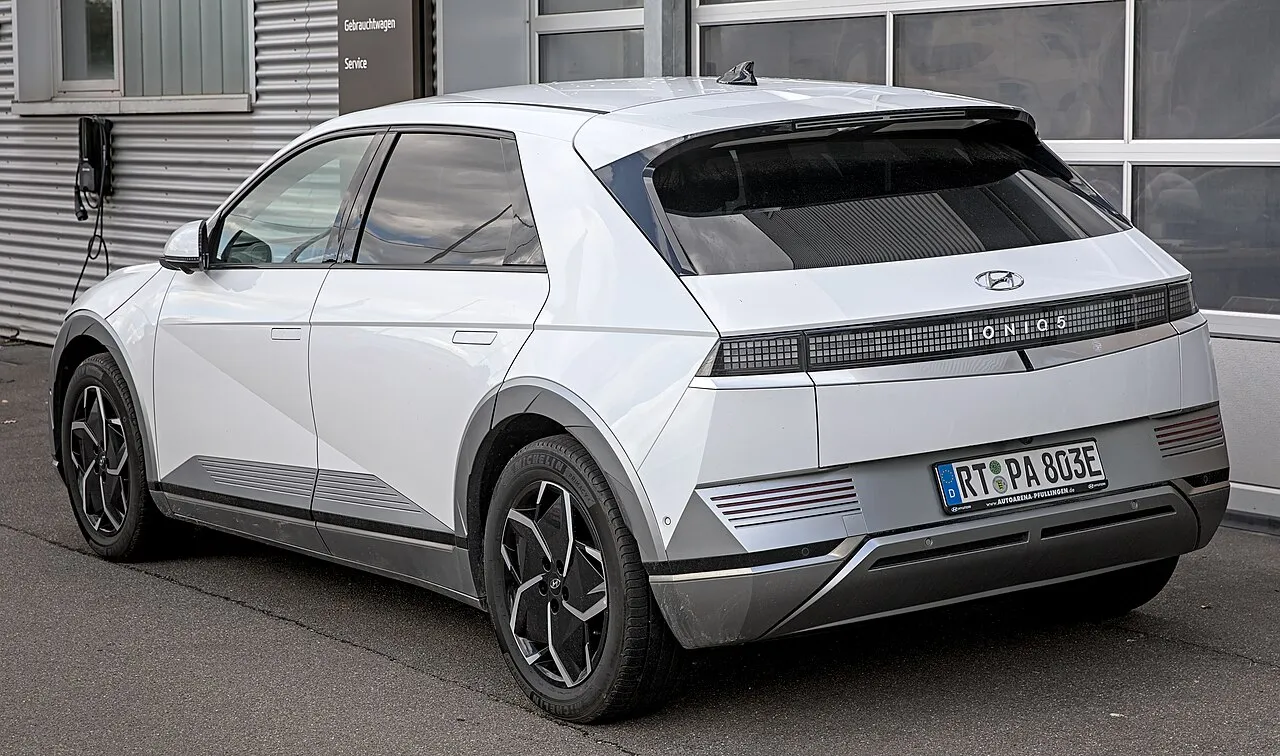
The IONIQ 5 and EV6 have similar US range and home charging figures. Their shapes differ, but published dimensions alone cannot settle cargo space.
An hour of EV charging adds range according to the energy that reaches the battery and how efficiently the car uses it. Learn the calculation and its limits.
In deep cold, an EV may use much of a household outlet's power to warm its battery, leaving little for charging. Learn why range gains can be slow.
An EV pack works within the limits of its cells. Matching capacity, resistance and state of charge helps preserve usable energy, power and balanced aging.
EV drive modes can change pedal response, steering effort and sometimes climate or regeneration settings. Learn what those changes mean for comfort and range.
High speeds, cold weather, cabin heating, wheel size and payload all increase energy use, so real-world range is often below the official rating.
EPA ratings are generally the most conservative, followed by WLTP. CLTC figures are usually the most optimistic.