LDV eDeliver 5 Sales Pick Up as Australian Fleets Weigh EV Costs
LDV says eDeliver 5 sales are accelerating in Australia, where lower running costs meet fleet concerns about charging access and driver reimbursement.

The short answer: The LDV eDeliver 5 is gaining interest among Australian buyers, with a dealer reporting five sales in six weeks. CleanTechnica says its lower running costs could help offset its higher purchase price, while charging and reimbursement remain barriers for fleet operators.
Interest in LDV’s electric eDeliver 5 appears to be picking up in Australia, where delivery businesses face a choice between paying more upfront for an electric van and potentially spending less on energy and servicing. CleanTechnica reported that a dealer who usually sells about two vans a year had sold five eDeliver 5s in the six weeks before the outlet’s visit. That early momentum comes as electric commercial vans remain a slow-selling segment in the country, despite the high annual mileage that can make fuel savings especially relevant to fleet buyers.
The eDeliver 5’s appeal is tied to the operating economics of delivery work. CleanTechnica cited one owner’s account of spending AU$3,000 to charge the van over 50,000 kilometers, compared with AU$14,000 in diesel for a previous van over the same distance. That is an individual owner’s reported comparison, not a fleet-wide cost study, but it illustrates why businesses that drive heavily may consider the electric option even when it costs more to buy.
For buyers, the central question is whether those day-to-day savings can make up for the higher purchase price and whether charging can fit into the workday. CleanTechnica said the diesel Deliver 5 costs AU$10,000 to AU$12,000 less than the electric model. The outlet also described charging reimbursement and the use of multiple charging apps and providers as complications for fleet operators. The van’s growing sales interest will therefore depend on more than its claimed cargo capacity or energy costs: businesses also need a workable way to charge vehicles and account for that electricity.
Higher purchase price, lower reported running costs
CleanTechnica’s report put the eDeliver 5’s cargo volume at 6.6 cubic meters, which the outlet said is 50% more than the Korean competition it discussed. It also said the van is priced the same as the Kia PV5. The report did not identify a price figure for either vehicle, so a direct dollar comparison is not available from its account.
The diesel Deliver 5, according to CleanTechnica, is AU$10,000 to AU$12,000 cheaper than the electric version. The outlet argued that high mileage could help close that gap through lower fuel costs. Its example came from one eDeliver 5 owner, who told the dealer that charging over 50,000 kilometers had cost AU$3,000. The owner compared that with AU$14,000 in diesel for the previous van over the same distance and said that even selling the electric van for nothing after five years would leave them ahead.
That account gives a useful indication of how an individual buyer sees the tradeoff, but it does not establish what every operator will save. The report does not give a broader sample of energy costs or explain the circumstances behind the owner’s comparison. Businesses considering a purchase would still need to weigh their own routes, charging arrangements and vehicle use against the purchase-price difference.
Servicing is another part of the comparison. CleanTechnica reported that eDeliver 5 service costs about AU$735 every two years or 30,000 kilometers. The outlet contrasted this schedule with a diesel Toyota HiAce that, according to the dealer, needs servicing every 10,000 kilometers. The dealer said EV servicing includes checking gearbox oil and battery coolant. The report did not provide a total maintenance-cost comparison for the two vans.
Charging could shape fleet adoption
The eDeliver 5 has an LFP battery and a range of 320 kilometers, according to CleanTechnica. The outlet also described its vehicle-to-load feature as putting out 6.6 kWh of charge. One local customer reportedly uses that feature to run a refrigerator in the van. These features may be useful to some operators, but daily routes and the ability to recharge will determine whether the van can cover a full shift.
CleanTechnica noted that some couriers reportedly drive 500 kilometers a day around Brisbane’s suburbs. At that distance, a van with a stated range of 320 kilometers would need to charge during the day. The outlet mentioned high-speed chargers at some nearby service stations, including BP Pulse, and suggested delivery vans might use them. It did not report that the cited chargers were being used by eDeliver 5 fleets.
Charging away from a depot raises practical questions for employers. According to CleanTechnica, the dealer identified the “fuel card” as a major obstacle: drivers may have to deal with multiple apps and charging providers, and home charging creates a separate question about how to reimburse an employee or contractor. The outlet said the dealer and its reporter discussed the issue, particularly for contractors and owner-operators. It did not describe a reimbursement system adopted by a fleet.
One eDeliver 5 driver quoted in the report described a different usage pattern. The owner said the van carried tools and weighed 2.4 tonnes, and that mostly city driving with some highway use produced about 250 kilometers of driving before recharging from around 10%. The driver said they covered about 100 kilometers a day and charged every second or third day. That account suggests the vehicle can fit some lower-mileage work routines, though it represents one owner’s experience.
Sales signal and market context
CleanTechnica reported that 77 eDeliver 5 units had sold in Australia since the model’s July launch. The outlet’s dealer said August through November is the peak sales period and reported five eDeliver 5 sales in the six weeks before the visit. The same dealer usually sells about two vans a year, according to the report. Those figures point to rising interest at that dealership, while the national total remains small.
The outlet described electric vans as one of Australia’s slowest vehicle segments to electrify, even though commercial vehicles can have predictable, high daily mileage. In its report, CleanTechnica presented lower running costs, comfort and a purchase price it described as below price parity as reasons buyers might consider electric vans. It also noted that the electric Deliver 5 costs more upfront than the diesel version, underscoring that the purchase decision depends on how the initial gap compares with a business’s expected savings.
LDV is owned by China’s SAIC, according to CleanTechnica, which said the brand was sold to SAIC after the collapse of British Leyland. The outlet also reported a comment from LDV Australia general manager Dinesh Chinnappa, who said geopolitical tensions, fuel insecurity and rising diesel costs had prompted the company to bring forward its plans to introduce the eDeliver 5. Chinnappa said initial stock would be limited.
The report also relayed a dealer’s account of increased customer interest amid fuel uncertainty. The dealer described a customer who returned three weeks after buying a new diesel ute and wanted to trade it in, even offering the customer’s wife’s car as part of the deal; the numbers did not work out. This is an anecdote from the dealer, rather than a sales trend measured across the market.
What comes next
For now, the clearest sign of momentum is the dealer’s recent sales and the 77 units CleanTechnica said had sold since launch. The report does not establish whether that pace will continue across Australia. The dealer’s peak sales period was described as August to November, and LDV’s general manager said supply would initially be limited.
Broader uptake will depend on whether businesses can make the economics and logistics work together. The owner’s reported energy costs and the service interval described by the dealer offer reasons to consider the van, especially for high-mileage use. But the diesel model’s lower upfront price, the need for midday charging on longer routes, and the challenge of reimbursing drivers for charging at home or through different providers remain relevant to purchasing decisions.
CleanTechnica reported that LDV also sells the larger eDeliver 7 and eDeliver 9. The outlet said it planned to look at other small cargo vans on the Australian market, but its report did not provide further comparisons. For prospective eDeliver 5 buyers, the next evidence to watch is whether the early sales interest continues and whether fleet operators find practical ways to handle charging and driver expenses.
Frequently asked questions
How many LDV eDeliver 5 vans have sold in Australia?
CleanTechnica reported that 77 units had sold since the model’s July launch. A dealer told the outlet that five had sold at that dealership in the preceding six weeks.
What range does the eDeliver 5 have?
CleanTechnica reported a 320-kilometer range and an LFP battery. The outlet also quoted one owner who reported about 250 kilometers before recharging in their use.
How much does the electric Deliver 5 cost compared with the diesel?
CleanTechnica said the diesel Deliver 5 costs AU$10,000 to AU$12,000 less than the electric version.
What charging issues did the report identify for fleets?
CleanTechnica said fleet operators may have to manage multiple charging apps and providers, and work out how to reimburse drivers who charge at home.
Related stories
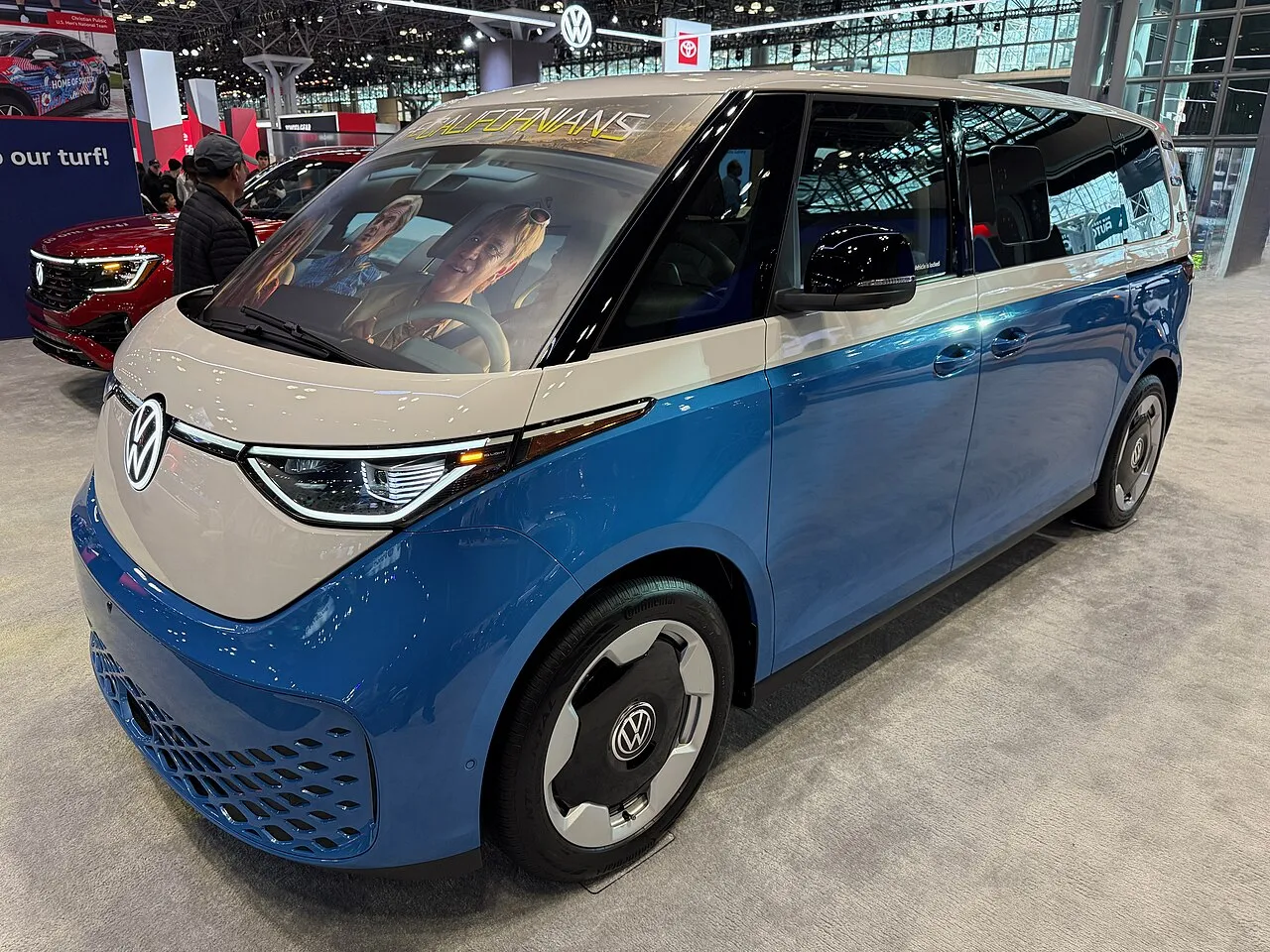
How the Volkswagen ID. Buzz Works for Everyday Use
The ID. Buzz pairs a van-like cabin with an electric drivetrain. Here is how its layout can shape passenger access, parking, cargo use and daily trips.
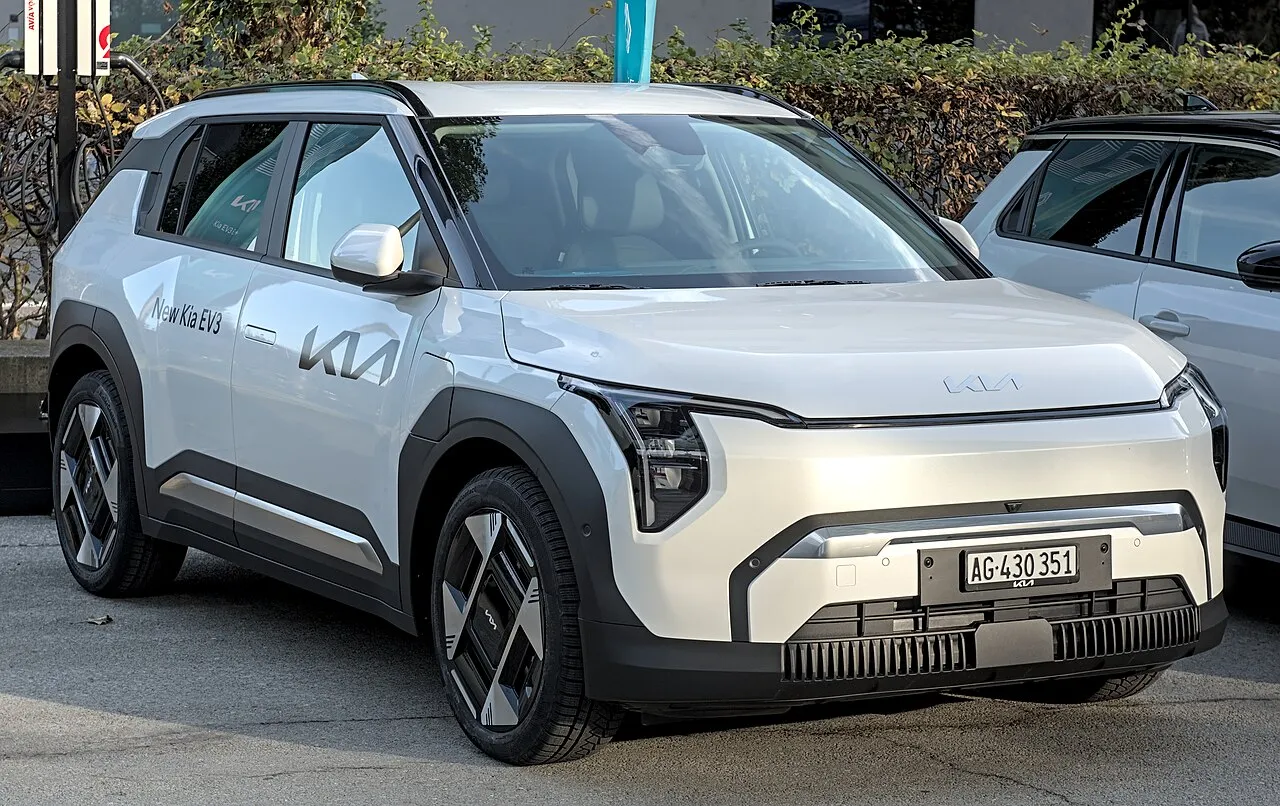
Kia EV3 Loses Australian Buyers to BYD on Price and Features
A couple who considered Kia’s EV3 chose a BYD Atto 3 instead, weighing price, equipment, styling, dealer experience and concerns about long-term support.
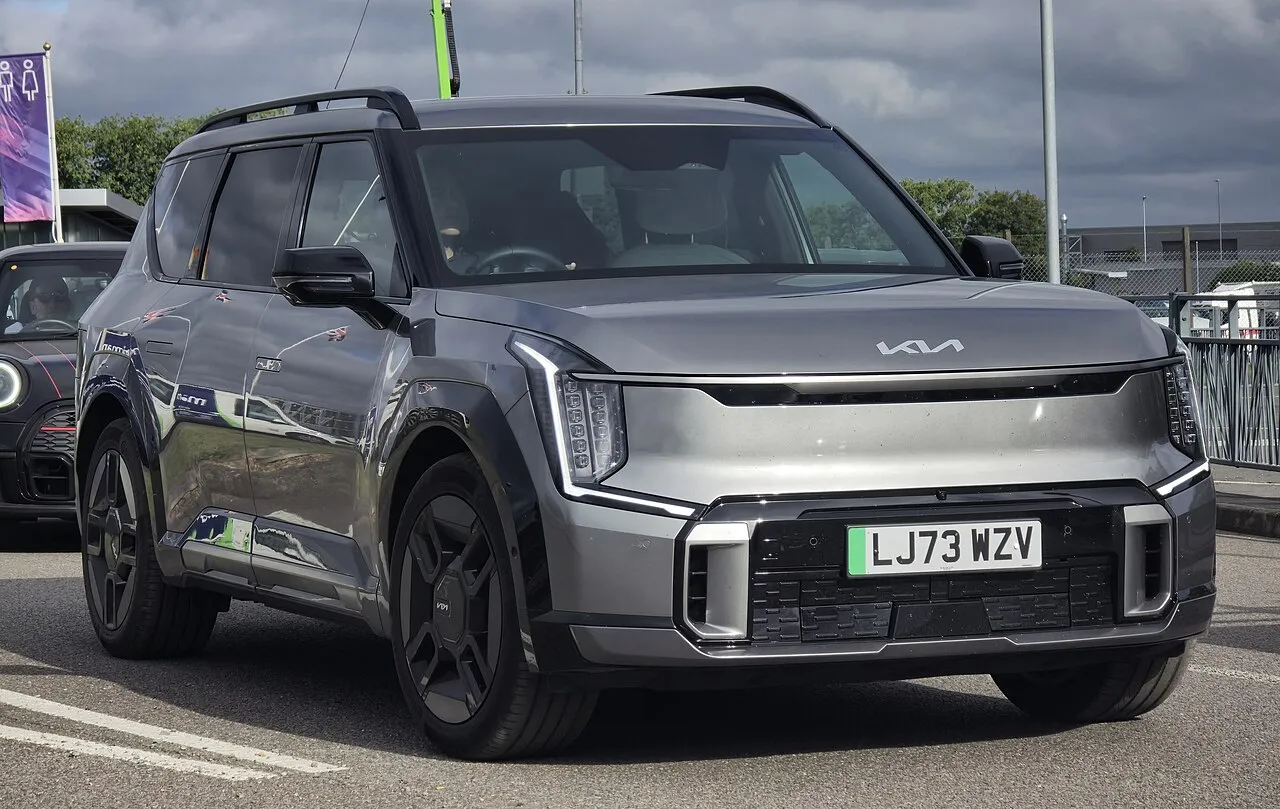
Kia EV9 vs. Volkswagen ID. Buzz: Which Fits a Large Family?
The EV9 offers three rows in an SUV, while the ID. Buzz brings minivan-style access. Compare family seating, cargo flexibility and published range.