EU EV Registrations Outpaced Gas and Diesel Cars in October
EU registrations of fully electric cars rose 61.4% in October, putting EVs ahead of gasoline and diesel combined as growth in Germany and France drove the jump.

The short answer: Yes. Fully electric cars recorded 279,799 EU registrations in October 2026, ahead of gasoline and diesel cars combined at 210,147. Gasoline and diesel still led EVs across the first ten months of the year.
Fully electric cars outsold gasoline and diesel cars combined in the European Union in October, a shift that shows how quickly the gap has narrowed in a market still led by hybrids over the year to date. According to figures from the European Automobile Manufacturers’ Association (ACEA), EU registrations of fully electric passenger cars reached 279,799, up 61.4% from October 2025. Gasoline cars recorded 158,970 registrations and diesels 51,177, for a combined 210,147.
The monthly result matters because it marks a sharp change from the position a year earlier. InsideEVs reports that gasoline and diesel cars had a lead of about 127,000 registrations over EVs in October 2025. In October 2026, fully electric cars finished nearly 70,000 ahead of the two combustion categories combined. The October total also exceeded the roughly 55,000-car margin by which EVs had beaten gasoline and diesel across the third quarter.
October’s result does not mean fully electric cars have overtaken combustion cars across the full year. From January through October, gasoline and diesel together still led EVs, with 2.62 million registrations against 2.21 million. But the distance between them has contracted substantially: at the same point a year earlier, the combined gasoline and diesel total was more than twice the EV tally, according to InsideEVs.
Germany and France account for much of the increase
Growth in Germany and France explains much of October’s EU-wide rise. The two countries recorded about 69,500 more electric car registrations than they did in October 2025, nearly two-thirds of the EU’s increase, according to InsideEVs.
Germany registered more than 94,000 new EVs in October. Fully electric cars made up 37% of the country’s new-car market that month. France recorded nearly 62,000 electric registrations, enough for EVs to outsell conventional hybrids there, which accounted for about 55,400 cars.
Those country results help explain why the EU total changed so markedly in a single month. Germany’s EV registrations alone were more than 94,000, while France’s were close to 62,000. Together, their additional registrations year over year were large enough to represent nearly two-thirds of the EU increase. The figures also show that the overall result reflects strong growth in major markets, rather than a uniform outcome in every member state.
Romania illustrates that variation. EV registrations there rose almost 47% in October even as the overall car market contracted. Electric cars narrowly edged gasoline cars, with 1,495 registrations against 1,488, a difference of just seven. Once diesels are included, combustion cars still had the advantage. Conventional hybrids were more numerous than either of those individual categories, with more than 6,600 registrations.
Hybrids remain the leading choice across the year
The October comparison is between fully electric cars and two categories of cars with combustion engines. It does not include hybrids in either side of that calculation. ACEA counts hybrids separately, including mild hybrids that use a gasoline or diesel engine. That distinction matters when interpreting the headline result: fully electric cars beat gasoline and diesel combined in October, while hybrids remain more popular across the broader EU market.
Full and mild hybrids accounted for 36% of registrations through October, according to InsideEVs, compared with 23.4% for fully electric cars. Those figures describe the first ten months, not October alone. They show that the monthly EV lead over gasoline and diesel has not yet translated into EV dominance across all powertrain types or the year-to-date market.
The longer-term sequence nevertheless points to a change in the monthly balance. In October 2025, fully electric cars still represented only 16.4% of registrations over the first ten months in the EU, UK and European Free Trade Association markets combined, according to InsideEVs. Within the EU, the outlet says gasoline cars comfortably outsold EVs even in October 2025, before diesel registrations were added to the comparison.
In December 2025, EVs first outsold gasoline cars across the EU in a single month. By the third quarter of 2026, they had also passed gasoline and diesel combined over the three-month period, with an advantage of about 55,000 registrations across July, August and September. October’s result extended that run: the monthly EV margin was larger than the third-quarter combined margin, according to InsideEVs.
More models are arriving, but access can be limited
InsideEVs attributes part of the expanding market to a wider choice of electric cars. The outlet reports that the number of electric models offered in Europe grew by about half in a year, with many of the additions being small, lower-priced models. It names the Renault 5, Cupra Raval and Volkswagen ID. Polo as options for buyers looking for a small hatchback.
More choice does not necessarily mean every model is readily available. According to InsideEVs, Volkswagen had reportedly received more than 50,000 orders for the ID. Polo, while buyers in Germany faced waits of up to 21 months for the cheapest version. That reported order total and wait time suggest demand can outpace deliveries for at least some new models. They do not establish how long buyers elsewhere in Europe might wait.
The October registration figures capture cars registered during the month, not orders placed or factory output. The reported ID. Polo orders therefore offer a separate indication of demand, rather than an explanation for the full October jump. The source does not attribute a specific share of registrations to any one new model.
What the figures show next
October’s lead is a notable monthly milestone, but the year-to-date totals remain the more cautious measure of the overall market position. EVs are still behind gasoline and diesel combined across the first ten months of 2026, and hybrids remain the largest category by share. The distance between EVs and the combined gasoline-and-diesel total has narrowed considerably compared with a year earlier.
The next question is whether the October result becomes a sustained pattern across the EU. The available figures establish a 61.4% year-over-year increase for fully electric registrations in October and identify Germany and France as the largest contributors to the increase. They do not establish whether the same pace will continue in later months. For buyers, the model expansion points to more options in the small-car segment, while the reported German wait for the cheapest ID. Polo version shows that availability may differ from the breadth of choice.
For the industry, the results make two trends visible at once: fully electric cars can now beat gasoline and diesel together in an individual EU month, while hybrids and the year-to-date combustion total remain substantial. October was a decisive month for EV registrations, but the first ten months still show a mixed market rather than a complete shift away from combustion-powered cars.
Frequently asked questions
How many fully electric cars were registered in the EU in October 2026?
ACEA recorded 279,799 fully electric passenger car registrations, a 61.4% increase from October 2025, according to InsideEVs.
Did EVs lead gasoline and diesel cars for the whole of 2026?
No. Through October, gasoline and diesel combined recorded 2.62 million registrations, compared with 2.21 million for fully electric cars.
Which countries drove most of the October EV increase?
Germany and France recorded about 69,500 more electric car registrations combined than in October 2025, nearly two-thirds of the EU increase.
Are hybrids included in the gasoline and diesel comparison?
No. ACEA counts hybrids separately. Full and mild hybrids accounted for 36% of registrations through October, according to InsideEVs.
Related stories

EU Electric Car Share Hits 17.4% as Gas Sales Fall
Battery-electric cars reached 17.4% of EU registrations in 2025 as gasoline and diesel lost ground, while hybrids remained the largest powertrain category.
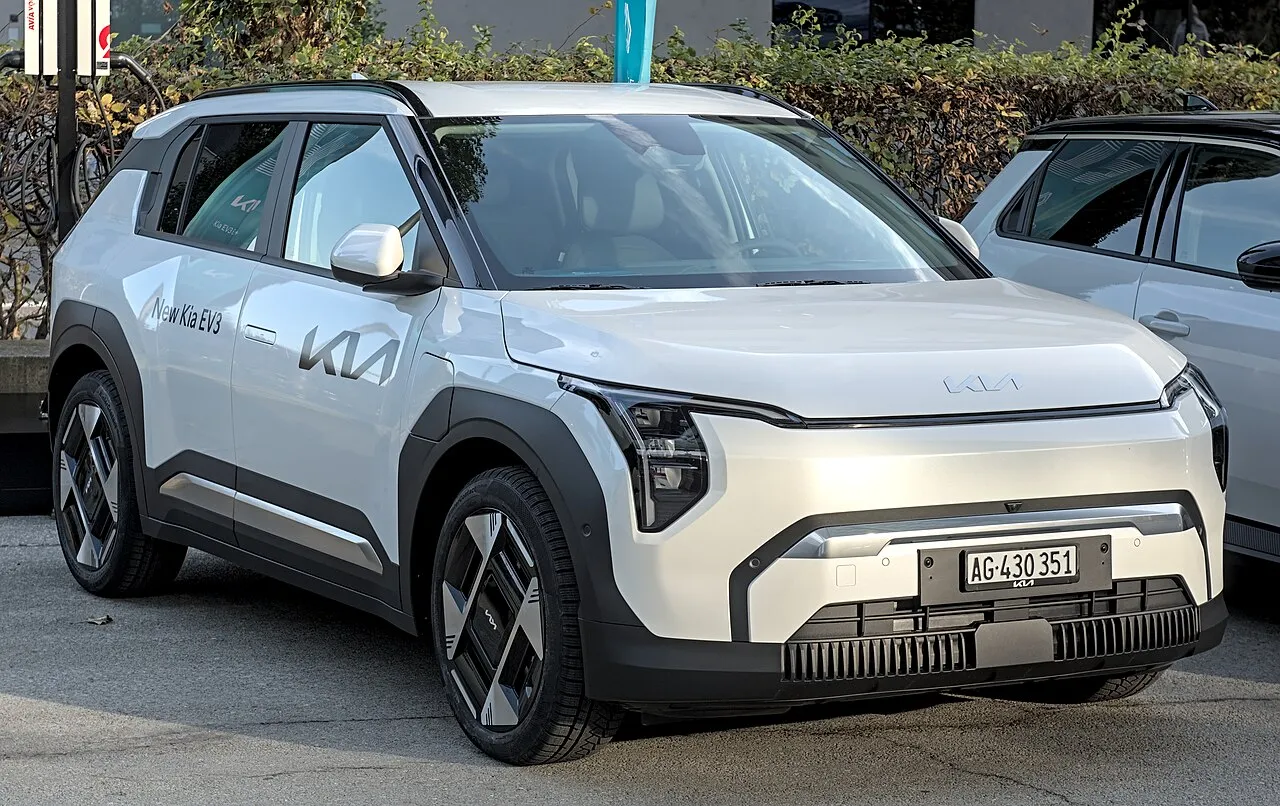
Kia EV3 Loses Australian Buyers to BYD on Price and Features
A couple who considered Kia’s EV3 chose a BYD Atto 3 instead, weighing price, equipment, styling, dealer experience and concerns about long-term support.
Hyundai Venue Is America’s Cheapest New Car at $22,200
With the Nissan Versa gone, the 2026 Hyundai Venue takes the low-price lead. Autoweek reports its SEL test car cost $24,440 before taxes and fees.