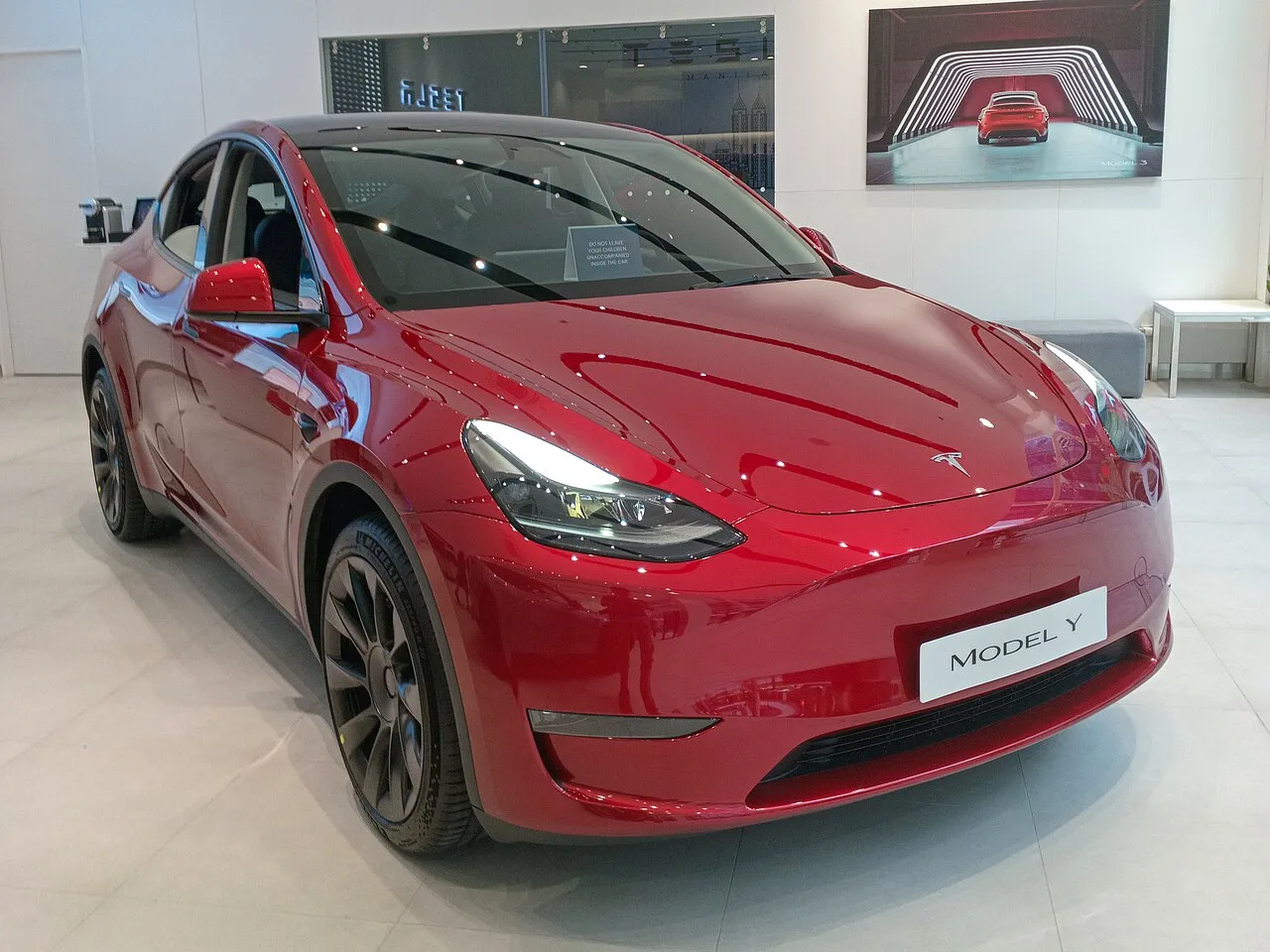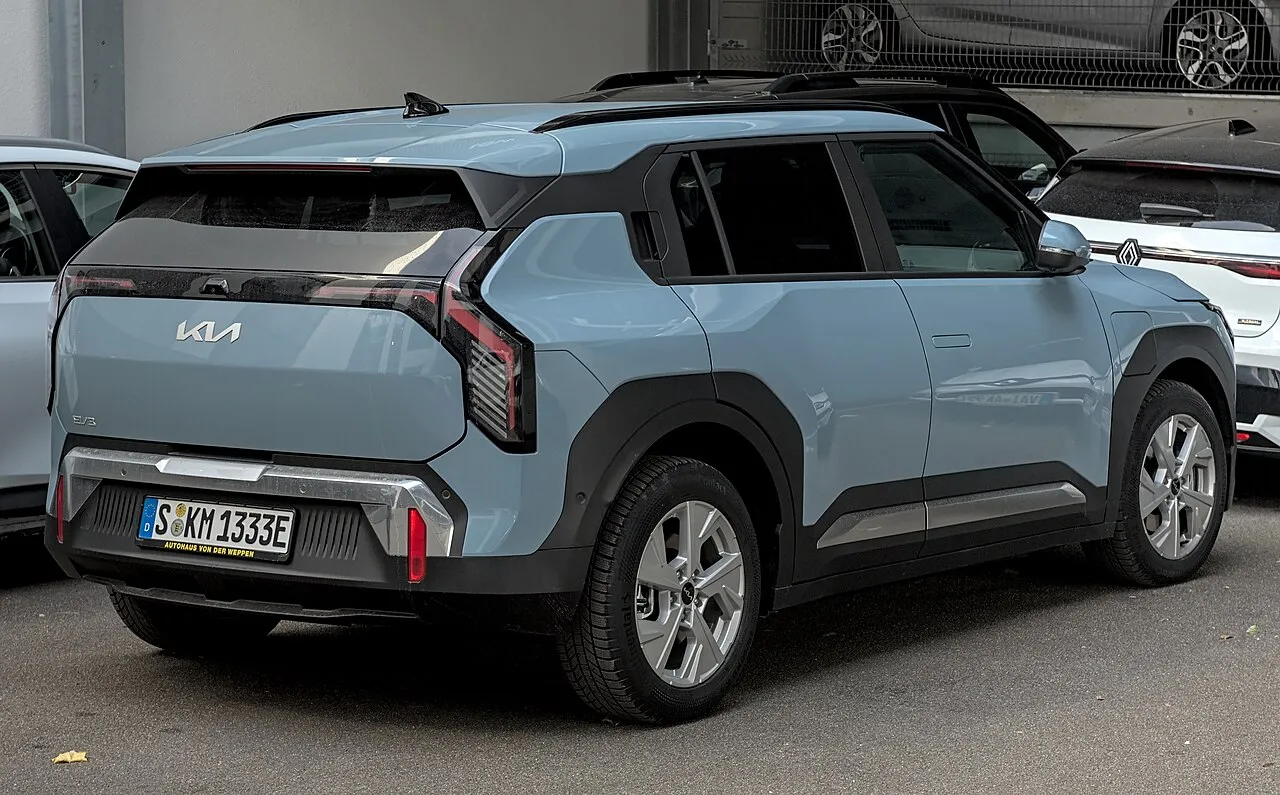
Kia EV3 or Volvo EX30: Which Compact EV Fits?
The Kia EV3 offers more EPA range, while the Volvo EX30 counters with varied powertrains. Compare space, charging and versions before choosing.
How DC fast charging works, what limits charging speed and how to charge quickly on long trips.
News, explainers and expert context.
The Kia EV3 offers more EPA range, while the Volvo EX30 counters with varied powertrains. Compare space, charging and versions before choosing.
The Model Y has higher EPA range ratings, but family fit needs a closer look. Compare cabin and cargo questions, home charging times, and trip planning.
At some DC fast-charging sites, vehicles share a power budget. Learn when another car can lower your charging output and how to interpret the power display.
Public AC charging can add useful energy while you park, but the result depends on your stay, the car's AC limit, the plug's output and charging losses.
An EV charger and the car can show different power levels because they measure electricity at different points, before and after charging losses.
Running cabin heat or AC while plugged in uses energy that could charge the battery. The effect on charging speed depends on the power source and the vehicle.
Fans, pumps and compressors can run while an EV charges to manage battery temperature. Learn which sounds are routine and when a noise deserves attention.
Use an EV's usable battery capacity to estimate energy added between charge levels. Gross capacity includes a reserved buffer, while charging adds losses.
A repeatable charging stop often means the car reached its battery limit. Learn where to check the setting and when a stop points to a different issue.
The car reduces charging power as the battery fills to protect the cells, so the last 20% takes much longer than the first 80%.
Occasional fast charging has little effect. Frequent fast charging, especially in high heat, can accelerate degradation slightly, which is why the car manages power carefully.