Battery Electrolyte Redesign Targets Faster EV Charging
University of Maryland researchers are redesigning battery electrolytes to speed EV charging, with a small pouch cell meeting a federal charging target.
How DC fast charging works, what limits charging speed and how to charge quickly on long trips.
News, explainers and expert context.
University of Maryland researchers are redesigning battery electrolytes to speed EV charging, with a small pouch cell meeting a federal charging target.
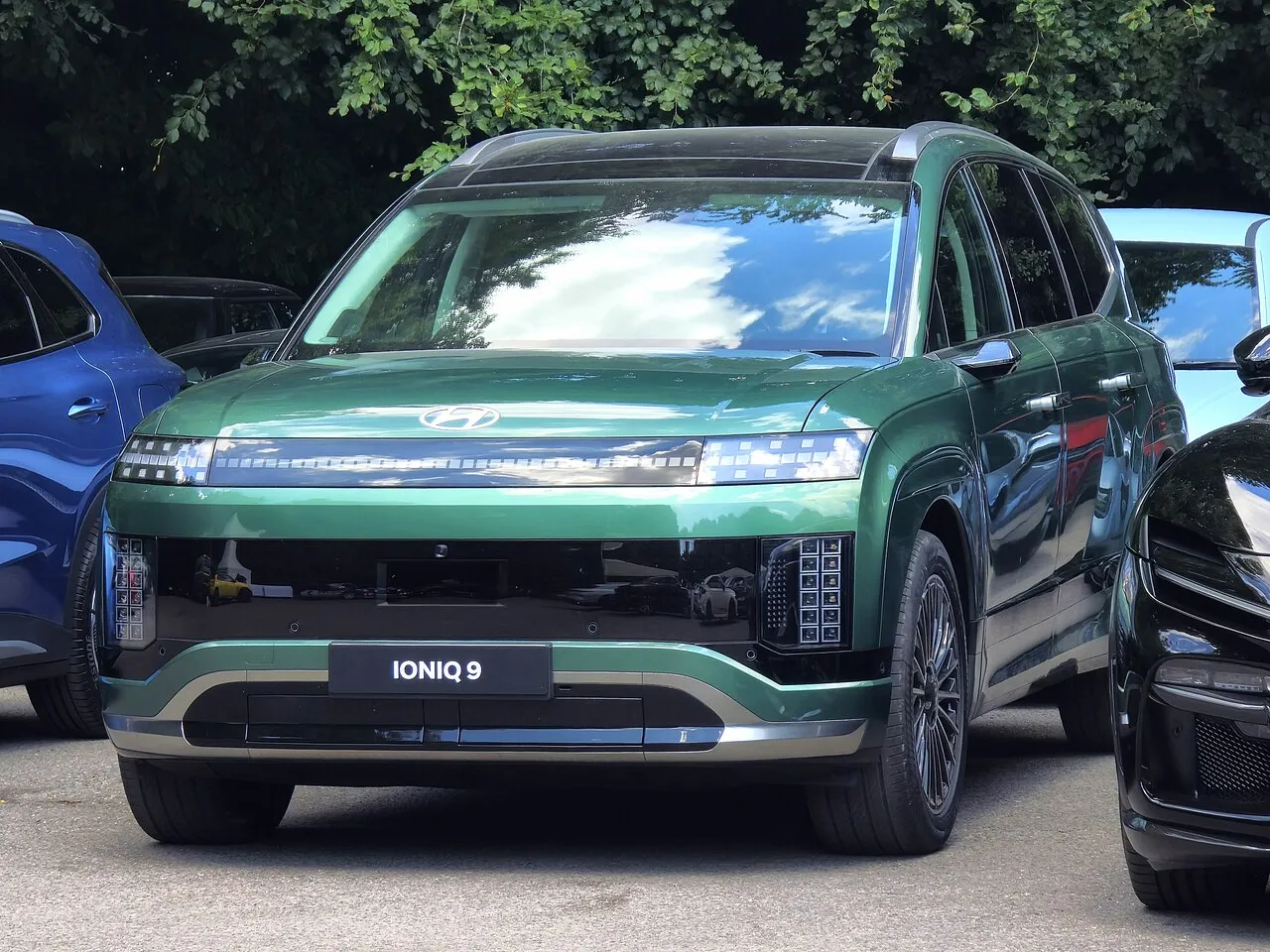
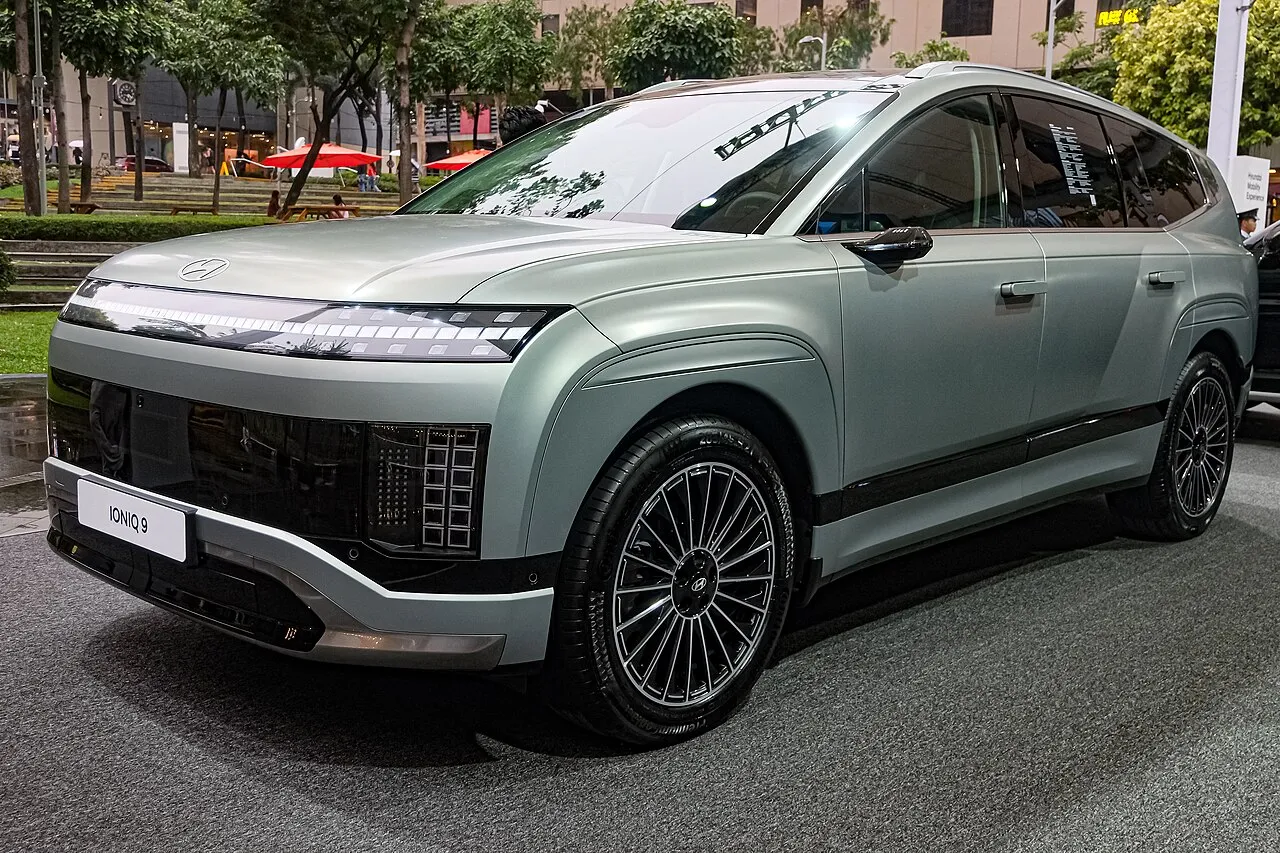
Compare the Hyundai IONIQ 9 and Volvo EX60 on EPA range, charging, battery capacity, performance, dimensions and US pricing, with market differences explained.
Compare Hyundai IONIQ 9 and Kia EV9 EPA range and charging times, with clearly labeled European battery, performance and size figures for American buyers.
Free EV charging can still involve purchases, parking fees or a long wait. Learn how access rules and charging time affect the practical value of a stop.
An EV can work without home charging if weekly energy needs match dependable charging stops. Evaluate parking, access and backup options before buying.
A DC fast charger uses switching electronics, energy storage and feedback controls to turn AC power into regulated DC for an electric vehicle’s battery.
DC fast chargers check for unwanted electrical paths to earth before delivering power. Learn how insulation monitoring works and why a fault stops charging.
NACS uses the same two power contacts for AC and DC charging. Internal switching directs power through the onboard charger or toward the battery safely.
US charging levels and European AC and DC labels describe different things. Compare power, electrical supply and vehicle limits to understand charging.
The car reduces charging power as the battery fills to protect the cells, so the last 20% takes much longer than the first 80%.
Occasional fast charging has little effect. Frequent fast charging, especially in high heat, can accelerate degradation slightly, which is why the car manages power carefully.