Tesla Robotaxi Service Opens in San Antonio With a Large Zone
Tesla has opened robotaxi rides in San Antonio across a reported 274-square-mile zone, though fleet size and the presence of safety monitors remain unclear.
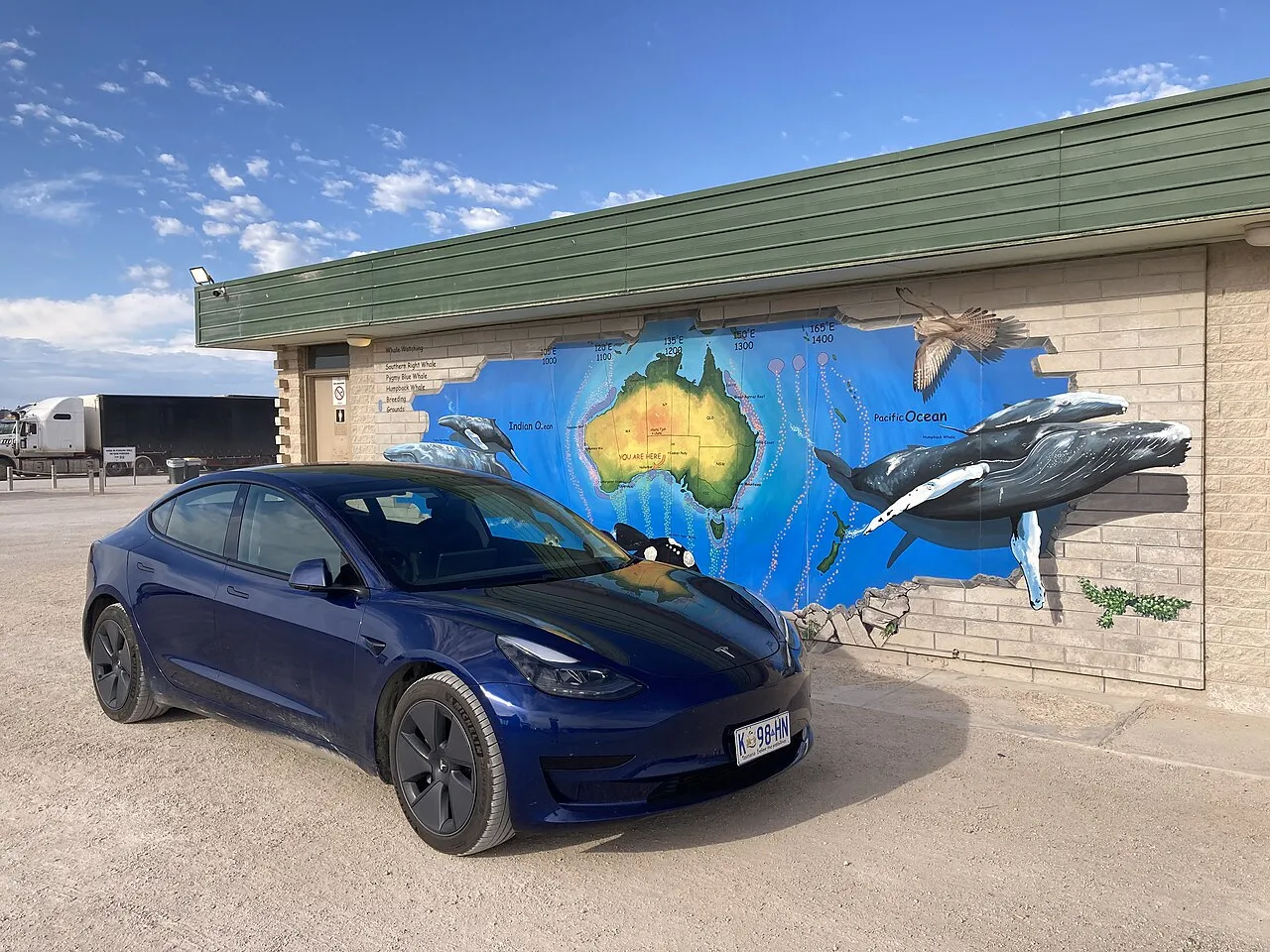
The short answer: Tesla began offering robotaxi rides in San Antonio on November 9 at 5 a.m. local time. Not a Tesla App reports a roughly 274-square-mile service area, while TechCrunch Transportation says Tesla has not clarified whether the vehicles have human safety monitors.
Tesla has opened robotaxi service in San Antonio, adding another Texas city to its autonomous ride network. Rides were set to begin at 5 a.m. local time on November 9, according to TechCrunch Transportation. For prospective riders, the immediate questions are where a trip can start and end, how many cars are available, and whether a person is monitoring the vehicle from inside. The reported service area is broad, but Tesla has not clarified all of those operating details.
Not a Tesla App reports that the San Antonio zone spans roughly 274 square miles, which would make it Tesla’s largest service area at launch. CleanTechnica reports that the area includes downtown and nearby neighborhoods, reaching The Shops at La Cantera and Six Flags Fiesta Texas on the Northwest Side. The zone does not include San Antonio International Airport, according to CleanTechnica. That boundary matters to anyone considering the service for a trip to or from a flight.
The launch also gives San Antonio riders another robotaxi option in a city where Waymo already operates, according to TechCrunch Transportation. CleanTechnica reports that Waymo serves the airport, a distinction between the two services’ current coverage. The size of Tesla’s mapped zone does not establish how quickly a rider can get a car or whether every address within its outline is available for pickup and drop-off.
Where Tesla says riders can go
Not a Tesla App describes the San Antonio service area as covering all of downtown and nearly everything inside Loop 410. It reports that the zone reaches Loop 1604 between I-10 and US-281 to the north, with a small extension farther up I-10. Its account also places the western edge beyond State Highway 151, the eastern edge beyond I-35, and the southern edge below I-410 toward I-37. These boundaries describe the reported geographic reach; they do not show how many vehicles are spread across it.
At roughly 274 square miles, San Antonio’s reported launch area is slightly larger than the 272-square-mile Austin area cited by Not a Tesla App. The outlet says Austin’s area has grown since service began there in June 2025. The comparison concerns advertised service areas at different stages of operation: San Antonio’s at launch and Austin’s after expansion. It does not indicate that the two cities have comparable fleet sizes, trip volumes, or rider availability.
Not a Tesla App also cites an analysis finding that actual pickup and drop-off zones in other Texas markets were 22% to 41% smaller than their advertised areas. It does not report an equivalent measurement for San Antonio. As a result, the 274-square-mile figure is best understood as the reported service area, rather than a verified measure of every location where a rider can begin or end a trip. For someone checking a specific address, those operational boundaries are more useful than the overall square mileage.
CleanTechnica says the number of Tesla vehicles operating in San Antonio is unclear. That limits what can be concluded from the size of the map: a large zone could give riders more potential destinations, but the sources do not establish how often cars will be available throughout it. Tesla’s launch announcement identified the start time, while TechCrunch Transportation says the company did not announce its hours of operation.
Questions about the vehicles and supervision
TechCrunch Transportation reports that Tesla did not say whether San Antonio rides would use modified Model Y vehicles, its two-seat Cybercab, or both. It also says Tesla did not clarify whether vehicles would have human safety monitors on board. Not a Tesla App describes the San Antonio launch as offering unsupervised rides and says it begins with Model Y robotaxis. Those are materially different accounts of what riders should expect, so the presence of onboard monitors remains unconfirmed by the company details reported by TechCrunch Transportation.
The distinction matters because Tesla’s earlier robotaxi operations have changed over time. TechCrunch Transportation reports that the company launched service in Austin in June 2025 with human safety operators on board. According to the outlet, Tesla removed safety monitors from its Austin robotaxis in January, beginning driverless service there. Austin’s progression does not, by itself, establish the supervision arrangements for a newly opened city.
TechCrunch Transportation describes the Austin launch as a test of whether Tesla could deploy self-driving cars using cameras and end-to-end AI. San Antonio extends that effort to another urban area, but the launch reports do not establish the new fleet’s size, its hours, or its supervision arrangements. Those details will shape how the service works for riders more directly than the city’s appearance on Tesla’s robotaxi map.
Not a Tesla App reports that San Antonio is Tesla’s eighth city with unsupervised rides and that the company’s service areas in those cities cover about 4.2 million people combined. That population figure concerns the areas covered by the service maps; it is not a count of riders or completed trips. TechCrunch Transportation, meanwhile, describes Tesla’s operations in Miami, Orlando, Dallas, Fort Worth, and Houston as limited to parts of those cities. Together, those accounts show a network expanding by city while leaving substantial differences in local coverage and operations.
How San Antonio fits into the expansion
San Antonio followed a Fort Worth launch on November 2, according to Not a Tesla App, putting two new cities on Tesla’s robotaxi map within roughly a week. The outlet says Tesla named San Antonio, Las Vegas, Phoenix, and Jacksonville as upcoming markets during its third-quarter earnings call. Its account also says Fort Worth was absent from that list. The San Antonio opening confirms one of the named markets has begun service; the sources do not give launch dates for the others.
Fleet counts elsewhere offer context for why a new service area does not necessarily mean a large number of available cars. TechCrunch Transportation reports that more than 400 autonomous vehicles are registered in Tesla’s Austin fleet. Citing Texas vehicle registration data and the Robotaxi Tracker website, it says fleets in other cities have ranged from a handful of vehicles to a few dozen. The tracker counted 24 Tesla vehicles in Fort Worth and five in Miami, according to TechCrunch Transportation. Neither figure is a count for San Antonio.
TechCrunch Transportation also reports that Tesla operates a ride-hailing service in the San Francisco Bay Area under a transportation charter permit. Although those vehicles are sometimes described as robotaxis, the outlet says a human drives them and Tesla does not have the permits required for driverless ride-hailing in California. That operation therefore should not be read as evidence of how the San Antonio service is staffed or how it operates.
Expansion into more cities is only one measure of the business. TechCrunch Transportation reports that figures Tesla released showed fewer miles driven with paying robotaxi customers in the second quarter than in the first. That network-wide change does not measure demand in San Antonio, which had not opened during those quarters. It does show why a growing map alone cannot answer how much the service is being used.
Competition and what comes next
Waymo already operates in San Antonio as well as Austin, Dallas, and Houston, according to TechCrunch Transportation. The outlet says Waymo uses driverless Jaguar I-Pace and Zeekr RT vehicles in its service. It also reports that Waymo recently restarted San Antonio operations after a five-month pause following incidents in which its vehicles became stuck after entering flooded roads. CleanTechnica says Waymo currently serves San Antonio International Airport while Tesla’s zone does not.
For a rider comparing the two, the practical differences begin with the trip itself: whether the pickup and destination fall within each company’s operating area, whether a car is available, and whether the airport is reachable. The sources establish the airport coverage difference and describe Tesla’s reported zone, but they do not establish comparative wait times or the size of either company’s San Antonio fleet. There is no basis yet to say which service will handle more local trips.
The next useful signs of Tesla’s progress in San Antonio will be clearer operating details and evidence of how the service functions across its reported area. TechCrunch Transportation says Tesla has not announced the local fleet size, operating hours, vehicle mix, or onboard monitoring arrangements. CleanTechnica likewise says the number of cars is unknown. Until those details emerge, the launch establishes that rides have begun in another Texas city, while the scale and day-to-day reach of the operation remain open questions.
Frequently asked questions
When did Tesla robotaxi rides begin in San Antonio?
Rides were set to begin November 9 at 5 a.m. local time, according to TechCrunch Transportation.
How large is Tesla’s San Antonio robotaxi area?
Not a Tesla App reports a service area of roughly 274 square miles. The figure does not verify that every address inside the area accepts pickups or drop-offs.
Does Tesla’s San Antonio robotaxi service reach the airport?
No. CleanTechnica reports that Tesla’s area does not include San Antonio International Airport, while Waymo serves it.
Are Tesla’s San Antonio robotaxis operating without safety monitors?
Not a Tesla App describes the rides as unsupervised. TechCrunch Transportation reports that Tesla did not clarify whether the San Antonio vehicles have human safety monitors on board.
Related stories

Denver Man Repeatedly Boxes In and Eggs Waymo Robotaxis
Waymo says one man has egged its Denver robotaxis at least 30 times after trapping them with traffic cones. Each reported vehicle needed cleaning.

Lucid Begins Driverless Gravity Testing in the Bay Area
Lucid, Uber and Nuro have begun driverless Gravity SUV tests in four Bay Area cities, a step toward planned paid rides in early 2027.
Tesla FSD v15 Puts AI4’s Remaining Compute Under Scrutiny
Tesla says cars will stay on AI4 as FSD v15 rolls out, raising questions about compute capacity, redundancy and whether the system can drive unsupervised.