Tesla Opens Argentina Sales With Awkward Musk Video Appearance
Tesla opened online orders for the Model 3 and Model Y in Argentina, but Elon Musk’s brief launch appearance offered little sales pitch.
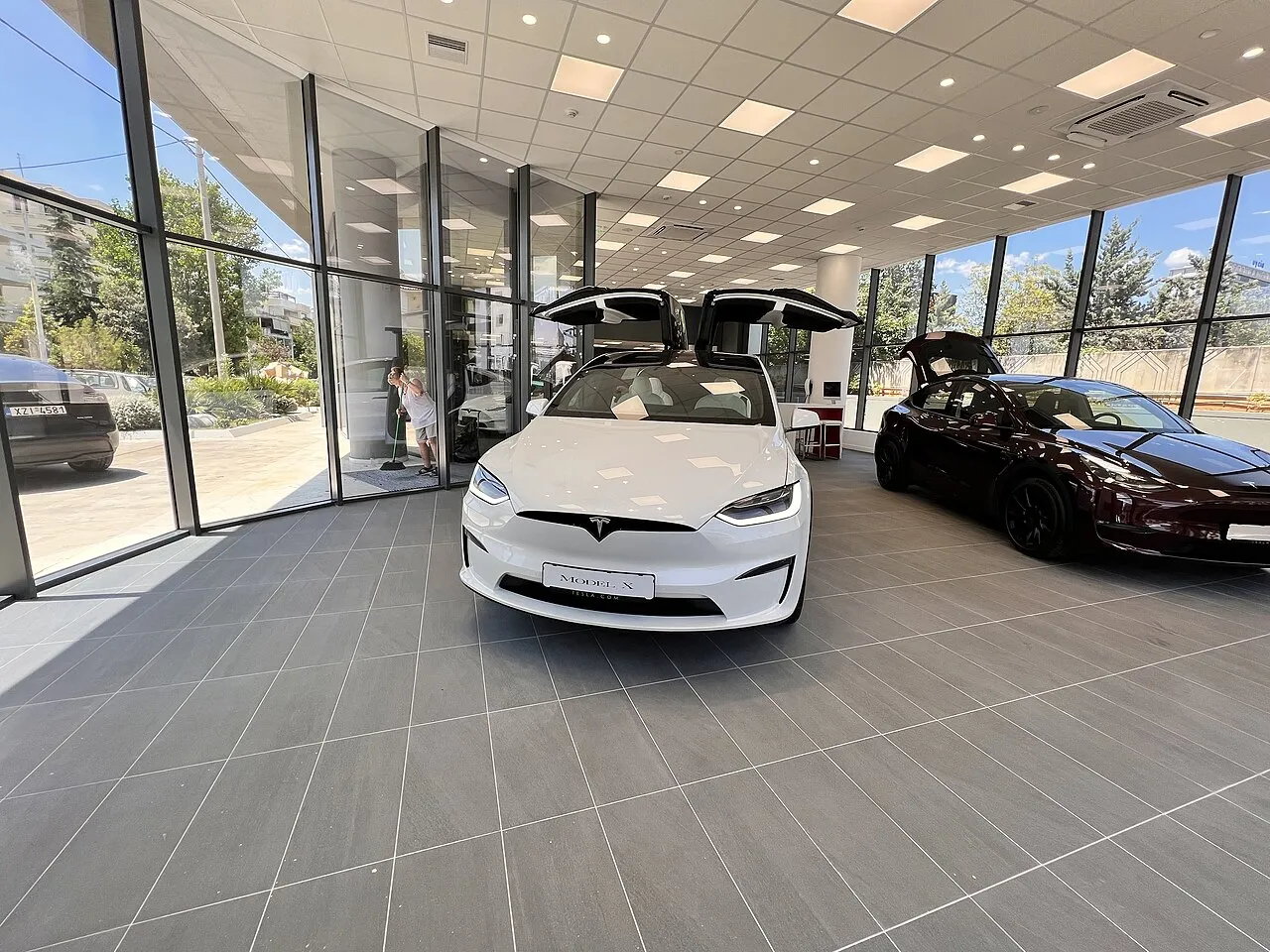
The short answer: Tesla has started selling the Model 3 and Model Y directly in Argentina, with first deliveries expected in March or April 2027. The launch also highlighted the challenge Tesla faces as BYD already leads Argentina’s EV market.
Tesla has opened online orders for the Model 3 and Model Y in Argentina, adding the country to its direct sales network in South America. The launch puts Tesla into a market where BYD already leads electric vehicle sales, while first deliveries are not expected until March or April 2027, according to Electrek.
The rollout received an unusual debut from Tesla CEO Elon Musk. Musk joined the Buenos Aires event by video from what appeared to be an airplane cabin, spoke briefly about Tesla’s arrival and a potential charging network with state owned oil company YPF, then ended the call after saying he did not know what else to say.
For Argentine buyers, the practical consequence is that Tesla vehicles can now be ordered online, with showroom space at Unicenter and Alcorta Shopping malls in Buenos Aires. There will be no traditional dealer network. For the industry, the launch marks Tesla’s fourth direct sales market in South America after Chile, Colombia and Uruguay, which began operations in July.
What happened at Tesla’s Argentina launch
The event took place Friday at Arenas Studio in Buenos Aires’ La Boca neighborhood, according to Electrek. President Javier Milei spoke for less than eight minutes before the host introduced Musk as the next guest.
Musk began by welcoming Argentina to Tesla and saying it was a joy to establish the company there. He then thanked the audience, briefly mentioned work on a charging network with YPF and paused repeatedly. The call ended after about two minutes, before Musk gave a conventional closing or explained why Argentine customers should consider the Model 3 or Model Y.
Milei laughed and bounced on stage when Musk appeared on the large screen. After the connection ended, he attempted to close the moment by telling the audience that people who do a lot talk little. He also called Musk “the Leonardo da Vinci of the 21st century,” according to Electrek.
A video of the exchange spread rapidly in Argentina. Electrek reported that one post featuring the clip had received more than 1.1 million views overnight. The attention gave Tesla substantial visibility, but it also shifted the focus of the launch away from the vehicles and toward Musk’s uncertain presentation.
Tesla’s direct sales plan
Tesla opened orders online for five versions of the Model 3 and Model Y, with all vehicles imported from Gigafactory Shanghai, according to Electrek. The company will use showroom locations in two Buenos Aires shopping malls, but customers will not buy through independent dealers.
The direct sales model gives Tesla control over ordering and customer communication. It also means that the company’s online store and its limited physical presence will carry much of the responsibility for explaining vehicle choices, delivery timing and charging arrangements to new customers.
Electrek reported that Tesla adds about $600 in reservation, destination and documentation fees to the purchase process. First deliveries are expected in March or April 2027. The report did not identify individual Argentine prices for the five versions, so the initial order announcement does not establish how Tesla’s vehicles will be positioned against competing EVs in the country.
The cars will arrive from China rather than from a nearby production facility. That makes delivery timing and import conditions central to the launch. Argentina’s EV market is already developing under a policy change that reduced import taxes on electric vehicles, according to Electrek.
Model 3 and Model Y context for buyers
The Model 3 is a sedan and the Model Y is an SUV. Their published ratings differ by market and test standard, so figures from other countries cannot be treated as Argentine range claims.
In the US, the 2027 Model 3 has EPA rated ranges from 316 miles for the Performance AWD version to 363 miles for the Premium RWD version. The 2027 Model Y has EPA rated ranges from 294 miles for the AWD version to 355 miles for the Premium RWD version. Those ratings come from the US EPA and describe US market vehicles.
For additional context, Canadian 2026 Model 3 versions have Natural Resources Canada ratings ranging from 463 to 570 kilometers, while Canadian 2026 Model Y versions range from 463 to 542 kilometers. NRCan and EPA results use different market and testing frameworks, so the figures should not be compared directly.
European versions also carry separate WLTP ratings. A 2026 Model 3 Premium RWD is rated at 750 kilometers under WLTP, while a Premium AWD version is rated at 691 kilometers. European 2025 Model Y versions range from 475 to 719 kilometers under WLTP, depending on trim. Those WLTP figures apply to European market vehicles and do not establish the range of the versions Tesla will sell in Argentina.
The distinction matters because Argentine customers ordering from a new market need information specific to the vehicles being imported. The launch announcement identified the models and the source factory, but the reported event did not include a full breakdown of Argentine trim names, prices or local range ratings.
Tesla enters a market led by BYD
Tesla is arriving after BYD has already established a leading position in Argentina’s EV market, according to Electrek. The timing gives customers another major international brand but also places Tesla in a market where electric vehicle competition is already underway.
The reduction in import taxes helped create conditions for EV sales in Argentina, according to Electrek. Tesla’s Shanghai imports will therefore compete within a market shaped by government decisions on imported electric vehicles as well as by customer demand and charging access.
Charging will be part of Tesla’s market challenge. Musk mentioned a possible network involving YPF during his brief appearance, but the report did not give a timetable, the number of planned sites or the technical details of that arrangement. Without those details, the launch establishes the relationship as part of Tesla’s message in Argentina while leaving its practical scope unclear.
The absence of dealers also makes Tesla’s own retail and charging plans especially important. Showrooms can give customers a place to see the cars, but online ordering remains the main sales route. Buyers will need to make decisions about vehicle selection, delivery and charging through Tesla’s direct system.
A difficult moment for Tesla’s car business
The Argentina launch comes as Tesla faces wider pressure in its vehicle business. Electrek reported that Tesla deliveries fell 8.6% to 1.636 million vehicles in 2025, marking the company’s second consecutive annual decline.
Electrek also characterized Musk’s recent investor messaging as increasingly focused on robotaxis and Optimus robots rather than conventional vehicle sales. That context made his performance in Buenos Aires more notable: the company was opening a new country for its cars, yet its chief executive did not offer a detailed sales message for either model.
A launch event normally gives a new market a simple explanation of what is being sold, who the vehicles are for and why customers should act. In Buenos Aires, the most detailed information came through the ordering announcement rather than Musk’s appearance. The company confirmed the Model 3 and Model Y, the online sales channel, the two showroom locations and the expected delivery window, but the short video call supplied little product information.
The awkward appearance does not determine whether Tesla will succeed in Argentina. Customers will ultimately decide based on pricing, delivery performance, vehicle availability, charging access and the ownership experience. Those factors will emerge after orders begin and as the first cars approach delivery.
What happens next
Tesla’s immediate next step is to process online orders and prepare Shanghai built Model 3 and Model Y vehicles for Argentine deliveries expected in March or April 2027, according to Electrek.
The company will also need to turn its reference to an YPF charging network into a usable plan if it wants to support long distance driving and reassure customers outside Buenos Aires. The available report does not establish when that network will open or how extensive it will be.
For Tesla, Argentina offers a new direct sales market at a time when its annual deliveries have declined. For buyers, it offers access to two established Tesla models through a new online channel, alongside competition from BYD and other EVs benefiting from lower import taxes. The success of the launch will be measured less by the viral video than by whether Tesla can deliver the cars, support charging and win customers in a market where an established EV rival already leads.
Frequently asked questions
When will Tesla deliveries begin in Argentina?
First deliveries of the Model 3 and Model Y are expected in March or April 2027, according to Electrek.
How will customers buy Tesla vehicles in Argentina?
Customers will order online. Tesla will have showroom space at Unicenter and Alcorta Shopping malls in Buenos Aires, with no traditional dealers.
Which Tesla vehicles launched in Argentina?
Tesla opened orders for five versions of the Model 3 and Model Y, all imported from Gigafactory Shanghai.
Who leads Argentina’s EV market?
BYD already leads Argentina’s EV market, according to Electrek.
Related stories
BYD Adds Storage at Busy Flash-Charging Stations in China
BYD is adding storage cabinets at busy flash-charging sites, but the fix may only delay slower charging where demand stays above the grid’s supply.

Tesla FSD v15 Reaches Older Model Ys Without Bumper Cameras
Tesla is extending FSD v15 to pre-refresh Model Ys without front bumper cameras, with early reports praising smoother driving but flagging visual lag.
Polestar Tops Tesla in Recurrent’s EV Winter Range Study
Recurrent’s study of more than 59,000 EVs puts Polestar first among automakers for winter range retention, while Tesla models lead its individual-car rankings.