Kia UK EV Sales Pass 135,000 as Electric Vans Gain Ground
Kia says it has sold more than 135,000 EVs in the UK, while its PV5 electric van has topped 7,000 registrations in 2026, linking a milestone to growing demand.
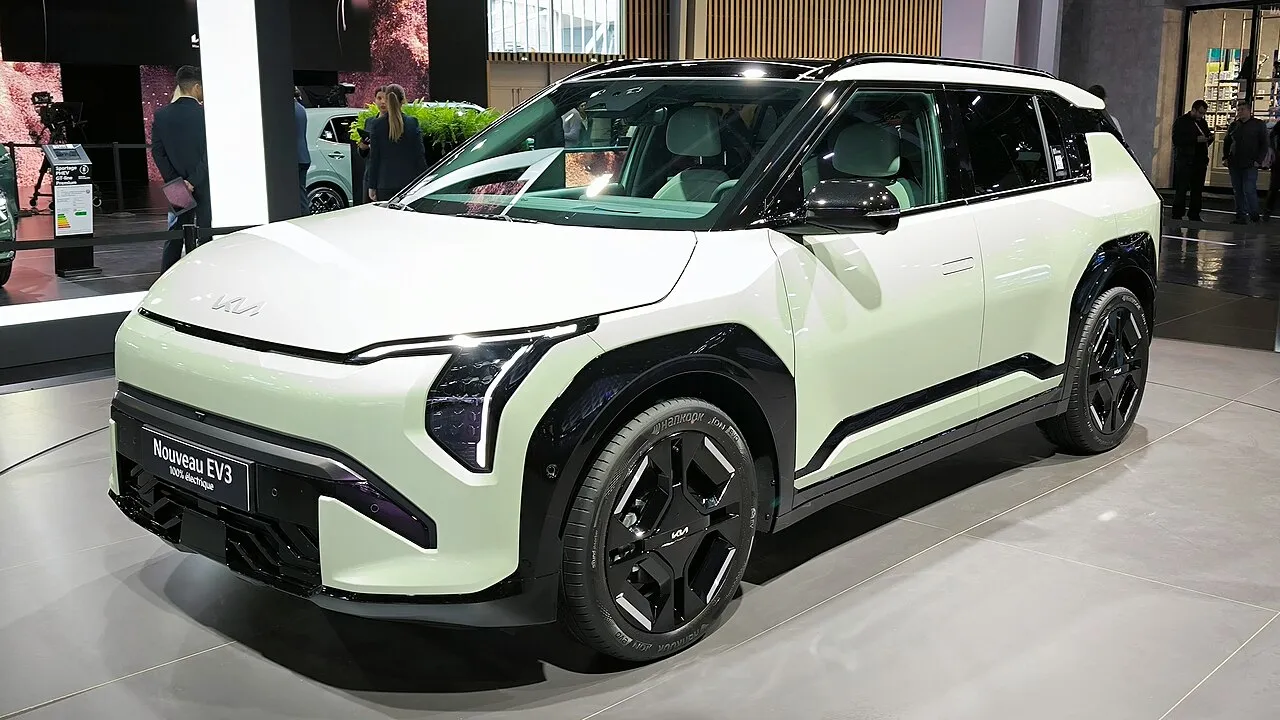
The short answer: Kia has sold more than 135,000 EVs in the UK, according to WhichEV. The outlet reports that the PV5 has recorded more than 7,000 UK registrations in 2026.
Kia’s cumulative electric vehicle sales in the UK have passed 135,000, according to WhichEV, as the automaker marks 40 years since building its first EV. The milestone comes alongside a return to electric vans: WhichEV reports that the PV5 has recorded more than 7,000 UK registrations in 2026. For buyers, the figures show how far Kia’s electric lineup has expanded since its first UK EV went on sale in 2014. For the industry, the van’s reception suggests Kia’s electric business now reaches well beyond passenger cars.
According to WhichEV, fully electric models account for more than 37% of Kia’s total UK sales so far in 2026. Kia reached its 100,000th UK EV sale in March, the outlet reports, meaning the cumulative total has risen by more than 35,000 since that milestone. Those figures describe Kia’s sales in the UK; they are not a measure of its global EV sales or its share of the entire British car market. They do show that electric vehicles have become a substantial part of the brand’s business in a market where it has sold them for just over a decade.
Electric vans return to the center of the story
The PV5 is the first vehicle in Kia’s dedicated Platform Beyond Vehicle, or PBV, range, according to WhichEV. It is in its first full year of UK sales, and Kia says demand has exceeded its forecasts. WhichEV reports that Kia identifies the PV5 as the UK’s bestselling electric light commercial vehicle. The reported registration count and that ranking are distinct claims: the count describes how many PV5s have been registered this year, while the ranking describes its position among electric light commercial vehicles.
The PV5 gives Kia a way to address buyers whose daily work depends on carrying cargo or passengers, as well as those choosing an electric family car. That makes the van significant to the sales milestone. Kia’s first EV was also a van, but it served a narrowly defined event role rather than retail customers. Four decades later, the PV5 is part of a commercial range that Kia intends to expand. The anniversary therefore connects two different applications for electric drive without making the original Besta EV a predecessor in the showroom sense.
For UK van buyers assessing the current model, WhichEV cites Kia’s figures for the PV5 Cargo L2/H1: a 51.5-kWh battery with a 184-mile WLTP range, or a 71.2-kWh battery with a 258-mile WLTP range. Other body configurations have different range ratings. Kia also quotes up to 4.4 cubic meters of load space and a 10% to 80% rapid charge within 30 minutes, according to the outlet. The range ratings use the WLTP test procedure; distance on a particular trip will depend on conditions including the load, temperature and driving style.
Charging time matters differently to a working van than it might to a vehicle used for an occasional long trip. A cargo buyer must consider how charging fits around a route and how much equipment or freight the van carries. Kia’s quoted rapid charging time describes a particular charge window, from 10% to 80%, rather than the time required for a full charge. WhichEV notes that battery condition and the charger used also affect rapid charging. The published cargo figures give buyers starting points, while the appropriate configuration depends on the job.
From race support to retail EVs
Kia built the Besta EV to support marathon runners during the 1986 Asian Games in Seoul, according to WhichEV. It carried broadcasting and timekeeping equipment ahead of the field without directing diesel exhaust toward the athletes. The van returned for the 1988 Seoul Olympic Games. Its purpose explains the early choice of electric power: the vehicle needed to travel with the runners and carry event equipment, and avoiding tailpipe emissions along the course was central to the assignment.
According to WhichEV, Kia converted an existing Besta van by removing its 2.0-liter four-cylinder diesel engine and installing an electric motor and a 35-kWh battery pack. The design brief called for more than 42 kilometers, or about 26 miles, on one charge so the van could cover the event. That distance was a requirement, not a tested range rating. It cannot be treated as a direct counterpart to the PV5’s WLTP figures. Kia has not published a tested maximum range for the Besta EV in the account reported by WhichEV.
The Besta was a rear-wheel-drive compact van developed by Kia’s Central Research Institute as a successor to the Bongo, WhichEV reports. It was new in 1986 and gave Kia a vehicle on which to try the electric conversion. Kia identifies the resulting Besta EV as the first electric vehicle produced in Korea, according to the outlet. That description speaks to its place in Kia’s development history; the Besta EV did not become a production model sold to customers. Its importance was demonstrating a useful application for battery power under a specific operating constraint.
Kia’s path from that event vehicle to showroom EVs took decades. WhichEV reports that Kia showed the Pride EV alongside the Sephia EV at the 1993 Daejeon Expo. Kia identifies the Pride as an early Korean electric model certified for commercial sale. In 2011, it developed the Ray EV for the Korean market, based on the compact Ray city car. Kia describes the Ray EV as its first series-production electric car. These steps separate the 1986 experiment from the later vehicles that customers could buy.
The original Soul EV arrived for British buyers in November 2014, according to WhichEV. That launch began Kia’s UK electric retail history 28 years after the Besta’s debut. The more than 135,000 cumulative UK sales reported today therefore reflect growth since the Soul EV, rather than 40 years of UK EV deliveries. The distinction matters when reading Kia’s anniversary figures: one timeline tracks its work on electric vehicles, while the other tracks sales to British customers.
A wider lineup, with more development planned
WhichEV reports that Kia has seven passenger EV models on sale in the UK: the EV2, EV3, EV4, EV5, EV6, EV9 and PV5 Passenger. The lineup spans smaller vehicles, family SUVs and larger models. Its breadth helps explain why the UK sales milestone is no longer tied to the fortunes of a single electric car. It also places the PV5 Passenger alongside the Cargo version’s commercial role, although the cargo range and charging figures above should not be assumed to describe every passenger or van configuration.
Published vehicle ratings illustrate how much a version and its market matter. In the UK, the 2026 EV2 Air with a 61.0-kWh battery has a 444-kilometer WLTP range, while the UK EV2 First Edition with a 42.2-kWh battery has a 314-kilometer WLTP range. For American readers, the 2027 US EV3 Long Range FWD is rated at 321 miles under the EPA test standard. Those ratings belong to different vehicles, markets and test procedures. They should be read as descriptions of the named versions, not as interchangeable estimates of real-world distance.
Kia intends to finish developing its first software-defined vehicle and a new B-segment electric hatchback by the end of 2027, according to WhichEV. It also plans to expand the PBV family with a PV7. A software-defined vehicle uses software to manage many of its functions and features, potentially allowing changes through updates during its working life. WhichEV says Kia has not detailed the planned vehicle’s architecture or capabilities. The end-of-2027 target concerns completion of development, and Kia has not announced UK launch dates or prices for those projects or a date for the PV7. For now, the concrete measures of Kia’s UK expansion are the sales milestone, its electric share of sales and the PV5’s registrations.
Frequently asked questions
How many EVs has Kia sold in the UK?
Kia’s cumulative UK EV sales have passed 135,000, according to WhichEV. It reached its 100,000th UK EV sale in March 2026.
How many PV5 vans have been registered in the UK in 2026?
WhichEV reports more than 7,000 UK PV5 registrations in 2026.
What was Kia’s first electric vehicle?
Kia’s Besta EV was a van converted to support marathon runners at the 1986 Asian Games in Seoul, according to WhichEV.
What is the UK PV5 Cargo’s rated range?
According to WhichEV, Kia rates the PV5 Cargo L2/H1 at 184 miles with a 51.5-kWh battery or 258 miles with a 71.2-kWh battery, both under WLTP.
When will Kia’s next electric hatchback arrive?
Kia aims to complete development of a new B-segment electric hatchback by the end of 2027, according to WhichEV. A UK launch date has not been announced.
Related stories
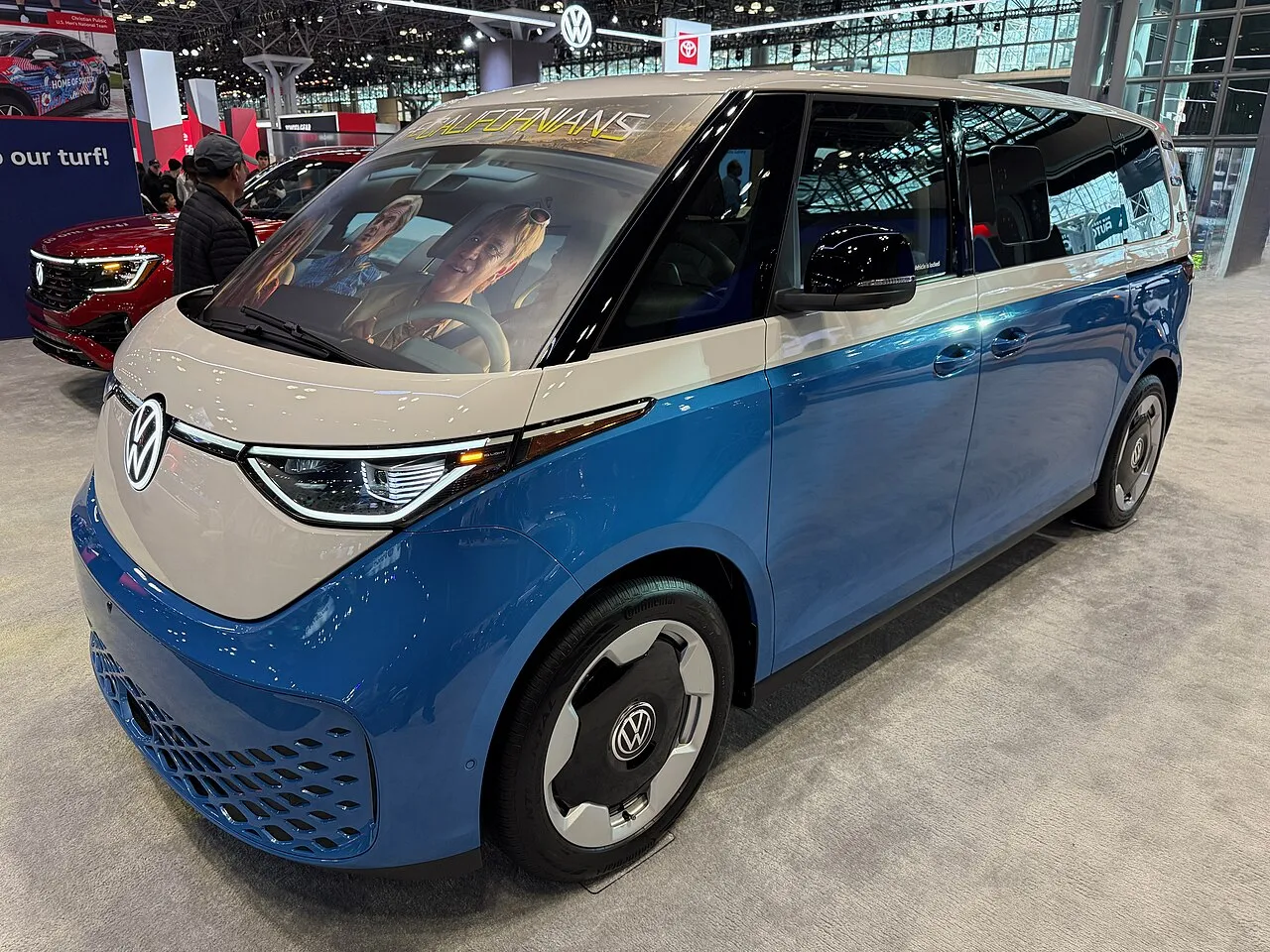
How the Volkswagen ID. Buzz Works for Everyday Use
The ID. Buzz pairs a van-like cabin with an electric drivetrain. Here is how its layout can shape passenger access, parking, cargo use and daily trips.
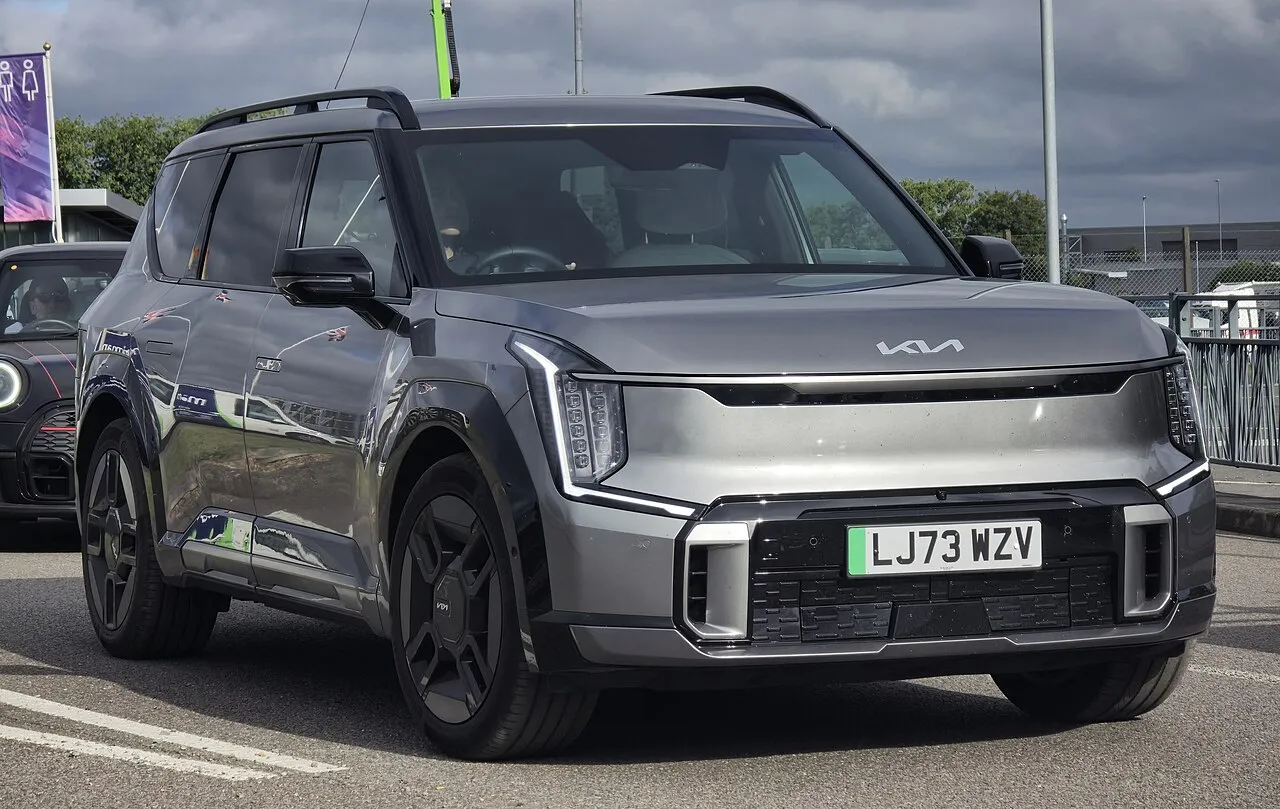
Kia EV9 vs. Volkswagen ID. Buzz: Which Fits a Large Family?
The EV9 offers three rows in an SUV, while the ID. Buzz brings minivan-style access. Compare family seating, cargo flexibility and published range.

Suzuki Ignis EV Set for Europe and UK Launch in 2027
Suzuki’s electric Ignis is a wider, more powerful European version of its Japanese e Sky, with a Europe and UK launch planned for mid-2027.