EV Battery Heating Elements and Fast Charging, Explained
Battery heating elements warm cold cells before fast charging, reducing charging risks and helping the pack accept power more efficiently.

The short answer: Dedicated battery heaters raise cold cells toward a safer operating temperature before high-power charging begins. Warmer cells have lower resistance and are less vulnerable to lithium plating, so the battery can accept fast charging more effectively.
Dedicated battery heating elements prepare cold cells for fast charging by raising their temperature before, or while, charging power increases. This matters because a cold lithium-ion cell cannot accept high charging current as readily as a warmer cell. Charging too aggressively at low temperatures can increase resistance and encourage lithium plating, which can reduce performance and contribute to long-term battery damage.
The heater is therefore part of the charging system's preparation process. It uses energy to warm the battery, while the vehicle's battery management system monitors temperature, voltage, current, and other operating conditions. Once the cells reach a more suitable range, the vehicle can allow charging power to rise according to the limits set by the pack, charger, and charging software.
Why cold batteries charge more slowly
A lithium-ion battery moves lithium ions between its electrodes during charging. Temperature affects how easily that movement occurs. When the cells are cold, the chemical reactions inside them slow down and the battery's internal resistance increases. The result is a pack that needs more effort to accept the same charging current.
Fast charging pushes a large amount of electrical energy into the battery over a short period. If the cells are cold, the battery management system may limit current to keep the charging process within a safer operating window. Drivers may see a lower initial charging rate, a delayed increase in power, or a charging curve that rises only after the pack warms up.
This is a protective response. The vehicle is balancing charging speed against cell condition. A charger may be capable of delivering high power, but the battery determines how much of that power it can accept at a given moment.
What lithium plating means
During normal charging, lithium ions move into the graphite anode and are stored within its structure. At low temperatures and high charging currents, some lithium may instead collect on the anode surface as metallic lithium. This process is called lithium plating.
Plating can reduce the amount of lithium available for normal energy storage. It can also create conditions that increase resistance and accelerate unwanted changes inside the cell. The risk depends on factors such as cell temperature, state of charge, charging current, cell chemistry, and the design of the battery.
The heating element does not make fast charging risk free, and it does not remove the other limits imposed by the battery. Its job is narrower: warm the cells enough to make high-current charging more practical while the management system continues to control the process.
How a battery heating system works
A dedicated battery heater is commonly a resistive heating element. Electrical energy passes through a material that resists the flow of current, producing heat. The heat is then transferred to the battery pack directly or through a liquid coolant circuit.
In a liquid-cooled battery system, coolant can carry heat around the pack and distribute it across multiple modules. This approach gives the vehicle a way to manage temperature across a large assembly rather than warming only one small area. The same thermal circuit may also help remove heat from the battery during high-power driving or charging.
Some vehicles use a heater integrated into the thermal management system, while others use a separate battery heating component. The exact arrangement depends on the pack architecture, cell format, cooling design, and vehicle control software. In every case, the goal is to reduce temperature differences and bring the cells into a range where charging can proceed more efficiently.
What happens when fast charging begins
Before high-power charging starts, the vehicle can assess the battery's temperature and state of charge. If the pack is too cold, the system may activate the heater and restrict charging current. The charger can remain connected while this preparation takes place, although the power drawn from the charger may initially go toward heating instead of directly charging the cells.
As the battery warms, the vehicle can adjust the charging limit. The charging curve may then climb toward a higher power level, provided the charger and battery are both able to support it. The system can continue monitoring temperature and current throughout the session because the battery's limits change as its state of charge rises.
Battery temperature is only one part of this process. Charging power usually changes as the battery fills, and the vehicle may reduce power at higher states of charge to protect the cells and manage heat. A warm battery can therefore charge faster at the beginning of a session without maintaining the same power level for the entire session.
Why preconditioning can save time
Warming a battery consumes energy and takes time. If the heater starts only after the vehicle reaches a charging station, part of the charging session may be spent preparing the cells. The vehicle may draw power while showing a lower charging rate, then increase that rate after the pack reaches a suitable temperature.
When the vehicle knows that a fast charger is the destination, its navigation and thermal management systems can work together to prepare the battery during the drive. This process is often called battery preconditioning. The heater can begin earlier, allowing more of the charging session to take place at the battery's available high-power rate.
Preconditioning does not guarantee a particular charging time. The result still depends on outside temperature, driving conditions, the battery's starting temperature, its state of charge, the charger's capability, and the vehicle's charging limits. It can, however, move the heating work into the time before the charging stop.
Why the heater does not simply make the battery hot
Higher temperature is not always better for a lithium-ion battery. Excess heat can speed up unwanted chemical reactions and increase the need for cooling. The battery management system therefore aims for a suitable temperature range rather than the highest possible temperature.
The system also has to account for temperature differences within the pack. If one section is warm while another remains cold, the cold section may still limit charging. Coolant flow, heater placement, insulation, and control software all affect how evenly the pack warms.
This is why heating can continue after charging has begun, or why charging power can change in stages. The vehicle is responding to the condition of the pack as a whole and to the most restrictive cells or modules.
What drivers may notice in cold weather
A cold battery can show several normal behaviors. Fast charging may begin at a reduced rate, the charging curve may take longer to reach its higher point, or the vehicle may use energy for battery heating before the state of charge rises quickly. These behaviors reflect the battery's temperature management strategy.
Cold weather can also reduce the vehicle's available driving energy because the battery is operating less efficiently and the cabin and battery may require heat. The charging system has to manage those energy demands alongside the need to protect the cells.
Once the battery reaches a suitable temperature, charging performance can improve. The exact result varies by vehicle and battery design, so a cold-weather charging experience cannot be inferred solely from the maximum power advertised for a charger or vehicle.
How heating affects energy use
Battery heating uses electrical energy that could otherwise go toward adding charge to the pack. That creates a short-term efficiency cost. The tradeoff is that warming the cells can allow them to accept charging power more effectively and can reduce the time spent charging at a restricted rate.
The benefit depends on the length and purpose of the stop. For a brief charging session, the energy used to warm the pack may represent a larger part of the total process. For a longer fast-charging session, reaching the battery's suitable temperature earlier can make the charging curve more useful.
Thermal management also works in the other direction. During high-power charging, resistance inside the cells produces heat. The vehicle may use coolant and other thermal controls to remove that heat and keep the battery within its operating limits.
The role of battery management software
The heating element is only one part of the system. Software decides when to activate it, how much current to allow, and when to reduce or increase charging power. It uses measurements from temperature sensors and other battery monitoring systems to make those decisions.
The software may also consider the battery's state of charge and recent use. A pack that has been driven hard may need cooling, while a pack that has been sitting in freezing conditions may need heating. Charging control must respond to both conditions without exceeding the limits of the cells.
This coordination explains why a fast charger cannot force a cold battery to charge quickly. The charger offers electrical power, but the vehicle controls how much reaches the cells. A dedicated heater helps change that limit by changing the battery's temperature.
What battery heaters can and cannot do
Battery heating elements can reduce the effect of cold temperatures on fast charging. They can help the battery reach a more suitable operating range, lower the need for severe current restrictions, and make preconditioning possible before a charging stop.
They cannot eliminate charging losses, guarantee a fixed charging time, or make every battery behave the same way in winter. Cell chemistry, pack design, software, charger power, state of charge, and ambient conditions continue to shape the result.
The practical purpose is straightforward: prepare the cells before asking them to accept high charging power. By managing temperature first, the vehicle can pursue faster charging while keeping the battery within the limits required for safe and durable operation.
Frequently asked questions
Why do EV batteries charge more slowly when cold?
Cold cells have higher internal resistance and accept lithium ions less readily. The vehicle may reduce charging current to limit the risk of lithium plating and cell damage.
What does a battery heating element do?
It uses electrical energy to warm the battery, either directly or through a coolant circuit, so the cells can accept higher charging power more effectively.
What is battery preconditioning?
Battery preconditioning warms the pack before fast charging, often while the vehicle is traveling to a known charging stop.
Does a warmer battery always charge faster?
No. The vehicle still considers state of charge, cell limits, charger capability, and heat. Excessive temperature can also require cooling and lower charging power.
Related stories

Changan Deepal S07 Adds Faster Charging for 2027
Changan’s updated Deepal S07 is due in Australia in early 2027 with a larger WLTP range figure, 200kW fast charging and a new plug-in hybrid option.
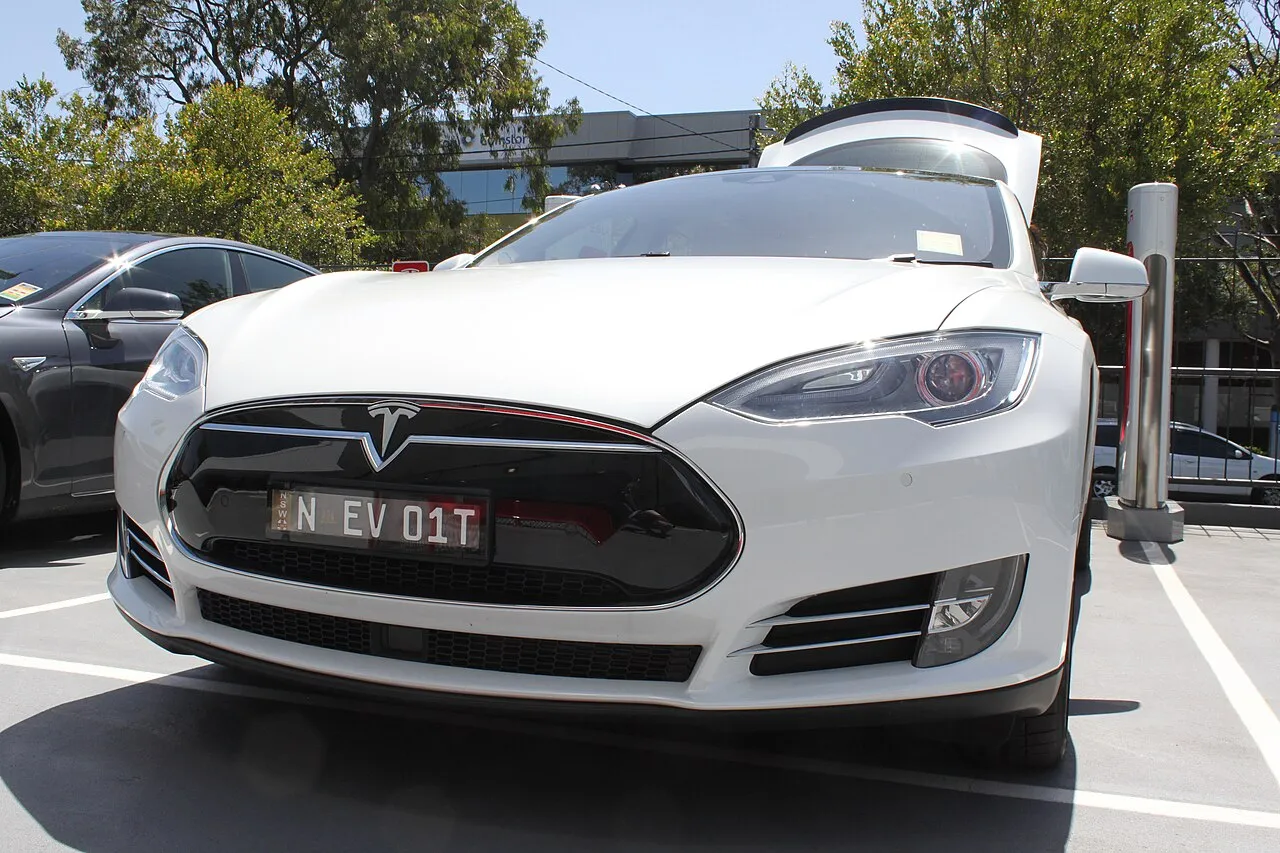
Tesla Adds 29 Mobile Supercharger Stalls for Thanksgiving
Tesla says 29 temporary Supercharger stalls are operating at four busy sites, while 1,027 permanent stalls opened across 91 US locations in 56 days.
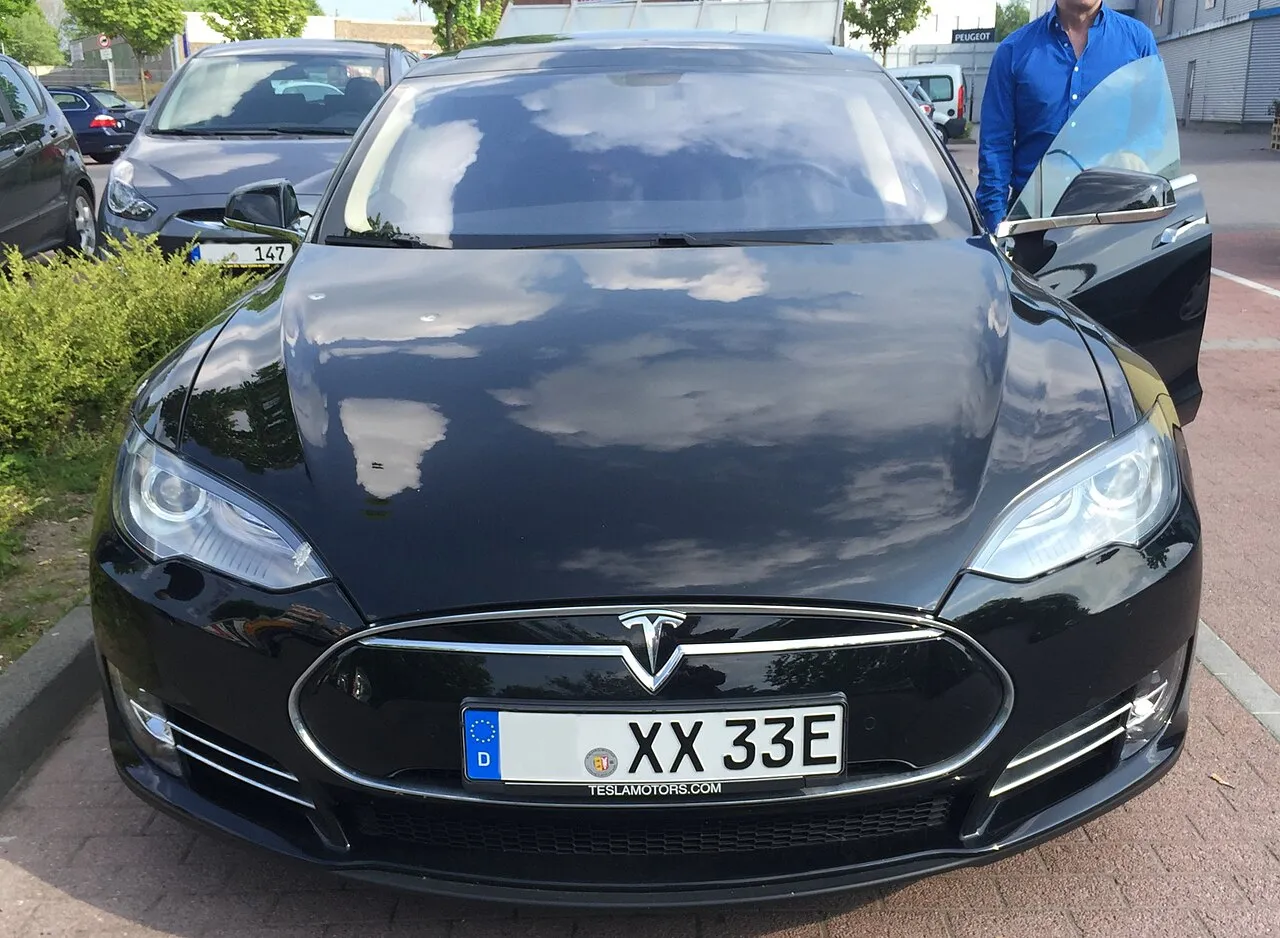
Tesla Update Adds Manual Battery Preconditioning and FSD Changes
Tesla’s 2026.44.3.1 update adds app-based battery preconditioning, parking options and driving changes, while keeping Full Self-Driving supervised.