BYD Leads China’s October NEV Sales as Tesla Exits Top 10
BYD held 22.4% of China’s October passenger NEV market, while Tesla fell out of the monthly top 10 as NEVs reached a record share of passenger sales.
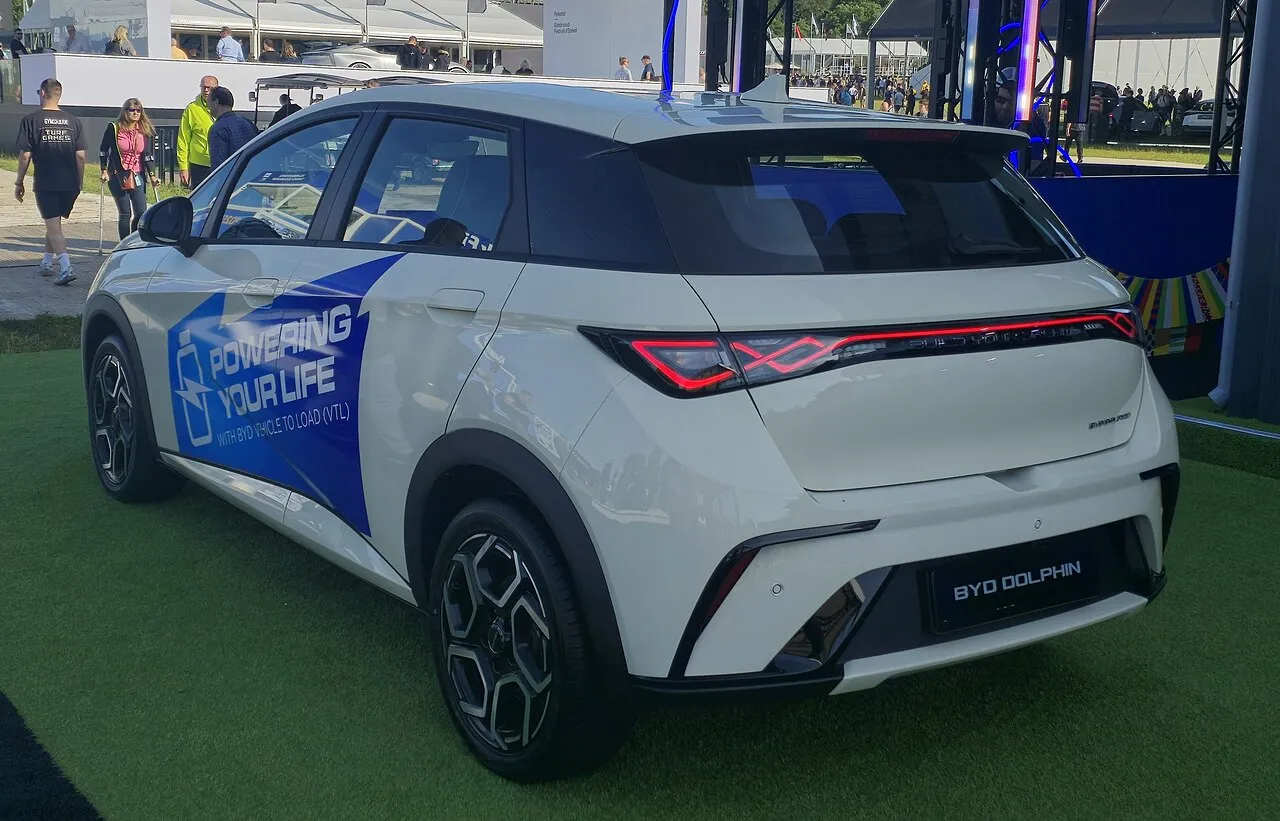
The short answer: BYD led China’s October 2026 passenger new energy vehicle retail market with 250,301 sales and a 22.4% share, according to CnEVPost. Tesla sold 8,817 vehicles and fell out of the monthly top 10.
BYD remained China’s largest seller of passenger new energy vehicles in October 2026, even as its sales declined from a year earlier. Tesla, which ranked fourth in September, fell out of the monthly top 10. The shift came in a month when new energy vehicles accounted for a record 67.5% of China’s passenger vehicle retail sales, according to figures reported by CnEVPost. For the industry, the results show how quickly the order among automakers can change within a market where electrified vehicles make up most new passenger vehicle purchases.
BYD sold 250,301 passenger new energy vehicles at retail in China during October, giving it a 22.4% share, according to CnEVPost’s account of China Passenger Car Association rankings. Geely Auto was second with 131,708 sales and an 11.8% share. Tesla recorded 8,817 retail sales and did not make the monthly top 10. These are China retail figures; they do not describe the automakers’ sales across all markets.
BYD keeps the lead as rivals gain share
BYD’s October sales were down 15.4% from a year earlier but up 1.4% from September, according to CnEVPost. Its share slipped from 22.8% in September to 22.4%. Geely’s sales also declined year over year, by 19.8%, but rose 10.0% from September. Geely’s share increased from 11.0% to 11.8%, narrowing the gap between the two leaders while leaving BYD well ahead.
Leapmotor held third place with 83,573 retail sales, up 31.1% year over year and 6.9% from September, according to CnEVPost. Its share rose from 7.2% to 7.5%. Changan Automobile moved into fourth with 68,925 sales, followed by SAIC-GM-Wuling with 67,696. Their shares rose to 6.2% and 6.1%, respectively, despite both reporting lower sales than a year earlier.
The rest of the top 10 illustrates the movement beneath the leaders. Xiaomi Auto climbed from ninth to sixth with 50,123 retail sales, up 25.3% from September and 3.0% from a year earlier, CnEVPost reported. Chery held seventh with 44,747 sales, while SAIC Passenger Vehicle remained eighth with 38,881. GWM entered the ranking in ninth with 37,469, and Xpeng entered in tenth with 36,911.
Xiaomi had the fastest month-to-month sales growth among the October top 10, according to CnEVPost. SAIC Passenger Vehicle posted the strongest year-over-year growth on the list, at 40.8%, although its sales fell 3.5% from September. Those results show why a change in rank or share needs context: an automaker can grow from the prior month while remaining below its year-earlier volume, or gain sales from a year ago while losing ground in the latest monthly ranking.
Tesla’s monthly position differs from its year-to-date rank
Tesla and Huawei-backed Harmony Intelligent Mobility Alliance, or HIMA, both left the October retail top 10 after placing fourth and tenth, respectively, in September, according to CnEVPost. GWM and Xpeng took places in the October list. Li Auto and Nio also remained outside the monthly top 10. CnEVPost reported 34,030 October retail sales for Nio and 27,018 for Li Auto, compared with Tesla’s 8,817.
The monthly result does not erase Tesla’s larger sales total across the year. From January through October, Tesla sold 389,905 vehicles at retail in China and ranked seventh among passenger new energy vehicle makers, according to CnEVPost. Its cumulative sales were down 15.0% year over year. Tesla had ranked fifth in the January-through-September tally, and its share of year-to-date sales fell from 4.9% in that earlier tally to 4.4% through October.
The October figures establish Tesla’s position in the China retail ranking, but they do not establish a reason for the change. The distinction between monthly and cumulative results matters here: the monthly list reflects one month of sales, while the January-through-October list retains the effect of sales made earlier in the year. Tesla remained among the cumulative top 10 even after falling outside October’s monthly list.
How the year-to-date ranking changed
BYD also led the January-through-October ranking, with 1,945,400 passenger new energy vehicle retail sales and a 21.9% share, according to CnEVPost. Its cumulative volume was down 31.5% year over year. Geely remained second with 1,045,823 sales and an 11.8% share; its volume was down 16.8% from the same period a year earlier.
Leapmotor held third with 590,540 sales through October, up 40.1% year over year. That was the fastest annual growth among the cumulative top 10, CnEVPost reported. Changan followed with 570,105 sales. Leapmotor’s lead over Changan widened to 20,435 vehicles from 5,787 at the end of September, making the contest for third one of the clearer changes in the longer-term ranking.
SAIC-GM-Wuling rose to fifth in the cumulative list with 438,037 sales, while HIMA climbed to sixth with 400,767, according to CnEVPost. Tesla was seventh, followed by Xiaomi Auto in eighth with 336,613. Chery ranked ninth with 334,125, and Nio was tenth with 333,406. Xiaomi returned to the cumulative top 10, while Li Auto dropped out.
Nio’s cumulative position also contrasts with its absence from October’s monthly top 10. Its January-through-October sales were up 38.5% year over year, according to CnEVPost, even as it slipped from eighth to tenth in the cumulative ranking. Xiaomi’s year-to-date sales rose 6.7% to 336,613. The two examples underscore that sales growth and ranking movement answer different questions: one measures an automaker against its own earlier volume, and the other measures its position among competitors.
NEVs reach a record share of passenger sales
Across China’s broader passenger vehicle market, October retail sales totaled 1.643 million vehicles, down 27.1% year over year but up 1.5% from September, according to the CPCA monthly figures reported by CnEVPost. Passenger new energy vehicle retail sales totaled 1.109 million, down 13.7% year over year and up 2.3% month over month. New energy vehicles therefore accounted for a record 67.5% of passenger vehicle retail sales.
That record share does not mean October new energy vehicle sales rose from a year earlier: the reported NEV volume fell. The share increased within a broader passenger vehicle market whose total sales fell more sharply year over year. Both the unit total and the share are needed to understand the month. For buyers following China’s market, the share describes how common new energy vehicles were among passenger vehicles sold in October; it is not a measure of any individual model’s availability or price.
BYD’s position also depends on which market is being measured. Its 22.4% October share applies to passenger new energy vehicles, according to CnEVPost. In the broader passenger vehicle market, which includes conventional combustion-engine vehicles, BYD held a 15.2% share, down from 15.3% in September. Geely was second in that broader market with 196,244 sales and an 11.9% share, up from 10.9% in September.
The next monthly rankings will show whether October’s changes in position persist. For now, the reported results put BYD firmly ahead in China’s passenger NEV market, Geely in second, and Leapmotor in third. They also show Tesla in a markedly different place across the two time frames: outside October’s top 10, but seventh for January through October. October’s record NEV share sits alongside declining year-over-year sales, making both trends central to the market picture.
Frequently asked questions
Who led China’s passenger NEV retail market in October 2026?
BYD led with 250,301 retail sales and a 22.4% share, according to CnEVPost.
Did Tesla make China’s October passenger NEV top 10?
No. Tesla sold 8,817 vehicles at retail and fell out of the monthly top 10 after ranking fourth in September, according to CnEVPost.
What share of China’s passenger vehicle retail sales were NEVs in October?
New energy vehicles accounted for a record 67.5% of passenger vehicle retail sales, according to CPCA figures reported by CnEVPost.
Where did Tesla rank for January through October?
Tesla ranked seventh in China’s cumulative passenger NEV retail ranking, with 389,905 sales, according to CnEVPost.
Related stories

China EV Share Hits 68% in October as Small Cars Lead
Plug-in cars reached 68% of China's October market as overall sales fell 27%. Small EVs topped the rankings, while Tesla's China sales weakened.
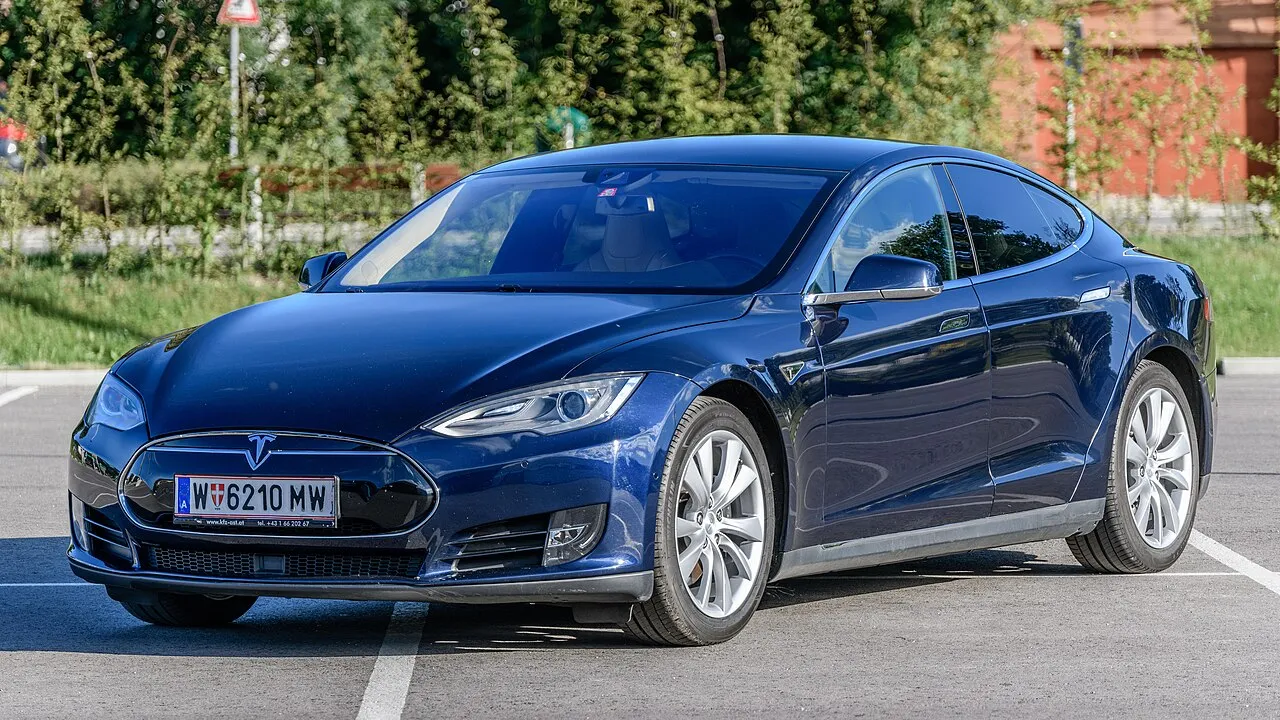
Tesla China Sales Fall 66% as Shanghai Exports Climb
Tesla sold 8,817 cars in China in October as Shanghai exports rose, exposing a widening gap between domestic demand and the factory's wholesale growth.

Nio October Deliveries Fall as Firefly Sets a Record
Nio's October deliveries fell 15.23% from a year earlier as its two main-brand SUVs slowed. Firefly set a record, but its gains did not offset declines elsewhere.