Cybertruck Owner Finds Slower Towing Can Save Trip Time
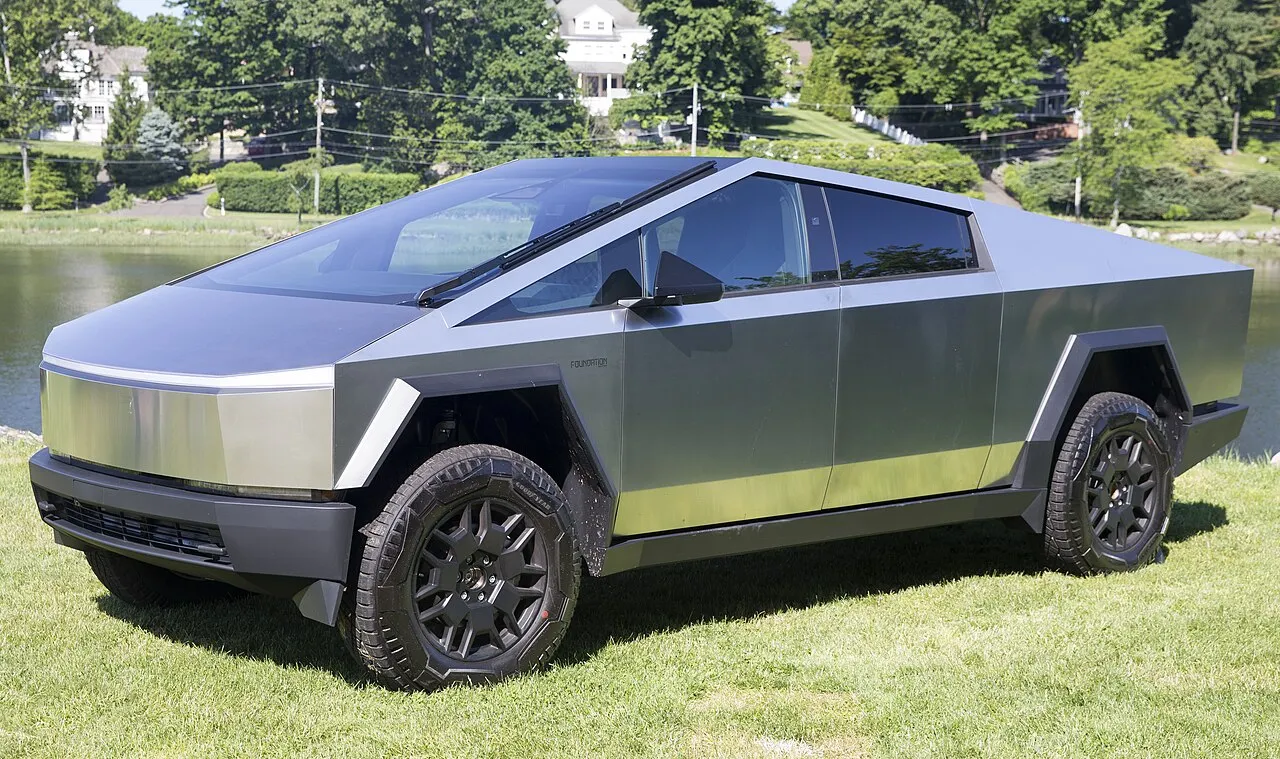
A Cybertruck owner logged 6,000 miles towing a camper and found that slower speeds, overnight charging and trailer shape helped make long trips work.
Charging standards, home charging, public networks, speeds and costs — what drivers need to know.
A Cybertruck owner logged 6,000 miles towing a camper and found that slower speeds, overnight charging and trailer shape helped make long trips work.
Parking-lot layouts, construction costs and approval hurdles help explain why many EV chargers lack shelter, even as networks focus on driver comfort.
Tesla, Arnold Clark and Connected Kerb led Zapmap’s UK charging survey, which rated networks on driver satisfaction, payment ease and value for money.
Tesla drivers can activate automatic charging and billing at Ionna through the Presto app, with a one-time setup and a free first Autocharge session.
Zapmap's UK driver survey names three charging network winners, with pricing, reliability and ease of use shaping satisfaction as public charging expands.
An EV may deliver one power level during an outage and another to the grid. Inverter ratings, home wiring and utility export rules set each limit.
When utility power returns, an EV backup system checks the grid and transfers home loads back under its controls. The changeover may briefly interrupt power.
A bidirectional EV setup works only when the car, charging equipment and home electrical system agree on how power leaves the battery and reaches the house.
An EV can run essential home loads while its exportable battery energy covers their average demand. Learn how to estimate the time and check the limits.