How Home EV Backup Switches Back When Grid Power Returns
When utility power returns, an EV backup system checks the grid and transfers home loads back under its controls. The changeover may briefly interrupt power.

The short answer: When the utility returns, the backup system checks that grid power is suitable, then transfers the home's backed-up circuits from the EV to the utility. The exact sequence depends on the equipment, and some homes will experience a brief interruption.
When grid power returns during EV backup, the home does not simply connect the utility and the vehicle together. The backup equipment first recognizes that utility power is available and suitable, then changes which source serves the backed-up circuits. Once the transfer is complete, the EV stops serving those circuits. Depending on the system and the loads involved, lights or appliances may briefly lose power during the changeover.
That sequence matters because a home running on EV backup is temporarily operating apart from the utility grid. The equipment must keep that separation in place during the outage and manage the return to normal service. Seeing streetlights come on, or hearing a neighbor's equipment restart, does not mean the home's backup system has finished transferring. It has its own controls and must respond to the power it detects at its utility connection.
Why the system waits before switching back
During an outage, a home backup system isolates the circuits it can power from the utility connection. This prevents the vehicle from sending electricity onto utility lines while they are treated as de-energized. The EV, its power conversion equipment, and the home's transfer equipment then work together to serve the designated household loads. Depending on the installation, those loads may be on a dedicated backup panel or managed through other equipment.
When utility voltage reappears, the backup controller has to determine whether it meets the conditions for reconnection. Power can return unevenly or drop out again while service is being restored. Backup equipment therefore follows its own checks and operating sequence rather than treating the first sign of voltage as a completed restoration. A homeowner may notice that EV backup continues for a while after power appears to be back elsewhere. That delay, by itself, does not establish that anything is wrong.
The utility connection and the EV source must also be handled in the way the system was designed to operate. In a system that switches between separate sources, the transfer equipment disconnects the backup source from the household circuits before connecting those circuits to the utility. Equipment designed to operate sources in parallel requires controls that manage their relationship to the grid. Either way, the homeowner should not need to make or break electrical connections manually for an automatic return to utility service.
What happens inside the home
Once the system accepts the returning utility power, it transfers the backed-up loads. The EV then ceases to be the source serving those loads, and the home's normal electrical supply resumes. This is a change in the source of power, not necessarily a sign that every device in the house will behave identically throughout the transition. The transfer method, the equipment's controls, and the devices plugged into the affected circuits all influence what the homeowner sees.
Some systems may make the change with little noticeable effect. Others may produce a momentary interruption that turns off a light, resets a clock, or causes an appliance to restart. Electronics with their own batteries may appear unaffected even if household power briefly drops. An interruption during transfer should be distinguished from a continuing loss of power afterward: the first can be part of normal changeover, while the second calls for a closer look at the system's status and the affected circuits.
Only circuits included in the backup arrangement were being served by the EV during the outage. A circuit outside that arrangement may have remained off the entire time and come back only when utility service returned. Conversely, a backed-up circuit may have stayed on through the outage and experienced its only noticeable interruption at transfer. That difference can make restoration look inconsistent from room to room even when the equipment is following its intended sequence.
Power returning to the property also does not guarantee that every household circuit will work. A tripped breaker, a device that needs to be restarted, or a problem with an individual circuit can remain after the source changes. If the backup equipment indicates that it has returned to utility operation but a particular outlet or appliance remains off, the issue may be downstream of the transfer equipment. Follow the equipment's instructions for checking its status and use a qualified electrician for electrical faults.
Does the EV start charging again?
Serving the home during an outage and charging the EV after an outage are separate functions. Once utility power is restored, charging may resume if the vehicle and charging equipment permit it, a charging session is enabled, and any applicable schedule allows charging at that time. The vehicle may instead remain plugged in without drawing charging power. A successful transfer back to utility service does not, on its own, confirm that charging has restarted.
Other household loads can also return when utility power comes back. Equipment that was outside the backed-up circuits, such as a device on an ordinary household circuit, may start operating again. The home's total electricity use can therefore change even though the EV has stopped powering the backed-up circuits. If charging is expected but does not begin, check the vehicle's charging status, the charging equipment's status, and any schedules before treating the transfer itself as a failure.
The vehicle's battery level is still relevant after the outage. Energy used to support the house is energy that is no longer in the battery. How much remains depends on the vehicle's starting charge and what the home used while it was on backup. The return of grid power ends the need to draw on the EV for household backup, but it does not immediately restore the energy already used. Any later charging follows the vehicle's and charging equipment's normal controls.
What if power returns and fails again?
A utility restoration may not be the end of the outage. If the grid goes down again after the system has transferred back, the backup equipment may start another outage sequence, isolate the home, and resume EV backup if the system is ready and the vehicle can support it. The home may experience another interruption during that transition. The exact behavior depends on the equipment's settings, the vehicle's status, and whether the required backup components are available.
If power fluctuates during restoration, the system's checks help keep it from reconnecting to unsuitable utility power. The equipment may remain on backup, transfer back to backup, or wait before taking further action according to its design. A homeowner should rely on the system's status display or instructions to understand its state, rather than assuming that every brief change in household power means a fault or that a lit utility indicator means the transfer is complete.
What to check after the transfer
Start with the practical result: are the expected household circuits powered, and does the backup equipment show normal utility operation? If the EV is meant to charge after service returns, check its charging status separately. Also look for any fault indication from the backup or charging equipment. Those checks help distinguish a completed return to utility power from a circuit problem, a paused charging session, or a system that is still waiting to transfer.
Do not bypass transfer equipment or connect the EV to household wiring through an improvised arrangement to force a changeover. Isolation from the grid is a central part of safe backup operation. If the system does not transfer as expected, repeatedly switches sources, or reports a fault, follow its operating instructions and contact a qualified installer or electrician. The normal goal is straightforward: the equipment verifies the returning grid, safely changes the home's power source, and leaves the EV available for charging according to its settings.
Frequently asked questions
Will the power go out briefly when EV backup switches back to the grid?
It may. Some systems make the change with little noticeable effect, while others briefly interrupt power to backed-up circuits.
Why is the EV still powering the house after utility power returns?
The backup equipment may still be checking the returning utility power or completing its transfer sequence. Check the system's status if the delay continues or it reports a fault.
Will my EV automatically start charging when the outage ends?
Not necessarily. Charging depends on the vehicle, charging equipment, an enabled charging session, and any applicable schedule.
What happens if the grid fails again after the transfer?
The system may begin another backup sequence if its equipment is ready and the EV can support it. Another brief interruption is possible.
Related stories

How EVs Convert Battery Power for Home and Device Use
Bidirectional charging takes more than an outlet: an EV needs power conversion, control logic and compatible hardware to send energy to a home or device.
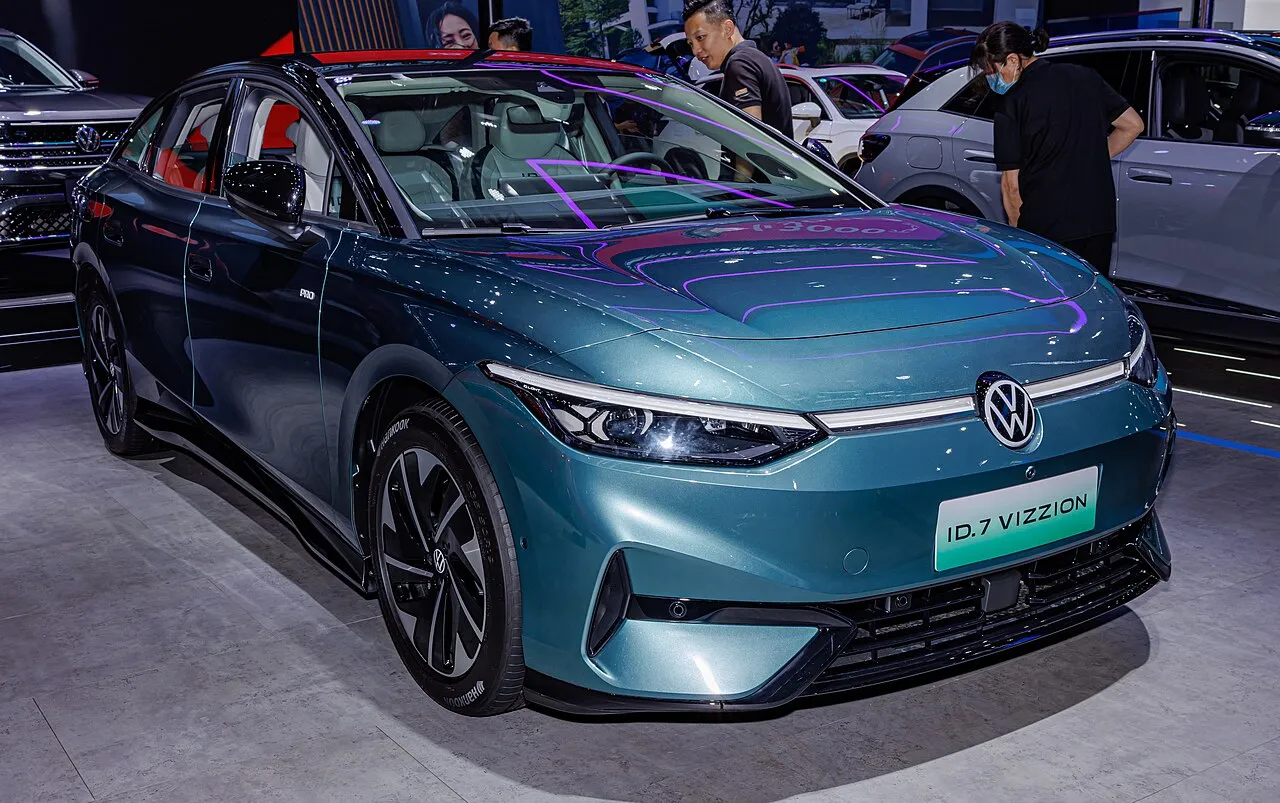
Volkswagen Elli Plans Paid Vehicle-to-Grid Charging in Germany
Volkswagen’s Elli is preparing a German V2G offer that pays owners to keep compatible EVs plugged in, with energy exports paid separately.

How EV Home Backup Cuts Loads to Protect Battery Reserve
An EV backup system can reduce household demand before the battery reaches its reserve. Here is what it can control, what it cannot, and why the settings matter.