Cybertruck Owner Finds Slower Towing Can Save Trip Time
A Cybertruck owner logged 6,000 miles towing a camper and found that slower speeds, overnight charging and trailer shape helped make long trips work.
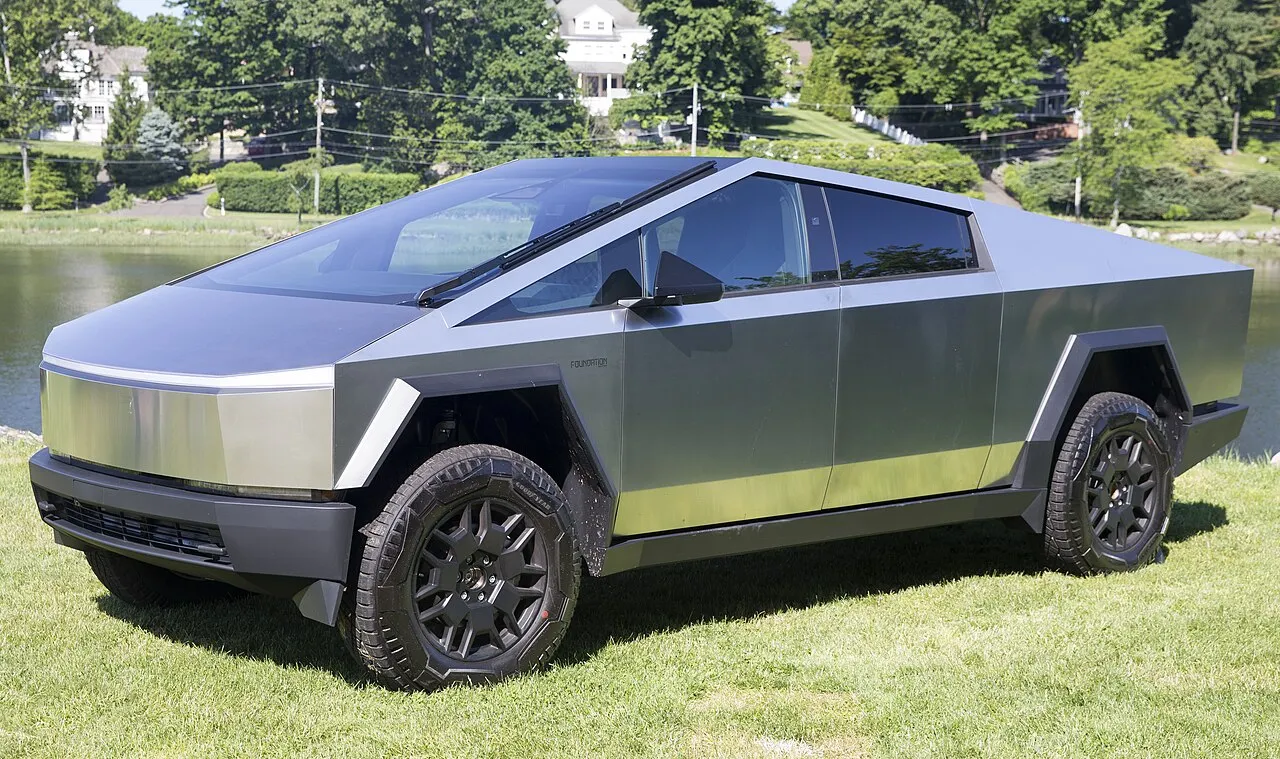
The short answer: According to Torque News, a Cybertruck owner who towed a camper for 6,000 miles found that driving at 70 mph added enough charging time to outweigh the time saved on the road. His experience favored slower routes and campground charging, although the result depended on his trailer, route and charging access.
A Tesla Cybertruck owner who towed a travel trailer for 6,000 miles found that higher highway speeds could make his overall journey slower because of the extra charging required, according to Torque News. His account highlights a practical issue for electric pickup buyers: towing performance depends on the time spent charging as well as the miles covered between stops.
The owner, identified as Fred, reported averaging 602 watt-hours per mile while pulling a Safari Condo Alto A2124 camper on two long trips. According to Torque News, he combined a relatively light, low-profile trailer with slower roads and overnight campground charging. That combination made extended travel workable, but still required compromises in daily mileage, charging stops and route selection.
Two trips put speed and charging in perspective
According to Torque News, Fred documented a 1,000-mile journey from Quebec City to Richmond, Virginia, followed by a 5,000-mile trip through Yellowstone and Grand Teton National Parks in Wyoming. The outlet said he logged the trips in late 2024 and shared his experience on an owner forum.
His central observation was that driving at 70 mph increased energy consumption enough to erase the travel-time benefit once charging was included. He favored speeds around 55 to 60 mph and found secondary roads offered better range along with more scenery, according to Torque News. His account describes the outcome for his particular setup, rather than establishing a universal best towing speed.
For buyers, the distinction is between reaching the next stop sooner and completing the entire travel day sooner. Fred's experience shows how those outcomes can diverge: a faster road segment may require more time connected to a charger afterward. According to Torque News, wind and the availability of charging locations also influenced how he drove and where he stopped.
Trailer shape helped keep consumption manageable
Torque News reported that the truck and camper together weighed just over 10,000 pounds on a commercial scale. The Cybertruck accounted for roughly 6,800 pounds, while the camper weighed just over 3,000 pounds with water and gear. The Alto A2124's factory dry weight was around 2,550 pounds, according to the outlet.
The camper's shape was an important part of the account. Its sloped, retractable roofline kept it relatively close to the truck's aerodynamic wake, according to Torque News. The outlet emphasized that trailer height and frontal area can impose a greater range penalty than weight alone, making the type of trailer a consequential choice for an electric pickup owner.
For context, Torque News cited independent towing benchmarks of about 521 Wh per mile for a 4,500-pound Airstream Sport behind a Cybertruck. It reported consumption of 780 to more than 1,000 Wh per mile for blunt, full-height travel trailers at highway speeds. Those figures came from separate examples, so they do not establish how much of the difference came from trailer shape alone.
Torque News also reported that other owners in the forum discussion described consumption of 900 to 1,100 Wh per mile while pulling boxy enclosed cargo trailers at speeds between 65 and 85 mph. Fred's 602 Wh-per-mile average therefore belongs alongside the details of his own camper and driving routine; it is not a general consumption figure for every Cybertruck towing combination.
What the reported range meant between stops
At Fred's average consumption, Torque News estimated approximately 195 to 204 miles of range across a full battery discharge. The outlet put the more practical distance between typical charging stops at roughly 140 to 150 miles. Those are towing estimates connected to this account, rather than official range ratings.
According to Torque News, Fred completed a 180-mile leg on one charge three times, on non-interstate routes in Kentucky, West Virginia and Wyoming. Those longer legs demonstrate what he achieved under particular conditions, while the shorter typical charging intervals better describe the regular rhythm of the trips.
For separate vehicle context, US EPA ratings put the 2026 US-market Cybertruck AWD and Dual Motor AWD at 325 miles, and the Long Range version with 20-inch Cyber Wheels at 335 miles. These EPA ratings do not establish range with Fred's camper. They also concern 2026 versions, while Torque News dated his journeys to late 2024.
Fred adjusted his driving to conditions, according to Torque News. He used Chill Mode, sought to minimize brake-pedal use so regenerative braking could recover energy, and monitored wind direction through the truck's weather display. During crosswinds, he reduced speed to 55 mph. His reported average consequently reflects active management throughout the journey, alongside the choice of trailer.
Mountain driving recovered some energy on descents
A crossing of Wyoming's Big Horn Mountains offered a specific example of how elevation affected battery use. According to Torque News, the rig climbed from about 3,000 feet near Shell to more than 9,000 feet over 40 miles, consuming 30% of the battery during the ascent.
On the following 40-mile descent, regenerative braking returned 10% to the battery, leaving a net reduction of 20% across the 80-mile mountain crossing, the outlet reported. The descent recovered part of the climb's energy cost. That experience helps explain why an uphill segment alone would give an incomplete picture of consumption across that particular route.
Campground charging carried a substantial share
Overnight charging was central to the longer journey. According to Torque News, RV-site connections used with Tesla's Mobile Connector accounted for more than one-third of the energy consumed during the 5,000-mile western trip. That made campground access a significant part of the travel arrangement, beyond its role as an overnight destination.
Public charging still shaped the daily schedule. Fred aimed for about 300 miles per day, yet usually needed two charging stops because of gaps between chargers in the rural West, according to Torque News. The outlet reported that many chargers along those routes were limited to 150 kW. His experience illustrates why total daily distance alone does not determine the number or duration of stops.
Fred reported problems outside the Supercharger network and campground connections, according to Torque News. Some third-party stations would not activate or stopped charging after about a minute. The outlet also described an incompatible adapter arrangement at a rural Wyoming station that nearly melted an extension cable. Those incidents were part of his account of the trip, rather than a measured reliability assessment of all third-party networks.
Only one charging stop required unhitching
Despite the challenges of fitting a truck and trailer into charging sites, Fred reported unhitching only once across the 6,000 miles. According to Torque News, that happened at a tight four-stall Supercharger location in Sheridan, Wyoming, where three other Tesla drivers moved their vehicles to help him fit.
The account also included a towing limitation beyond energy use: Torque News reported that Full Self-Driving was unavailable while towing, leaving Traffic-Aware Cruise Control. Together with the charging stops and slower speeds, that was part of the practical experience buyers would need to weigh when considering similar journeys.
Torque News reported that Tesla's V4 Supercharger rollout and expanded NACS access had added charging options and more pull-through stalls since Fred's late-2024 travels. Those developments could affect the charging locations available on a later trip. His underlying finding remains specific and useful: with this camper and these routes, reducing speed helped manage both energy consumption and total travel time.
Frequently asked questions
Why did driving at 70 mph make the towing trip slower?
According to Torque News, the owner found that the additional charging time caused by higher energy consumption outweighed the time saved driving faster. The result reflected his camper, routes and charging conditions.
How far did the Cybertruck travel between charging stops?
Torque News estimated typical intervals of about 140 to 150 miles. The owner also reported completing a 180-mile leg on one charge three times on non-interstate routes.
What trailer was the owner towing?
He towed a Safari Condo Alto A2124 with a sloped, retractable roofline. According to Torque News, it weighed just over 3,000 pounds loaded with water and gear.
Did the owner have to disconnect the trailer to charge?
According to Torque News, he unhitched once during the 6,000 miles, at a tight four-stall Supercharger site in Sheridan, Wyoming.
How important was overnight campground charging?
According to Torque News, RV-site charging through Tesla's Mobile Connector accounted for more than one-third of the energy used on the 5,000-mile western trip.
Related stories

What to Look for in an EV Roadside Assistance Plan
Compare EV roadside plans by checking where they tow, how they handle flat tires and depleted batteries, and what help they offer for charging failures.

Choosing an Electric Vehicle That Can Handle Your Trailer
Compare towing and payload limits, estimate how a trailer affects range, and check hitch and charging needs before choosing an electric vehicle for towing.
Tesla Offers Cybertruck Owners Refunds for PCS Repairs
Tesla is offering parts, labor and tax refunds to some 2024 and 2025 Cybertruck owners who paid to replace a failed power conversion system.