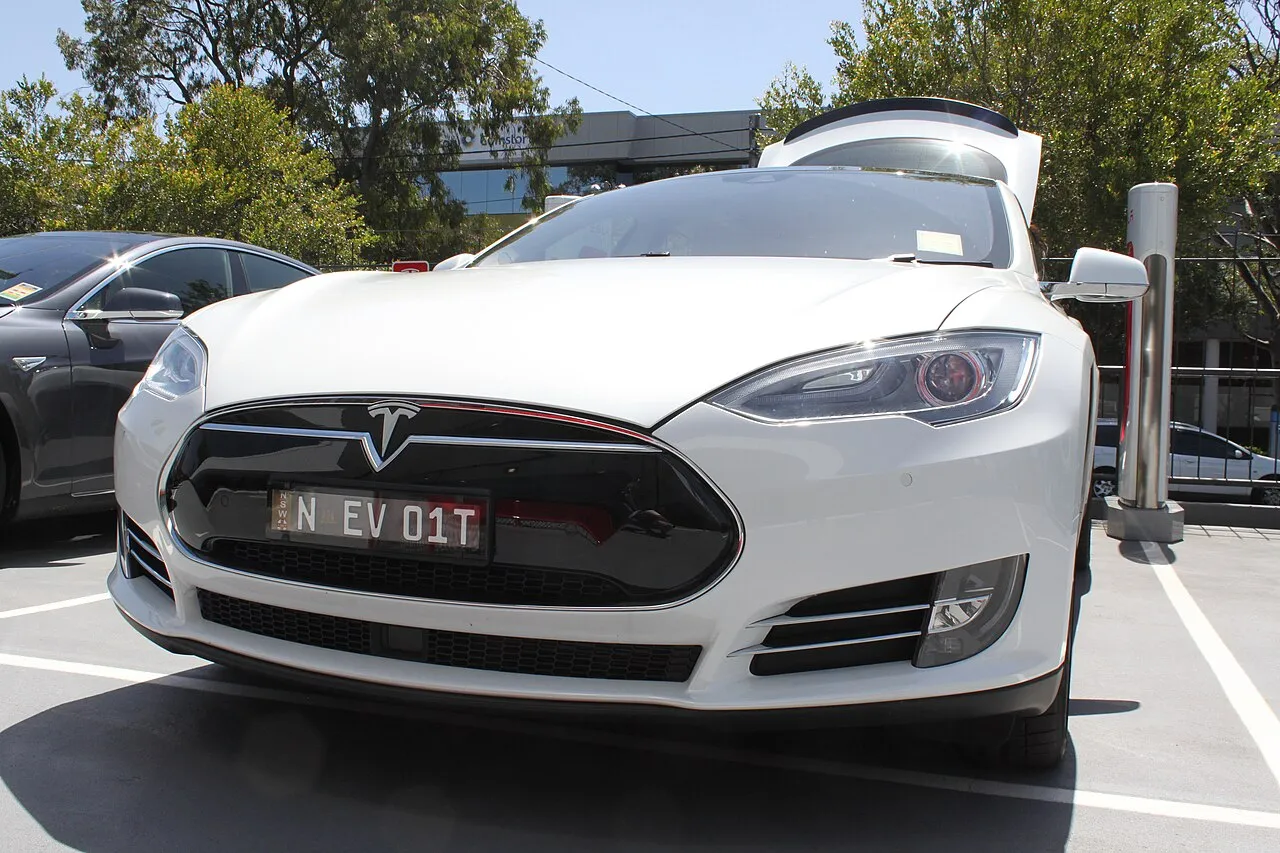
What Happens When an EV Updates Its Battery and Safety Systems
EV software updates must coordinate battery, powertrain, charging, and safety computers. Here is how the process keeps the vehicle consistent.
The Evnews Team covers electric vehicle news, model specifications, charging and technology. Articles are compiled from cited sources and published vehicle data, and are corrected promptly when facts change.
Recent reporting and explainers.
EV software updates must coordinate battery, powertrain, charging, and safety computers. Here is how the process keeps the vehicle consistent.
A wider or taller EV pushes through more air at highway speed. Frontal area and drag coefficient together shape energy use and the range drivers can expect.
An 800 volt EV can accept high charging power with less current, reducing cable losses, heat, and the demands placed on charging hardware.
Battery current, inverter limits, and motor speed work together to set an EV’s available torque, acceleration, and pulling power at the wheels.
Valves, pumps, and heat exchangers help EVs direct heat where it is useful and reject it when it is not. Here is how the battery, drive unit, and cabin connect.
Truckmakers now expect zero-emission models to reach about 30% of Germany’s new heavy-truck sales in 2030, citing slow charger deployment and weak incentives.
Tesla has begun sending supervised FSD v15 to a small group of Hardware 4 owners. New controls arrive ahead of a wider release Musk has said is due in December.
Tesla is rolling out FSD v15 with a new 3D driving view, expanded hazard detection and learned parking behavior, but older HW3 cars are excluded.
Congress is weighing a 15% Chinese ownership limit for automakers. Mercedes exceeds it, while Volvo and Polestar already face different U.S. rulings.