Germany’s 2030 Electric Truck Forecast Falls to 30%
Truckmakers now expect zero-emission models to reach about 30% of Germany’s new heavy-truck sales in 2030, citing slow charger deployment and weak incentives.

The short answer: Truckmakers now forecast that zero-emission heavy trucks will account for about 30% of new sales in Germany in 2030, down from a 68% forecast made two years earlier. According to The Driven, manufacturers chiefly blame slow charging-network deployment and a lack of financial incentives for fleet operators.
Truck manufacturers have cut their forecast for zero-emission heavy trucks in Germany to around 30% of new sales in 2030, less than half the 68% they expected two years earlier. According to The Driven, the revised forecast comes from a German transport ministry report based on confidential discussions with truckmakers. The change matters beyond Germany: manufacturers see battery trucks as a leading way to reduce freight emissions, but say the conditions needed for customers to buy them at scale are developing too slowly.
The report describes a shift in the expected rollout of zero-emission trucks by as much as five years compared with the 2024 forecasts, The Driven reported. Manufacturers chiefly point to slow deployment of truck charging stations across many European countries and a lack of financial incentives for fleet operators. Their customers are moving cautiously, trying a small number of electric trucks before placing larger orders. The lower forecast therefore reflects uncertainty about when fleets can operate and afford these vehicles at scale, even as manufacturers express confidence in the trucks themselves.
The Driven reported that most manufacturers have lowered their sales expectations and aligned them with the European Union’s 2030 emissions rules for heavy-duty vehicles. Those rules require a 43% reduction in the average emissions of manufacturers’ new heavy-duty vehicles compared with 2019. That figure describes an emissions target for new vehicles, while the 30% figure is a forecast for the share of new German heavy-truck sales using zero-emission drivetrains. They measure different things.
Why the forecast changed
The transport ministry report places charging access at the center of the problem, according to The Driven. A fleet considering electric trucks needs places to charge vehicles on the routes they serve. Slow construction of truck charging stations in multiple European countries makes a large purchase harder to commit to, particularly when a fleet has only tested a few vehicles. The manufacturers’ account links the availability of charging directly to how quickly their customers convert from diesel.
Costs are another part of that decision. According to The Driven, manufacturers cited insufficient financial incentives for hauliers alongside the charging shortfall. They also identified the planned extension of EU carbon trading to transport fuels, known as ETS II, as a potential way to improve the competitiveness of zero-emission trucks. That extension has been delayed to 2028. Some manufacturers worry that the resulting carbon price could be too low to change purchasing decisions substantially.
The weaker forecast comes despite falling battery costs and rapid improvements in battery technology, The Driven reported. The ministry report says all manufacturers consulted believe the main technological challenges for battery trucks have largely been overcome. It also gives battery-powered trucks greater prominence than earlier forecasts did. In the manufacturers’ view, the barrier to faster sales is tied more closely to the conditions for operating and buying the vehicles than to a single unresolved technical challenge.
Most manufacturers expect battery trucks to match diesel trucks on total cost of ownership across uses by 2030, according to The Driven, but that expectation has conditions. It depends on factors including the distance trucks travel, access to low-cost electricity and toll exemptions. Total cost of ownership counts expenses over the period a fleet operates a vehicle. A forecast of parity under favorable operating conditions does not mean every fleet will face the same costs, or that the purchase decision will become equally attractive on every route.
What the forecasts say about 2035
Despite the slower start, manufacturers still expect battery-electric trucks to overtake diesel as the dominant technology for new heavy trucks in Germany in 2035, The Driven reported. They forecast battery trucks at around half of new registrations that year, with all zero-emission drivetrains together accounting for just over 60%. The distinction matters: the roughly 50% figure applies to battery trucks, while the larger figure includes other zero-emission technologies.
Those expectations describe new registrations, not the entire fleet already on the road. According to The Driven, the ministry report counted only 4,000 registered zero-emission trucks weighing more than 12 metric tons in Germany by mid-2026. That number shows how early the transition remains for heavier vehicles. New sales can shift toward electric models before those models become a similarly large share of trucks in service, because existing vehicles remain in use after their initial registration.
Freight transport accounts for around a third of Germany’s transport emissions, and freight volumes are expected to grow, The Driven reported. That combination gives the timing of the truck transition particular weight. If freight activity increases while zero-emission truck adoption advances more slowly than manufacturers previously expected, cutting emissions from the sector becomes a more demanding task. The revised sales forecast is therefore relevant to Germany’s broader transport emissions outlook, as well as to companies planning truck purchases.
EU rules and competition
The Driven reported that EU lawmakers made the 2030 heavy-duty vehicle emissions rules more flexible in the spring. In September, European truck manufacturers asked for a three-year delay, citing too few charging stations and high energy costs. The request and the revised German forecast reflect related concerns, although the forecast covers expected sales in Germany and the EU rules apply to manufacturers’ average emissions from new heavy-duty vehicles.
Clean mobility group Transport & Environment warned that weakening the emissions limits would reduce investment certainty, according to The Driven. The group also said it could leave European truckmakers further behind competitors from China and the United States. Transport & Environment expects those rivals to capture more than a quarter of Europe’s electric-truck market by 2030. That is the group’s projection for the European market, rather than a share of the German sales forecast.
The German forecast itself does not include Chinese truckmakers entering Europe with battery trucks, The Driven reported. The ministry report says their arrival could accelerate the move to zero-emission vehicles. This is an important limit on reading the 30% estimate as a prediction of every vehicle that could be sold in Germany: it reflects the manufacturers covered by the ministry’s discussions, while a new source of competing trucks could affect the eventual pace of adoption.
Battery trucks also appear to be moving ahead of hydrogen in manufacturers’ plans. According to The Driven, series production of hydrogen-powered trucks has been pushed back to 2029 or later. Manufacturers remain divided over whether hydrogen trucks can ever compete with battery models. The report’s 2035 forecast still groups all zero-emission drivetrains together for its figure of just over 60%, but it identifies battery trucks as the largest part of that expected shift.
Charging plans and the next steps
A German motorway charging project may address one of the manufacturers’ central concerns. Coinciding with the report’s release, motorway operator Autobahn GmbH opened a tender to build and operate fast chargers for trucks at 227 staffed motorway service areas, according to The Driven. Contracts covering 124 unstaffed rest areas had already been awarded in the summer. Both sets of sites form part of a planned network of roughly 4,200 charging points at about 350 locations.
The tender and contracts mark steps toward a larger charging network, but the manufacturers’ forecast reflects the charging conditions they expect fleets to face as they make purchase decisions. The pace at which those sites become usable will matter to operators testing electric trucks and deciding whether to expand their orders. The report also identifies electricity costs and incentives as factors, so charging construction alone does not resolve every concern behind the lower 2030 estimate.
For now, the manufacturers’ outlook has two distinct timelines. They expect zero-emission trucks to take a much smaller share of German new sales in 2030 than they anticipated in 2024. Yet they still expect battery trucks to become the leading option for new heavy trucks by 2035. According to The Driven, the intervening years will test whether charging deployment, operating costs and policy measures develop quickly enough for fleet purchases to catch up with the manufacturers’ expectations for the vehicles.
Frequently asked questions
What is the new forecast for zero-emission heavy-truck sales in Germany in 2030?
Truckmakers forecast around 30% of new sales, down from a 68% forecast made two years earlier, according to The Driven.
Why did manufacturers lower their electric-truck forecast?
According to The Driven, they chiefly cited slow deployment of truck charging stations and a lack of financial incentives for fleet operators.
When do manufacturers expect battery trucks to overtake diesel?
They expect battery trucks to become the dominant technology among new heavy trucks in Germany in 2035, accounting for around half of new registrations, The Driven reported.
What truck charging network is planned for German motorways?
According to The Driven, a planned network calls for roughly 4,200 charging points at about 350 locations. A tender covers 227 staffed service areas, while contracts for 124 unstaffed rest areas have been awarded.
Related stories
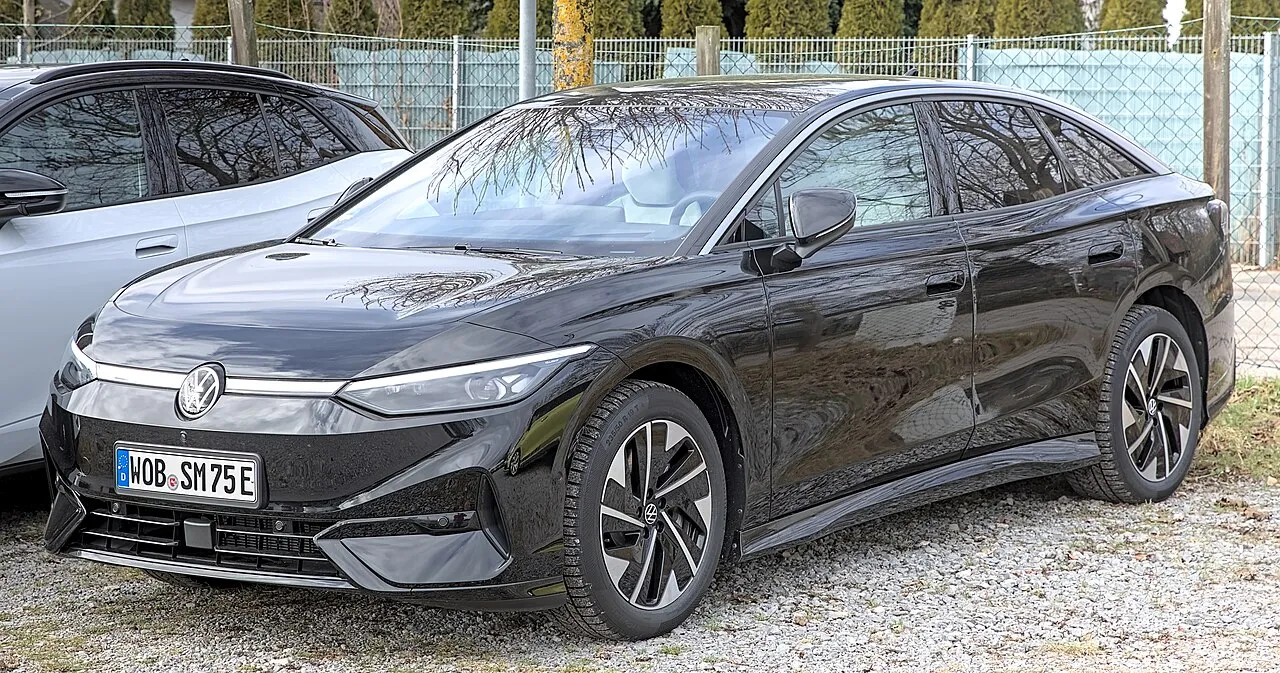
Volkswagen Opens German Orders for ID. Cross R-Line
Volkswagen has opened German orders for the ID. Cross R-Line, with a 314-km WLTP entry version and a 428-km flagship due to follow in 2027.
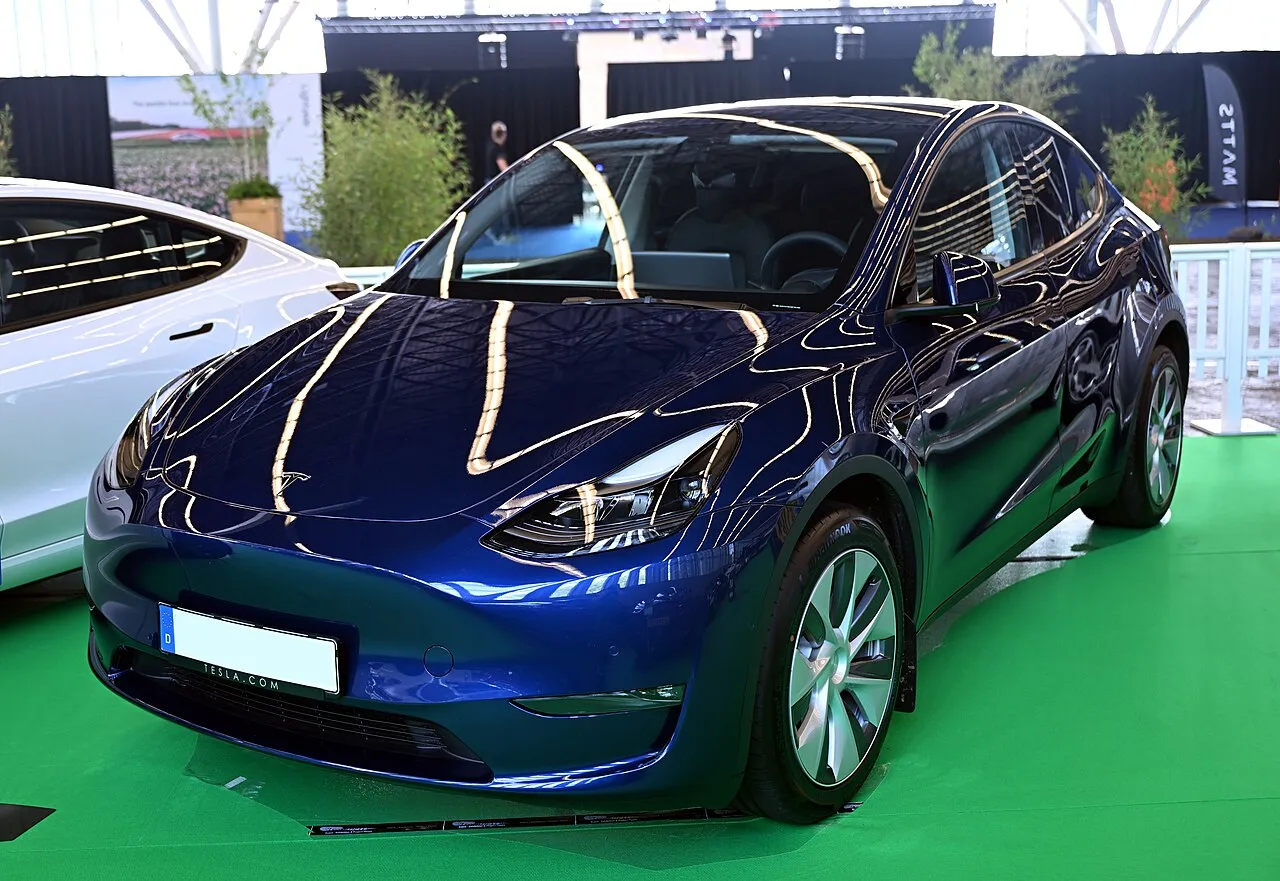
Tesla Forms German Company at EMAG Headquarters Amid Robot Push
Tesla has registered a company at German machine maker EMAG’s headquarters as reports point to a possible deal involving workers and Optimus production.
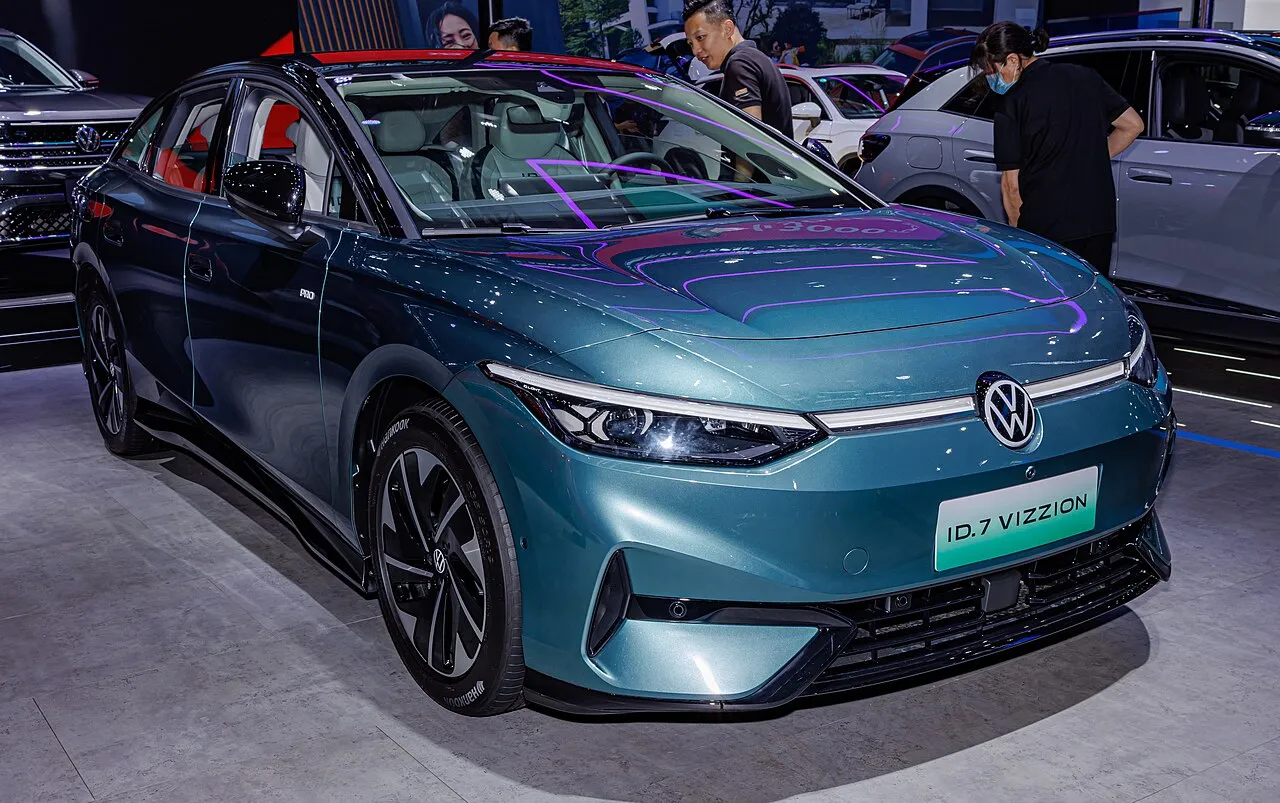
Volkswagen Elli Plans Paid Vehicle-to-Grid Charging in Germany
Volkswagen’s Elli is preparing a German V2G offer that pays owners to keep compatible EVs plugged in, with energy exports paid separately.