How to Tell Whether an EV Needs All-Wheel Drive
All-wheel drive can help an EV accelerate on slippery roads, but tires, local weather, hills and efficiency matter more than the badge alone.
The Evnews Team covers electric vehicle news, model specifications, charging and technology. Articles are compiled from cited sources and published vehicle data, and are corrected promptly when facts change.
Recent reporting and explainers.
All-wheel drive can help an EV accelerate on slippery roads, but tires, local weather, hills and efficiency matter more than the badge alone.
Compare EVs by how well their charging fits each driver's commute, departure time and battery needs, then build a routine that leaves both cars ready.
Budget for a home EV charger by separating equipment, installation, electricity, and upkeep, then estimate how each cost may change as your needs evolve.
Compare door access, seating, storage, and charging routines to find an EV that works for shared school runs, carpools, and regular activity pickups.
Compare an EV’s entry points, secure travel area, climate controls and cleanability with your dog and gear on hand before choosing a vehicle.
Cargo volume alone cannot tell you whether an EV will handle a grocery run. Check the opening, floor, seat layout, and how bags fit together.
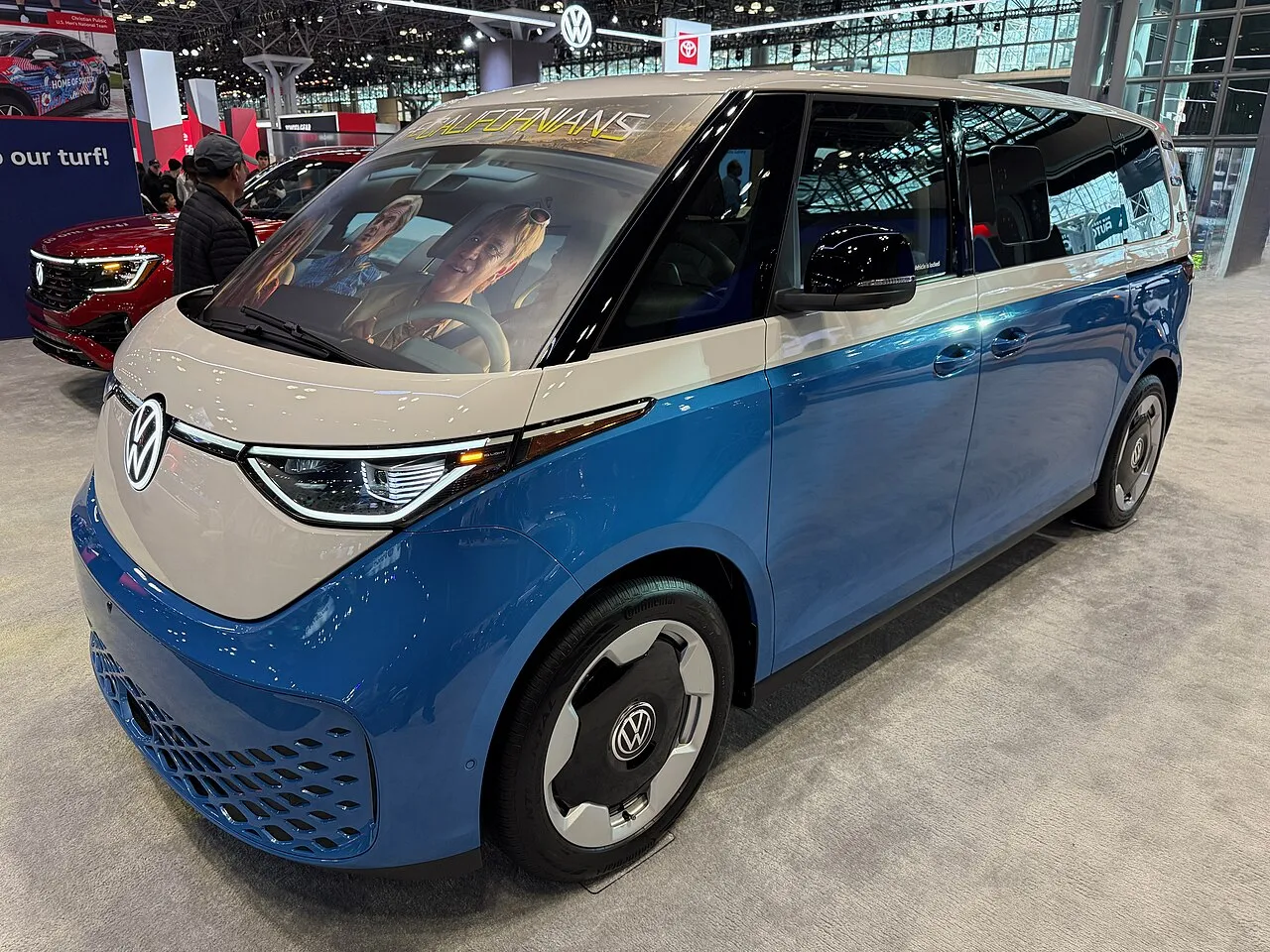
The ID. Buzz pairs a van-like cabin with an electric drivetrain. Here is how its layout can shape passenger access, parking, cargo use and daily trips.
Compare an EV’s cargo opening, floor height, folding room and loading access with the stroller or mobility aid you use. A hands-on fit check can reveal practical limits.
Convert charging power into added range by accounting for energy use. Learn the simple calculation, what the result means, and why real charging rates vary.