How to Choose an EV for Your Dog and Travel Gear
Compare an EV’s entry points, secure travel area, climate controls and cleanability with your dog and gear on hand before choosing a vehicle.

The short answer: Choose an EV that lets your dog enter and settle comfortably, keeps the dog and travel gear secure, and makes it practical to manage cabin temperature and clean up. Compare vehicles in person with your dog’s carrier, crate or restraint and the items you normally travel with.
The right EV for a dog is the one that gives your pet a manageable way into the cabin, a secure place to travel, useful climate controls and surfaces you can clean. Assess those needs with your own dog and travel gear: a roomy cargo area is not automatically a good fit if it is difficult to access, hard to secure or poorly suited to your dog’s restraint.
Start by deciding where the dog will ride and how the dog will be restrained. Then check the entry height, usable floor area, tie-down points, climate-control features and clean-up details in person. These checks help you compare vehicles by how they work for your household rather than by cargo-volume figures alone.
Choose the dog’s travel position first
Before comparing EVs, decide whether your dog will ride in a crate, in a harness attached to an appropriate restraint system, or in another setup designed for vehicle travel. The choice depends on the dog’s size and behavior, the available space and the restraint’s instructions. A dog that needs a rigid crate, for example, creates different fit and loading requirements from one that can travel in a secured harness.
Plan for the dog to remain restrained during the trip. An unrestrained pet can distract the driver, move into the path of an airbag or become a hazard during sudden braking. A loose dog can also interfere with controls or leave the vehicle unexpectedly when a door or hatch opens. Follow the restraint manufacturer’s installation instructions and check that the vehicle offers a workable place to attach or position the restraint.
Choose the intended riding area before measuring. A dog may ride in the rear seat or cargo area, depending on the vehicle and restraint. Check whether that area is separated from the driver, whether a barrier is needed to keep the dog from moving forward, and whether the restraint can be installed without interfering with seat belts, child seats or other equipment. Do not assume that a cargo area’s size alone establishes that it is a safe or suitable travel space.
Check entry and loading with your dog
Cabin access can determine whether a vehicle remains comfortable to use as your dog ages or becomes less able to jump. Look at the height of the door sill or cargo floor, the opening’s width and height, and the amount of room available to turn or step inside. A low, wide opening may be easier to use than a tall, narrow one, but your dog’s build and confidence matter too.
If possible, bring your dog to a dealership or vehicle inspection and let the dog approach the vehicle calmly. Watch whether the dog can enter without scrambling, squeeze through the opening without bumping the head or body, and turn around where it will ride. If the dog uses a ramp or portable steps, bring them along and check whether they can be placed securely without blocking traffic or creating a trip hazard.
Open the doors and hatch fully during your check. A vehicle may have enough room once the dog is inside but still be awkward to load in a tight parking spot. Consider where you can stand while guiding the dog, how the hatch opens, and whether the dog could reach the cabin before a restraint is ready. These practical details matter on routine errands as well as longer drives.
Fit the crate, restraint and travel gear
Measure the crate or carrier you plan to use, including its outer dimensions and any protruding handles or fittings. Check that it can pass through the door or hatch opening and sit in the intended position with the hatch closed. A crate that fits through the opening may still be difficult to orient or secure once it is inside.
Bring the actual crate, harness or restraint to compare. Check where its straps, clips or attachment points need to reach, and whether the vehicle’s seat belts or cargo anchors work with the restraint’s instructions. If you plan to use a cargo barrier, verify that it fits the vehicle and does not obstruct the dog’s ventilation or access to the restraint. Avoid relying on improvised attachment points or assuming that a luggage hook is designed to hold a pet restraint.
Make a list of the other items that travel with your dog: food, water, bowls, a leash, waste bags, towels, medication and any mobility equipment. Place these items in the vehicle during the fit check. Keep loose objects from sharing open space with the dog, where they could shift during travel. A closed storage area, secured bag or separate footwell can help keep gear organized, provided it does not block access to the dog or interfere with occupants.
Think about the whole trip setup, not just the amount of space behind the seats. A crate may use space needed for luggage, while folding a seat may change where a passenger can sit. If people and pets regularly travel together, test the arrangement with the usual number of occupants and the gear they actually carry.
Understand climate controls and their limits
Check how the EV’s climate system operates while parked, how it is started and monitored, and whether the controls are easy to use when preparing to leave. Some vehicles offer app-based cabin controls or a feature intended to maintain a cabin environment while the driver steps away. Read the owner’s manual to understand the feature’s conditions, limits and alerts, rather than assuming that a display message guarantees a safe cabin.
Climate features can be useful when preparing the cabin before a trip or managing conditions during a brief stop, but they do not make leaving a dog unattended safe. Cabin temperature can change, the vehicle can lose power or connectivity, and climate settings may depend on the vehicle’s state or charge. Never treat remote climate control as a substitute for supervision, and follow local rules for animals in vehicles.
Look for clear ways to check that climate control is active and to notice when it stops. Learn what happens if the vehicle is turned off, locked or left without a network connection. If the system displays a status or sends alerts, understand what each one means. A feature that is difficult to activate or verify may not suit a driver who expects to use it frequently.
Also consider airflow around the dog’s travel area. A crate or barrier can restrict air movement if positioned poorly. Check that vents are not blocked by gear and that the dog’s location is served by the cabin’s climate system. The manual can help explain how to operate the system, while an in-person check can show whether the air reaches the area where the dog will ride.
Compare cleaning and everyday upkeep
Dog hair, wet paws, dirt and spills are easier to manage when the surfaces in the travel area are accessible and compatible with your cleaning routine. Inspect the seat upholstery, floor covering, cargo-area trim and the gaps around seat backs. Deep seams and hard-to-reach corners can collect hair and debris. Ask how the owner’s manual says to clean those surfaces, particularly if they are made from materials that need specific care.
Consider whether a removable, properly fitted seat or cargo liner can protect the area without covering air vents, restraint anchors or seat-belt hardware. A liner should not slide around under the dog or prevent a restraint from being installed as intended. Check whether the rear seats fold and return easily after the area has been used, and whether the cargo floor can be reached without removing several pieces of gear.
Think through the clean-up routine after a muddy walk or a spill. Is there a convenient way to keep a towel, wipes and waste bags within reach? Can you remove a crate mat or liner without making a mess elsewhere in the cabin? Are the surfaces practical to wipe down? These details can matter more over years of ownership than a single cargo measurement.
Make a repeatable comparison
Use the same checklist for every EV you consider. Record whether the dog can enter and turn comfortably, whether the restraint fits and attaches as directed, where the travel gear goes, how climate controls work while parked, and how the riding area can be cleaned. A simple yes, no or needs-check rating keeps the comparison focused on your own requirements.
- Bring your dog, crate or restraint, and typical travel gear to the vehicle inspection.
- Check door and hatch openings as well as the space available after loading.
- Confirm that restraint installation follows the restraint and vehicle instructions.
- Try the climate controls and read the manual for parked operation and limitations.
- Inspect the floor, upholstery, cargo trim and cleaning guidance.
Finally, consider how your needs may change. A young, confident dog may manage a high entry today, while an older dog or one recovering from an injury may need a lower step or ramp. A larger crate, another passenger or added travel equipment can also change the layout. Choosing around the dog’s actual access, restraint and care needs makes the EV more useful for everyday trips and longer journeys alike.
Frequently asked questions
What should I bring when comparing EVs for my dog?
Bring your dog, its crate or restraint, and the travel gear you usually carry. Check entry, fit, restraint installation and where each item will go.
Does a large cargo area mean an EV is suitable for a dog?
Not by itself. Check access, the dog’s riding position, restraint attachment, airflow, gear storage and whether the area is practical to clean.
Can an EV’s parked climate feature make it safe to leave a dog inside?
No. Climate controls do not replace supervision. Conditions can change, and the system may depend on the vehicle’s state or connectivity.
How can I check whether a crate will fit?
Measure the crate, bring it to the vehicle, and check that it passes through the opening, sits in the intended position and can be secured as directed.
Related stories

How to Choose an EV for Frequent Public AC Charging
If you often charge at public AC stations, compare the car’s onboard charger, connector access and how long it will usually be parked there.

What to Check Before Buying an EV With a Panoramic Roof
Check a panoramic roof for sun protection, cabin heat, headroom and reliable operation. These practical steps can show whether the glass suits your daily driving.
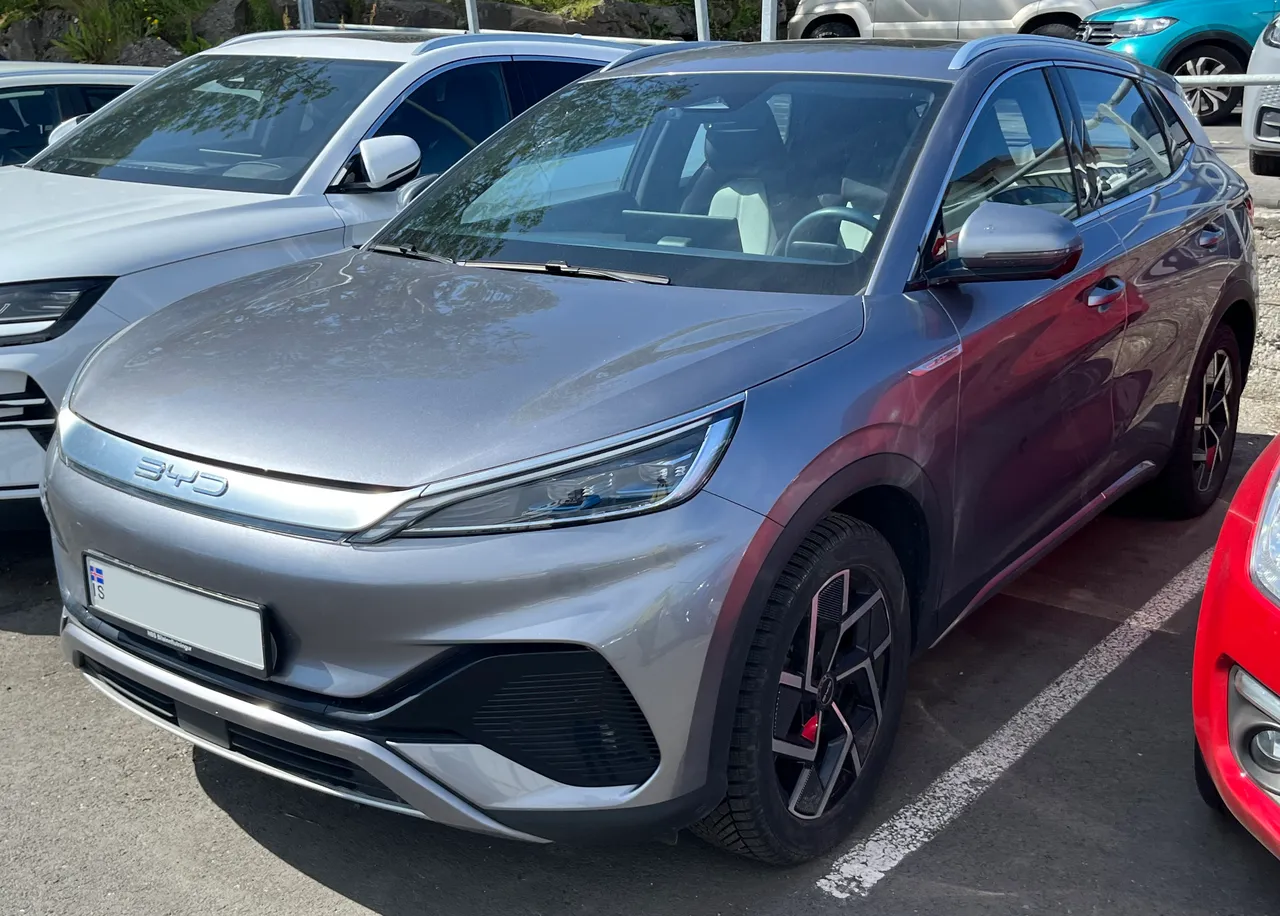
Kia EV3 vs. BYD ATTO 3: Which SUV Fits Daily Life?
The Kia EV3 and BYD ATTO 3 suit different daily needs. Compare market-specific range figures, dimensions and charging, then check cargo access and fit in person.