What to Check Before Buying an EV With a Panoramic Roof
Check a panoramic roof for sun protection, cabin heat, headroom and reliable operation. These practical steps can show whether the glass suits your daily driving.

The short answer: Before choosing an EV with a panoramic roof, check how well its shade or tint controls sunlight, how warm the cabin feels after sitting in the sun, and whether the roof leaves enough headroom. Operate every roof panel and shade, and confirm how they work and what care they require.
Before choosing an EV with a panoramic roof, check how well its shade or tint controls sunlight, how warm the cabin feels after sitting in the sun, and whether the roof leaves enough headroom. Operate every roof panel and shade, and confirm how they work and what care they require.
A large glass roof can make a cabin feel brighter and more open, but those qualities matter only if the roof works for the people who will use the vehicle. A showroom glance cannot show how the glass feels on a sunny drive, whether a tall passenger sits comfortably, or whether a powered shade is easy to use. Evaluate those points in person and consider how the roof fits your regular trips and parking conditions.
Check how the roof manages sunlight
Look at the roof from inside with the shade open and closed, if the vehicle has one. Notice how much direct light reaches the seats and whether the glass creates glare in the driver’s normal sightlines. Check from the front and rear seats: the brightness and sun exposure can feel different depending on where a passenger sits.
Ask what the roof’s tint or other sun-control features do, and whether the shade is manual or powered. A tinted pane can reduce brightness, but do not assume that tint alone will block the sunlight enough for your comfort. Try the vehicle in bright conditions when practical. If you inspect it indoors or on an overcast day, treat that as an incomplete view of its sun protection.
Test the shade from each seating position where controls are available. See whether it covers the glass fully, how long it takes to open or close, and whether passengers can operate it without distracting the driver. If it has several sections, check whether they move independently. A shade that is easy to use can give occupants another way to adjust the cabin as sunlight changes.
Assess cabin temperature in realistic conditions
Ask to inspect the vehicle after it has been parked in the sun, if that is possible. Pay attention to the warmth around the roof and seats, and consider whether the cabin feels comfortable before the climate control has had time to work. A brief visit in a shaded showroom will not answer how the roof feels after outdoor parking.
Then check how the vehicle’s climate controls respond. Learn how to cool the cabin before setting off, how quickly the system directs air to the front and rear seats, and whether passengers can adjust their own vents. If the vehicle has a roof shade, compare the feel with it open and closed. The goal is to understand the whole cabin experience, not to infer performance from the roof’s appearance.
Think about your usual parking. A vehicle kept in a garage or covered space may have a different daily experience from one left in direct sun. Also consider who rides in the back and how long they typically travel. Passengers who are sensitive to bright light or warmth may value a shade more than someone who rarely uses the rear seats.
Check headroom in every seat you use
Glass roofs can affect the roofline or the space available above occupants, and the seating position can change how much clearance you feel. Sit in the driver’s seat in your normal position, then try the front passenger seat and the rear seats. Wear the kinds of shoes you usually drive in and adjust the seat before judging the space.
Check headroom while sitting upright and while getting in and out. Pay attention to whether your head comes close to the headliner, roof frame or glass area, and whether a raised seating position makes the space feel cramped. If you regularly carry taller passengers or use a child seat, bring the relevant passenger or seat along to check fit directly.
Do not judge rear headroom from the front seats. The roof shape and the rear seat’s position can make the back feel different, even when the glass looks continuous overhead. Try the seat on both sides if the roof or interior trim differs across the cabin. A comfortable position for one short visit may also feel different on a longer ride, so consider posture as well as clearance.
Operate the roof and shade before you decide
Ask which parts of the panoramic roof open and which are fixed. If a section opens, operate it using the vehicle’s normal controls and watch its full movement. Check that it opens and closes smoothly, stops where expected, and does not make sounds that concern you. If there is a powered shade, test that separately through its full travel.
Learn what happens when the vehicle is turned off or locked. Check whether the roof and shade close automatically, require a control input, or can be left in their current position. Understand any pinch-protection behavior and how the vehicle signals that the roof is not fully closed. These details affect everyday use, especially when passengers operate the controls.
Ask the seller or manufacturer for the roof’s operating instructions and care guidance. Find out how to clean the glass and any moving parts, and what to do if the roof does not close normally. If you are considering a used vehicle, inspect the glass and surrounding trim for visible damage or signs of water entry, and make sure every roof function works before purchase.
Decide whether the trade-offs fit your routine
A panoramic roof may suit someone who values a brighter cabin and does not mind managing sunlight with tint, a shade or climate controls. It may be less appealing if direct sun bothers you, if you regularly park outdoors, or if the roof reduces headroom for people who ride in your vehicle. Those are personal fit questions, so compare the experience in the seats you actually use.
Use the same checks across the vehicles you are considering. Open and close each shade, sit in each relevant seat, and inspect the roof in conditions that resemble your routine when possible. This makes it easier to compare what you can directly assess: light, comfort, space and operation.
Before committing, make sure you understand which roof features are included on the exact vehicle and how they are controlled. A clear view overhead is only one part of the decision. The roof should feel comfortable, leave adequate room for passengers, and operate in a way that fits daily use.
Frequently asked questions
What should I check first when evaluating an EV panoramic roof?
Check sunlight and glare from the seats you use, test any shade, sit in every relevant seat to assess headroom, and operate the roof and shade through their full movement.
Does tinted glass mean a panoramic roof will feel comfortable in the sun?
Not necessarily. Check the roof in bright conditions when possible, try the shade, and consider how the cabin feels after parking in the sun.
How can I check whether a panoramic roof affects headroom?
Adjust the seat to your normal position and sit in the front and rear seats you use. Check clearance while seated and while getting in and out, and bring taller passengers or a child seat if relevant.
What should I test on a powered panoramic roof?
Operate each movable roof section and shade through its full travel. Check how they respond, whether they close automatically, and what the vehicle indicates if the roof is not fully closed.
Related stories

How to Choose an EV for Frequent Public AC Charging
If you often charge at public AC stations, compare the car’s onboard charger, connector access and how long it will usually be parked there.

How to Choose an EV for Your Dog and Travel Gear
Compare an EV’s entry points, secure travel area, climate controls and cleanability with your dog and gear on hand before choosing a vehicle.
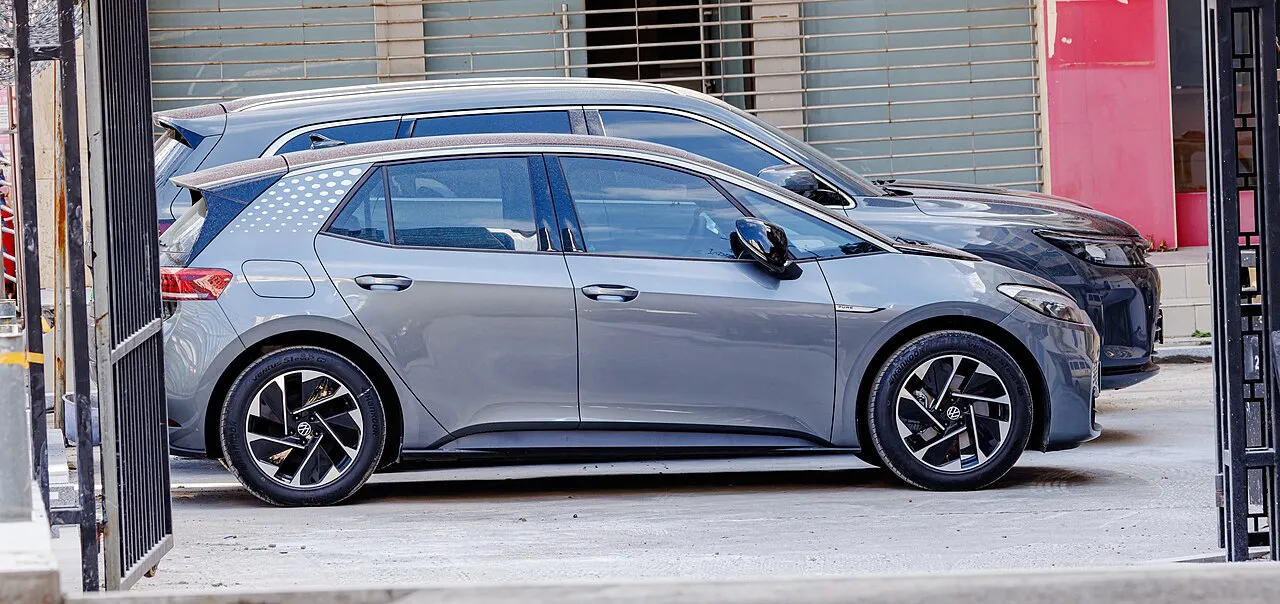
Volkswagen ID.3 vs. ID.4: Which Size Fits Your Needs?
The ID.3 hatchback is shorter and lower; the ID.4 SUV is longer and taller. Compare their proportions and think through passengers, cargo and parking.