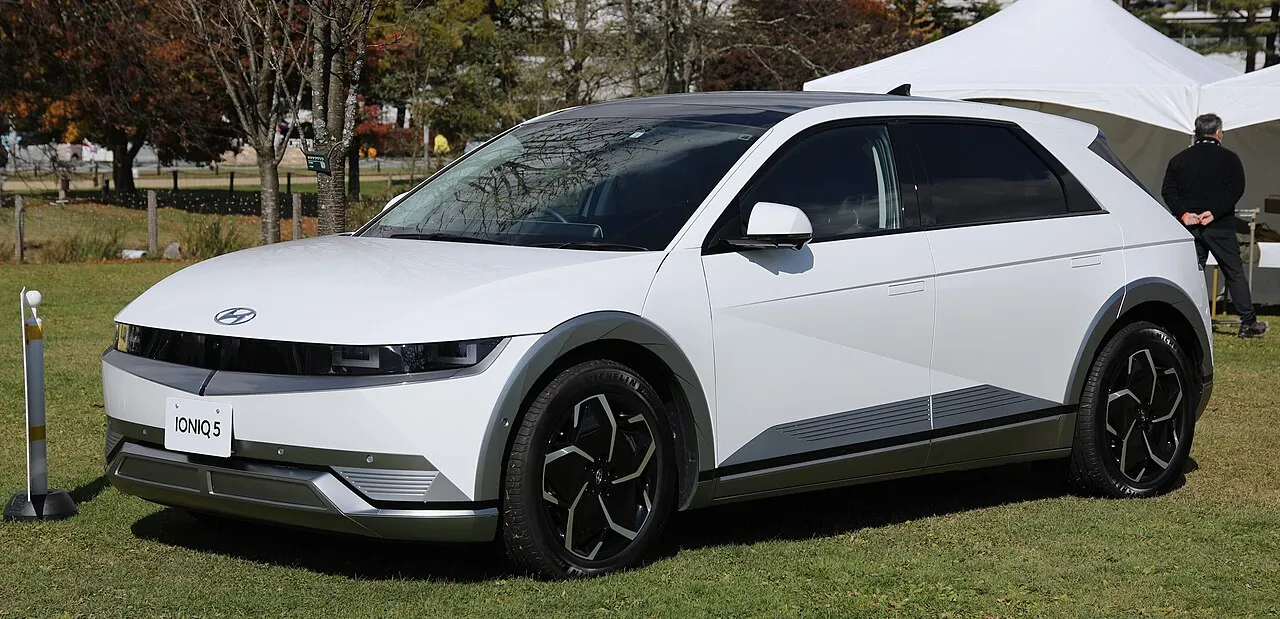
How IONIQ 5 Charging Works With Lower-Voltage DC Stations
The Hyundai IONIQ 5 uses its motor and inverter to raise voltage at 400-volt DC chargers. Here is why that compatibility does not guarantee maximum speed.
How DC fast charging works, what limits charging speed and how to charge quickly on long trips.
News, explainers and expert context.
The Hyundai IONIQ 5 uses its motor and inverter to raise voltage at 400-volt DC chargers. Here is why that compatibility does not guarantee maximum speed.
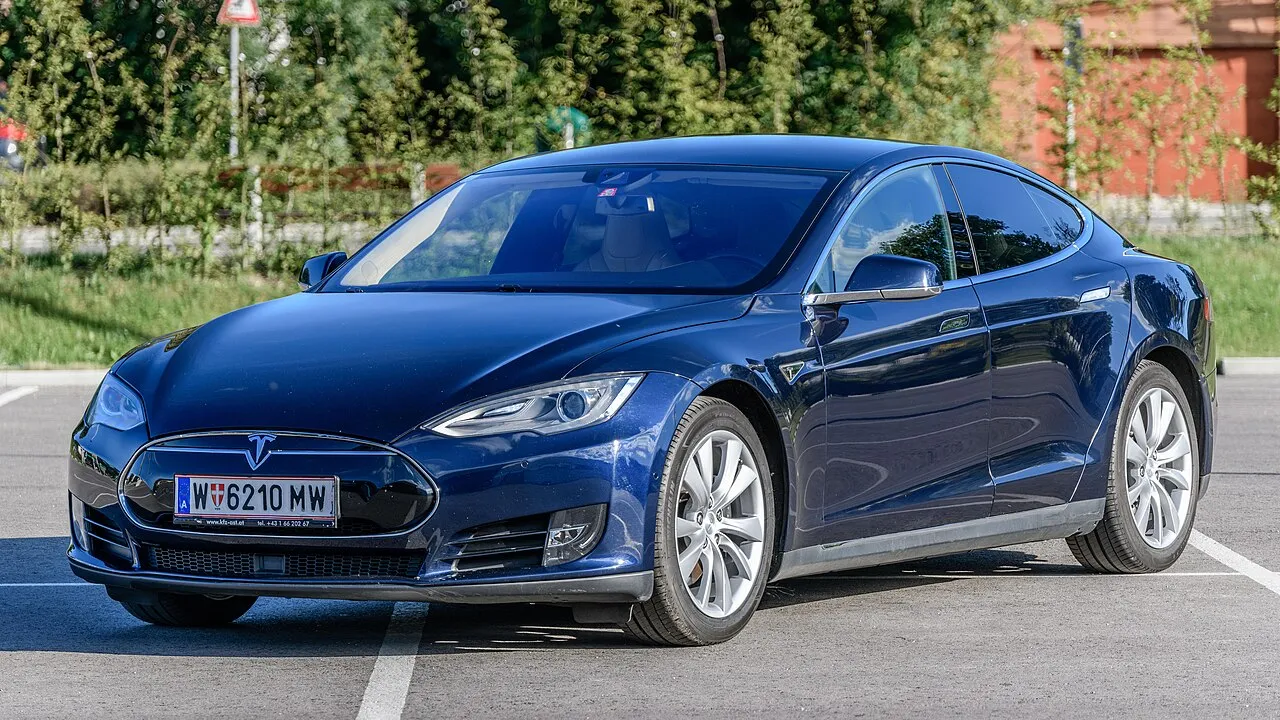
Early Tesla Model S dual chargers increase AC charging capacity, but the benefit depends on the car, charging equipment and electrical supply working together.
How series and parallel battery connections change charging voltage, and what EPA and NRCan ratings establish about Tesla Cybertruck range and charging.
DC fast charger efficiency depends on output power, conversion losses, and module use. Learn why light loads and maximum output can change energy waste.
Public fast chargers use electricity between sessions for controls, communications and temperature management. Here's what stays on and why demand varies.
Modular DC chargers combine converter outputs to deliver more power. Learn how they share the load and why some can keep charging after a module fails.
Lithium plating can occur when charging pushes lithium onto an anode faster than it can absorb it. Temperature and current limits help reduce the risk.
CCS charging carries digital messages over the control pilot circuit. Learn how power-line communication shares that path with the basic pilot signal.
Galvanic isolation separates a DC charger's power circuits. Learn how that barrier works alongside grounding and monitoring for electrical insulation faults.
The car reduces charging power as the battery fills to protect the cells, so the last 20% takes much longer than the first 80%.
Occasional fast charging has little effect. Frequent fast charging, especially in high heat, can accelerate degradation slightly, which is why the car manages power carefully.