EV Battery Efficiency Explained: Charge Versus Energy
An EV battery can return nearly all its electric charge while losing energy. Learn how voltage, heat and operating conditions explain the difference.
All articles tagged with ev charging, from practical guides to the latest updates.
An EV battery can return nearly all its electric charge while losing energy. Learn how voltage, heat and operating conditions explain the difference.
EV coolant pumps vary their speed to move heat where needed while limiting energy use. Learn why cooling sounds can change during driving and charging.
Divide a charging membership’s fee by its eligible rate discount to find the break-even point, then check whether your actual charging use clears it.
At EV chargers that bill by time, slower charging can raise the cost of energy. Battery temperature, charge level and billing rules all affect your total.
Before using an EV charging adapter, confirm vehicle and network approval, then check its electrical ratings, charging type and any operating restrictions.
A salvage EV can carry risks beyond collision repairs. Check title eligibility, insurance, battery condition and charging access before committing to a purchase.
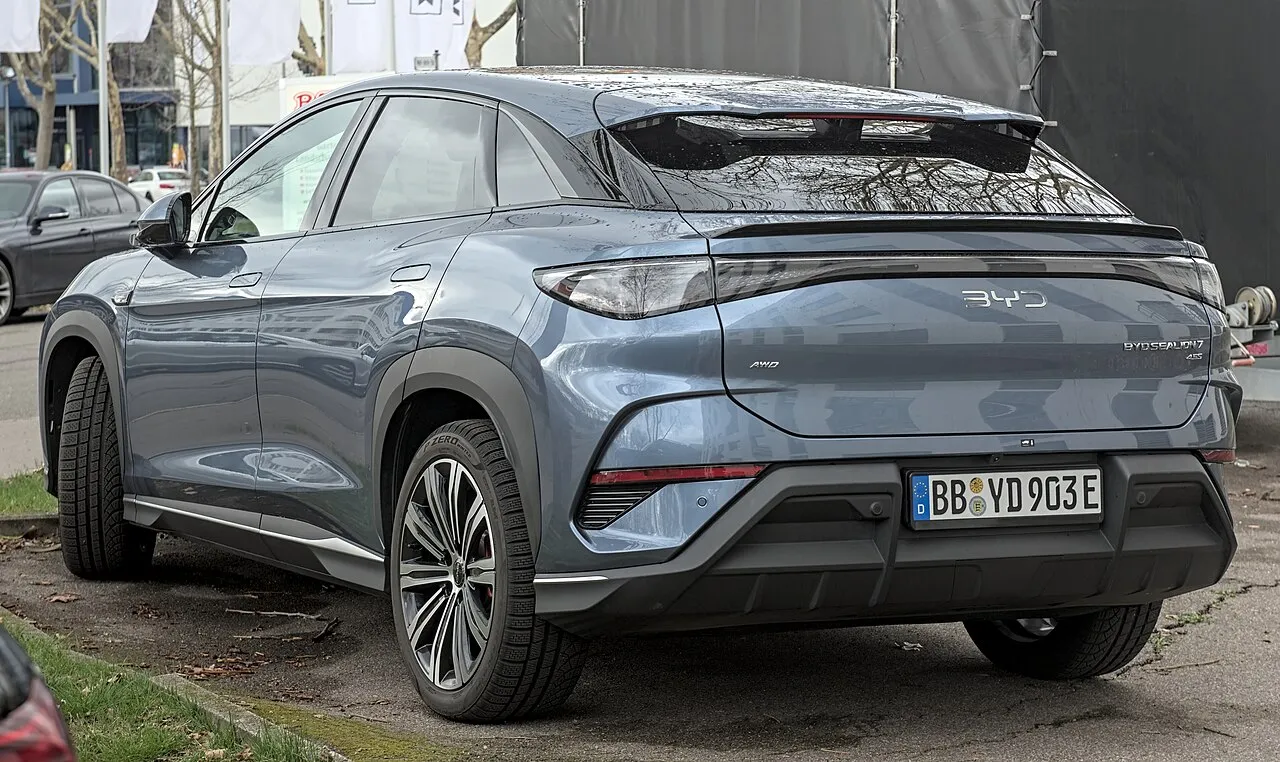
Compare Kia EV6 and BYD SEALION 7 dimensions, battery capacity and charging ratings, with clear distinctions between European and US versions and tests.
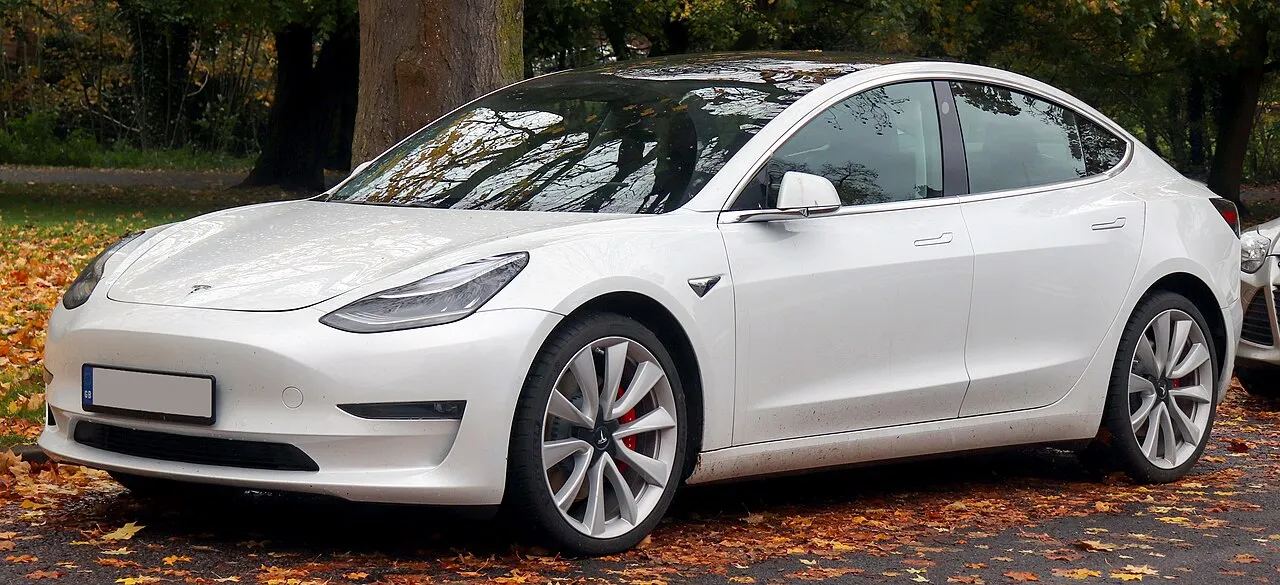
Compare BYD SEAL and Tesla Model 3 charging, range and dimensions, with market-specific figures and a clear look at what they mean for everyday ownership.
Kilowatts describe real charging power, while kilovolt-amperes describe electrical demand. Power factor connects them and helps explain site capacity limits.