Why Tesla Charging Ports Differ Between Regions
A Tesla plug may not fit every Tesla or charger. Market rules, connector standards and charging networks all shape which port a vehicle uses.
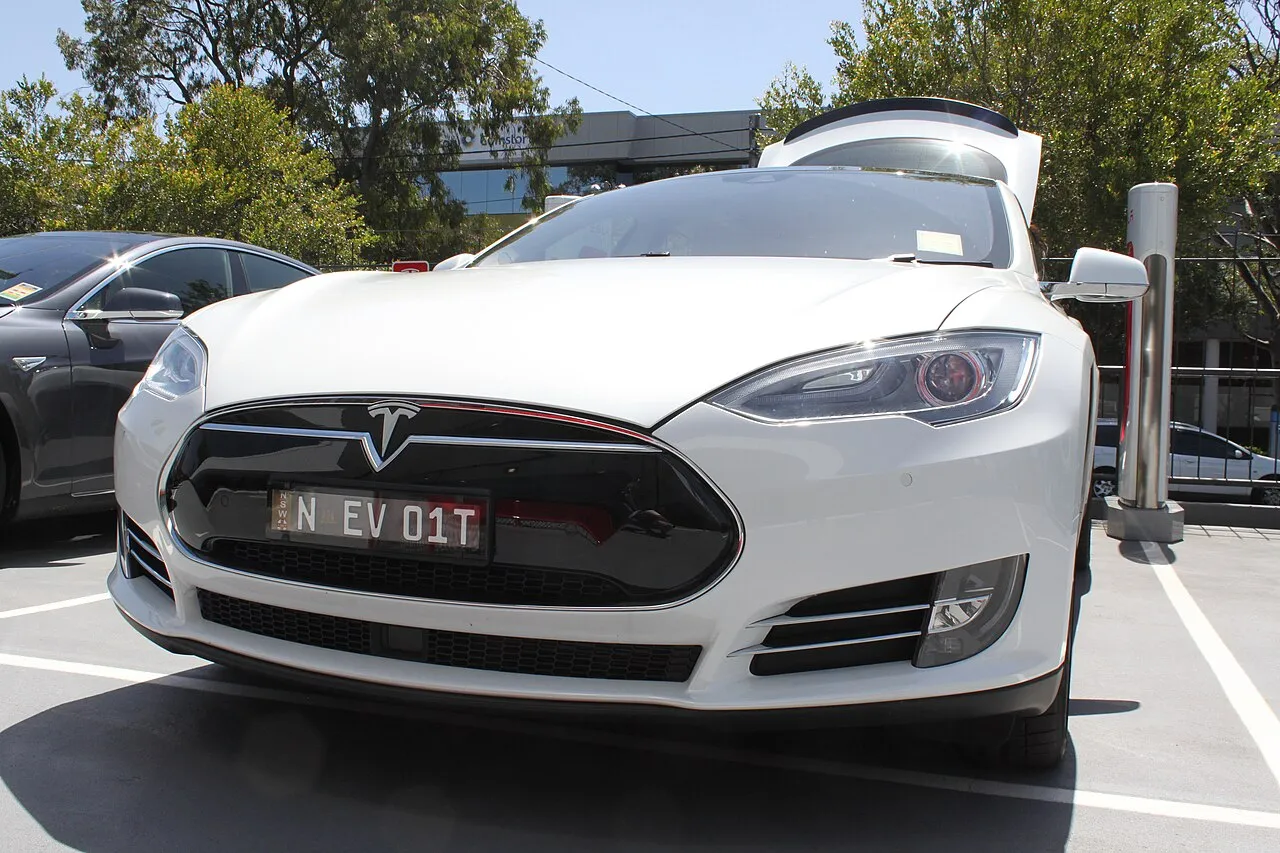
The short answer: Tesla charging ports can differ by region because markets use different connector standards, communication systems and charging networks. Check the vehicle’s sales market and connector type before assuming a Tesla can plug directly into a particular charger.
A Tesla charging port may differ between regions because the vehicle has to work with the connector standard and charging infrastructure used in its target market. Tesla vehicles sold in North America, Europe and China have used different charging interfaces, so a plug that fits one Tesla may not fit another.
The market in which a Tesla was built or sold is therefore part of the charging-port question. Model name alone is not enough. Two vehicles that look similar, or even share the same model name, can have different port hardware, charging communication and adapter requirements.
Why one global charging plug is not guaranteed
Electric-vehicle charging is not based on a single worldwide connector. Different regions developed charging systems around their own electrical rules, vehicle standards and public-charging networks. Those systems define the shape of the plug, the arrangement of the pins and the way the car and charger communicate.
The charging port also has to support the type of charging the vehicle is designed to accept. Alternating-current charging typically uses one part of the connector system, while direct-current fast charging can use additional high-power contacts or a different connector arrangement. A port that accepts household or destination charging may therefore have a different physical layout from one designed around a regional fast-charging standard.
Tesla has adapted its vehicles and charging equipment to these regional conditions. That adaptation affects more than the plastic shape visible behind the charging door. It can affect the electrical contacts, the control signals exchanged with a charger and whether a vehicle needs an adapter to use another network.
The main regional connector differences
In North America, Tesla vehicles have commonly used Tesla’s compact connector, now widely known as the North American Charging Standard, or NACS. The same connector handles the vehicle’s AC charging and direct-current fast charging through a relatively compact inlet.
Europe uses the Combined Charging System based on the Type 2 connector, commonly called CCS2. The upper portion supports AC charging, while additional contacts below it support DC fast charging. A European Tesla can therefore have a visibly different charging inlet from a North American Tesla, even when the vehicles share a model name.
China uses charging standards based on the GB/T system. Tesla vehicles intended for the Chinese market have used charging hardware designed around that regional environment. The connector and charging communication are different from the systems commonly encountered in North America and Europe.
These examples explain why a photograph of a Tesla charging port should not be treated as universal. The port shape is a clue, but the vehicle’s market and charging equipment determine what the car can use directly.
Why physical fit is only the first check
A plug must physically enter the vehicle inlet and lock correctly, but physical fit does not by itself establish compatibility. The car and charger also need to agree on how charging will begin, how much power can be delivered and when charging should stop.
That exchange uses control and communication signals built into the charging system. A connector can appear close enough to fit while still using a different signaling method. In that situation, forcing the plug is unsafe and a simple shape comparison is not a valid compatibility test.
Adapters can bridge some regional differences, but an adapter is not a universal translator for every charging system. Some adapters change the physical connection while relying on compatible communication between the vehicle and charger. Others are designed for a particular charging direction, power level or network. The vehicle, adapter and charger must all support the same arrangement.
Adapters can also affect which features are available. A vehicle may be able to use AC charging through one adapter but require different equipment for DC fast charging. Network access, authentication and payment can introduce another layer of compatibility even after the plug fits.
Why the vehicle’s market matters
The original sales market is one of the quickest ways to narrow down the likely charging hardware. A Tesla imported from another country may have a port intended for its home market rather than the connector used by local public chargers.
This matters for used vehicles and gray-market imports in particular. A car may be physically present in a country where a different charging standard dominates, while its inlet remains designed for the market where it was originally sold. Its navigation system, charging access and available adapters may also reflect that original market.
Vehicle documentation should identify the charging system or show the relevant connector. The charging door and inlet can provide a useful visual check, but documentation tied to the vehicle identification number is a stronger way to confirm the hardware. A seller’s description or a model name by itself may not answer the question.
Even within one region, production changes can matter. Tesla has revised vehicle hardware over time, and charging equipment can vary by market and model generation. The safest identification combines the vehicle’s market, model year, charging inlet and any adapter that comes with the car.
AC charging and DC fast charging can create different questions
Charging compatibility should be considered separately for AC and DC charging. An AC station may use a connector that works with the vehicle’s onboard charging system, while a DC fast charger sends power through a different part of the charging interface and depends on additional communication.
This is why a vehicle can work with one kind of public charger but not another. The car may accept AC charging through a compatible adapter while lacking the hardware or communication support needed for a particular DC network. The reverse can also create confusion when a charger advertises a connector family but does not support every vehicle or charging mode associated with it.
Tesla’s own charging network adds another consideration. A Tesla may be able to use a Tesla-branded charger directly, through an adapter or only at certain locations, depending on the vehicle’s port and the charger’s connector. Public networks from other operators can have their own access requirements and connector combinations.
What to check before using a charger
- Confirm the original market. Identify the country or region for which the Tesla was built and sold.
- Identify the inlet. Compare the vehicle’s actual charging port with the charger’s connector description or image.
- Separate AC from DC. Check compatibility for the charging type you plan to use, rather than treating all charging as the same.
- Verify the adapter. Confirm that the adapter supports the vehicle, connector system, charging mode and network involved.
- Check communication support. A physical match does not guarantee that the car and charger can start and manage a session.
- Review network access. The charger may require an account, a supported vehicle configuration or a particular method of authorization.
These checks are especially important before a long trip. A route may include chargers that use a connector common in the region but incompatible with an imported Tesla. Planning around the actual inlet can prevent a stop at a station that cannot charge the vehicle.
Why connector names can cause confusion
Connector names often describe a standard, a regional implementation or a brand’s preferred terminology. They do not always tell the reader whether the connection supports AC, DC or both. A name can also refer to a family of related connectors rather than the exact inlet on a particular vehicle.
For example, the term CCS describes a combined system, but the physical version used in Europe differs from the version used in North America. NACS identifies the North American Tesla-style connector, while GB/T refers to a Chinese charging system. Those labels help identify compatibility, but the vehicle market and charging mode still need to be checked.
Images can be misleading as well. Protective covers, adapter sockets and charger cables may make two systems look more similar than they are. The number and position of the contacts, the vehicle-side inlet and the charger’s stated charging mode provide more useful information than the overall silhouette alone.
The practical takeaway for Tesla drivers
A Tesla charging port is a regional hardware decision as much as a vehicle design feature. North American, European and Chinese vehicles can use different connector systems because their charging networks and technical standards differ.
Before buying an imported Tesla, lending one an adapter or planning a charging stop, confirm the vehicle’s market and inspect its actual inlet. Then check whether the charger supports the same connector, charging mode and communication system. That short process is more reliable than assuming every Tesla accepts the same plug.
Frequently asked questions
Why can two Teslas have different charging ports?
Tesla vehicles built for different markets may use different regional connector standards, charging communication systems and public-charging networks.
Does a plug that physically fits guarantee compatibility?
No. The vehicle and charger must also support compatible control signals, charging modes and power-delivery arrangements.
What charging connector does a North American Tesla use?
North American Tesla vehicles have commonly used Tesla’s compact connector, now widely known as NACS.
Why does an imported Tesla require extra checking?
An imported Tesla may retain the charging inlet intended for its original market, where connector standards and charging networks differ from those in its new location.
Can an adapter solve every Tesla charging mismatch?
No. An adapter may bridge some physical and technical differences, but compatibility depends on the vehicle, charging mode, communication system and network.
Related stories

How to Check a Hotel’s EV Charging Before You Book
Confirm whether hotel charging is available to guests, what connector it uses, how parking works, and how sessions are started before you book.
IONNA Opens 22-Bay California Hub, Adds Tesla Autocharge
IONNA opened its largest Rechargery in Westminster, California, with 22 bays and up to 400 kW charging, and enabled Tesla Autocharge across its network.
Why DC Fast Chargers Do Not Work With Every EV
DC fast charging depends on a compatible connector, voltage range, communication protocol and vehicle approval. A matching plug alone does not guarantee a charging session.