Volkswagen ID. Polo Wins German Car of the Year 2027
Volkswagen’s ID. Polo won Germany’s overall car of the year award. Its €24,995 entry model puts a small electric hatchback in a key European price class.
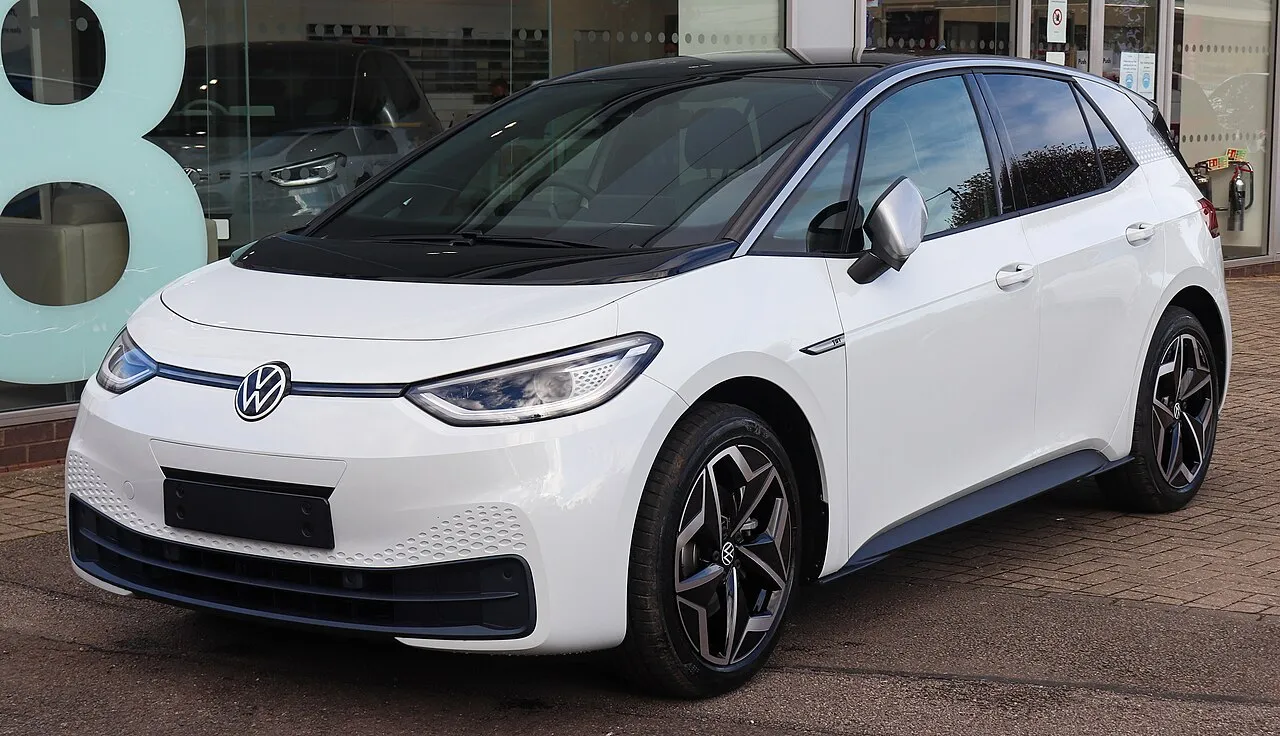
The short answer: The Volkswagen ID. Polo won the overall German Car of the Year 2027 award after winning the entry-level class. According to Electrek, its 37 kWh version starts at €24,995 in Europe.
Volkswagen’s ID. Polo has won the overall German Car of the Year 2027 award, according to Electrek. The result puts a small electric hatchback at the center of an award that spans vehicle classes, rather than recognizing it only among similarly priced cars. For European EV buyers, the notable figure is its €24,995 starting price: the least expensive version falls just inside the award’s entry-level class, which covers cars priced up to €25,000.
Electrek reports that the ID. Polo first won that entry-level class, then took the overall title against winners from other categories. The award is chosen by a jury of nearly 50 German and international automotive journalists. It is a recognition of the car by that jury, rather than a sales ranking or a measure of how its range and charging compare with every other finalist. Still, an overall win for a car at this price makes the ID. Polo’s place in the European EV market particularly relevant.
What the entry-level ID. Polo offers
The €24,995 ID. Polo uses a 37 kWh battery and has a range of up to 207 miles, or 334 kilometers, under the European WLTP test standard, according to Electrek. Its quoted DC fast-charging power is up to 90 kW. Electrek reports that a charge from 10% to 80% takes about 23 minutes. Those figures describe the smaller-battery version; the report does not establish the same range or charging figures for every ID. Polo configuration.
Buyers have choices beyond the starting version. Volkswagen opened ID. Polo orders with a 52 kWh battery at the end of April, Electrek reports. It added the 37 kWh entry model in July, along with Life and Style variants using that smaller battery. The Life and Style versions start at €29,195. The difference matters when reading the €24,995 headline price: it identifies a particular entry model, while the other named 37 kWh variants begin above the award class’s €25,000 ceiling.
The two battery sizes also show why the ID. Polo cannot be reduced to a single range figure. The WLTP estimate of up to 207 miles belongs to the 37 kWh car. Electrek gives the order-opening date for the 52 kWh version but no range figure for it. For a buyer weighing the lower starting price against a larger battery, the published details here establish the choice, while leaving the larger battery’s range outside this account.
Electrek describes Europe’s B-segment hatchbacks as cars that many families use as their only vehicle, rather than solely for short city trips. It also says battery-electric choices in that category have been limited. That context helps explain the attention on the ID. Polo: a small EV competing at this price has to appeal to people who may depend on it for more than occasional local driving. Its stated WLTP range and charging time are therefore central to the story, even though neither figure alone describes every journey or every version.
An award with wider EV representation
The ID. Polo was one of several electric winners reported by Electrek. Kia’s PV5 van won the compact class, covering vehicles priced from €25,000 to €40,000. The Mercedes-Benz GLC Electric won the premium class, covering €40,000 to €70,000. Hyundai’s IONIQ 6 N received the separate German Performance Car 2027 award. These results place the ID. Polo’s overall win alongside EV recognition in other price bands and vehicle types, from a van to a performance car.
Those category results are useful context, but the awards do not put all the vehicles on the same shopping list. The PV5 is a van, the GLC Electric won in a higher price class, and the IONIQ 6 N received a performance award. The ID. Polo’s distinction is that the entry-level class winner also secured the overall car of the year title. That gives its starting price a different role in the announcement from the prices defining the other award categories.
For the Volkswagen Group, the result marks a second consecutive overall win with a compact EV, according to Electrek. The previous winner was the Skoda Elroq. The repeat result links two different vehicles under the group’s umbrella, while the ID. Polo adds an entry-level hatchback to that sequence. Electrek reports that the Polo is also the first vehicle to use an established Volkswagen name as part of the brand’s new Pure Positive design language.
Orders and Volkswagen’s small-EV lineup
Volkswagen brand CEO Thomas Schäfer said that well over 50,000 people had ordered an ID. Polo since orders opened at the end of April, according to Electrek. The figure concerns orders, not vehicles delivered to customers. It also spans a period that began with the 52 kWh version; the €24,995, 37 kWh entry model was added later, in July. The reported total therefore should not be read as an order count for the least expensive version alone.
Electrek also reports nearly 150,000 orders for Volkswagen Group’s Electric Urban Car Family after series production began in June. That family includes the Volkswagen ID. Polo and ID. Cross, Cupra Raval, and Skoda Epiq. All four use the MEB+ platform. The family-wide number covers more models than the ID. Polo figure, so the two totals describe different groups of vehicles. Together, they show the scale of orders Volkswagen is reporting around this set of small electric cars.
The shared platform is significant to the lineup’s scope: the award-winning ID. Polo is one member of a four-model family carrying different brand names. The ID. Cross, Raval, and Epiq broaden the group’s presence beyond a single hatchback. Electrek does not break the nearly 150,000 family orders down by those models, so the ID. Polo’s reported order count is the clearest model-specific demand figure in the account.
Martin Sander, Volkswagen Group’s sales chief, said the company was seeing a significantly accelerated trend toward fully electric vehicles in its home market, Electrek reports. That is the company’s assessment of the German market. The award results and the order figures give context for why Volkswagen is emphasizing its electric lineup, but they answer different questions: the jury chose award winners, while customers placed orders across the ID. Polo and the wider family.
What the result means for US buyers
American buyers will not get the entry-level ID. Polo, according to Electrek. Its €24,995 European starting price and 334-kilometer WLTP range therefore describe a car for another market, not an announced US offer. Volkswagen’s next US change mentioned by Electrek is the ID. Tiguan, which it says is set to launch in early 2027 as a replacement for the ID.4. No ID. Tiguan price or range accompanies that report.
The current ID.4 gives US readers a point of reference for the model Volkswagen plans to replace. EPA ratings for the US-market 2026 ID.4 are 291 miles for the rear-wheel-drive version and 263 miles for the all-wheel-drive version. Those are EPA figures for a different vehicle. The ID. Polo’s up-to-207-mile figure uses WLTP, so the numbers cannot be treated as equivalent range measurements or used to rank the two cars directly.
What happens next differs by market. In Europe, the ID. Polo’s smaller-battery and larger-battery versions are already part of the reported order lineup, and the award adds attention to a car Volkswagen says has drawn well over 50,000 orders. In the US, the named future model is the ID. Tiguan. The German award highlights Volkswagen’s effort to make a small EV relevant to European buyers, while its direct significance for Americans is as a sign of the group’s direction rather than a new car they can order locally.
Frequently asked questions
Which car won German Car of the Year 2027?
The Volkswagen ID. Polo won the overall title after winning the entry-level class, according to Electrek.
How much does the entry-level ID. Polo cost?
Electrek reports a European starting price of €24,995 for the 37 kWh version.
What is the ID. Polo’s range?
The 37 kWh version is rated for up to 207 miles (334 kilometers) under WLTP, according to Electrek. A range for the 52 kWh version was not published in the report.
Will the Volkswagen ID. Polo be sold in the US?
No. Electrek says US buyers will not get the entry-level ID. Polo; it reports that Volkswagen plans to launch the ID. Tiguan in early 2027 to replace the ID.4.
Related stories
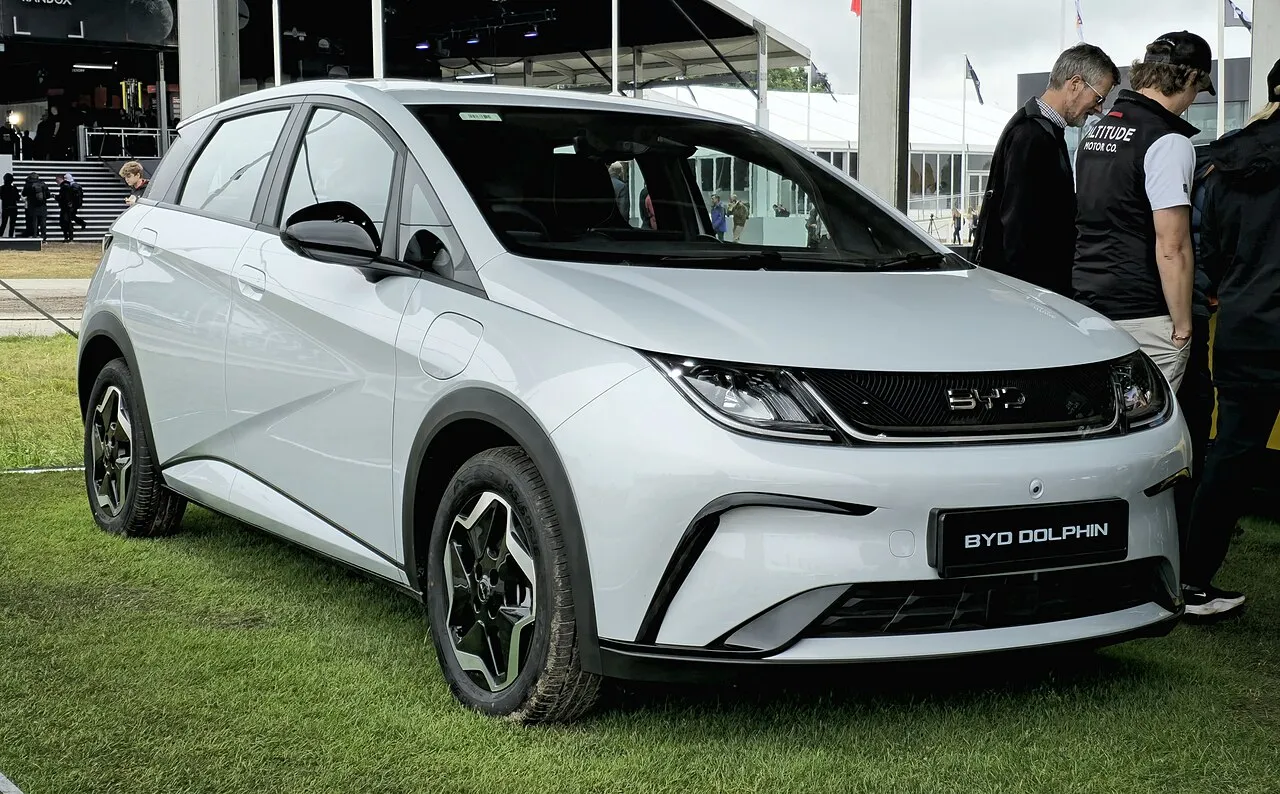
BYD Dolphin vs. Atto 3: Which Body Style Fits Better?
The BYD Dolphin is the smaller hatchback, while the Atto 3 is a taller, wider SUV. Their dimensions help show which format may suit your passengers, cargo and parking routine.
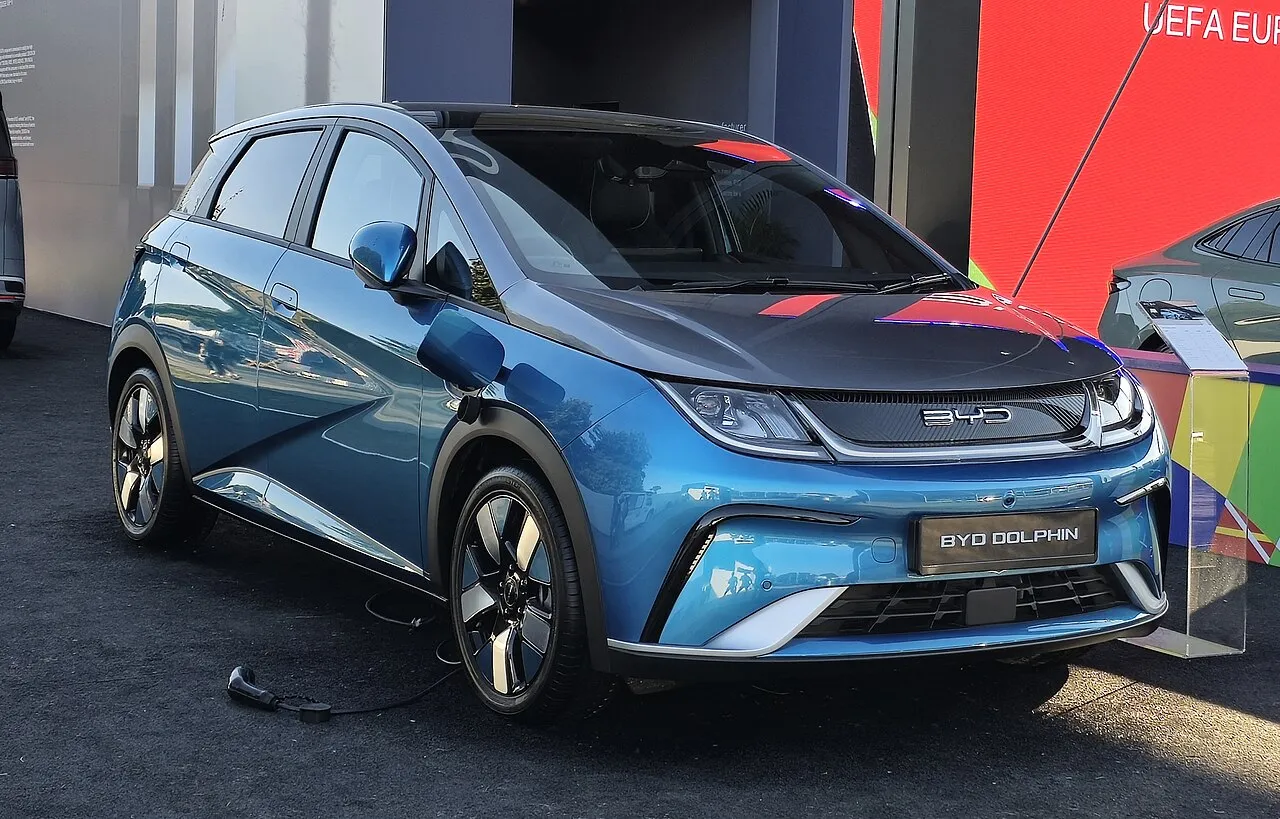
BYD Dolphin vs. Volkswagen ID.3 for City Driving
The BYD Dolphin is slightly longer, while the ID.3 is wider and has a longer wheelbase. Here is how their dimensions and European figures compare.
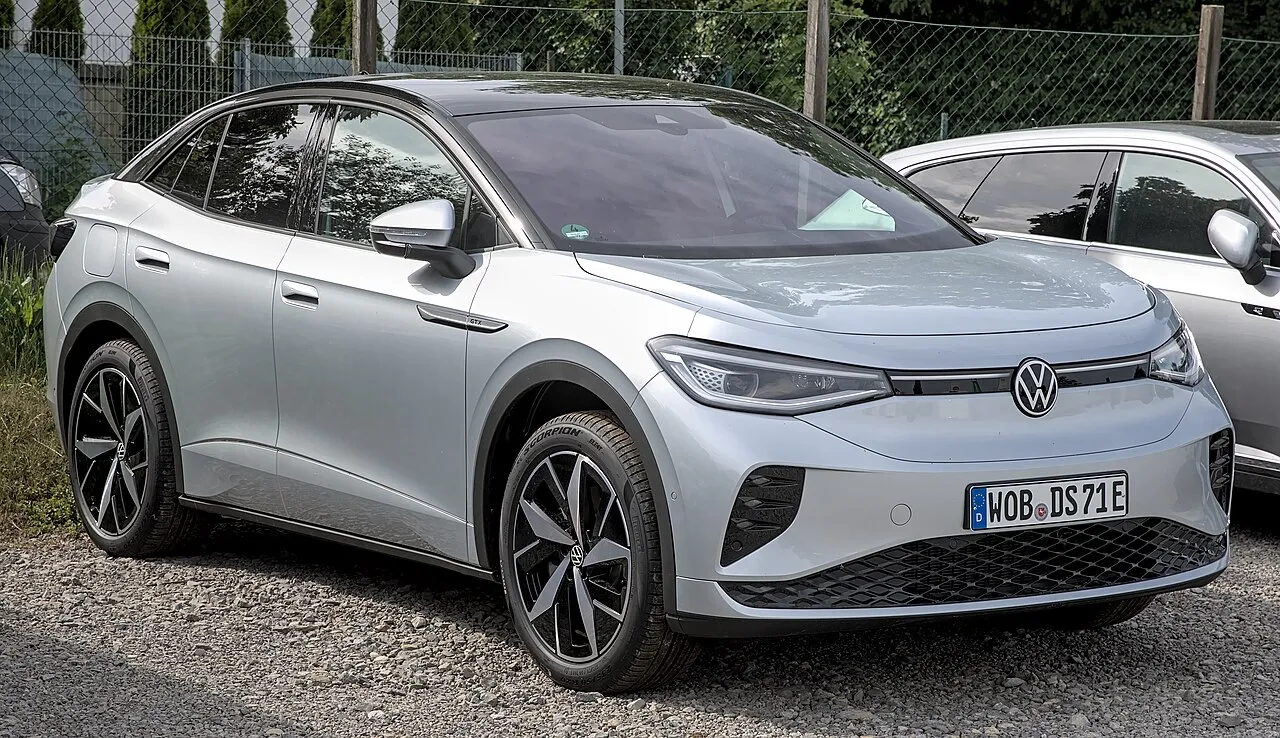
Volkswagen ID. Polo Clubsport Concept Packs 362 HP
Volkswagen's electric ID. Polo Clubsport Concept pairs 362 hp with track-focused changes, but production plans, pricing and range remain unconfirmed.