U.S. Used EV Sales Rise in October as Tesla Loses Ground
Used EV sales rose in October as Tesla volumes fell and Chevrolet gained ground, giving U.S. buyers more choices while average asking prices edged lower.
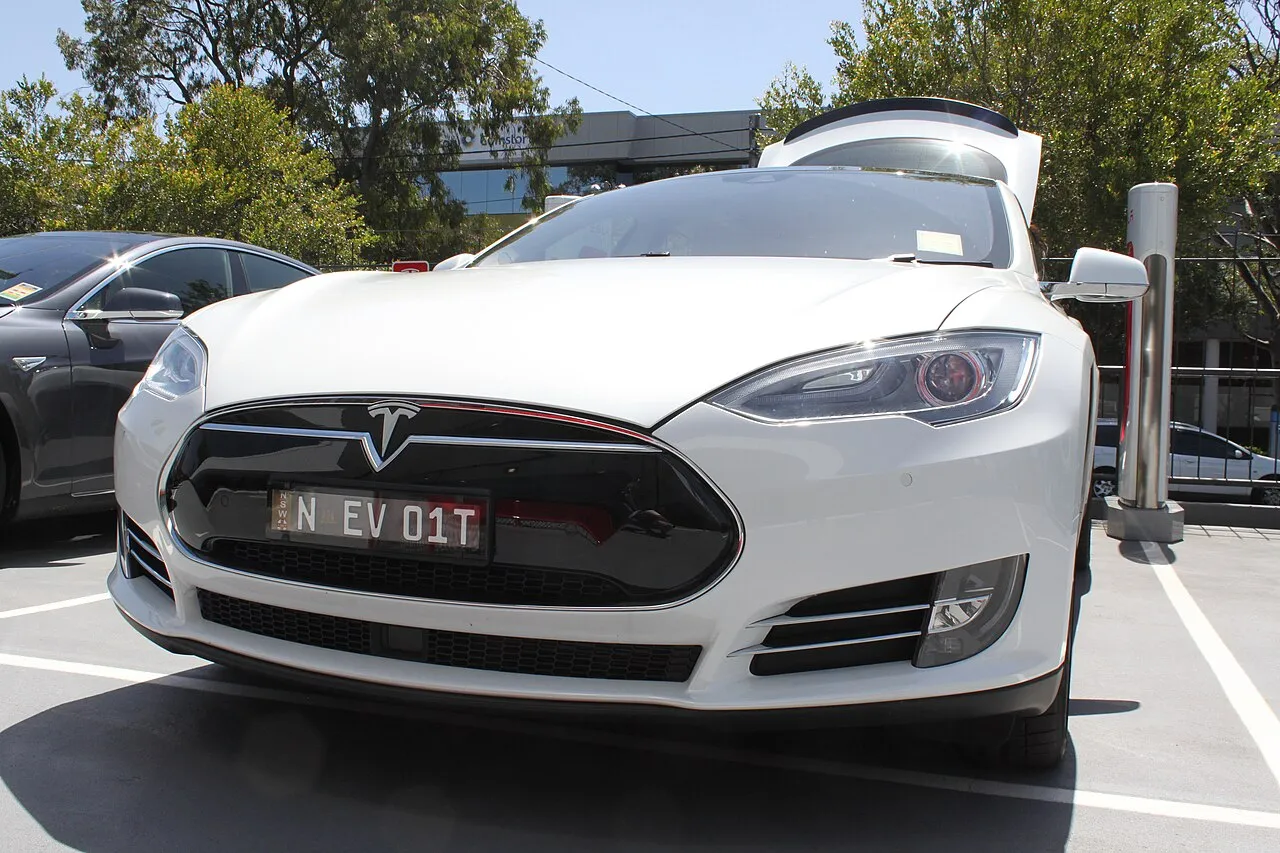
The short answer: Americans bought an estimated 48,678 used EVs in October, up 4.7% from September, according to InsideEVs, citing Cox Automotive. Tesla remained the leading brand, but its used sales fell 5.4% as Chevrolet and several competing models gained ground.
Americans bought more used electric vehicles in October even as used Tesla sales declined, pointing to a market where demand is spreading across more brands. According to InsideEVs, citing Cox Automotive’s EV Market Monitor, estimated U.S. used EV sales reached 48,678, up a reported 4.7% from September and 73.2% from a year earlier. For buyers, the expansion came with slightly lower average asking prices and more choices as vehicles returned from leases.
Tesla remained the largest brand in the used EV market, but its sales fell 5.4% from September. Chevrolet moved ahead of Ford into second place, while Hyundai and BMW completed the top five. The results show that growth in the overall market did not translate into gains for every manufacturer, with several alternatives to Tesla attracting more buyers.
Chevrolet builds on September’s gains
The Chevrolet Equinox EV was among the clearest examples of that shift. According to InsideEVs, its used sales had increased nearly 42% in September compared with August. The Tesla Model Y also had a strong September, rising nearly 14%, while the Ford Mustang Mach-E posted an even larger percentage increase than the Tesla.
In October, only the Equinox EV continued gaining buyers among those three crossovers. Chevrolet’s Blazer EV also extended its September gains. The Kia EV6, Nissan Leaf and Volkswagen ID.4 attracted more used buyers than in the previous month, broadening the group of vehicles contributing to the market’s expansion.
Tesla’s decline included the Model 3, Model Y and Model X, according to InsideEVs. Its continued leadership therefore came alongside weaker monthly sales across several of its established models. Chevrolet’s move into second place was the principal change in the brand rankings, rather than a challenge to Tesla’s position at the top.
InsideEVs reported that Cox attributed the wider choice to a growing supply of vehicles coming off lease. Those returns are expanding the selection across brands and price points. That gives the used market another source of vehicles as buyers consider models beyond the Teslas that still account for its leading brand position.
Annual growth follows the tax credit’s expiration
The 73.2% year-over-year increase needs the context of its comparison month. October 2025 was the first full month after the federal EV tax credit ended, according to InsideEVs. About 30,000 used EVs changed hands that month. The latest annual increase therefore compares October’s larger market with the period immediately following that policy change.
Used EV sales had reached a record of nearly 43,000 in March, InsideEVs reported. October’s estimated 48,678 sales exceeded that earlier milestone. The progression adds context beyond the annual percentage increase: used EV volume has also moved above the record established earlier in the year.
EVs accounted for 3.3% of all U.S. used vehicle sales in October, matching September’s record share and rising from 2% a year earlier. The unchanged monthly share means that EVs held their position within the broader used market even as their sales volume increased. The annual comparison shows a larger role for electric vehicles than they held the previous October.
Average asking prices edge lower
According to InsideEVs, the average asking price for a used EV was $36,582 in October, down from $36,767 in September and 1.9% below the year-earlier level. The monthly decrease was modest, but it accompanied rising sales rather than a contraction in buying activity. Models with lower asking prices included the Equinox EV, Volkswagen ID.4, Mustang Mach-E and Nissan Ariya.
Used Tesla pricing moved in the opposite direction. Its average asking price rose for a second consecutive month, increasing 1.8% to $34,109. Even after that increase, the brand’s average remained about $2,500 below the average for used EVs overall, according to InsideEVs. Tesla’s lower average price and declining monthly sales occurred together, illustrating why the price ranking alone does not describe the sales trend.
These figures describe asking prices, rather than the amounts buyers ultimately paid. They also cover averages across vehicles, so Tesla’s position below the overall EV average does not establish the price relationship between individual models or trims. The reported model-level direction was mixed: several competing EVs became cheaper while Tesla’s brand average increased.
Used EVs still carried a $2,236 average asking-price premium over gasoline vehicles and hybrids, up slightly from $2,137 in September. Lower average EV asking prices therefore did not eliminate the gap with those vehicles. Buyers entering the used electric market faced a lower overall EV average than a month earlier, but a somewhat larger premium relative to the gasoline and hybrid comparison.
Used inventory remains tighter than new EV stock
Dealers held 38 days’ worth of used EV inventory at October’s sales pace, compared with 47 days for gasoline vehicles and hybrids, according to InsideEVs. Days’ supply expresses how long inventory would last at that selling rate. It offers a different view from total sales by relating the stock available to the pace at which buyers are purchasing it.
Used Teslas at traditional dealerships had just 32 days’ supply, the shortest among the major brands Cox tracked. That measure excludes Tesla’s own stores. The result places an important boundary around the inventory comparison: it describes Tesla vehicles in the traditional dealer channel rather than every used Tesla available through the company and other sellers.
InsideEVs also cited a separate study of how long individual used EVs spent on dealer lots in September. The Audi Q4 E-Tron Sportback sold fastest, and no Tesla appeared in the top 10. That finding concerns an earlier month and a different measure from October’s days’ supply, so it answers a separate question about the speed of individual vehicle sales.
New EV sales follow a different monthly path
The new EV market moved differently in October. According to InsideEVs, Americans bought 83,262 new EVs, down 3.9% from September but up 3% from a year earlier. That was the first year-over-year increase of 2026. EVs’ share of new vehicle sales nevertheless slipped to 6.2%, from 6.5% in September.
The average new EV buyer paid $56,221, with incentives averaging $6,375 per vehicle. Those transaction figures describe a different price measure from the asking prices reported for used vehicles. Dealers also had 85 days’ supply of new EVs, more than twice the 38 days recorded for used EVs, underscoring the different inventory conditions in the two markets.
The Model Y showed the split particularly clearly. While used Model Y sales fell, new U.S. sales reached 36,366, up 9.4% from September and accounting for nearly 44% of all new EVs sold, according to InsideEVs. The next question is whether the broader selection from lease returns continues to support used EV growth, and whether Chevrolet and the other October gainers extend their momentum as Tesla retains its lead.
Frequently asked questions
How many used EVs did Americans buy in October?
Americans bought an estimated 48,678 used EVs, according to InsideEVs, citing Cox Automotive. Reported growth was 4.7% from September and 73.2% from a year earlier.
Did Tesla still lead the U.S. used EV market?
Yes. Tesla remained the leading brand, although its used sales fell 5.4% from September. Chevrolet moved ahead of Ford into second place.
What was the average asking price for a used EV?
The October average was $36,582, down from $36,767 in September, according to InsideEVs. Used Teslas averaged $34,109 after a 1.8% monthly increase.
Which used EV models gained buyers in October?
According to InsideEVs, the Chevrolet Equinox EV and Blazer EV extended their September gains. The Kia EV6, Nissan Leaf and Volkswagen ID.4 also attracted more buyers than in September.
How did used EV inventory compare with new EV inventory?
Dealers had 38 days’ supply of used EVs at October’s sales pace, compared with 85 days for new EVs, according to InsideEVs. Used Teslas at traditional dealerships had 32 days’ supply, excluding Tesla’s own stores.
Related stories

How to Choose a Used Electric Car With Confidence
Compare a used EV’s history, battery warranty, charging fit and condition before you buy. A focused inspection can uncover risks a test drive may miss.

How to Read an EV Battery Health Report
Battery health reports can help used EV shoppers assess capacity, but one reading is only a snapshot. Learn what common metrics mean and what to ask next.

Used EV Supply Could Widen Europe's Electric Car Market
Europe's growing supply of off-lease EVs could make electric cars more affordable, but buyers need clearer battery health and ownership cost information.