Tesla Seeks Secrecy for Cybercab Safety Answers to NHTSA
Tesla met a federal deadline to explain how the Cybercab meets safety rules, but asked NHTSA to keep its answers confidential, according to Electrek.
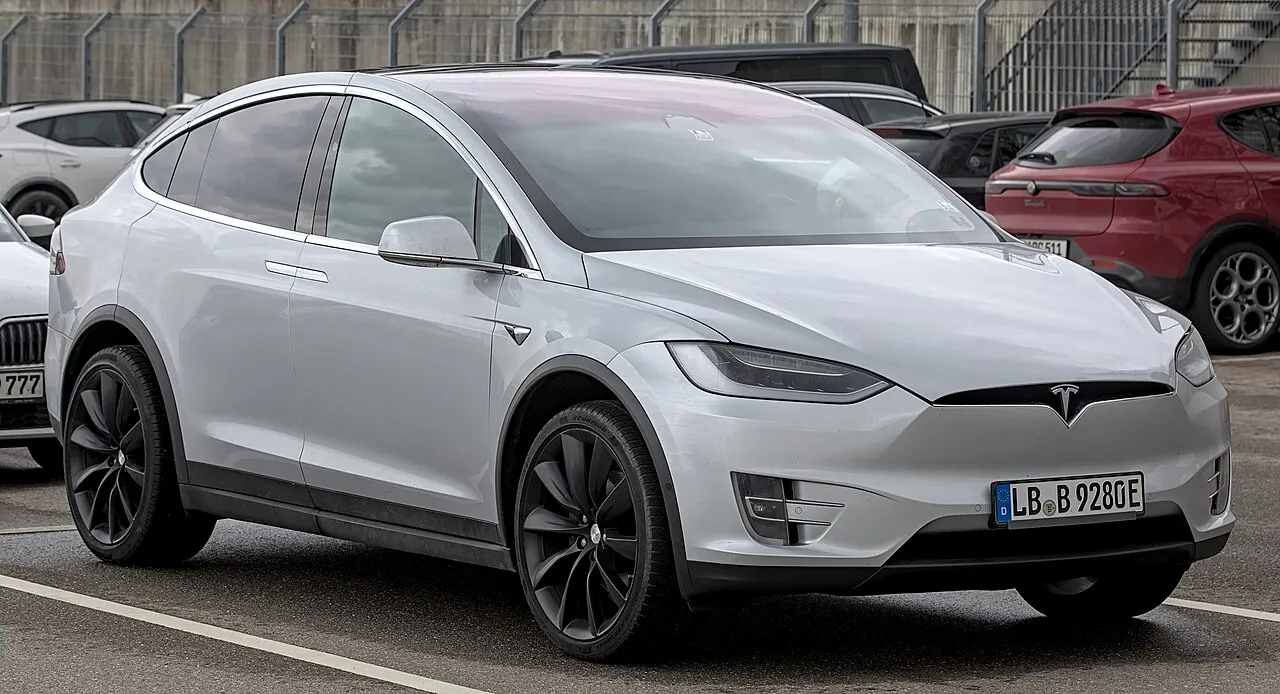
The short answer: Tesla answered NHTSA’s questions about how it certified the Cybercab and asked the agency to keep the answers confidential, according to Electrek. NHTSA has not decided whether to grant that request.
Tesla has answered a federal order requiring it to explain under oath how the Cybercab meets vehicle safety standards, but has asked regulators to keep its answers confidential, according to Electrek. That leaves the public unable to examine Tesla’s reasoning for certifying a vehicle that is ordinarily built without a steering wheel or driving pedals. The request matters to the autonomous vehicle industry because it concerns how a purpose-built robotaxi can enter service under rules that include requirements for driver controls.
Electrek reports that Tesla met an October 30 deadline to respond to the National Highway Traffic Safety Administration’s Special Order. In the public docket, Tesla’s response letter says the entire file is confidential business information. Documents answering a question about how the company determined compliance with individual safety standards are also covered by a request to withhold them in full. NHTSA must decide whether Tesla’s confidentiality claims are valid; the request itself does not settle what the public will eventually be allowed to read.
What NHTSA asked Tesla to explain
The agency’s order followed the start of paid Cybercab rides in Austin on September 3, according to Electrek. It put 21 questions to Tesla about the vehicle and its certification. Among them was a request for a standard-by-standard account of how Tesla decided the Cybercab complies with federal motor vehicle safety standards. NHTSA asked which parts of the rules Tesla certified against and whether its conclusions rested on physical testing, simulations or engineering analysis.
Several questions concern equipment that a person would normally use to drive. Electrek reports that Federal Motor Vehicle Safety Standard 135 requires a foot control to activate the service brakes. NHTSA had publicly said a manufacturer cannot certify a vehicle without a foot brake to that standard, then asked Tesla to explain its approach. The agency also raised a turn-signal requirement tied to steering-wheel movement under Standard 108 and mirror requirements under Standard 111. Those questions go to the basis of Tesla’s compliance claim; the public documents do not reveal the company’s answers.
NHTSA also asked whether any Cybercabs were certified with temporary driver controls that were later removed, according to Electrek. The question relates to a provision of the Safety Act that prohibits making required safety equipment inoperative. A separate question asked how Tesla determined it could certify the Cybercab without seeking an exemption under Part 555. Electrek reports that Amazon’s Zoox took that exemption route for its robotaxi, receiving an exemption in July capped at 2,500 vehicles a year. Tesla’s public response does not explain why it chose a different route.
Tesla had sought more time to answer. On September 18, it asked for an eight-week extension, until November 20, citing the amount of records to search and the work required to prepare narrative responses, according to Electrek. NHTSA granted 30 days instead, setting the October 30 deadline Tesla met. Electrek reports that the order carried potential civil penalties of up to $139 million for an incomplete response and possible criminal consequences for a false one. The existence of those potential penalties does not indicate that NHTSA has found either problem with Tesla’s response.
What the public can read
Three Tesla documents appear in the public docket, Electrek reports. The October 30 response letter is one page long and identifies the entire file as confidential business information. Another entry corresponds to Tesla’s answer to the request for its explanation of compliance standard by standard, but the documents behind that answer are subject to a request for complete confidentiality. Neither entry gives readers a way to assess the reasoning Tesla submitted to regulators.
The substantive document available to the public is a 30-page Cybercab First Responder Interaction Plan. It is written for police, firefighters and other responders dealing with the vehicle, rather than as an explanation of federal certification. Electrek reports that the plan says Cybercabs are “not typically equipped” with a steering wheel or acceleration and brake pedals. It also describes versions with a steering wheel and pedals as generally being engineering or test vehicles that operate at SAE Level 2 autonomy, and gives instructions for driving such a vehicle.
Those distinctions matter to questions about temporary controls, but they do not establish how Tesla certified the vehicles used in its paid service. Electrek reports that NHTSA specifically asked whether the vehicles under review can be driven with controls attached temporarily. The responder plan shows that Tesla contemplated vehicles with controls as well as vehicles ordinarily without them. It does not say which configuration formed the basis of Tesla’s answers to each federal standard or whether controls were attached or removed on any particular vehicle.
The plan describes an operational design domain that includes public roads such as freeways, highways, city streets and rural roads, at all hours and in light or moderate rain, fog and snow, according to Electrek. It also refers to an Arizona areas-of-operation appendix. That description is broader than the Austin area where Electrek reports Cybercabs currently carry passengers. NHTSA asked Tesla about the vehicle’s operational design domain and plans to scale the service. A description of where the system is designed to operate, however, is not itself a statement that paid rides are available throughout that domain.
Electrek also reports that the responder plan describes access to on-board touchscreen controls for moving the vehicle after a responder shows a badge to a camera on its B-pillar. NHTSA asked whether a touchscreen can move the Cybercab and what limits apply. The plan offers some insight into how responders might interact with a stopped vehicle, but it does not disclose Tesla’s full answer to the agency. Nor does it explain the company’s position on the brake, turn-signal and mirror standards at the center of the certification questions.
Why the confidentiality decision matters
Vehicle manufacturers certify their own compliance with applicable federal safety standards. In this case, the central question is how Tesla applied those standards to a Cybercab without the usual driver controls. According to Electrek, Tesla’s position in September was that the Cybercab complied with every applicable federal standard. NHTSA’s order sought the supporting explanation, including Tesla’s reasoning for individual rules. Keeping the response confidential would limit public scrutiny of that reasoning while the agency examines it.
A confidentiality request does not mean NHTSA has accepted Tesla’s position on compliance. It also does not mean the agency has rejected it. Electrek reports that NHTSA has not found the Cybercab noncompliant with any standard. The agency’s Chief Counsel handles confidentiality claims under Part 512 and can order a public version released if Tesla’s claim does not hold. The next public development may therefore concern access to the answers, even as the agency considers their substance.
Electrek points to a previous confidentiality request involving Tesla’s answers about its original Austin Robotaxi launch in June 2025; those answers had not become public. That history offers context for the current request but does not predict NHTSA’s decision. For now, Tesla has met the deadline to give regulators its account, and Electrek reports that Cybercabs continue carrying passengers in Austin. The unresolved issue for the public is whether NHTSA will release enough of Tesla’s response to show how the company says the Cybercab satisfies the federal rules it certified against.
Frequently asked questions
Did Tesla answer NHTSA’s Cybercab questions?
Yes. Tesla responded by the October 30 deadline, according to Electrek, and asked NHTSA to keep its answers confidential.
Why is NHTSA questioning the Cybercab’s certification?
NHTSA asked how Tesla determined that a vehicle ordinarily without a steering wheel or driving pedals complies with federal safety standards, including rules addressing brakes, turn signals and mirrors, according to Electrek.
What Cybercab document is publicly available?
A 30-page first responder plan is publicly readable, according to Electrek. It describes responder access and some vehicle configurations but does not explain Tesla’s certification reasoning.
Has NHTSA ruled on Tesla’s confidentiality request?
Electrek reports no decision on the request. NHTSA can require a public version of the answers if it rejects Tesla’s confidentiality claim.
Related stories

Denver Man Repeatedly Boxes In and Eggs Waymo Robotaxis
Waymo says one man has egged its Denver robotaxis at least 30 times after trapping them with traffic cones. Each reported vehicle needed cleaning.

Driver Assistance vs. Automated Driving: Who Is Responsible?
Learn how cruise control, lane support and emergency braking differ from automated driving, and what drivers must still monitor and do.

How Automakers Check EV Software Before an Update
EV updates can affect many connected systems, so engineers check code, test it in simulations and vehicles, and roll it out in stages to catch problems.