EU Battery Passport Deadline Puts Five Platforms in Focus
An EU battery passport requirement takes effect February 18, 2027. EV Powered compares five platforms that could help battery makers organize the records.

The short answer: According to EV Powered, EU rules call for digital passports from February 18, 2027, for EV batteries, light means of transport batteries and industrial batteries over 2 kWh placed on the EU market or put into service. The outlet compares five platforms for managing the records.
Companies bringing EV batteries to the European Union face a February 18, 2027, digital passport requirement, according to EV Powered. The deadline makes battery records a practical issue for automakers and their suppliers: information about a battery must be organized, connected to the right product and shared with the people authorized to see it. EV Powered has compared five software platforms aimed at that work, each emphasizing a different part of the process.
EV Powered says Article 77 of the EU Battery Regulation calls for a digital battery passport for EV batteries, light means of transport batteries and industrial batteries over 2 kWh that are placed on the market or put into service from that date. The distinction matters to EV buyers because the passport is meant to keep information connected to a battery beyond its initial sale, including through service and later stages of its life. For the industry, the immediate challenge is gathering records that may sit with different suppliers and teams.
What the five platforms emphasize
EV Powered ranks DigiProd Pass first for manufacturers handling batteries alongside other product categories. The outlet describes it as a UK-based platform that brings product records, traceability and lifecycle management into one environment. Its appeal in EV Powered’s assessment is its scope: a manufacturer working across batteries, automotive parts, textiles or furniture could use the same platform as passport obligations expand across categories. That is a platform fit assessment from the outlet, rather than a finding that one system meets every manufacturer’s needs.
According to EV Powered, DigiProd Pass supports structured passport creation and integration paths for enterprise resource planning, product lifecycle management and battery management systems. It can hold identifiers alongside changing information, such as performance, repair or battery state of health updates where relevant. The outlet also points to role-based access and federated data sharing, allowing different parties to see different portions of a record. Those capabilities address two separate tasks: collecting information from existing systems and controlling its disclosure afterward.
Spherity takes an identity and access approach. EV Powered says its VERA environment creates and publishes digital product passports with lifecycle information, while emphasizing verifiable organizational identity and controlled exchange between companies. The outlet identifies connections toward Catena-X and Manufacturing-X data spaces and the EU Business Wallet concept. For a battery supply network, that focus concerns who is contributing information and how partners exchange it across company boundaries.
EV Powered describes Spherity as a fit for large enterprises and regulated supply chain operators already working with governed exchange between partners. It says information can remain distributed rather than being gathered into one repository. That structure is distinct from the document-focused approach of Circuland, the third platform in the outlet’s ranking. A company comparing the two would therefore be looking at how its partners exchange records as well as how its own teams store them.
Circuland centers compliance documents, audits and lifecycle records, according to EV Powered. The outlet says it links certificates and declarations to product and batch records, with integration patterns for product information, lifecycle and building information systems. It also describes REST API access and QR and NFC carriers for reaching product records. This approach puts supporting documents near the battery passport record, a consideration for teams whose records are currently spread across departments or locations.
EV Powered also identifies carbon analytics in Circuland and says its broader product coverage could suit manufacturers handling several obligations at once. Its description emphasizes a central record with controlled contributions from different sites or suppliers. That could be relevant where documentation is assembled in one place but updated by teams across a company. The outlet does not present the five systems as interchangeable; Circuland’s stated strength is document control across a product portfolio.
Narravero, ranked fourth, combines battery records with product information intended for customers and partners. According to EV Powered, its battery-specific records are mapped to Annex XIII of the regulation. QR access can open different views of a battery record, separating public information from details restricted to particular roles. EV Powered describes this as a way for compliance teams and customer-facing teams to work from the same product record while showing each audience the appropriate information.
The outlet says a public Narravero view can include identifiers, handling guidance and sustainability information, while restricted views can hold sourcing, composition or performance details. It also points to workshop, logistics and end-of-life uses for QR-based access. Those are examples of how the platform organizes information, rather than a claim that every battery passport must show all of those details to every reader.
Tilkal, the fifth platform, starts with traceability through the supply chain. EV Powered says its DPP Studio creates passports from collected supplier information. A Quick Start option can begin with existing spreadsheets, while an Enterprise option uses a Supply Chain Data Hub for more continuous collection across suppliers and sites. The outlet also describes collection beyond direct suppliers, links between certificates and product or batch records, and access controls for individual fields or blocks of information.
For a battery maker, Tilkal’s emphasis is the path from upstream components to a finished battery identifier. EV Powered notes that composition, carbon and due diligence information may come from different owners and arrive at different times. Linking those contributions to a product record gives teams a way to trace claims back to supporting documents. The outlet positions Tilkal for organizations whose principal challenge is gathering and managing information across supplier tiers.
Why access and updates matter
A battery passport has several potential audiences. EV Powered identifies regulators, customers, service partners and recyclers among the groups that may need access to information. Its platform descriptions repeatedly distinguish public views from restricted records and discuss updates as a battery moves through production, use and service. That means choosing a system involves more than creating a page reached by a QR code: teams also need to decide how information enters the record and which audiences can retrieve it.
The five platforms approach that work from different starting points. DigiProd Pass emphasizes a common system across product categories; Spherity emphasizes identity and exchange between organizations; Circuland emphasizes compliance documents; Narravero joins regulated records with customer communication; and Tilkal emphasizes tracing information through suppliers. These are the strengths EV Powered assigns to them. The comparison offers no basis for saying that one platform is the fastest to implement or the best choice for every battery program.
EV Powered suggests comparing regulatory alignment, integrations, interoperability, implementation speed, security and support for a company’s size. It also points to the importance of matching a platform to existing records and systems. A company with documents already organized by product and batch may face a different setup task from one that must first collect information from several supplier tiers. The same distinction applies to an automaker managing multiple product categories and one focused on battery passports alone.
What happens next
The February 18, 2027, date gives the comparison its urgency. According to EV Powered’s account of the regulation, the requirement applies when covered batteries are placed on the EU market or put into service from that date. Manufacturers and other operators preparing for it must connect battery records to their products and establish how those records will be shared and maintained. The platform descriptions show possible ways to organize that work, but the appropriate route depends on where a company’s information resides and who needs access.
For EV buyers, the immediate development is a rule about information attached to batteries, rather than a change to a vehicle’s range, price or charging performance. For automakers and battery suppliers, it brings existing product, supplier and service records into one compliance task. EV Powered’s five choices illustrate how differently software companies are approaching that task as the EU deadline approaches.
Frequently asked questions
When does the EU digital battery passport requirement begin?
EV Powered says Article 77 calls for digital battery passports from February 18, 2027, for covered batteries placed on the EU market or put into service.
Which batteries are covered?
According to EV Powered, the requirement covers EV batteries, light means of transport batteries and industrial batteries over 2 kWh.
Which five platforms did EV Powered compare?
EV Powered ranked DigiProd Pass, Spherity, Circuland, Narravero and Tilkal.
How do the platforms differ?
EV Powered highlights DigiProd Pass for multiple product categories, Spherity for identity and exchange, Circuland for compliance documents, Narravero for customer-facing information and Tilkal for supply chain traceability.
Related stories
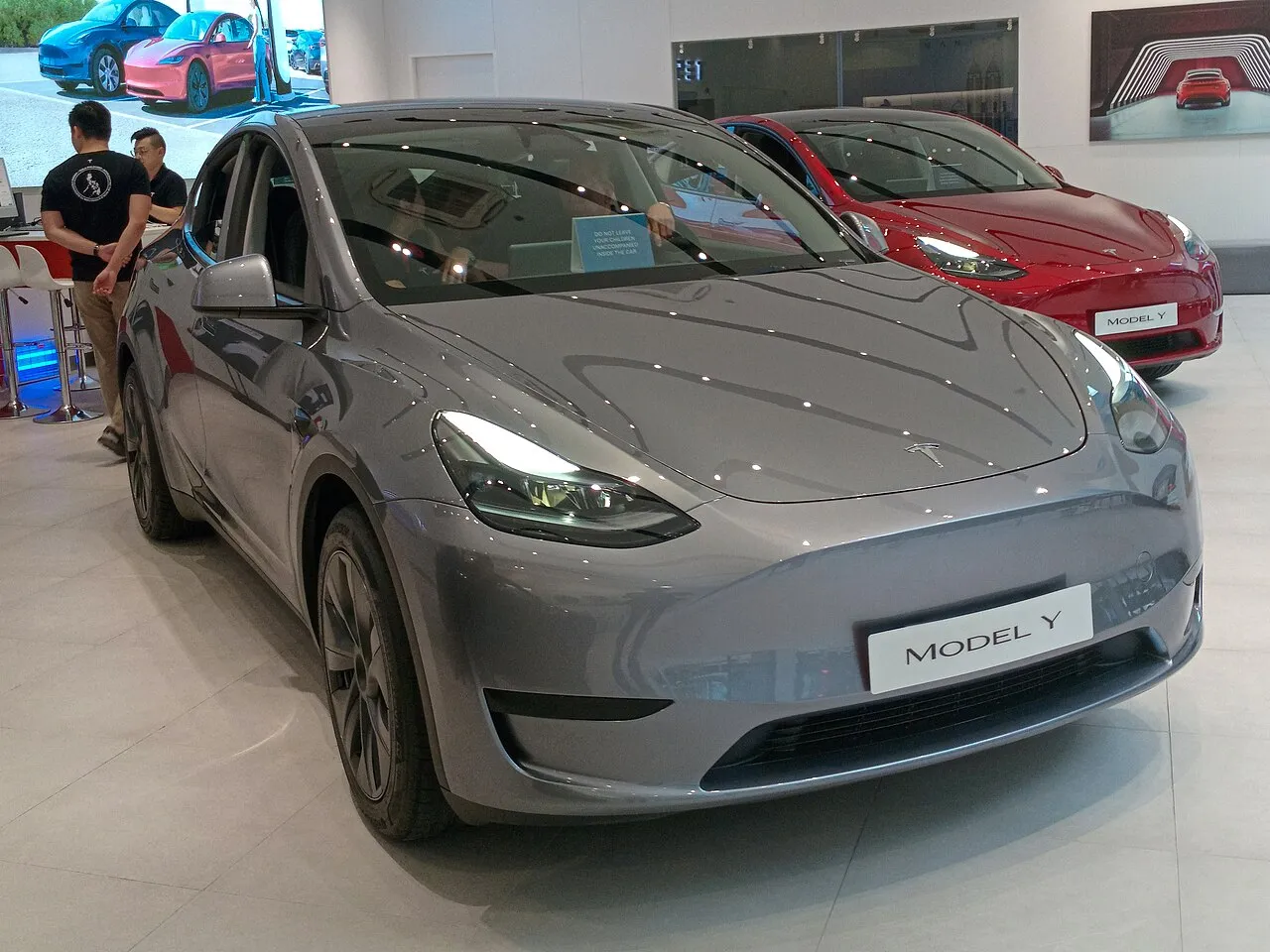
Italy Approves Tesla’s Supervised Driving System for Road Use
Italy has approved Tesla’s supervised driving system, expanding its reported European reach to 12 countries and bringing the company closer to a broader EU vote.
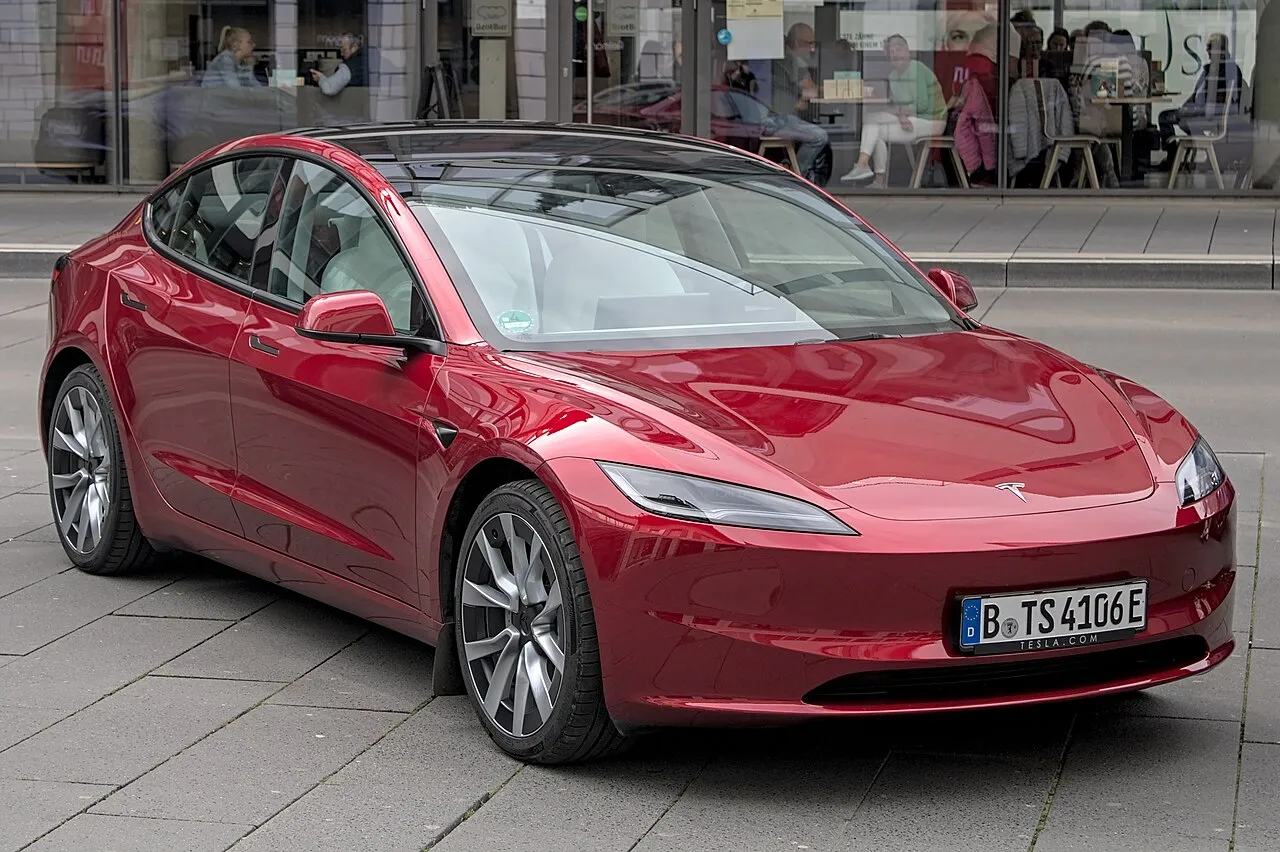
EU Delays Tesla Assisted Driving Vote to December 15
An EU committee has moved its Tesla Assisted Driving meeting to December 15. A vote could still slip into 2027, leaving national approvals at risk.

Proposed China Ownership Rule Puts Mercedes Sales in Focus
Congress is weighing a 15% Chinese ownership limit for automakers. Mercedes exceeds it, while Volvo and Polestar already face different U.S. rulings.