Tesla Report Ties Driver Assist to Fatal Model Y Crash at 74 MPH
A Tesla filing links driver assistance and a 74-mph pre-crash speed to a California wreck that killed three. Investigators have not determined the cause.
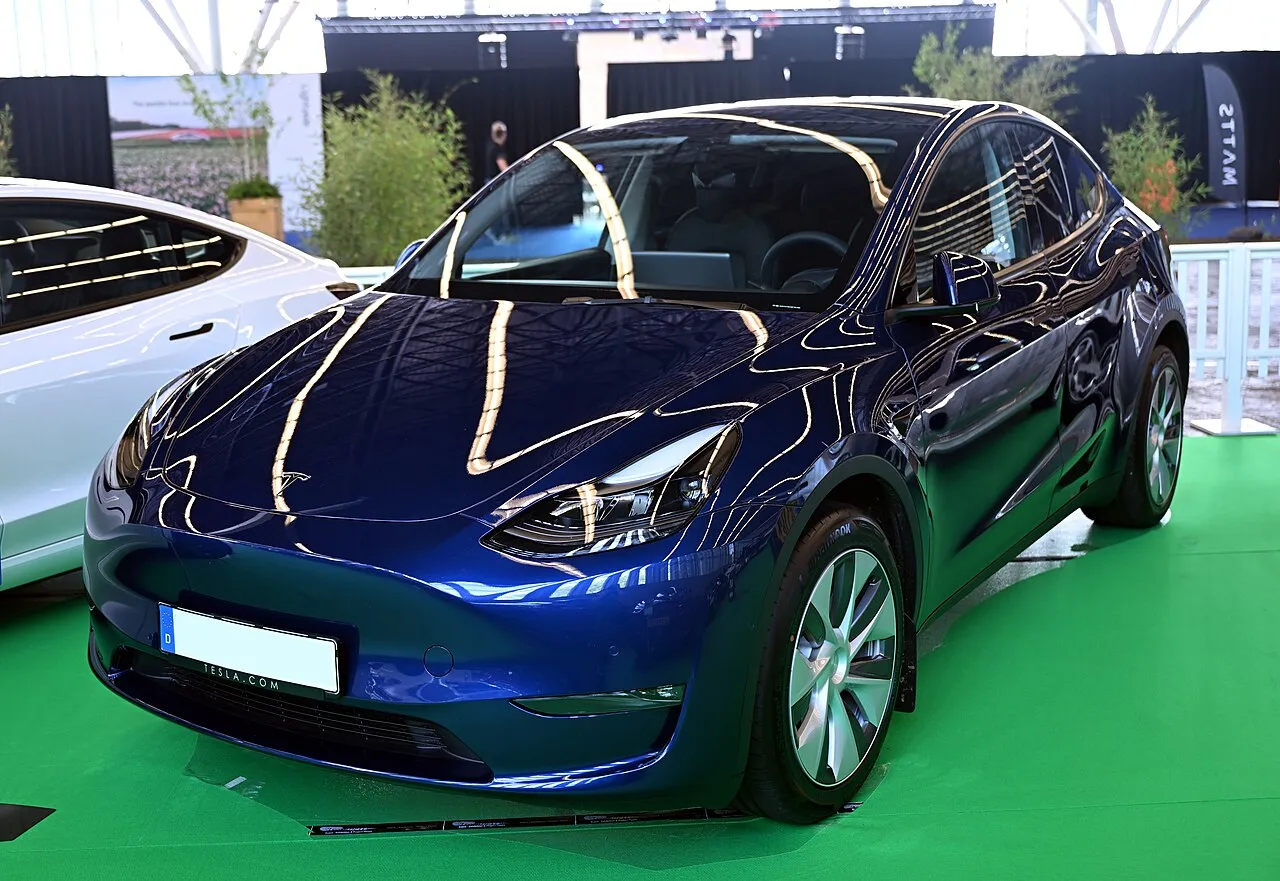
The short answer: According to Electrek, Tesla reported verified driver-assistance engagement and a pre-crash speed of 74 mph in a Model Y crash that killed three people in El Dorado Hills, California. The cause remains under investigation, and the report does not establish whether Autopilot or Full Self-Driving caused the crash.
A Tesla Model Y involved in a California crash that killed three people had driver assistance engaged and a recorded pre-crash speed of 74 mph, according to Electrek’s account of Tesla’s filing with federal regulators. The disclosure adds a significant detail to the investigation into the September 12, 2026, wreck, although authorities have not determined why the vehicle left the road.
For Tesla owners and buyers assessing the company’s driver-assistance technology, the distinction is consequential: Tesla’s report confirms system engagement, according to Electrek, but does not establish what the system did before the collision or whether it contributed to the deaths. Key information about the software and the vehicle’s actions remains redacted.
What happened in El Dorado Hills
The crash involved a 2024 Model Y carrying four people westbound on Serrano Parkway in El Dorado Hills, east of Sacramento. According to Electrek, the vehicle was traveling between Terracina Drive and Silva Valley Parkway, in a residential part of the Serrano community, when it left the roadway.
Electrek reported that the California Highway Patrol’s Placerville office said the Model Y departed the road “for unknown reasons,” struck a tree on the north side of the parkway and caught fire. Officers received the call around 10:38 p.m. The vehicle was fully engulfed in flames when they arrived.
Charles Anthony Cameron, 30, of Sacramento, was ejected from the vehicle and died at the scene, according to Electrek’s account. Alejandra Mendoza, 28, of Sacramento, and Kailauna Viola Mills, 28, of Roseville, were found dead inside after firefighters extinguished the fire. A fourth occupant, a 28-year-old Sacramento woman, survived with major injuries.
One of the two women who died inside the Model Y was driving, but CHP had not publicly identified which woman, according to Electrek. That leaves the driver’s identity unresolved in the public account, alongside the circumstances that caused the vehicle to leave Serrano Parkway.
What Tesla reported to regulators
According to Electrek, Tesla filed a crash report under the National Highway Traffic Safety Administration’s Standing General Order. The reporting requirement covers crashes involving a Level 2 driver-assistance system that was engaged within 30 seconds of impact when someone is killed or injured.
The filing identifies a 2024 Model Y as a consumer vehicle and marks its engagement status as “Verified Engaged,” Electrek reported. The outlet said that designation reflects Tesla’s confirmation through vehicle telematics that Autopilot or Full Self-Driving was engaged. The filing also records a pre-crash speed of 74 mph, a fatality and CHP as the investigating agency.
The public account does not identify which of Tesla’s two driver-assistance systems was operating. Referring to Autopilot or Full Self-Driving therefore preserves an important limit on the finding: engagement was verified, according to Electrek, while the specific system remains unidentified.
The reporting window also matters. A filing made under a rule covering engagement within 30 seconds of impact does not, by itself, describe the sequence of steering, braking or driver actions immediately before a collision. The reported engagement status and speed are significant facts, but they do not constitute a reconstruction of the crash.
How the filing was linked to the crash
Electrek connected Tesla’s federal report to the Serrano Parkway wreck by comparing the location, timing, vehicle and fatal outcome. Tesla recorded an incident time of 05:36 UTC, corresponding to 10:36 p.m. Pacific on September 12, according to the outlet. That was within two minutes of the call time reported by CHP.
The city, model year and month also matched. Electrek reported that the filing was the only fatal Tesla driver-assistance crash report from El Dorado Hills in the records it examined. Together, those details formed the basis for its identification of the federal filing as the crash that killed Cameron, Mendoza and Mills.
This connection matters because the local crash accounts described by Electrek had not mentioned driver assistance. Tesla’s federal filing adds information about the vehicle’s recorded operating state to the police account of a departure from the road, a tree impact and a fire.
Redactions limit the account of the vehicle’s actions
According to Electrek, Tesla redacted the crash narrative, the software version and the field addressing whether the road was within the system’s operating domain. Those entries were withheld as confidential business information. The missing narrative limits public understanding of the events between the vehicle’s recorded operation and its collision with the tree.
The software version would help identify the particular software involved, while the operating-domain field addresses whether the road fell within the system’s intended operating conditions. With both redacted, the public filing cannot resolve those questions. The report therefore establishes less about system behavior than its verified-engagement designation might initially suggest.
Other fields were incomplete. Electrek reported that Tesla marked both the roadway type and the object struck as unknown, although CHP identified the object as a tree. The report also identified media coverage as the sole source through which Tesla learned of the crash.
According to Electrek’s account, Tesla subsequently used its vehicle information to verify driver-assistance engagement. How the company first learned about the wreck and what its telematics later established are separate parts of that account. Neither explains why the Model Y left its lane or how the collision unfolded.
Speed, fire and causation remain unresolved
The 74-mph figure is a reported pre-crash speed, rather than a publicly established impact speed. Electrek said CHP had not released its findings on speed, impairment or the mechanism by which the car left the road. The police statement that the departure occurred for unknown reasons remains central to understanding the investigation’s status.
Likewise, the fire and the deaths of two occupants inside the vehicle do not establish whether the doors affected their ability to escape. According to Electrek, CHP had not said whether doors played any role. The circumstances of the survivor’s escape also remained unclear, with accounts differing on whether she got out herself or was pulled from the wreckage.
Electrek placed those unanswered questions alongside NHTSA’s work on new rules for emergency door releases following complaints about people becoming trapped. That regulatory background does not establish a door-related failure in this crash. Any such conclusion would require findings about this particular vehicle and the sequence following impact.
What happens next
CHP’s investigation remains the next source of potential answers about the crash’s cause. According to Electrek, authorities had not publicly explained how the reported speed, driver actions, assistance-system behavior or other circumstances contributed to the vehicle leaving the roadway.
The unresolved issues extend to what vehicle information investigators obtained. Electrek reported questions about whether CHP knew driver assistance was engaged and whether investigators received Tesla’s raw information or a company summary. No answers to those questions were reported.
For now, the central finding is limited but significant: according to Electrek, Tesla’s own federal filing records verified driver-assistance engagement and a 74-mph pre-crash speed in a collision that killed three people. Determining the system’s role requires the detailed sequence of events that the public filing and the police account have yet to establish.
Frequently asked questions
Was Autopilot or Full Self-Driving engaged in the crash?
According to Electrek, Tesla’s federal report marked driver-assistance engagement as “Verified Engaged.” The public account does not establish whether the system was Autopilot or Full Self-Driving.
How fast was the Tesla Model Y traveling?
Electrek reported that Tesla recorded a pre-crash speed of 74 mph. That figure is not a publicly established impact speed.
Did investigators determine that driver assistance caused the crash?
No cause has been publicly established. According to Electrek, CHP said the Model Y left the roadway for unknown reasons, and the investigation remained open.
How many people were killed or injured?
According to Electrek, three of the four occupants died, and a 28-year-old Sacramento woman survived with major injuries.
What information did Tesla redact?
According to Electrek, Tesla withheld the crash narrative, software version and information about whether the road was within the system’s operating domain as confidential business information.
Related stories
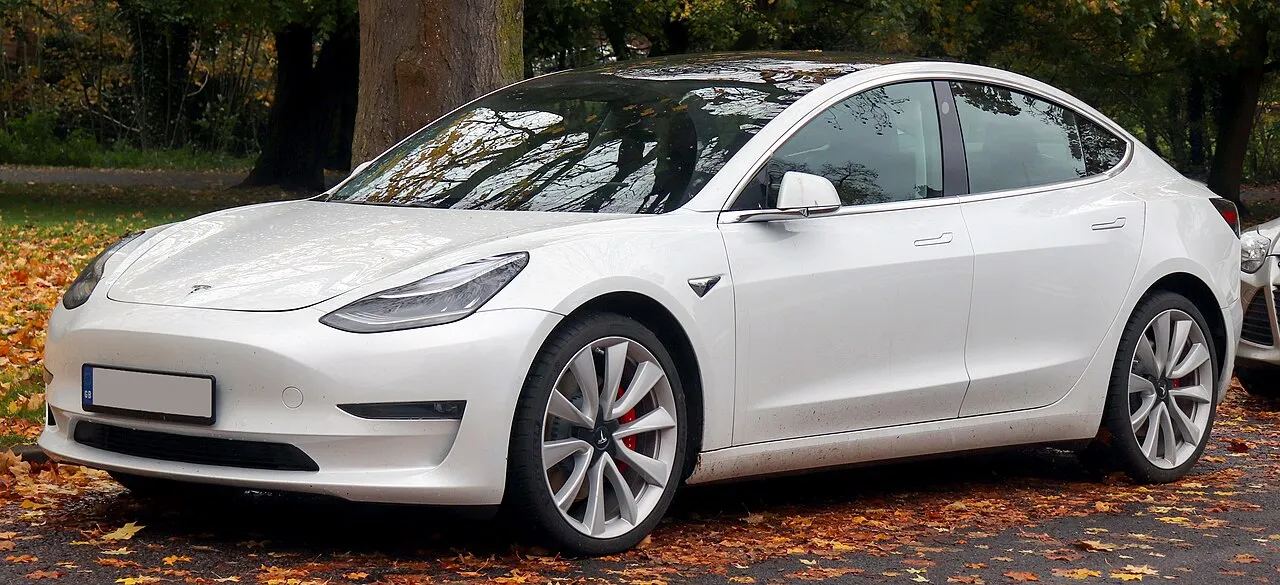
Tesla Model 3 vs. Model Y: Which Fits Your Routine?
The Model 3 sedan favors a lower, more traditional car shape; the Model Y crossover makes loading bulky cargo and helping passengers in and out easier.
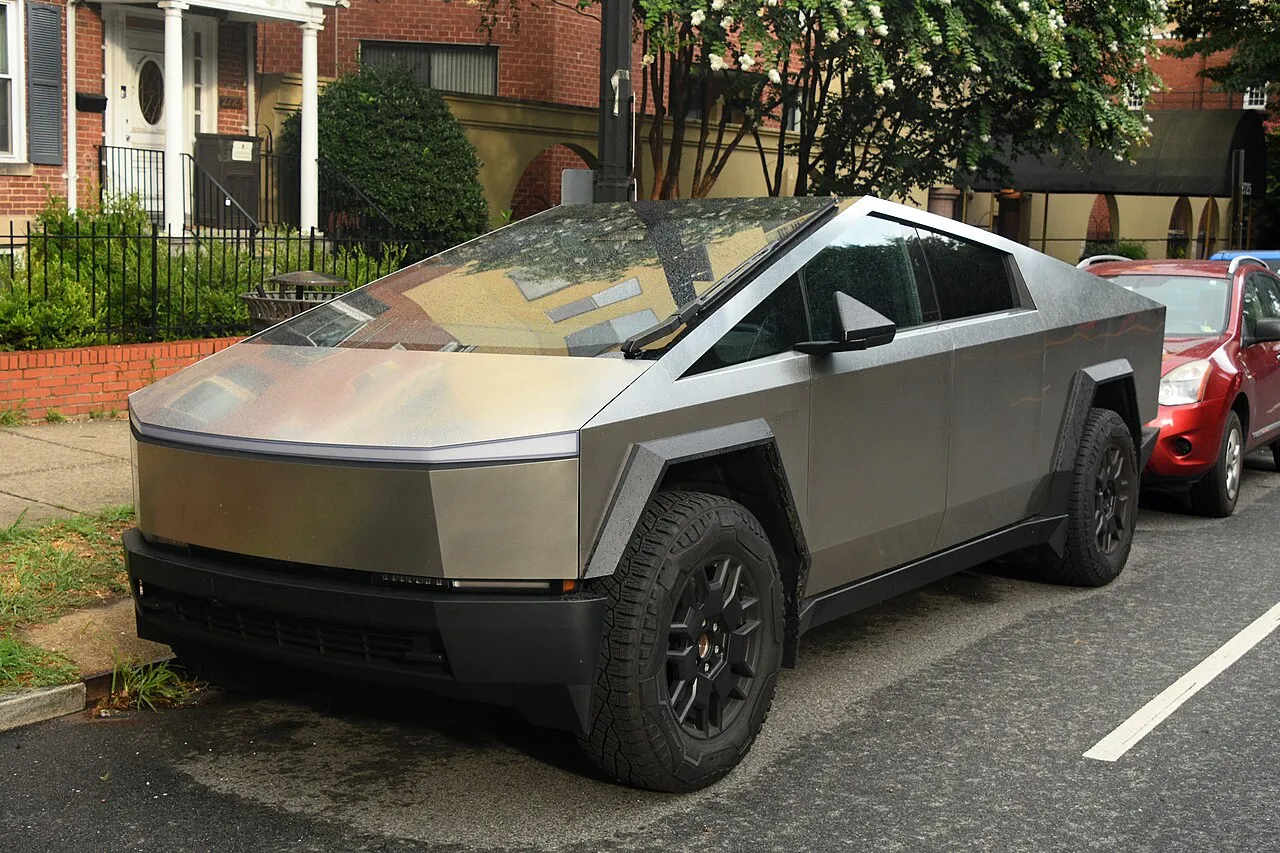
Cybertruck Owner Says Buyer Offered $110,000 for Used Truck
A Texas owner says he turned down a $110,000 offer for his three-year-old Cybertruck, citing its software and the difficulty the buyer had getting a new one.
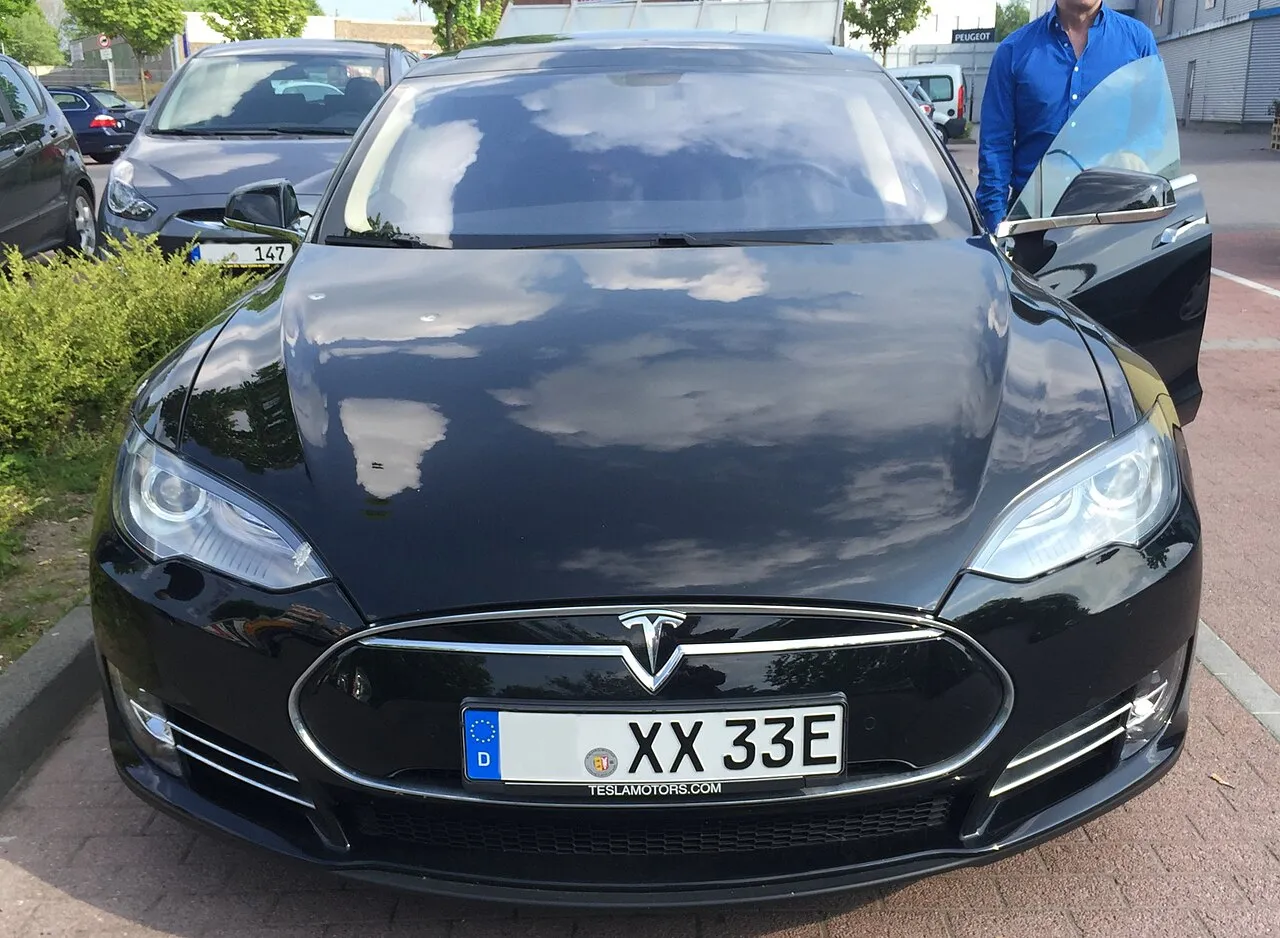
Tesla Update Adds Manual Battery Preconditioning and FSD Changes
Tesla’s 2026.44.3.1 update adds app-based battery preconditioning, parking options and driving changes, while keeping Full Self-Driving supervised.