Tesla Model 3 vs. Model Y: Which Fits Your Routine?
The Model 3 sedan favors a lower, more traditional car shape; the Model Y crossover makes loading bulky cargo and helping passengers in and out easier.
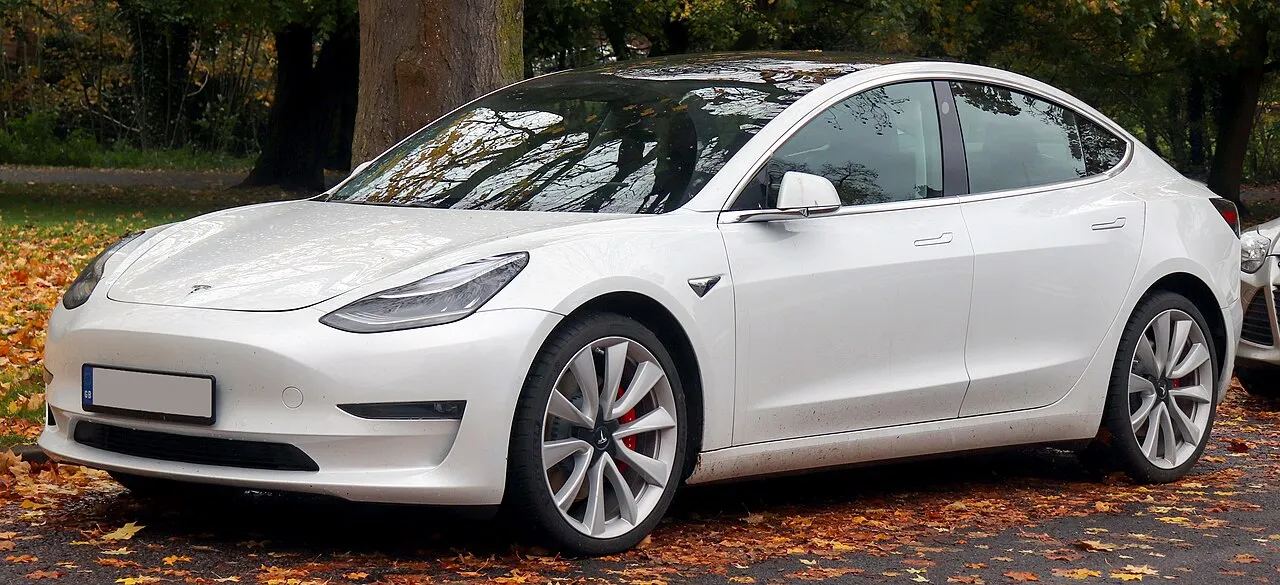
The short answer: Choose the Model 3 if a sedan’s lower profile, conventional trunk, and smaller exterior footprint suit your passengers and parking routine. Choose the Model Y if you regularly load bulky items or want a crossover’s taller cabin and rear hatch access.
The Model 3 is the better fit for drivers who want a sedan’s lower shape and traditional trunk, while the Model Y suits routines built around bulky cargo, frequent loading, or easier passenger access. Both are electric Tesla vehicles, but their body styles change how everyday tasks feel: getting people in and out, loading bags, and fitting into a parking space. The right choice depends less on a single range figure than on which layout matches the people and things you carry most often.
Start with the shape of your routine
The Model 3 is a sedan. Its lower body and separate trunk suit drivers who usually carry passengers and everyday bags, and who prefer a conventional car profile. A sedan can be easier to place in a tight parking space because it sits lower and has a more familiar shape, though the actual fit depends on the space and the driver’s comfort with the car’s dimensions.
The Model Y is an SUV-style crossover. Its taller body and rear hatch are useful when cargo is awkward, tall, or easier to lift through a broad opening than through a trunk. That can matter for strollers, large shopping loads, sports equipment, or luggage. The exact cargo volume and opening dimensions are not published here, so a shopper with a particular item in mind should check whether it fits in the specific vehicle.
These differences are practical rather than absolute. A sedan can carry plenty of ordinary luggage, and a crossover still needs to fit the household’s parking space. Think through a typical week: who rides along, how often the rear seats are occupied, what has to go in the cargo area, and where the car is parked.
Passenger access and seating
The Model Y’s higher seating position may make entering and exiting more convenient for passengers who prefer not to lower themselves into a car. The taller roofline can also feel more open to some occupants. These are general effects of the crossover layout; individual comfort depends on body size, seat adjustment, and personal preference.
The Model 3’s lower seating position gives it a more conventional sedan feel. That may suit drivers who like sitting closer to the road or who want a lower vehicle profile. Passengers who find low seats difficult to enter or leave should try the Model 3 in person, especially if they will use the rear seats regularly.
For families, consider the repeated small tasks: lifting a child into a seat, fastening a belt, helping an older passenger, or loading a car seat. The Model Y’s height and hatch may simplify some of those movements. The Model 3 can still work for those needs, but its lower roof and trunk opening make the experience different. Neither body style alone establishes how much passenger room a specific occupant will have.
Cargo access: trunk versus hatch
A trunk separates the Model 3’s cargo space from the passenger cabin. That layout can be convenient when most loads are compact and easy to place in the trunk. It also keeps the car’s exterior profile low. But a trunk opening can limit how easily large or unusually shaped items pass through, even when the item might fit inside once loaded.
The Model Y’s hatch opens to the cargo area, making it easier to approach a load from behind and place taller objects inside. This is useful for people who often carry gear, household purchases, or luggage that does not fit neatly into a sedan trunk. The hatch’s convenience does not mean every large object will fit: measure the item and check the vehicle’s opening and cargo floor before relying on it.
Ask what the car carries on an ordinary day rather than an occasional exceptional trip. If the answer is a few bags, a laptop, or groceries, the Model 3’s trunk may be entirely adequate. If cargo is frequently bulky, or if quick loading matters more than a sedan profile, the Model Y has the more accommodating form.
Parking and maneuvering
A lower sedan may feel less imposing in garages and narrow parking areas. The Model 3 is also shorter than the European-market Model Y dimensions shown below, although the available figures cover specific versions and markets. Overall length alone does not determine how easy either vehicle is to park: width, visibility, turning space, and the driver’s familiarity all matter.
The Model Y’s taller, crossover shape can be a benefit when passengers prefer a higher seat, yet it may feel larger in a low garage or cramped parking space. Before choosing, consider the actual constraints: garage height, door clearance, the width of the parking stall, and room to open the hatch. If the car will regularly be parked in a tight space, seeing both vehicles in that setting—or checking dimensions for the exact version—is more useful than relying on body-style assumptions.
Range figures by market
Range can help distinguish versions, but the figures below use different regional test standards. EPA, NRCan, and WLTP results should be compared only within their respective standards; they are not interchangeable. The table includes representative versions across the markets covered, rather than every available configuration.
| Market and model year | Model and version | Rated range and test standard | Level 2 full-charge time | Source |
|---|---|---|---|---|
| US, 2027 | Model 3 Premium RWD | 363 mi, EPA | 11.7 hours | US EPA fueleconomy.gov |
| US, 2027 | Model 3 Premium AWD | 346 mi, EPA | 11.7 hours | US EPA fueleconomy.gov |
| US, 2027 | Model Y Premium RWD | 355 mi, EPA | 10 hours | US EPA fueleconomy.gov |
| US, 2027 | Model Y Premium AWD | 327 mi, EPA | 8 hours | US EPA fueleconomy.gov |
| Canada, 2026 | Model 3 Premium AWD-I | 570 km, NRCan | 8 hours | Natural Resources Canada |
| Canada, 2026 | Model Y Long Range AWD-B | 542 km, NRCan | 8 hours | Natural Resources Canada |
| Europe, 2026 | Model 3 Premium RWD | 750 km, WLTP | Not published | EVDB |
| Europe, 2025 | Model Y Long Range AWD | 565 km, WLTP | Not published | EVDB |
In the US EPA figures shown, the Model 3 Premium RWD has a higher rated range than the Model Y Premium RWD, while the two AWD versions also differ. That is a comparison of those specific 2027 versions under EPA testing; it does not establish that one body style always goes farther. Canadian NRCan and European WLTP figures describe other market versions and must be read separately.
Charging and everyday use
The table’s Level 2 times are listed for a full charge, but charging time alone does not decide which car fits better. How much energy a driver needs between charging sessions depends on their routine, and the table does not establish a universal real-world charging duration. For shoppers comparing the US versions shown, the published times range from 8 to 12.2 hours across the listed configurations. Consider the specific version and charging setup rather than assuming every Model 3 or Model Y charges in the same time.
For a daily commute with occasional passengers and modest cargo, either vehicle may suit the routine; the sedan or crossover layout is likely the more revealing distinction. For frequent family errands, loading equipment, or assisting passengers, the Model Y’s hatch and taller body may have more practical value. A driver who parks in a constrained space or prefers a lower car may favor the Model 3.
How to make the choice
Compare the cars against a regular week, not an imagined edge case. Bring the people who ride in the rear, try their usual entry and exit, and check whether the cargo area works for the items carried most often. A shopper choosing between the two should also confirm the exact market and trim, since the range and charging figures vary by version.
- Lean toward the Model 3 if a lower sedan profile, a traditional trunk, and a more compact-feeling shape fit your parking and passenger routine.
- Lean toward the Model Y if frequent hatch loading, taller cargo, or a higher seating position would make everyday errands easier.
- Compare specific versions when range or home charging time is central, and keep each market’s test standard in view.
The best fit is the vehicle that makes routine tasks feel straightforward. The Model 3 emphasizes the sedan experience; the Model Y emphasizes crossover access and cargo flexibility. A careful check of passenger comfort, garage fit, and typical loads will usually answer the question more clearly than range alone.
Frequently asked questions
Is the Model 3 or Model Y better for bulky cargo?
The Model Y’s rear hatch and taller crossover body make it easier to load tall or awkward items. Check the opening and cargo area against the item’s measurements.
Which Tesla is easier for passengers to get into?
The Model Y’s higher seating position may be easier for passengers who prefer not to lower themselves into a sedan. Individual comfort varies, so passengers should try both.
Does the Model 3 have more EPA range than the Model Y?
Among the 2027 US versions shown, the Model 3 Premium RWD is rated at 363 miles and the Model Y Premium RWD at 355 miles by the EPA. Other trims differ, and the comparison applies to those versions.
Can EPA, NRCan, and WLTP range figures be compared directly?
No. They are results from different test standards and should be compared within their respective standards.
Related stories

How to Choose an EV for Frequent Public AC Charging
If you often charge at public AC stations, compare the car’s onboard charger, connector access and how long it will usually be parked there.

What to Check Before Buying an EV With a Panoramic Roof
Check a panoramic roof for sun protection, cabin heat, headroom and reliable operation. These practical steps can show whether the glass suits your daily driving.

How to Choose an EV for Your Dog and Travel Gear
Compare an EV’s entry points, secure travel area, climate controls and cleanability with your dog and gear on hand before choosing a vehicle.