Tesla Report Links Driver Assist to Fatal Model X Rollover
A Tesla filing confirms driver assistance was engaged before a fatal Florida Model X rollover, while the cause of the crash remains under investigation.
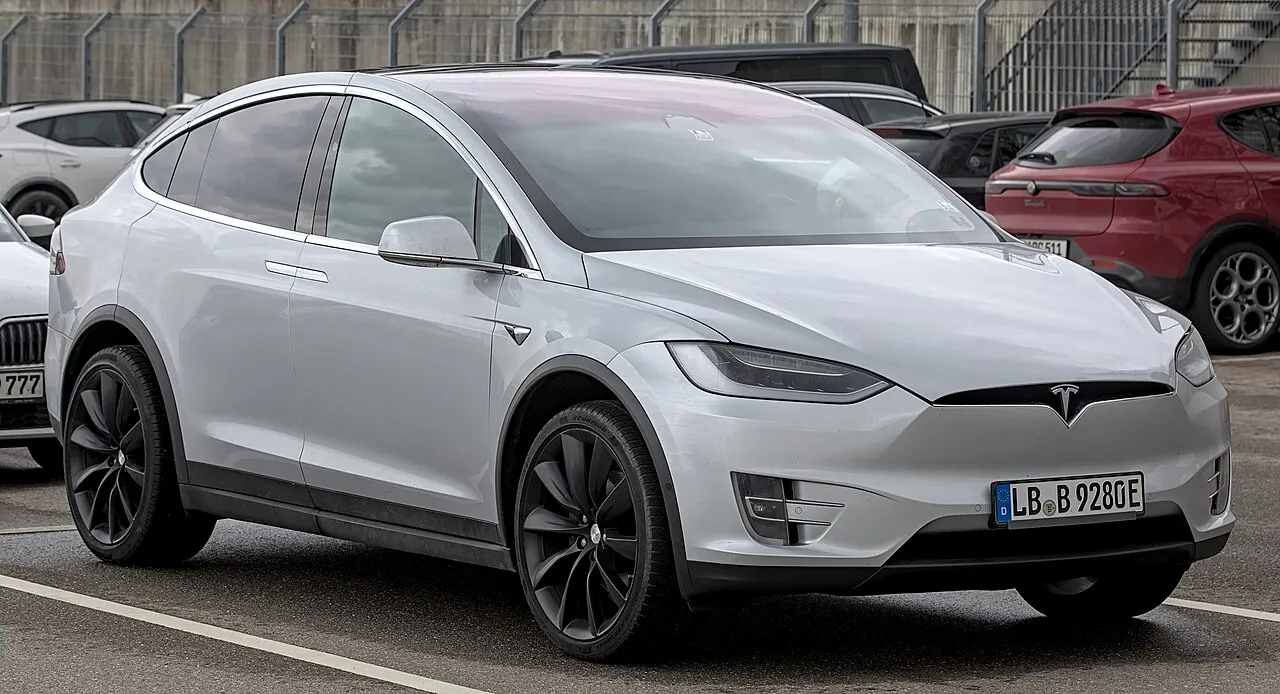
The short answer: According to Electrek, Tesla reported that Autopilot or Full Self-Driving was engaged within 30 seconds of a fatal Model X crash in Naples, Florida. The filing does not establish that the system caused the crash, which remains under investigation by the Florida Highway Patrol.
A Tesla Model X involved in a fatal rollover in Naples, Florida, had its driver-assistance system engaged shortly before the crash, according to Electrek’s account of a Tesla filing with federal regulators. The SUV struck a traffic signal pole after leaving the road, killing a passenger. The report raises questions about the system’s role, but the cause remains under investigation.
For buyers assessing Tesla’s Autopilot and Full Self-Driving features, the distinction matters: Tesla’s report confirms system engagement within the federal reporting window, while the public account does not establish who or what directed the vehicle off the roadway. According to Electrek, Tesla holds video, telematics and an event data recorder associated with the crash.
What happened in Naples
The crash occurred late on September 30, 2026, on Golden Gate Parkway in Collier County. Citing a Florida Highway Patrol press release, Electrek reported that a 2025 Model X was traveling east toward the Estuary Boulevard intersection when it left the road, struck a traffic signal pole at the corner and overturned.
The passenger, a 50-year-old woman from Fort Myers, was pronounced dead at the scene. The driver, a 48-year-old man also from Fort Myers, was taken to a hospital with injuries described as non-life-threatening, according to Electrek’s account of the highway patrol statement.
The highway patrol placed the crash at 11:43 p.m. and said its investigation remained open. According to Electrek, the agency had not released the passenger’s name or identified a cause. Its public statement also did not address speed, impairment or the use of a driver-assistance system.
That initial account described the vehicle’s path and the fatal outcome. The federal filing adds a separate fact about the vehicle’s operation before the collision: Tesla had verified that a driver-assistance feature was engaged during the period covered by the reporting requirement.
What Tesla reported to federal regulators
According to Electrek, Tesla submitted the crash report under the National Highway Traffic Safety Administration’s Standing General Order. The order requires automakers to report crashes involving death or injury when a Level 2 driver-assistance system was engaged within 30 seconds of impact.
Electrek reported that Tesla marked the Model X’s engagement status as “Verified Engaged.” The outlet said this designation reflected confirmation through Tesla’s own telematics that Autopilot or Full Self-Driving was on. The publicly described record does not resolve which of those two systems was in use.
The filing recorded a pre-crash speed of 39 mph, according to Electrek. That figure should be understood as the speed recorded before the collision; the report does not establish the SUV’s speed when it struck the pole. The highway patrol’s public account did not include a speed figure.
Other entries in Tesla’s filing described a collision with a pole or tree, airbag deployment, and damage to the vehicle’s front and top, Electrek reported. Those details are consistent with the highway patrol’s description of a pole impact followed by a rollover.
The federal reporting window is also important to interpreting the engagement entry. Confirmation that a feature was active within 30 seconds of impact does not, by itself, establish whether it remained engaged at the instant of impact or explain the sequence of steering and driver actions.
How the two accounts were connected
Electrek connected Tesla’s federal report to the highway patrol’s account using the location, vehicle model and model year, collision object and fatal outcome. The timestamps were close, though not identical: Tesla recorded 03:41 UTC on October 1, equivalent to 11:41 p.m. in Florida on September 30.
That is two minutes earlier than the time in the highway patrol’s statement. Electrek identified the records as describing the same crash based on the combination of matching circumstances, including the 2025 Model X and the pole collision.
The time conversion also explains why the incident appears in Tesla’s record under October even though it happened locally in September. A search organized only around the local calendar month could therefore miss the federal entry, according to Electrek’s account of the match.
Tesla holds evidence that could clarify the sequence
According to Electrek, Tesla’s filing indicated that the company had an event data recorder, telematics, video and an additional category marked “other.” Tesla also said it learned about the crash through its own telematics, rather than relying solely on a news report to become aware of it.
Those entries make the evidence Tesla holds relevant to the investigation. Video and vehicle records could help clarify the approach to the intersection, the vehicle’s movements and the interaction between the driver and the assistance system. Their existence alone, however, does not establish what each record shows.
Electrek reported that the crash narrative, software version and information about whether the road fell within the system’s operating domain were redacted as confidential business information. As a result, the public record described by the outlet does not offer a detailed account of the system’s behavior.
The missing software version and operating-domain information also limit how specifically the event can be assessed. The verified engagement entry identifies driver-assistance involvement within the reporting window, but the redacted narrative leaves the circumstances behind the road departure unresolved.
A second fatal Naples crash in the same release
Electrek reported that the same NHTSA release included another fatal Naples-area crash involving Tesla driver assistance. In May, a Model 3 with the system engaged at 71 mph struck an overturned box truck on Interstate 75 at Pine Ridge Road, killing three people.
The Florida Highway Patrol investigated both crashes. According to Electrek, neither had been publicly connected to Autopilot or Full Self-Driving in the highway patrol’s accounts. The federal records therefore added information about system engagement that was absent from those public descriptions.
Electrek also reported 264 Tesla driver-assistance crashes for September 2026, exceeding the previous record of 236 in July. Those are reported crash counts. They do not establish the cause of the Model X rollover or resolve the role of driver assistance in either Naples incident.
What remains unresolved
The central unanswered question is why the Model X left Golden Gate Parkway. According to Electrek, the public accounts do not establish whether the driver or the assistance system initiated the movement, whether any warning occurred, or what actions preceded the impact.
The surviving driver is another potential source of evidence about those moments. Electrek reported that it was asking the Florida Highway Patrol whether investigators knew Tesla had verified system engagement and whether they had obtained the video and raw vehicle records, or only Tesla’s interpretation.
The highway patrol’s continuing investigation is the next opportunity to clarify that sequence. For now, the supported finding is limited but significant: according to Electrek, Tesla verified driver-assistance engagement shortly before a fatal crash and holds records that could help explain what happened. Responsibility for the road departure remains undetermined.
Frequently asked questions
Was Autopilot or Full Self-Driving active before the Model X crash?
According to Electrek, Tesla marked driver-assistance engagement as “Verified Engaged,” confirming through telematics that Autopilot or Full Self-Driving was active within 30 seconds of impact. The publicly described record does not identify which system was in use.
Did Tesla’s driver-assistance system cause the crash?
The cause has not been established. According to Electrek, the Florida Highway Patrol investigation remains open, and the public accounts do not determine whether the driver or the system initiated the movement off the road.
Where and when did the fatal rollover happen?
According to Electrek’s account of a Florida Highway Patrol statement, the crash happened at 11:43 p.m. on September 30, 2026, on Golden Gate Parkway near Estuary Boulevard in Naples, Florida.
What evidence does Tesla have?
According to Electrek, Tesla’s filing indicated that it held video, telematics and an event data recorder associated with the crash. The crash narrative, software version and operating-domain information were redacted as confidential business information.
Related stories
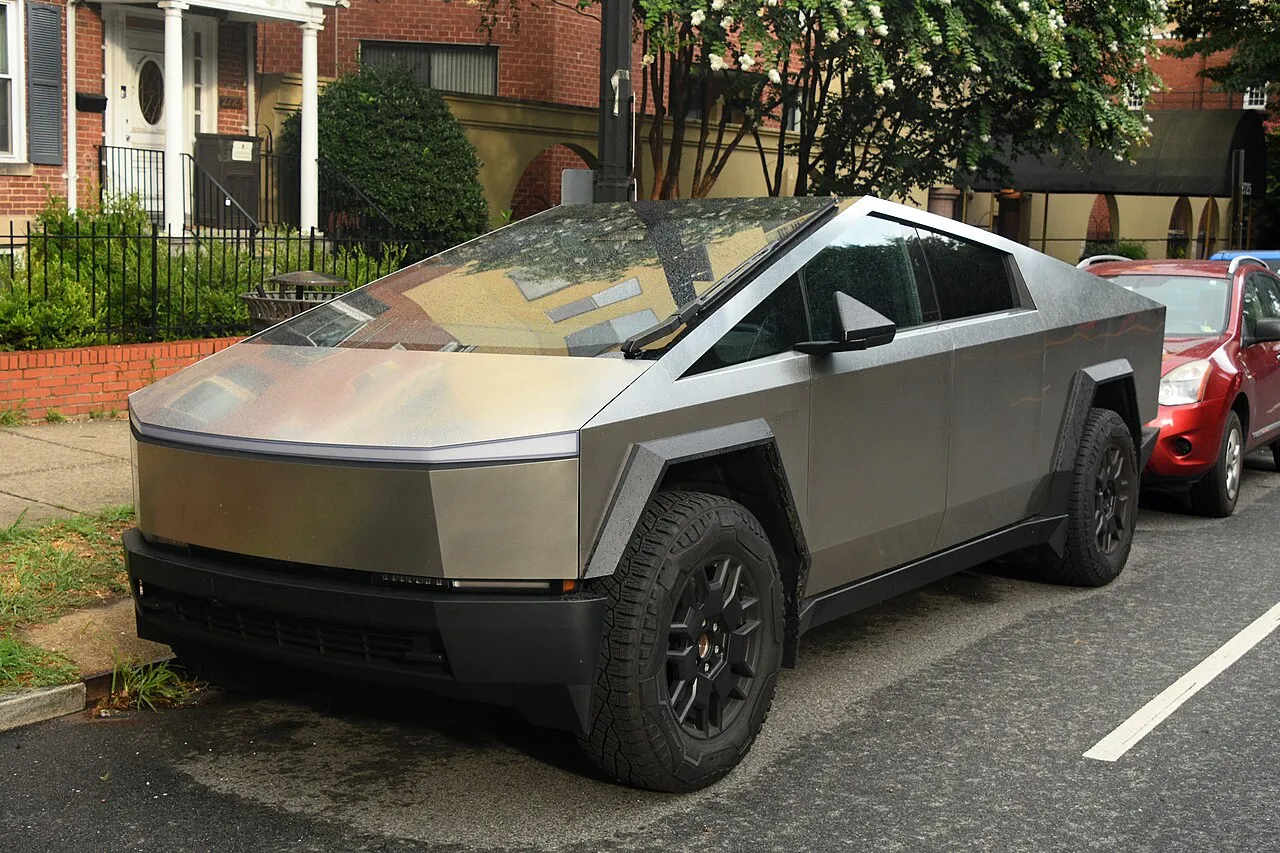
Cybertruck Owner Says Buyer Offered $110,000 for Used Truck
A Texas owner says he turned down a $110,000 offer for his three-year-old Cybertruck, citing its software and the difficulty the buyer had getting a new one.
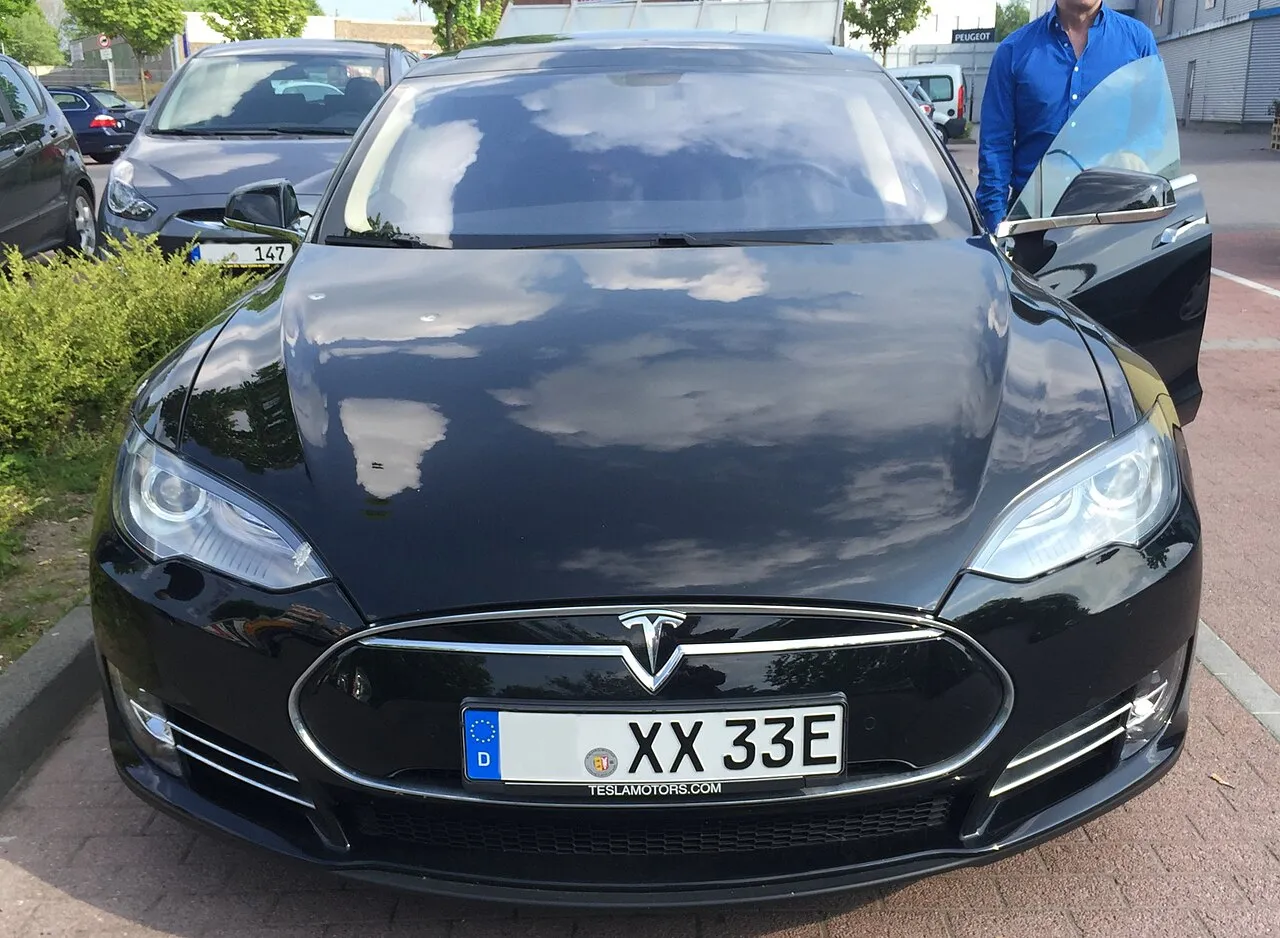
Tesla Update Adds Manual Battery Preconditioning and FSD Changes
Tesla’s 2026.44.3.1 update adds app-based battery preconditioning, parking options and driving changes, while keeping Full Self-Driving supervised.

Tesla Model Y Owner Credits Braking With Avoiding Trooper
A Model Y owner says her Tesla braked as a state trooper entered her lane. The video does not establish whether FSD or standard emergency braking acted.