Tesla Model Y Owner Credits Braking With Avoiding Trooper
A Model Y owner says her Tesla braked as a state trooper entered her lane. The video does not establish whether FSD or standard emergency braking acted.

The short answer: A Tesla Model Y owner says the car braked before she saw a state trooper pull into her highway lane, helping avoid a collision. The footage does not identify whether Full Self-Driving or standard Automatic Emergency Braking triggered the stop.
A Tesla Model Y owner says her SUV braked as a state trooper pulled into its highway lane, avoiding a collision she believes she would not have been able to prevent herself. The incident has renewed a practical question for Tesla drivers weighing the company’s $99 monthly Full Self-Driving subscription: the video shows the car stopping, but does not establish which driver-assistance system applied the brakes.
According to Torque News, Meagan Singleton shared video of the encounter and described it in a Tesla Model Y group. She said the car reacted before she realized what was happening and credited the moment with making her subscription worthwhile. The report says everyone involved, including the trooper, left safely.
The distinction between what happened and what caused it matters to buyers. Torque News says Automatic Emergency Braking is standard on the Model Y, while FSD (Supervised) is a separate paid driver-assistance package. The outlet could not confirm which system, or whether both systems, contributed to the braking. So the episode is evidence of a reported near-miss and a driver’s account of the response, but it does not show that FSD alone prevented a crash.
What the video shows
According to Torque News, the footage shows a state trooper pulling out from a highway median and entering the left lane as the Tesla approaches. The patrol vehicle appears to move into the lane without its emergency lights on. The report describes the warning as limited and the situation as unfolding over a second or two.
Singleton said her Model Y recognized the danger and braked hard before she could respond. In her post, she said she believed she would have hit the trooper if she had needed to react herself. That is her assessment of the moment, rather than a measured comparison of her reaction time with the car’s performance.
The available account leaves several details unresolved. It does not identify the road, the vehicles’ speeds, the distance between them, or the precise timing and force of the braking. Torque News also says the video cannot explain why the trooper entered the lane or what the trooper could see. It may show the vehicle’s movement, but it cannot establish the circumstances that led to it.
That limit matters when considering responsibility. The report says the patrol vehicle’s move created the sudden conflict, but offers no further account from the trooper or a state police agency. It does not report an investigation or an official finding about the maneuver. The central point available from the story is that a driver described a near collision, the video showed the trooper vehicle entering her path, and the Tesla braked before impact.
Which Tesla system acted?
Torque News says every Model Y comes with Automatic Emergency Braking, a standard safety feature that can work without an FSD subscription. FSD (Supervised), by contrast, is a separate system intended to manage steering, braking and navigation while the driver remains attentive and ready to take over. Because both involve vehicle control, the footage alone cannot tell viewers which one applied the brakes in this instance.
That uncertainty limits what the incident says about the subscription’s value. Singleton linked the experience to the $99 monthly FSD charge and said it made the payment worthwhile for her. But if standard Automatic Emergency Braking contributed or acted by itself, the event would not demonstrate that a paid FSD subscription was necessary for the stop. Torque News does not determine the cause, and the story does not provide a system log or other technical evidence that would settle it.
For a prospective buyer, the difference is relevant because the account combines an outcome with an owner’s interpretation of it. The reported outcome is that the car braked and no one was hurt. The owner’s interpretation is that the car saw the trooper sooner than she did and that the moment justified FSD’s monthly price. Those two points can both be reported without treating the interpretation as proof of which feature acted.
The incident also does not mean a driver can rely on the vehicle to handle an unexpected move. Torque News describes FSD (Supervised) as requiring an attentive driver who is prepared to take control. Singleton herself said she was the driver and shared her view of how she would have reacted. Her account shows how driver-assistance can shape an owner’s sense of security, while the system’s exact role remains unverified.
A single emergency and everyday value
The subscription question is broader than this one encounter. Torque News says many owners judge FSD through routine use, including commuting and highway trips, and how often they activate it. The article also reports that some drivers find the system overly cautious, slowing earlier or hesitating when they would continue. Those observations describe owner opinions in the outlet’s report, rather than a quantified assessment of how all drivers experience the feature.
One commenter, Feng Li, told Torque News that FSD detected hazards earlier than he noticed them during some nighttime driving, while at times seeming more cautious than he would have been. Singleton’s account points to a possible benefit of early caution in a sudden situation. But one driver’s near-miss cannot establish how often the system detects hazards in time, or how it will respond to other road events.
Torque News places the episode alongside other reports involving Tesla driver assistance, including an account of a Model Y that reportedly continued driving after its owner suffered a severe heart attack and a separate report of a Model Y hitting a closed express-lane barrier while using FSD. The outcomes differ, and each concerns a specific reported event. Taken together, they do not establish a general safety rate or predict how the system will behave in a future emergency.
That is why identifying the system matters. If a car slows or stops in a dangerous moment, the result can be valuable to the people inside and around it. Yet a consumer deciding whether to pay for a driver-assistance package needs to know what feature produced that result. Here, the story does not answer that technical question. It supports Singleton’s account of the car braking; it does not isolate FSD’s contribution.
What happens next
Torque News does not report a response from Tesla, the state police, or a regulator about this encounter. It also does not say that the footage prompted a formal review. The outlet references a separate NHTSA safety investigation concerning Tesla’s system behavior on public roads, but the report does not connect that investigation to Singleton’s video or say that the near-miss is part of it.
For now, the episode remains an owner-reported example of a Tesla braking in response to an unexpected vehicle entering its lane. A technical record identifying which system acted, or an official account of the trooper’s maneuver, could clarify what the video cannot. Without that information, the story offers a reason Singleton values her car’s safety response, but no firm basis for attributing the stop to the paid FSD package.
The Model Y is an electric SUV, but its range figures do not explain this incident. For context, the U.S. EPA rates the 2027 Model Y AWD at 294 miles, while the 2027 Premium RWD is rated at 355 miles. Those are EPA ratings for different U.S. trims; they are unrelated to the braking event and should not be confused with range figures measured under other standards.
For buyers, the clearest takeaway is narrower than a verdict on FSD: Singleton says the Model Y braked before she could react, and the encounter ended without reported injuries. The available video and account do not establish whether FSD, standard emergency braking, or both were responsible. That unanswered detail is central to deciding what this example says about the subscription.
Frequently asked questions
What happened in the reported near-miss?
According to Torque News, a state trooper pulled from a highway median into the left lane as a Tesla Model Y approached. The owner says the car braked and everyone left safely.
Did Full Self-Driving brake the Model Y?
The report does not establish which system acted. Torque News says the Model Y has standard Automatic Emergency Braking, and FSD (Supervised) could also have been involved.
Why did the owner say FSD was worth $99 a month?
Meagan Singleton said the car reacted before she saw the trooper and believed she would otherwise have hit the patrol vehicle. That is her account and assessment.
Does the video explain why the trooper entered the lane?
No. Torque News says the footage does not show why the trooper moved from the median or what the trooper could see.
Related stories
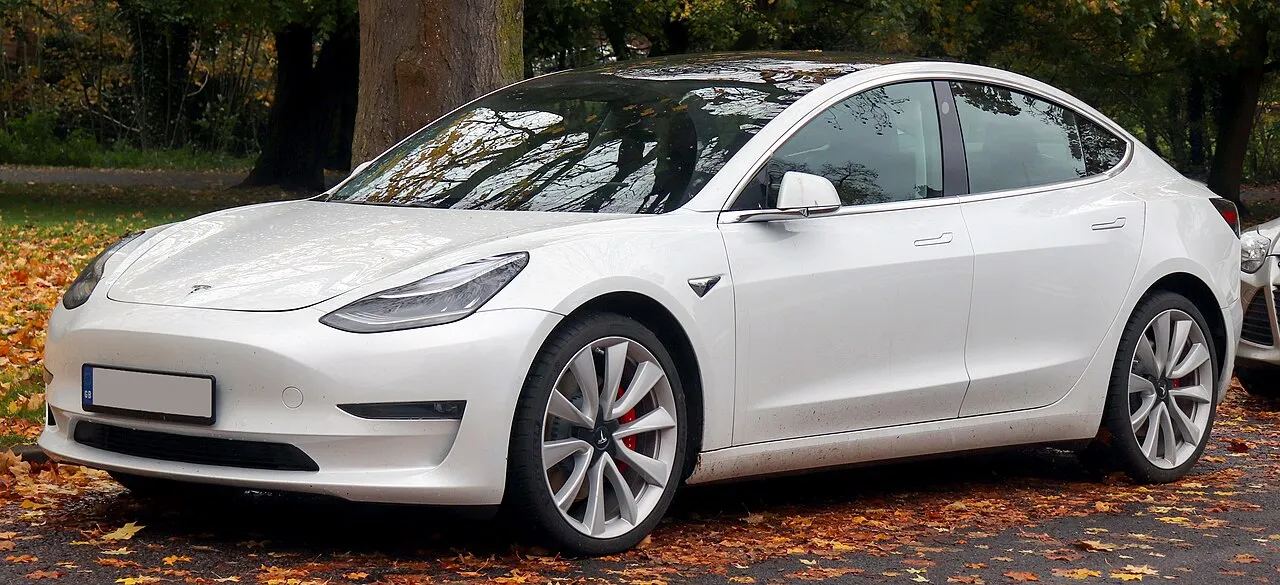
Tesla Model 3 vs. Model Y: Which Fits Your Routine?
The Model 3 sedan favors a lower, more traditional car shape; the Model Y crossover makes loading bulky cargo and helping passengers in and out easier.

Kia Confirms Rio-Sized Electric Hatchback for 2027
Kia says its first mass-market software-defined vehicle will be a B-segment electric hatchback due by the end of 2027, with a European launch expected in 2028.

Tesla FSD v15 Reaches Older Model Ys Without Bumper Cameras
Tesla is extending FSD v15 to pre-refresh Model Ys without front bumper cameras, with early reports praising smoother driving but flagging visual lag.