Tesla Model Y Ranks Last in German Roadworthiness Report
German inspectors found major defects in 18.5% of three-year-old Tesla Model Ys, with suspension and brake issues putting used-car condition in focus.
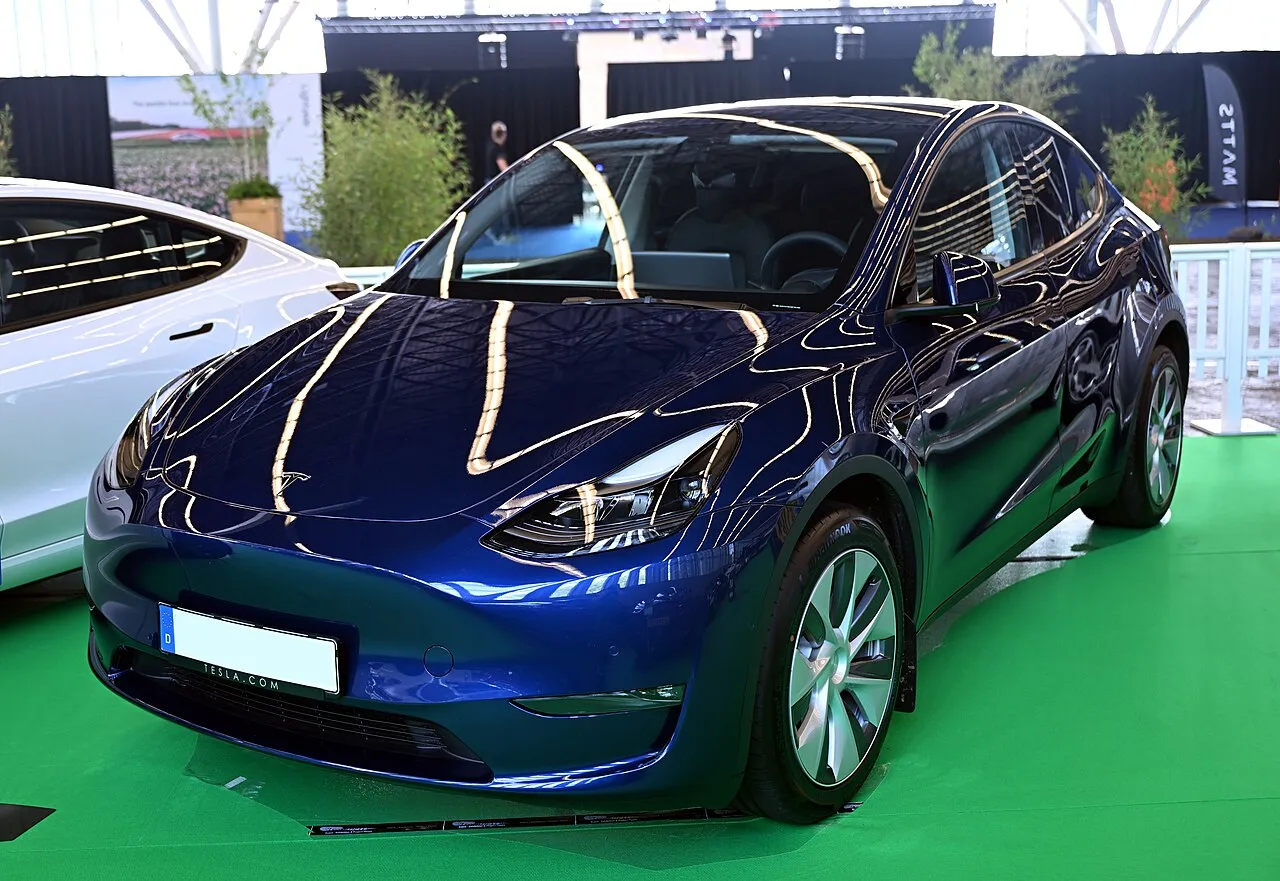
The short answer: The Tesla Model Y finished last among 109 models in Germany’s first-inspection ranking, with major defects affecting 18.5%, according to InsideEVs. The findings concern vehicles built before the Juniper refresh and highlight suspension joints, brake discs and front lighting.
The Tesla Model Y finished last among 109 models in Germany’s latest first-inspection roadworthiness ranking, with major defects found on 18.5% of vehicles checked, according to InsideEVs. For used EV buyers, the findings put suspension, brakes and lighting alongside battery condition as important parts of assessing a relatively young electric car.
The result marked the Model Y’s second consecutive last-place finish. Its major-defect rate rose from 17.3% a year earlier and was nearly three times the 6.4% average for cars of the same age. According to InsideEVs, no model in that age group had recorded a worse result since the 2015 report.
The findings concern the Model Y that preceded Tesla’s Juniper refresh. They therefore describe the condition of an earlier version reaching its first mandatory inspection, rather than establishing how the updated vehicle will perform after comparable use.
What the German inspections found
Germany’s TÜV analyzed 9.7 million mandatory roadworthiness inspections conducted between July 2025 and June 2026, InsideEVs reported. The comparison involving the Model Y covered vehicles arriving for their first inspection at about three years old. The 9.7 million figure covers the broader inspection analysis, rather than Model Ys alone.
Suspension joints were a particular weakness. Inspectors flagged worn joints on the Model Y 24 times as often as on comparable cars, according to InsideEVs. That is a measure of how frequently inspectors identified that particular problem; it is separate from the vehicle’s overall 18.5% major-defect rate.
Brake discs were another concern. Defective discs appeared on 3.4% of Model Ys, compared with a 1% average for the age group. Front lighting also attracted more complaints than usual, InsideEVs reported. Together, those findings identify several areas behind the poor result without reducing the assessment to a single component.
The distinction matters for buyers interpreting an EV reliability headline. The problems highlighted in this report involve the chassis, brakes and lighting. The overall failure percentage should not be read as a battery-failure rate or as a measurement of how much driving range these vehicles had lost.
Higher mileage adds context
The Model Ys inspected had traveled farther than the average car in their age group. InsideEVs reported an average of 36,000 miles for the Tesla, against 29,200 miles across the comparison group. Although the vehicles were roughly the same age, they had not accumulated the same amount of use.
The contrast was particularly large with the Mazda MX-30 EV, which averaged just 16,200 miles. Model Ys had therefore covered more than twice the distance of the Mazdas by inspection time. That difference is relevant when comparing their condition, even though both appeared in the same age-based ranking.
Higher mileage does not turn the published percentages into a comparison adjusted for distance traveled. The results show how the cars presented for inspection actually performed, alongside their average mileage. Those two measures are best read together: one describes the inspection outcome, while the other gives context about use.
| Vehicle or comparison group | Major-defect or failure rate | Average mileage at inspection |
|---|---|---|
| Tesla Model Y | 18.5% | 36,000 miles |
| MG4 | 16% | 23,000 miles |
| Tesla Model 3 | 12.5% | 34,200 miles |
| Mazda MX-30 EV | 3% | 16,200 miles |
| Same-age vehicle average | 6.4% | 29,200 miles |
All figures in the comparison were reported by InsideEVs from the German inspection findings. They describe roadworthiness outcomes for the vehicles checked, rather than EPA range ratings, charging performance or owner satisfaction.
Electric cars appeared at both ends of the ranking
The report’s results varied widely among EVs. Electric vehicles won three of the six vehicle classes, according to InsideEVs, while also occupying the bottom three positions in the overall ranking. That spread makes the individual model results more informative than a single conclusion about electric propulsion.
The Mazda MX-30 EV recorded a 3% failure rate and finished third overall, behind the Mazda CX-60 and Mercedes-Benz GLA. Its result shows that an electric car could place near the top of this inspection comparison, although its substantially lower average mileage remains relevant to a comparison with the Model Y.
At the other end, the MG4 finished second from last with a 16% failure rate despite averaging 23,000 miles. According to InsideEVs, it was the first vehicle from a Chinese automaker to appear in the report. Inspectors identified defective brake discs on 10.3% of MG4s, about ten times the age-group average, and suspension defects were unusually common.
Tesla’s Model 3 placed immediately ahead of the MG4, with a 12.5% failure rate and average mileage of 34,200 miles. Both Teslas therefore combined above-average mileage with poor inspection results. The MG4’s outcome adds another dimension: a vehicle could also rank near the bottom despite having covered fewer miles than the group average.
Why reliability surveys can tell a different story
The German result contrasts with the Model Y’s standing in a different kind of reliability assessment. Consumer Reports ranked it as its most reliable new EV, according to InsideEVs. That assessment drew on problems owners reported encountering, while TÜV’s findings came from roadworthiness inspections.
Those methods examine different evidence. As InsideEVs noted, an inspector may discover play in a suspension joint that a driver has not noticed. An owner’s account of trouble-free use and an inspection finding can therefore differ without describing precisely the same question about the vehicle.
Vehicle age also changes the comparison. InsideEVs reported that Tesla finished last as a brand in Consumer Reports’ separate survey of five- to ten-year-old cars. That older-car result covers a different age range and a brand-wide assessment, so it should not be treated as another measurement of the three-year-old Model Y inspection rate.
For an American reader, the German findings offer evidence about the inspected fleet’s condition. They do not establish a corresponding U.S. failure percentage. Their clearest relevance is the specific pattern of faults discovered on young vehicles, especially where an owner might not already recognize a developing suspension problem.
The refreshed Model Y still has to prove its durability
The Juniper update brings a softer suspension setup and frequency-selective dampers, according to InsideEVs. Those changes make the suspension relevant to the next chapter of the Model Y’s durability record, but the German results concern the preceding version.
Whether the revised setup holds up better remains an open question as updated vehicles accumulate mileage. A change in suspension behavior does not itself establish a lower future inspection-failure rate. That will require evidence from the newer vehicles after use.
For buyers considering the earlier Model Y, the report identifies concrete inspection priorities: suspension joints, brake discs and front lighting. For Tesla, the unresolved issue is whether the updated model can improve on a roadworthiness record that placed its predecessor last for two consecutive years.
Frequently asked questions
How many Tesla Model Ys failed their first German inspection?
According to InsideEVs, inspectors found major defects on 18.5% of Model Ys checked, compared with a 6.4% average for cars of the same age. The Model Y finished last among 109 models.
What problems did inspectors find on the Model Y?
InsideEVs reported unusually frequent worn suspension joints, defective brake discs and front-lighting complaints. Suspension joints were flagged 24 times as often as on comparable cars, while defective brake discs affected 3.4% of Model Ys.
Do these results apply to the refreshed Tesla Model Y?
The findings concern the Model Y before the Juniper refresh. According to InsideEVs, the updated model has softer suspension and frequency-selective dampers, but whether that setup improves durability remains unresolved.
Did all electric cars perform poorly?
No. According to InsideEVs, EVs won three of six vehicle classes, and the Mazda MX-30 EV finished third overall with a 3% failure rate. Electric vehicles also occupied the bottom three positions.
How much had the inspected Model Ys been driven?
The Model Ys averaged 36,000 miles, according to InsideEVs. That compares with 29,200 miles for the age group overall and 16,200 miles for the Mazda MX-30 EV.
Related stories

How to Choose a Used Electric Car With Confidence
Compare a used EV’s history, battery warranty, charging fit and condition before you buy. A focused inspection can uncover risks a test drive may miss.
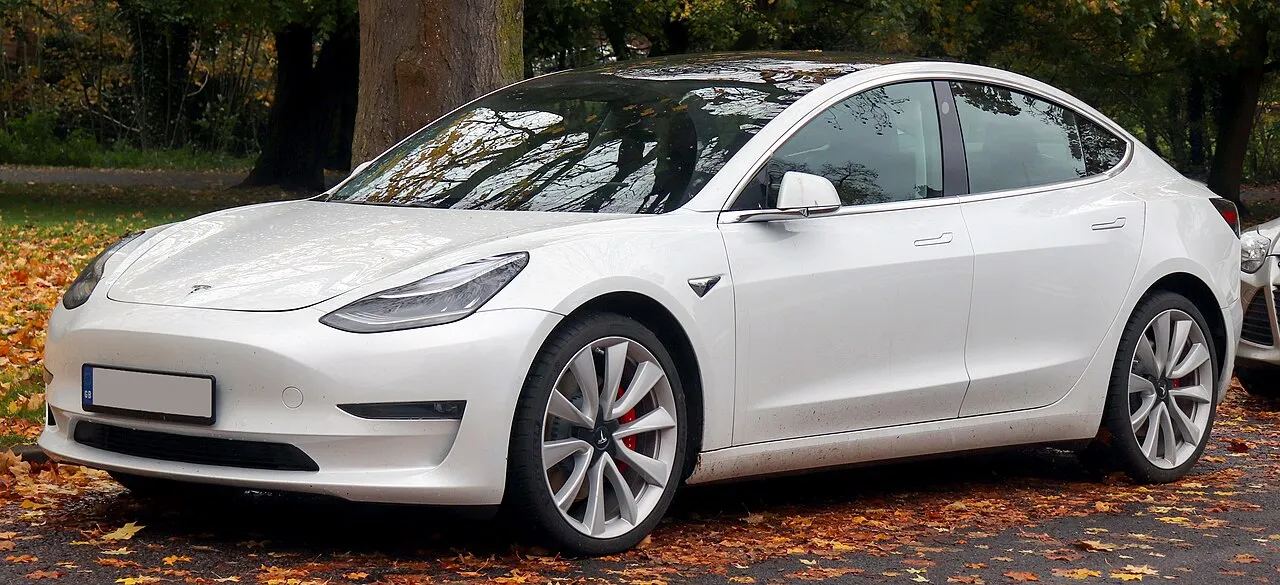
Tesla Model 3 vs. Model Y: Which Fits Your Routine?
The Model 3 sedan favors a lower, more traditional car shape; the Model Y crossover makes loading bulky cargo and helping passengers in and out easier.

How to Read an EV Battery Health Report
Battery health reports can help used EV shoppers assess capacity, but one reading is only a snapshot. Learn what common metrics mean and what to ask next.