Tesla Driver Charged After Police Report Ottawa Rush-Hour Nap
Ontario police charged a Tesla driver after an officer saw them apparently asleep in Ottawa traffic, renewing scrutiny of driver supervision in assisted cars.
The short answer: Ontario Provincial Police charged a Tesla driver with careless driving after an officer saw the driver’s eyes closed and hands off the wheel on Ottawa’s Highway 417. Police have not said which driver-assistance system, if any, was active.
Ontario Provincial Police charged a Tesla driver with careless driving after an officer spotted the driver with their eyes closed and hands off the steering wheel during rush hour on Ottawa’s Highway 417, according to Electrek. The case matters to drivers who use advanced assistance features because the car was moving in traffic while the person behind the wheel appeared unable to supervise it. Police have not identified which driver-assistance system, if any, was active.
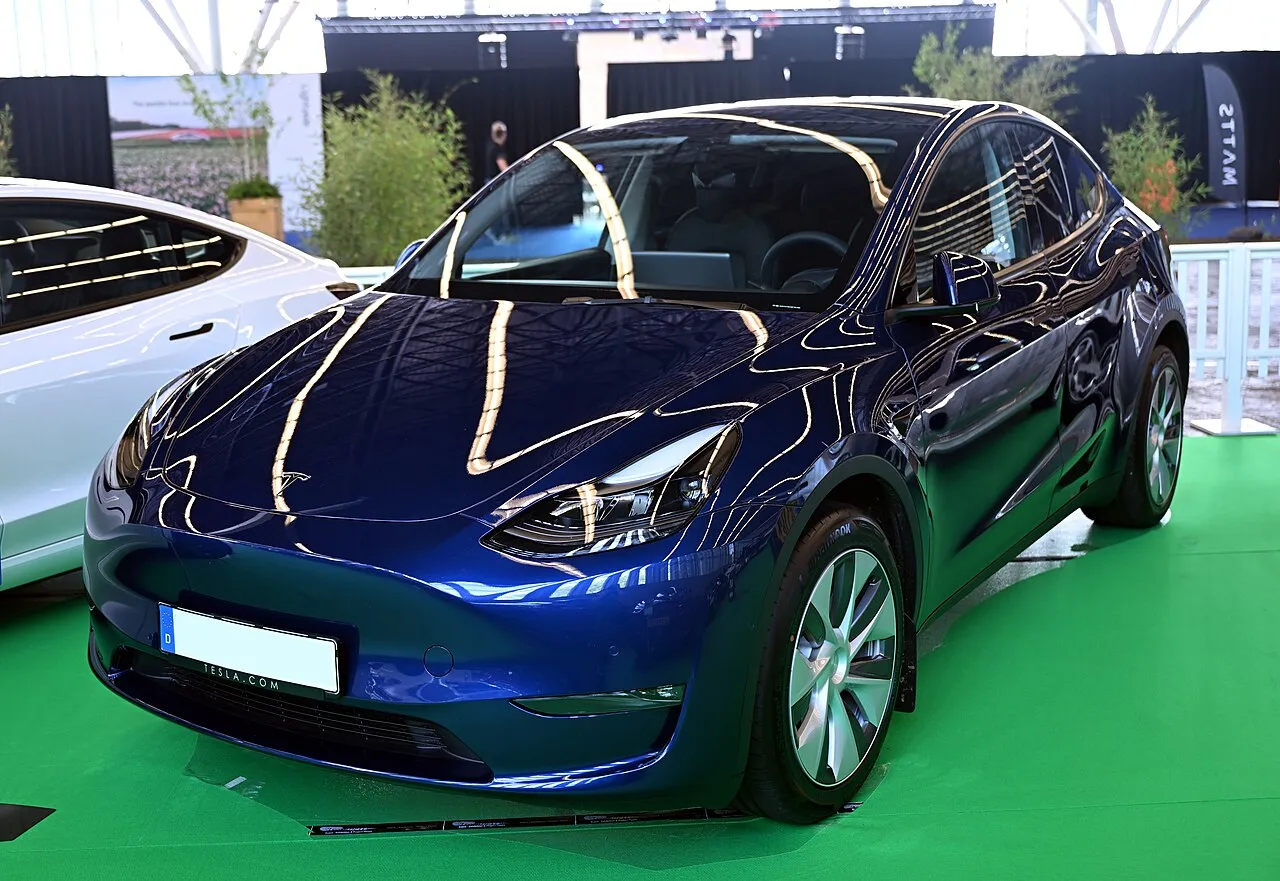
Electrek reported that the stop took place on Tuesday and that OPP East Region described it publicly on Wednesday morning. An OPP photo showed a new-generation Model Y, according to the outlet. Police did not name the vehicle’s brand in their account. The officer first pulled close enough to capture body-camera footage rather than immediately activating the cruiser’s emergency lights, Electrek reported. The account does not establish how long the driver’s eyes were closed or how the vehicle was being controlled before the officer drew alongside it.
The careless driving charge carries a set fine of $490 and six demerit points on conviction, according to Electrek. Those are potential consequences of the charge, not a finding that the driver has been convicted. The outlet also reported that, if the case goes to court, Ontario’s Highway Traffic Act allows a fine of up to $2,000, up to six months in jail and a license suspension of up to two years. The report does not say whether the driver will contest the charge or whether the case will go to court.
What police said about the driver’s responsibility
OPP’s message addressed the distinction between a car’s ability to assist with driving and the driver’s duty to pay attention. According to Electrek, police said that even when a vehicle has an autonomous driving feature, its driver must exercise due care and attention behind the wheel. That warning was directed at the conduct an officer observed: closed eyes and hands off the wheel in rush-hour traffic. It did not identify the software running in this Model Y, and it did not say whether the car had issued a warning to its driver.
That uncertainty limits what the Ottawa incident can show about Tesla’s systems. Electrek discusses Full Self-Driving, or FSD, in connection with the case, but the outlet says police did not name the driver-assistance system. A photograph identifying the model cannot establish whether FSD, another assistance feature or no such feature was engaged. The reported observation supports the careless driving allegation; it does not, on its own, establish that a particular feature failed to detect an inattentive driver.
Electrek describes Tesla’s FSD as a Level 2 driver-assistance system. Under that description, the human remains responsible for supervising the car even when it handles driving tasks for an extended stretch. The Ottawa charge illustrates the practical importance of that responsibility: the officer reportedly encountered a moving car whose driver’s eyes were closed. For a buyer considering assistance features, the relevant distinction is between a system that can help operate a vehicle and one that removes the driver’s obligation to watch the road. Electrek’s account places FSD in the first category.
Other incidents cited by Electrek
Electrek called Ottawa at least the fifth instance this year in which Canadian police have publicly reported a sleeping Tesla driver. The outlet also pointed to incidents in British Columbia, without giving details about each case. That tally is the outlet’s characterization; the Ottawa police account described in the report concerns one driver and one charge. The cases raise a recurring supervision question, but they do not establish that the same feature was active in every vehicle or that the circumstances were identical.
The outlet cited an earlier, more serious Canadian case for context. In 2020, Alberta RCMP criminally charged a Tesla driver with dangerous driving after the driver was caught sleeping while the car was on Autopilot at 150 km/h, according to Electrek. That case involved a named assistance feature and a reported speed; neither detail has been established for the Ottawa stop. It shows that police have confronted sleeping drivers in assisted Teslas before, while the Ottawa case has been reported as a careless driving charge under Ontario law.
Electrek also described three U.S. developments. In September, Colorado State Patrol received a report of a sleeping Tesla driver on Interstate 70 near Georgetown but did not find the car. That same month, Rep. Raja Krishnamoorthi pressed the Department of Transportation after NBC News found 43 videos of drivers apparently asleep in moving Teslas, including 17 posted in 2026, according to Electrek. Videos of people who appear to be asleep are distinct from police findings about an identified driver, and the Colorado report did not result in an officer locating the vehicle.
In a separate October incident in Fairfield, California, a driver told the California Highway Patrol that they had been asleep while using FSD when their Tesla entered a closed crash scene and struck a patrol car, Electrek reported. Two officers were seriously injured, according to the outlet. That account attributes the statement about sleep and FSD to the driver. It is a different incident from Ottawa, where police have not identified the assistance feature. The reported injuries make the potential consequences of missed supervision clear without establishing what happened inside the Ottawa vehicle.
Driver monitoring and the unanswered question
Electrek says Tesla has relied mainly on a cabin camera above the rearview mirror to monitor driver attention since FSD version 12.4. The outlet quotes Tesla’s owner’s manual as saying the camera does not need a full view of a driver’s eyes to monitor attentiveness and that monitoring can remain active when a driver wears sunglasses. Electrek argues that those conditions may make closed eyes harder to detect. The Ottawa report, however, does not describe what the camera saw, whether any alerts appeared or what the car did before police approached.
According to Electrek, Tesla can also prompt a driver to apply torque to the steering wheel when the camera cannot see the driver’s hands. The outlet reported that five FSD “strikeouts” suspend access for a week and that each strike is forgiven after three and a half days. Those are details of Tesla’s reported monitoring and access rules, not an account of which prompts or penalties, if any, applied to the Ottawa driver. Without that information, the case cannot show whether a warning was missed, ignored or never issued.
The outlet contrasted Tesla’s approach with GM’s Super Cruise, which it said uses a steering-column camera with infrared LEDs to track head and eye position and allows hands-free operation only on pre-mapped highways. Electrek also recalled that Google, while developing a highway driver-assistance prototype in 2013, observed employees falling asleep at highway speed and subsequently chose to pursue driverless operation. Those examples explain why attention monitoring is a design issue for the industry: assistance can reduce the amount of steering a driver does while still requiring that person to be ready to act.
The vehicle in OPP’s photo was a Model Y, but its trim and model year have not been identified. For context on the model, Natural Resources Canada rates the Canadian-market 2026 Model Y Long Range AWD-B at 542 km of range under its NRCan test standard. That rating identifies a published version of the SUV; it should not be taken as a rating for the car stopped in Ottawa. Range and charging characteristics also do not establish which driving feature was active or how its driver monitoring performed during this incident.
What happens next
The immediate next step is the Ontario careless driving case. Electrek reported the charge and its possible penalties, but no conviction or court outcome. The incident leaves a separate technical question open: whether any assistance system was engaged, and, if so, what warnings or responses it produced. Police have not answered that question in the account Electrek described. For now, the established point is narrower and consequential for EV drivers: an officer saw a moving Tesla in rush-hour traffic with a driver whose eyes were closed, and police responded with a charge grounded in the driver’s duty to pay attention.
Frequently asked questions
What was the Ottawa Tesla driver charged with?
Ontario Provincial Police charged the driver with careless driving after an officer saw their eyes closed and hands off the wheel on Highway 417, according to Electrek.
Was Tesla Full Self-Driving active during the Ottawa incident?
That has not been established. Electrek reported that police did not identify the driver-assistance system.
What penalty could the Ontario charge carry?
According to Electrek, the set fine is $490 with six demerit points on conviction. If the case goes to court, Ontario law allows higher penalties.
Which Tesla model appeared in the police photo?
Electrek identified the vehicle in the OPP photo as a new-generation Model Y. Its trim and model year have not been identified.
Related stories

Kia Confirms Rio-Sized Electric Hatchback for 2027
Kia says its first mass-market software-defined vehicle will be a B-segment electric hatchback due by the end of 2027, with a European launch expected in 2028.

Tesla FSD v15 Reaches Older Model Ys Without Bumper Cameras
Tesla is extending FSD v15 to pre-refresh Model Ys without front bumper cameras, with early reports praising smoother driving but flagging visual lag.

Tesla Model Y Owner Credits Braking With Avoiding Trooper
A Model Y owner says her Tesla braked as a state trooper entered her lane. The video does not establish whether FSD or standard emergency braking acted.