Scout Starts Test Builds in South Carolina Ahead of 2028 Launch
Scout has begun building validation vehicles at its South Carolina factory, with range-extended models leading plans for customer deliveries in 2028.

The short answer: Scout has started welding, painting and assembling validation vehicles at its Blythewood, South Carolina, factory, according to Electric Cars Report. Customer deliveries are expected in 2028, with range-extended versions of the Traveler SUV and Terra pickup taking priority over fully electric versions.
Scout Motors has started building its first validation vehicles at its new factory in Blythewood, South Carolina, moving Volkswagen Group’s revived American off-road brand into a new stage of manufacturing preparation. According to Electric Cars Report, customer deliveries of the Traveler SUV and Terra pickup are expected to begin in 2028, with range-extended versions taking priority in the launch plans.
The milestone gives prospective buyers a concrete sign of progress toward production, although these early vehicles are intended for engineering and factory checks. Scout is now welding, painting and assembling vehicles inside the plant while construction enters its final phase. The immediate task is to establish that the equipment, components and manufacturing processes can produce vehicles that meet the company’s requirements.
The factory work comes alongside substantial early interest. Electric Cars Report reports that Scout has accumulated approximately 212,000 reservations, citing CEO Scott Keogh. About 75% are for the Traveler, and around 87% are for range-extended versions. Those preferences help explain why the SUV and its gasoline-generator option are central to Scout’s initial production strategy.
First builds put the factory’s systems to work
Most manufacturing equipment has already been installed at the Blythewood Production Center, according to Electric Cars Report. Its Body Shop, Paint Shop and Assembly Shop are participating in the first validation builds, bringing the main stages of vehicle manufacturing into operation as the broader facility approaches completion.
These vehicles serve several purposes before regular manufacturing begins. Engineers and production teams use them to check vehicle engineering, component quality, manufacturing processes and the performance of newly installed equipment. Building them inside the new plant allows Scout to evaluate how those elements work together through the production sequence.
That makes this a different milestone from the start of customer production. A functioning assembly process is one part of preparing a new vehicle for sale; the validation program is intended to establish whether the process and its output meet the required standards. Electric Cars Report says the program will continue into 2027 as Scout prepares for the next stage of preproduction development.
For reservation holders, the distinction matters to the delivery timeline. The start of these builds shows that Scout has moved beyond constructing the factory alone, but customer deliveries remain expected in 2028. The current work is a step toward that target, with further validation and preproduction activity still ahead.
Robots, weld checks and a measured production pace
The scale of the Body Shop illustrates the manufacturing operation Scout is bringing online. According to Electric Cars Report, more than 750 robots support its operations. Approximately 160 individual parts form each vehicle body, with around 5,000 weld points per vehicle.
Scout is using AI-supported weld monitoring and advanced measurement systems to help identify manufacturing issues and maintain quality. Sample bodies will undergo thousands of measurements to check that they meet engineering requirements before proceeding to painting and assembly. Those checks are part of the validation work now taking place inside the facility.
The Body Shop is designed to process approximately 40 vehicles per hour at full capacity, Electric Cars Report says. That is a statement of the shop’s intended capacity, rather than its current production rate. During validation, Scout is concentrating on testing equipment and refining manufacturing processes rather than reaching maximum speed.
The later production stages are also coming into use. The Paint Shop handles cleaning, coating, corrosion protection, painting, drying and inspection. In the Assembly Shop, the finished body and chassis come together, and workers install components including wiring, windows, seats, steering wheels and tires. Running vehicles through these stages gives Scout a way to assess the manufacturing sequence from body construction through assembly.
Reservation preferences shape the launch plans
Scout opened reservations in October 2024, when it unveiled the Traveler SUV and Terra pickup. The approximately 212,000 reservations reported by Electric Cars Report indicate substantial interest ahead of the brand’s return, but they are nonbinding. They should therefore be understood as expressions of interest rather than confirmed vehicle orders.
The split between the two vehicles is significant for launch planning. Keogh’s figures put approximately three-quarters of reservations with the Traveler SUV, giving that model a larger share of early interest than the Terra pickup. Separately, the roughly 87% share for range-extended vehicles shows a strong preference for that powertrain choice across the reservation total.
According to Electric Cars Report, Scout is expected to prioritize the range-extended Traveler, followed by the Terra pickup. Fully electric versions are expected to follow. The reported sequence puts the combination attracting the greatest early interest—the SUV with a range extender—at the front of the company’s manufacturing plans.
The reservation figures remain an early signal, with customer deliveries still ahead. They establish which choices prospective buyers have favored so far, but the nonbinding nature of the reservations limits what they say about eventual sales. The manufacturing milestone and the reservation total describe different parts of Scout’s progress: preparation to build vehicles and interest in buying them.
Range extenders take the lead over an all-electric debut
Scout originally planned an exclusively electric lineup, according to Electric Cars Report. It has since broadened that strategy to include extended-range electric vehicles, or EREVs. These use an electric powertrain and a gasoline-powered engine that acts as a generator to produce electricity when needed.
The arrangement is intended to retain electric driving characteristics while reducing concerns about charging availability and long-distance travel. That is particularly relevant to the way Scout is positioning its vehicles: both the Traveler and Terra are being developed with rugged capability and off-road performance in mind.
The shift also changes the timing for buyers who want a fully electric Scout. Those versions remain part of the plans, but Electric Cars Report says they are expected after the range-extended models. The overall customer-delivery target is 2028; the reported launch strategy establishes a priority among versions without giving a separate delivery date for every configuration.
Both vehicles draw inspiration from the original Scout models built by International Harvester between 1961 and 1980. The revived brand is applying that off-road identity to two vehicle types: an SUV in the Traveler and a pickup in the Terra. Their shared heritage sits alongside a powertrain strategy that has evolved since Scout’s original all-electric plans.
Investment and hiring continue around the plant
The Blythewood factory is also a substantial industrial investment. Electric Cars Report says Scout is investing more than $2 billion in the Production Center, which is expected to create more than 4,000 jobs as manufacturing expands. The site is less than 20 miles north of Columbia, South Carolina.
Scout has also announced an additional $300 million investment in an onsite Supplier Park. According to Electric Cars Report, that project is expected to support approximately 1,000 supplier jobs and attract another $368 million in supplier investment. Those plans extend the manufacturing effort beyond Scout’s own production buildings.
Recruitment and training are increasing as the company prepares employees to operate the equipment and support future production. The next steps are continued validation into 2027 and the subsequent stage of preproduction development. For buyers tracking the Traveler and Terra, the key milestones remain successful preparation for regular manufacturing and the expected start of customer deliveries in 2028.
Frequently asked questions
Has Scout started building customer vehicles?
Scout has started building validation vehicles at its Blythewood factory, according to Electric Cars Report. These are used to check engineering, components, equipment and manufacturing processes; customer deliveries are expected to begin in 2028.
Which Scout vehicles are expected to launch first?
According to Electric Cars Report, Scout is expected to prioritize the range-extended Traveler SUV, followed by the Terra pickup. Fully electric versions are expected to follow.
How many reservations does Scout have?
Electric Cars Report cites CEO Scott Keogh as saying Scout has approximately 212,000 nonbinding reservations. About 75% are for the Traveler SUV, and around 87% are for range-extended versions.
How does Scout’s range-extended powertrain work?
According to Electric Cars Report, Scout’s extended-range vehicles use an electric powertrain with a gasoline-powered engine acting as a generator to produce electricity when needed.
How much is Scout investing in South Carolina?
According to Electric Cars Report, Scout is investing more than $2 billion in its Production Center and has announced an additional $300 million investment in an onsite Supplier Park. The projects are expected to create more than 4,000 factory jobs and support approximately 1,000 supplier jobs.
Related stories

Audi's China-Only E7X Adds a Gasoline Range Extender
A Chinese filing shows Audi's E7X will add a gasoline generator option, giving the electric SUV a range-extender powertrain alongside its battery-electric versions.
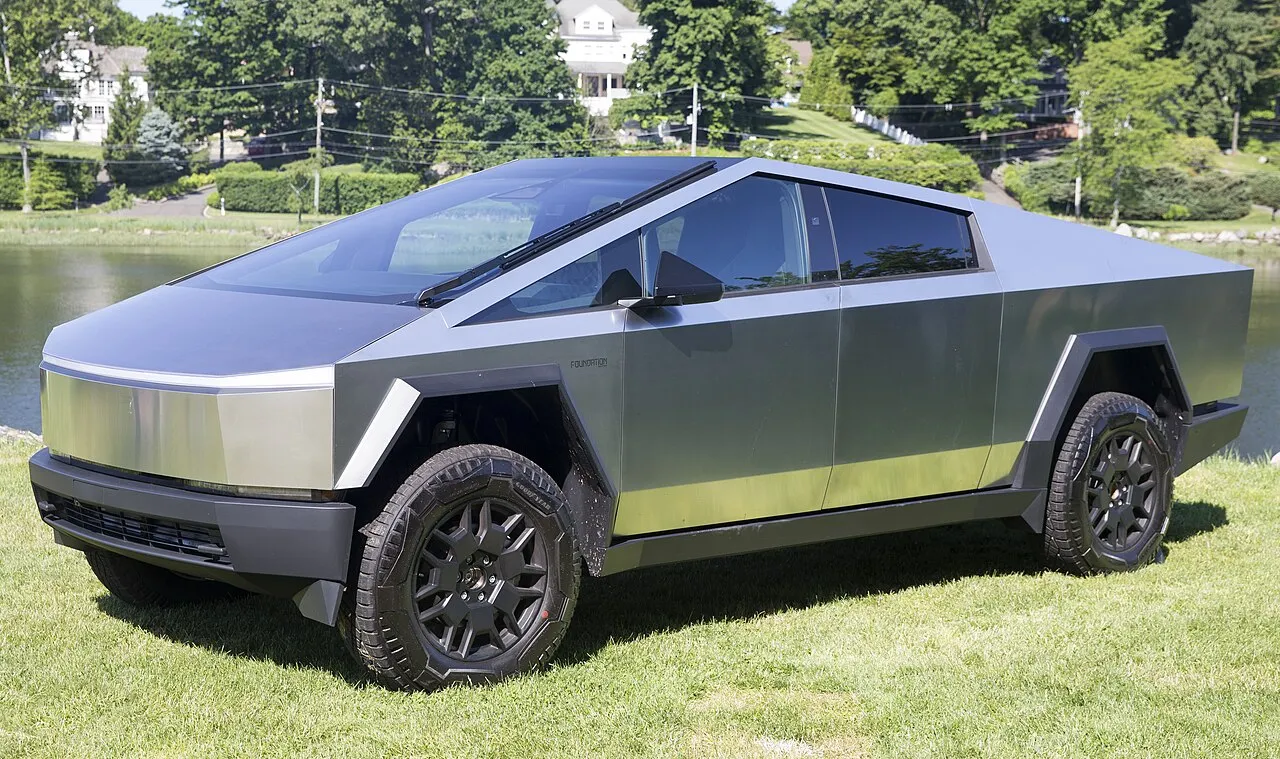
Ford's Next Electric Pickup Adopts Three Cybertruck Ideas
Ford's planned electric pickup uses 48-volt power, large castings and fewer computers as Cybertruck sales fall, according to Torque News.
Alpitronic Plans $33.94 Million Fast-Charger Plant in U.S.
Alpitronic plans a South Carolina factory to build 400-kW and megawatt charging systems, with production scheduled to start in February 2027 and 70 jobs.