May Mobility Plans Over 10,000 VW ID. Buzz Robotaxis by 2031
May Mobility targets more than 10,000 autonomous Volkswagen ID. Buzz vans by 2031, with US road testing in 2027 and production-ready deliveries in 2028.
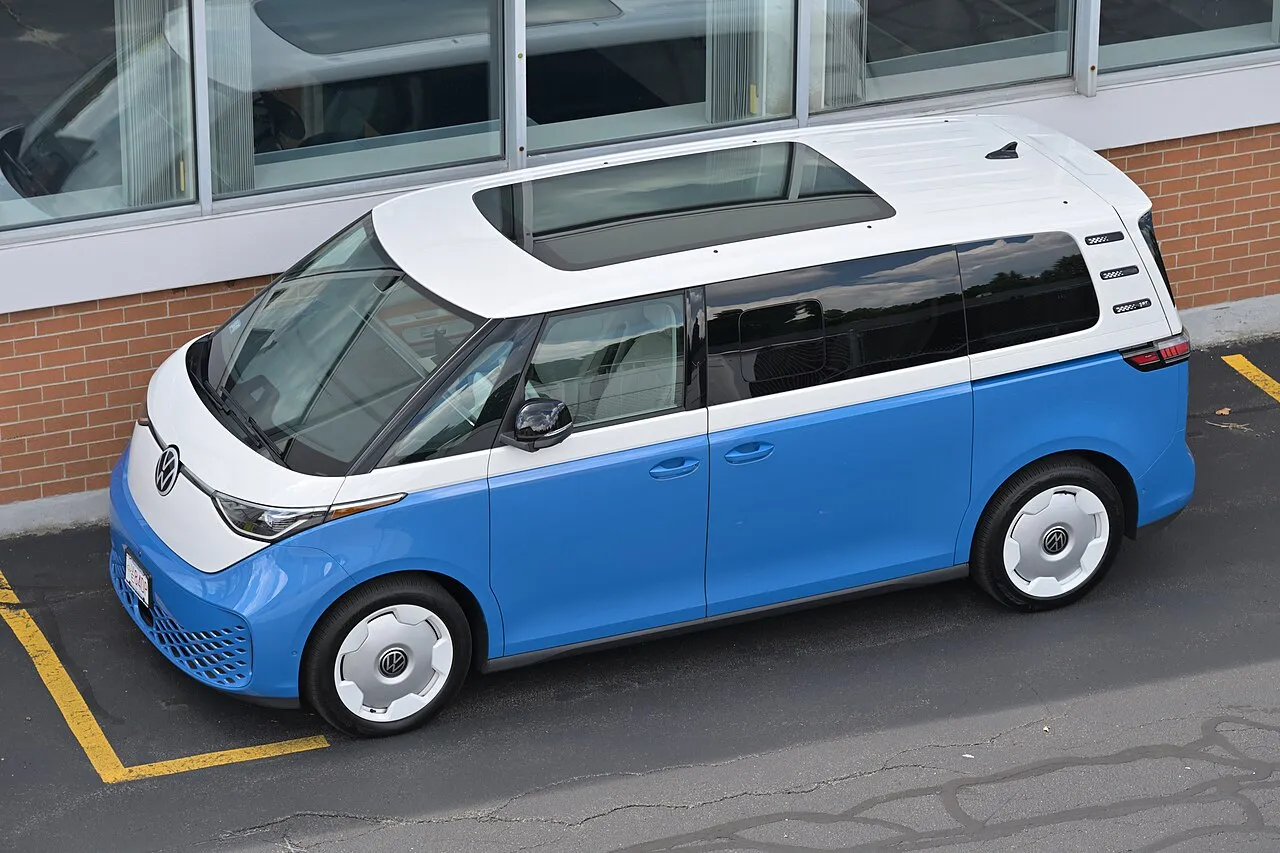
The short answer: May Mobility plans to deploy more than 10,000 autonomous Volkswagen ID. Buzz vans globally by 2031, according to Electric Cars Report. US road testing is expected to begin in early 2027, with the first production-ready vehicles targeted for delivery in 2028.
May Mobility plans to deploy more than 10,000 autonomous Volkswagen ID. Buzz vans worldwide by 2031, potentially giving Volkswagen’s electric passenger van a substantial new role in commercial transportation. According to Electric Cars Report, US road testing is expected to begin in early 2027, followed by the first production-ready vehicle deliveries in 2028.
The project pairs the ID. Buzz with May Mobility’s autonomous driving technology and a business model built around outside fleet operators and mobility providers. For Volkswagen, it offers another commercial application for an EV whose price and range have presented challenges in the private-buyer market, according to Electric Cars Report. For May Mobility, it establishes a vehicle program intended to support international expansion.
From development to a global deployment target
Development is already underway, according to Electric Cars Report. The partners are adapting the ID. Buzz to meet the requirements of May Mobility’s Autonomous Driving Kit, or ADK. The vans will then receive May Mobility’s driving technology through its partnership with automotive technology company ECARX.
Charlton Intelligence.ai is also participating, supporting vehicle delivery and deployment. The collaboration brings together the vehicle platform, autonomous driving integration and deployment support needed to prepare the vans for commercial ride-hailing services.
The schedule has three distinct milestones: US road testing in early 2027, initial production-ready deliveries in 2028 and a deployment goal exceeding 10,000 vehicles by 2031. Those dates describe a development and expansion plan; the full fleet is a future target. Electric Cars Report describes the intended deployment as global, with the early road-testing program taking place in the United States.
The partners are working toward a production-ready van that can be integrated into different robotaxi platforms. That flexibility matters to the business structure: May Mobility intends to work with established transportation providers rather than build every part of a global ride-hailing operation itself.
Outside operators would manage transportation services
According to Electric Cars Report, May Mobility plans to rely on external fleet operators and mobility providers instead of owning and operating all the vehicles itself. This approach allows the company to concentrate on autonomous driving technology while its partners manage transportation services.
The distinction helps explain what the 10,000-vehicle ambition represents. It is a target for deploying vans through a network of commercial relationships, rather than a commitment that May Mobility will directly operate every vehicle. Established mobility platforms and fleet operators are central to the plan.
Cost is another major objective. Electric Cars Report says May Mobility expects the combined supply-chain and technology collaboration with ECARX and Charlton Intelligence.ai to deliver savings of more than 50% compared with its current-generation vehicle platform. That is a company target, rather than an achieved reduction.
The comparison concerns May Mobility’s existing vehicle platform. It does not establish a retail discount for the ID. Buzz or a passenger fare reduction. Its relevance is to the economics of expanding autonomous transportation: the partners are trying to lower the platform costs associated with putting more driverless vehicles into service.
Software looks ahead before choosing a maneuver
May Mobility’s autonomous driving system uses a predictive world model to assess its surroundings and evaluate how a traffic situation could develop. According to Electric Cars Report, the company says its system can simulate scenarios up to 10 seconds into the future.
The software evaluates multiple possible driving strategies in real time before selecting the maneuver it considers most appropriate. The approach is intended to help the vehicle handle interactions with other road users, including vehicles and pedestrians, as traffic conditions change.
Those calculations run on onboard computing hardware. According to Electric Cars Report, the system does not depend on continuous cloud processing for its core autonomous driving functions, allowing driving decisions to be made with minimal delay and without a constant mobile network connection.
The predictive capability describes how May Mobility’s system makes decisions. Demonstrating that the integrated ID. Buzz can meet the demands of commercial service remains part of the work ahead. The planned US testing program is therefore an important step between the technology integration now underway and the production-ready delivery target.
Why use the ID. Buzz?
The van’s passenger cabin is a central part of its appeal for ride-hailing. Electric Cars Report identifies interior space, multiple entry doors and convenient access as advantages for transporting several people together. Those characteristics fit services where passengers need to enter, exit and share the cabin throughout the operating day.
The ID. Buzz also brings a recognizable appearance inspired by the original Volkswagen Type 2 Bus. According to Electric Cars Report, that distinctive styling could help autonomous transportation services stand out. The commercial case, however, also rests on practical attributes such as cabin space and passenger access.
The project creates another potential use for the vehicle beyond private ownership. Electric Cars Report describes the ID. Buzz’s relatively high starting price and range considerations as challenges in attracting private buyers. A fleet application puts the focus on how the van can serve a transportation operation, including its ability to carry multiple passengers.
For context, US EPA ratings for the 2025 consumer ID. Buzz are 234 miles for the rear-wheel-drive version and 231 miles for the all-wheel-drive 4Motion. Both have a nine-hour Level 2 full-charge time in the EPA’s US information. These figures describe the US consumer vehicles; they do not establish the range or charging performance of May Mobility’s future autonomous conversion.
That distinction matters when assessing the announcement. The program is adapting an existing electric van to a dedicated commercial role, and its production-ready vehicles remain a future milestone. The consumer model’s EPA ratings offer background on the ID. Buzz, while the autonomous fleet’s operating performance will depend on the vehicles developed for this project.
Existing services give May Mobility a starting point
May Mobility already has experience carrying passengers. According to Electric Cars Report, the company says it has completed more than 600,000 autonomous rides across approximately 1.1 million miles in the United States and Japan. It also reports three driver-out deployments, in which vehicles operated on public roads without a human safety driver behind the wheel.
Its commercial services include Atlanta through a partnership with Lyft, along with Eden Prairie and Grand Rapids in Minnesota. The company is also targeting a commercial launch with Uber in Arlington, Texas, in 2027, according to Electric Cars Report.
In Japan, a six-month on-demand autonomous vehicle pilot with NTT Mobility began in Nagoya in September 2026. Together, these operations show the service and partnership experience behind the planned ID. Buzz expansion, although the Volkswagen program still has its own development schedule.
Testing comes before large-scale expansion
Volkswagen is also pursuing autonomous transportation through its MOIA subsidiary, which has been testing an autonomous ID. Buzz in Los Angeles, according to Electric Cars Report. That effort provides further context for the van’s emerging commercial role alongside the May Mobility collaboration.
For May Mobility’s program, the next concrete milestone is the expected start of US road testing in early 2027. Production readiness, regulatory approval, operational reliability and fleet management remain central considerations as the partners work toward deliveries in 2028 and more than 10,000 deployments by 2031.
Frequently asked questions
How many Volkswagen ID. Buzz robotaxis does May Mobility plan to deploy?
According to Electric Cars Report, May Mobility plans to deploy more than 10,000 autonomous ID. Buzz vans globally by 2031.
When will testing and vehicle deliveries begin?
US road testing is expected to begin in early 2027, with the first production-ready vehicles targeted for delivery in 2028, according to Electric Cars Report.
Will May Mobility operate every vehicle itself?
May Mobility plans to work with external fleet operators and mobility providers rather than own and operate all the vehicles itself, according to Electric Cars Report.
How does May Mobility’s autonomous driving system work?
According to Electric Cars Report, May Mobility says its system evaluates possible driving strategies using a predictive world model that can simulate scenarios up to 10 seconds ahead. Core driving calculations run on onboard hardware without requiring continuous cloud processing.
What range does the US consumer Volkswagen ID. Buzz have?
The 2025 US rear-wheel-drive ID. Buzz has an EPA-rated range of 234 miles, while the all-wheel-drive 4Motion has an EPA rating of 231 miles. These ratings apply to the consumer vehicles, not May Mobility’s future autonomous conversion.
Related stories
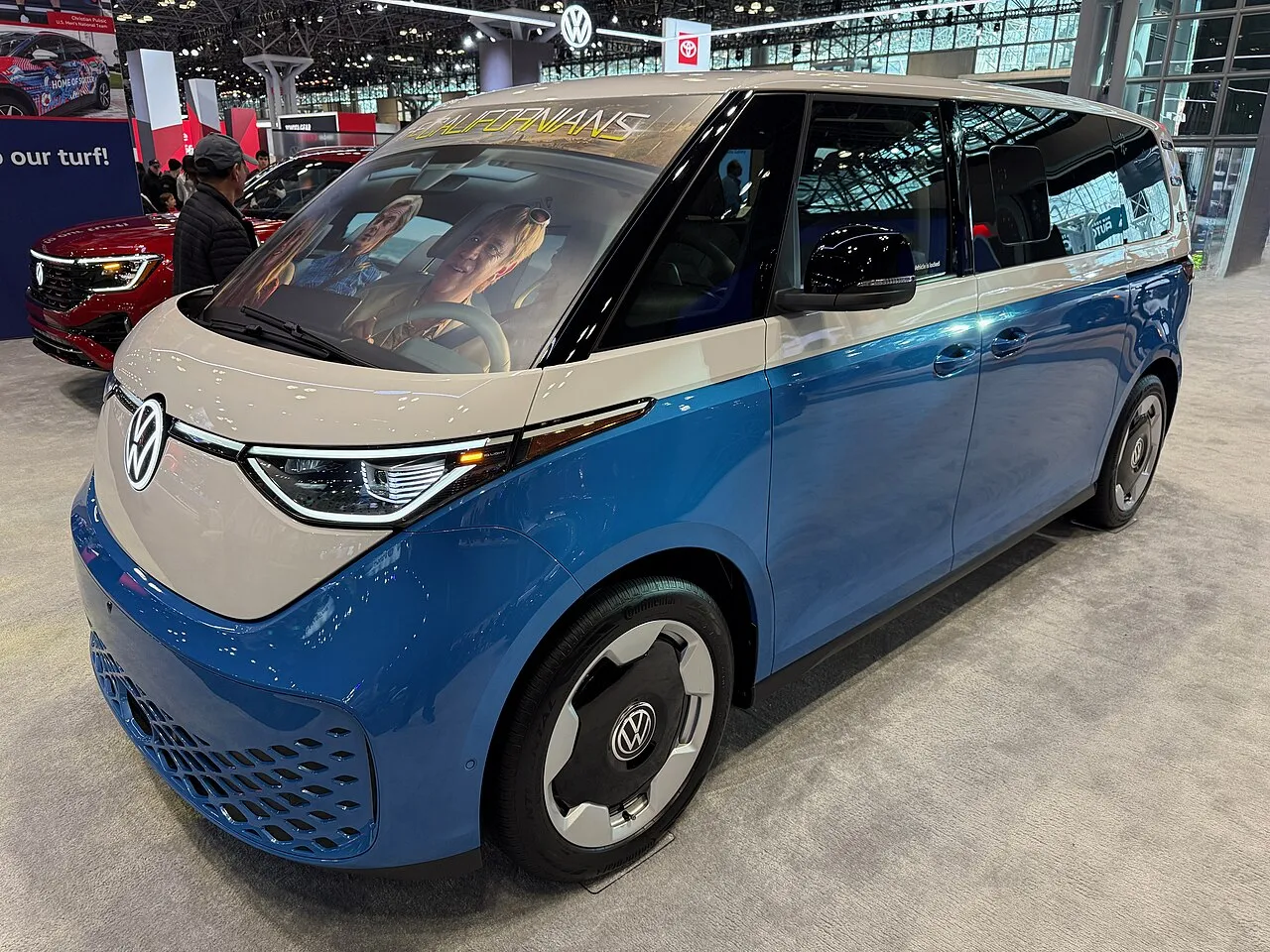
How the Volkswagen ID. Buzz Works for Everyday Use
The ID. Buzz pairs a van-like cabin with an electric drivetrain. Here is how its layout can shape passenger access, parking, cargo use and daily trips.

Denver Man Repeatedly Boxes In and Eggs Waymo Robotaxis
Waymo says one man has egged its Denver robotaxis at least 30 times after trapping them with traffic cones. Each reported vehicle needed cleaning.

Lucid Begins Driverless Gravity Testing in the Bay Area
Lucid, Uber and Nuro have begun driverless Gravity SUV tests in four Bay Area cities, a step toward planned paid rides in early 2027.