Lucid Lost Orders as It Struggled to Locate Cars in Stock
Lucid's CEO says poor vehicle tracking cost the company orders, even as inventory grew. A new sales process aims to match buyers with available cars.

The short answer: Lucid CEO Silvio Napoli said the company lost orders because locating and delivering vehicles could take up to two weeks, according to Electrek. He said Lucid now tracks vehicles through production, shipping and storage so its commercial team can sell cars available when customers want them.
Lucid lost customer orders because it struggled to locate and deliver cars already in its inventory, CEO Silvio Napoli acknowledged on the company's third-quarter earnings call, according to Electrek. The admission exposes a sales obstacle beyond vehicle production: having cars available did not mean Lucid could get them to buyers quickly enough to keep their business.
Napoli said the company now has visibility into vehicles being built, shipped and stored, along with when they can reach customers. According to Electrek, a new commercial team is using that information to sell cars available on the day a buyer wants one. For customers, the significance is a clearer connection between placing an order and receiving a vehicle; for Lucid, it is an effort to stop losing sales while carrying substantial inventory.
Orders slipped away while cars were available
According to Electrek, Napoli described the problem when an analyst asked whether Lucid's fourth-quarter deliveries would rise or fall. His account concerned conditions at the beginning of the third quarter, when the company sometimes needed two weeks to deliver a vehicle after receiving an order.
Lucid “did not even know where cars were,” Napoli said, according to Electrek. He added that it “would take sometimes two weeks to deliver to the customer, and so we would lose the order.” His explanation directly linked delivery delays to canceled business, rather than describing inventory solely as a consequence of weak demand.
The distinction matters because Lucid had already built considerably more vehicles than it delivered. According to Electrek, production exceeded deliveries by 3,228 vehicles in the first half of 2026. In the first quarter alone, the company built 5,500 vehicles and delivered 3,093.
Those figures put the tracking problem in context. Lucid was accumulating vehicles, yet some customers who had placed orders still could not receive a car quickly enough to complete the purchase. The missing connection was between the cars moving through the business and the customers waiting to take delivery.
Napoli's description of the revised process addresses that connection. According to Electrek, Lucid can now see which cars are under construction, where completed vehicles are being shipped, where they are stored and when they can reach a buyer. The commercial team's role is to use that visibility when making a sale, tying customer demand to actual vehicle availability.
Production fell as Lucid worked through inventory
Lucid's third-quarter production and delivery figures show a reversal of the first-half imbalance. According to Electrek, the company built 2,954 vehicles during the quarter and delivered 3,806. Deliveries therefore exceeded production, although the delivery total was still down 7% from a year earlier.
The quarter also brought a reduction in inventory. Electrek reported that Lucid's balance-sheet inventory stood at $1.38 billion at the end of June and $1.22 billion on September 30. Separately, new Chief Financial Officer Alexander De Bock said finished-goods inventory fell by almost 15% during the third quarter.
Those measures describe different aspects of the business. The balance-sheet figures put a dollar value on inventory, while the production and delivery totals count vehicles. De Bock's statement specifically concerned finished goods. Taken together, they show Lucid delivering more vehicles than it built during the quarter while reducing the value of inventory it carried.
They do not, however, establish how much of that movement resulted from better vehicle tracking. According to Electrek, Lucid also reduced production during the third quarter after its earlier buildup. The operational changes and lower output form part of the same effort to manage the gap between vehicles produced and vehicles reaching customers.
The year-over-year delivery decline is another reason to distinguish progress on inventory from progress on sales. Lucid moved more vehicles out than it built in the third quarter, but its 3,806 deliveries remained below the comparable period a year earlier. Improved coordination can address the lost orders Napoli described; the quarterly result does not yet establish a broader sales recovery.
Tesla faced a delivery bottleneck at a larger scale
Electrek drew a historical comparison with Tesla's Model 3 expansion in 2018, when rising factory output created pressure on the company's delivery operation. By the third quarter of that year, Tesla was producing roughly 4,000 Model 3 sedans per week, according to the outlet. Its challenge increasingly involved moving completed cars to customers.
In September 2018, Elon Musk said Tesla had “gone from production hell to delivery logistics hell,” according to Electrek. A week later, he described an “extreme shortage of car carrier trailers” and said the company had begun building its own carriers. The bottleneck had shifted beyond assembly into transportation.
Tesla's response involved several changes. According to Electrek, it introduced door-to-door delivery and asked existing owners to help at delivery centers. In November 2018, as the federal tax credit for Tesla buyers was about to be cut in half, Musk said the company had bought trucking companies and secured contracts with major vehicle haulers.
Electrek also reported that Tesla moved cars east by truck instead of rail to shorten transit times by weeks. During the third quarter of 2018, Tesla delivered 83,500 vehicles, including 55,840 Model 3s, a record at the time. Those totals illustrate the much larger volume involved in Tesla's delivery challenge compared with Lucid's current operation.
The comparison is useful because both accounts involve completed vehicles failing to reach customers as efficiently as the automaker needed. The specific problems differed: Napoli emphasized knowing where Lucid's cars were and matching them to orders, while Tesla's reported responses included expanding transportation capacity and changing delivery arrangements.
A European port became another pressure point
Tesla encountered another delivery obstacle when the Model 3 reached Europe in February 2019. According to Electrek, the first ship arrived at Zeebrugge in Belgium, where Tesla immediately had difficulty processing vehicles at the port. The company was aiming to move 3,000 cars per week through that location.
About a week after the ship arrived, Tesla ended its contract with the company preparing the vehicles and took over that work itself, Electrek reported. By March 2019, Tesla delivered more than 5,300 Model 3s in Norway alone, making it the country's best-selling car by a wide margin, according to the outlet.
That episode adds another dimension to the logistics issue: a vehicle can be built and shipped internationally yet still encounter a delay before it reaches its buyer. Electrek also reported that Musk later described Tesla as having been on the brink of bankruptcy during its earlier logistics difficulties, underscoring the business significance he attached to getting deliveries moving.
Lucid's next test is converting visibility into deliveries
For Lucid, the immediate change Napoli described is greater control over the information used to make sales commitments. According to Electrek, the company now knows where vehicles are in its production and distribution process and when customers can receive them. Its commercial team is expected to sell against that availability.
The fourth quarter will follow a period in which Lucid reduced production, delivered more cars than it built and lowered inventory. Whether the revised process translates into stronger deliveries remains unresolved by the third-quarter figures. Napoli's account identifies a concrete source of lost business and the operational response: connecting an order to a car the company can locate and deliver when the customer wants it.
Frequently asked questions
Why did Lucid lose customer orders?
According to Electrek, CEO Silvio Napoli said Lucid sometimes took two weeks to locate and deliver a vehicle at the start of the third quarter, causing some customers to abandon their orders.
What has Lucid changed about its sales process?
Napoli said Lucid now tracks vehicles through production, shipping and storage and knows when they can reach customers. According to Electrek, a new commercial team uses that information to sell cars available when buyers want them.
How many vehicles did Lucid deliver in the third quarter?
According to Electrek, Lucid delivered 3,806 vehicles and produced 2,954 in the third quarter of 2026. Deliveries were down 7% from a year earlier.
Did Lucid reduce its inventory?
Electrek reported that Lucid's balance-sheet inventory fell from $1.38 billion at the end of June to $1.22 billion on September 30. CFO Alexander De Bock separately said finished-goods inventory declined by almost 15% during the third quarter.
How did Tesla respond to its 2018 delivery problems?
According to Electrek, Tesla expanded its transportation arrangements, introduced door-to-door delivery and moved cars east by truck instead of rail to shorten transit times. Musk also said Tesla bought trucking companies and secured contracts with major haulers.
Related stories
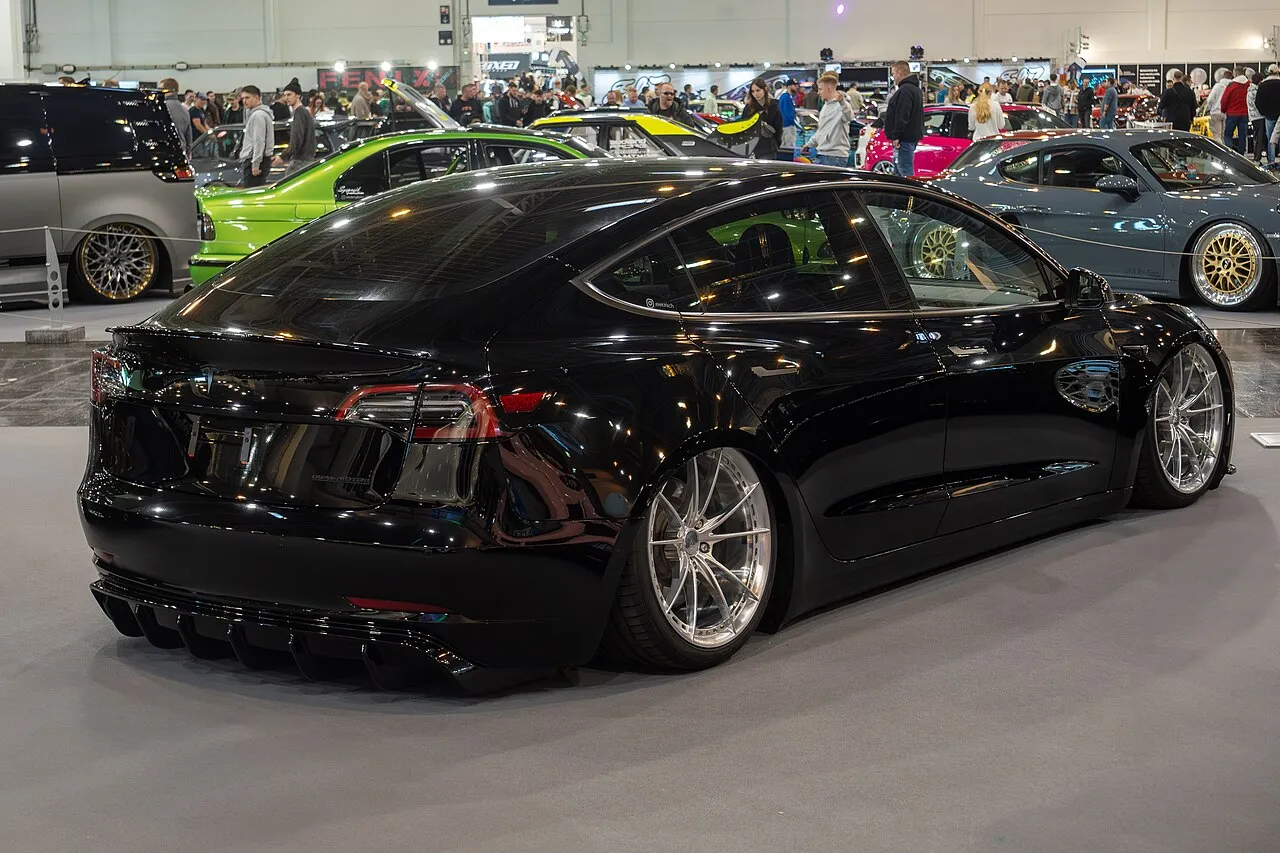
Polestar Tops Tesla in Recurrent’s EV Winter Range Study
Recurrent’s study of more than 59,000 EVs puts Polestar first among automakers for winter range retention, while Tesla models lead its individual-car rankings.
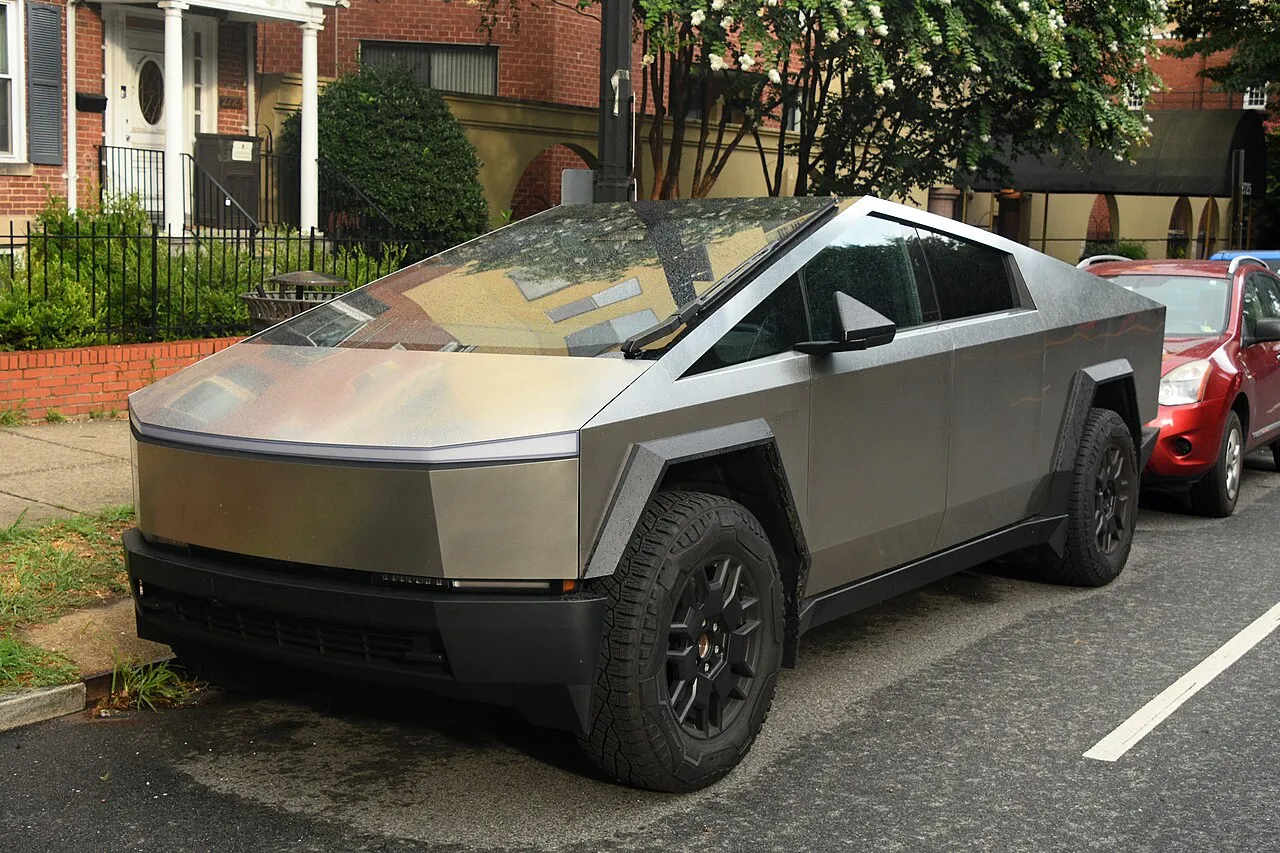
Tesla Offers Cybertruck Owners Refunds for PCS Repairs
Tesla is offering parts, labor and tax refunds to some 2024 and 2025 Cybertruck owners who paid to replace a failed power conversion system.
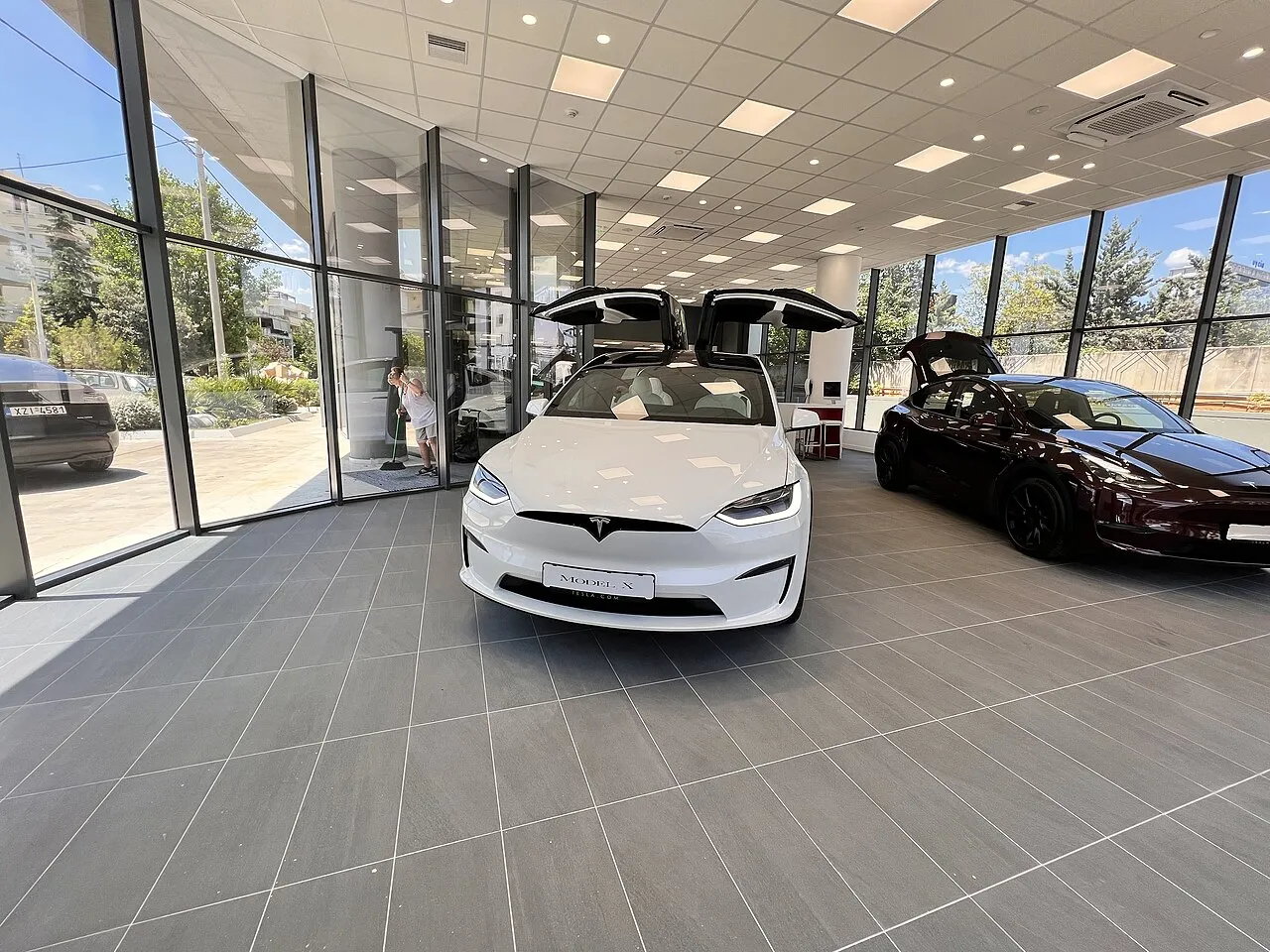
Tesla Opens Argentina Sales With Awkward Musk Video Appearance
Tesla opened online orders for the Model 3 and Model Y in Argentina, but Elon Musk’s brief launch appearance offered little sales pitch.